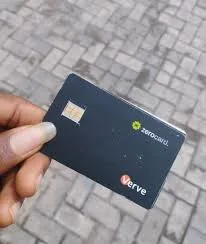
A Nigerian startup, Zerocard, is pioneering crypto adoption with a new debit card that lets users spend stablecoins like regular money in local shops and ATMs. Zerocard, a Lagos-based startup, has launched what it calls the first crypto debit card built specifically for Africans. The card allows users to spend USDC stablecoins directly from their wallets in local currency (naira), making it easier to use crypto for everyday payments. The card runs on Base, a blockchain network developed by Coinbase, while traditional financial partners like Sudo Africa and Safe Haven Microfinance Bank handle card issuance and naira transactions to stay compliant with local regulations. Users first fund their wallet by buying Base USDC via trusted peer-to-peer (P2P) platforms such as Coinbase Wallet’s Onboard feature. The card can then be used at local POS terminals and ATMs, converting crypto into naira instantly. There’s a small fee for transactions, ₦5 for purchases under ₦10,000 and ₦12.5 plus ₦100 ATM charges for withdrawals. Zerocard CEO Temidayo Folajin explained the process: the card debits USDC from the user’s wallet, holds it in a smart contract escrow, and then swaps it for naira to pay merchants, who receive payments just like from any regular debit card without handling crypto themselves. While the card is still in beta and requires users to hold a small amount of Base ETH for transaction fees, Zerocard plans to fix this soon in the next release. The startup focuses on crypto-savvy users who want an easier way to spend their stablecoins without repeated conversions to naira. Folajin said, “We’re not skipping steps. We’re working with legal partners to ensure everything is clean, end to end. Our goal is to reduce friction and speed up transactions to under four seconds.” Sudo Africa’s Business Development Manager Kennisha Donatus added, “We don’t handle crypto. Zerocard manages that. We provide regulated card issuance, ensuring compliance with Nigeria’s financial laws.” Zerocard’s crypto debit card offers a promising bridge between crypto and everyday payments in Nigeria. With over 25 million crypto users in the country, this solution could boost digital currency adoption, though it currently suits mainly crypto-native consumers.
FirstBank launches card-free facial recognition for mobile banking in Nigeria
FirstBank of Nigeria has updated its FirstMobile app with facial biometric technology, allowing customers to open and manage their accounts without needing a debit card. The latest FirstMobile app lets users register and activate their accounts by simply scanning their face. This facial recognition upgrade means new and current customers no longer have to use a debit card for verification. Security is also getting a boost. The app’s facial biometric system uses anti-spoofing detection, so it’s harder for fraudsters to impersonate others or break into someone’s account. Before this update, you needed a card to start using FirstMobile. For many people, that wasn’t easy, especially customers abroad, people with expired or missing cards, or those who avoid cards completely. Now, anyone can sign up and enjoy bank services like money transfers, bill payments, or checking balances quickly and securely on their phone. You can update the app now on Google Play Store or Apple Store. Returning users may need to re-install FirstMobile to get all the new options. “With these new services now live on FirstMobile, we are confident we will undoubtedly enhance our customers’ digital experience,” shared Chukwuma Ezirim, Group Executive, E-Business and Retail Products Division at FirstBank. He added, “Our goal is to make banking simpler, faster, and more accessible. Every interaction should build satisfaction and stronger relationships with our customers.” The bank is making digital banking easier and safer for a wider range of users in Nigeria and beyond, by cutting out physical cards

Pump.fun raises $600 million in 12 minutes, fueling Memecoin comeback
The blockchain platform Pump.fun sold $600 million worth of its memecoin tokens in just 12 minutes, signaling a fresh surge in interest for meme-inspired cryptocurrencies. Over the weekend, Pump.fun completed one of the fastest and largest crypto token sales ever, raising $600 million during its public offering on Saturday. The tokens, built on the Solana blockchain, were sold at $0.004 each, with 150 billion tokens offered to the public. This follows a private sale of 180 billion tokens to select investors at the same price, bringing total funds raised to $1.32 billion, according to co-founder Alon Cohen. The sale excluded investors from the US and UK due to regulatory reasons. The rapid success of Pump.fun’s token sale reflects a renewed excitement in memecoins, cryptocurrencies inspired by internet memes and pop culture. This trend has attracted both retail and institutional investors chasing quick profits, with some high-profile figures, including former US President Donald Trump, launching their own memecoins. Pump.fun, launched in 2024, allows users to create their own speculative tokens easily. The platform has generated nearly $800 million in revenue since its debut. This event also marks a comeback for Initial Coin Offerings (ICOs), a fundraising method that had declined after 2018 but is now seeing renewed interest amid looser market conditions and a hunger for high-risk investments. Zaheer Ebtikar, founder of crypto investment firm Split Capital, noted how quickly market sentiment shifts in this space, saying, “You go from max fear to max FOMO very quickly.” The new tokens are expected to start trading within 48 to 72 hours after the sale ended, boosting activity on the Solana network and confirming that memecoins remain a hot sector in crypto.
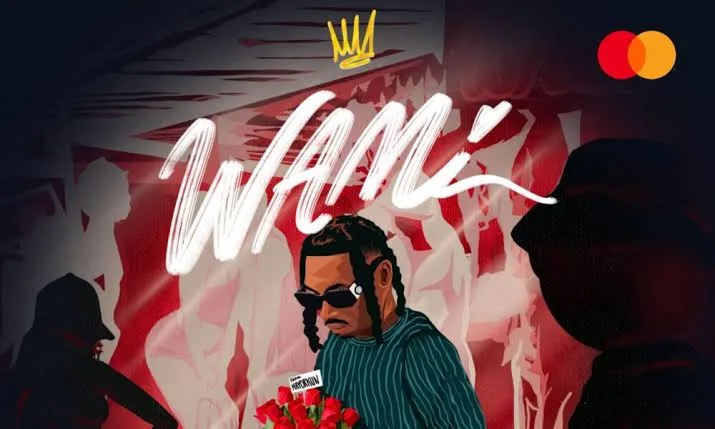
Mastercard drops Afrobeat Anthem to win over young Nigerians
Mastercard has launched a new Afrobeat Sonic Anthem called “Wami” to connect with Nigeria’s youth and boost its brand presence in the country. The company worked with top Nigerian music talents, LeriQ and Mayorkun, to create the track. Their goal is to tap into the energy and creativity of young, digitally savvy Nigerians, using music as a bridge. Mastercard says this move is part of a bigger plan to evolve from just a payments company into a lifestyle brand that feels more local and relatable. The Afrobeat genre, which started in West Africa, has exploded worldwide and is now a major influence on music, fashion, dance, and digital content. Global streaming of Afrobeat music grew by more than 550% between 2017 and 2022. The new anthem builds on Mastercard’s global sonic identity, which the company introduced in 2019. By choosing Afrobeat, Mastercard wants to show it understands what matters to Gen Z and millennials in Nigeria. The company believes that sound can help brands stand out, especially in Africa’s mobile-first markets where young people are always online. According to Mastercard, brands that use audio branding see big results: a 76% jump in brand power, 138% better ad effectiveness, and 17% higher ad recall. The company hopes “Wami” will help it break through the noise and become part of everyday life for young Nigerians. “Wami” is now available on all major streaming platforms. Mastercard says this is just the start, as it plans to keep using music and culture to build deeper connections with its audience in Nigeria.
Nigerian Banks must balance AI innovation with trust – Experts warn
Nigerian banks are rolling out Artificial Intelligence (AI) to improve services, but experts say they must not forget trust and transparency. At the 4th Stakeholders’ Conference of the Association of Corporate Affairs Managers of Banks (ACAMB) in Lagos, industry leaders discussed how AI is changing banking in Nigeria. The event, themed “AI and the Future of Trust: Reimagining Banking and Financial Services in a Digital-First Era,” brought together top voices from banking, technology, and communications. AI is already making banking faster and smarter. Customers now enjoy quicker transactions, better fraud detection, and easier access to financial services. But with these benefits come new risks. Experts at the conference warned about issues like data privacy, algorithm bias, and the risk of losing public trust if banks are not careful. Rasheed Bolarinwa, President of ACAMB, said, “Trust must not only be preserved, it must be enhanced by the very technologies we are adopting. Prof. Pius Olanrewaju, President of the Chartered Institute of Bankers of Nigeria (CIBN), added, “Every industrial revolution has been driven by general-purpose technology. Today, AI is that driver. But if we adopt it without integrity and transparency, we risk losing the very foundation of banking.” He was represented at the event by CIBN Registrar, Akin Morakinyo. Niyi Yusuf, Managing Partner at Verraki Africa and Chairman of the Nigerian Economic Summit Group (NESG), spoke about the need for AI tools that fit Nigeria’s unique culture and languages. “We need AI algorithms tailored for Africa, our culture, languages, financial behaviours. Otherwise, we risk deploying systems that alienate customers instead of empowering them,” Yusuf said. During a panel session, leaders from Polaris Bank, VFD Microfinance Bank, and FirstBank agreed that Nigerian banks are leading in AI use across Africa. They pointed out that banks use AI for things like facial recognition during digital onboarding and for spotting fraud. But they also agreed that as AI grows, banks must keep improving rules that protect customers. Experts say Nigerian banks should focus on customer education, clear data policies, and strong oversight as they adopt more AI. The goal is to make banking better and safer for everyone, without losing the trust that holds the industry together.
Flutterwave’s Send App returns to Europe, making money transfers to Africa faster and safer
Flutterwave has relaunched its Send App in Europe, giving Africans abroad a faster and more secure way to send money home. Flutterwave, a top African fintech company, has brought back its Send App for users in Europe after a break. The app now lets people in countries like Ireland, France, Germany, and Italy send money quickly to Nigeria, Egypt, Cameroon, Côte d’Ivoire, and other African nations. The company says the new Send App comes with stronger security and a better system for processing payments. Users can now send money using Visa cards or direct bank transfers, and more payment options are coming soon. This gives Africans in Europe more ways to support their families and friends back home. Europe is home to millions of Africans, many of whom send money to support loved ones. According to the World Bank, remittances to low- and middle-income countries could reach $690 billion in 2025, showing how important these services are for many families. Flutterwave’s CEO, Olugbenga ‘GB’ Agboola, said, “This isn’t just a resumption; it’s a renewed commitment to our community. Send App in Europe means more speed, more choice, more security, and more value for Africans sending money back home, knowing their transfers are safe and seamless every step of the way.” The Send App also recently expanded its reach in the United States after getting 20 new Money Transmitter Licenses, which was reported by Daily Tech Nigeria. This move helps Africans in the US send money home more easily, as Flutterwave grows its services in places where the African diaspora lives. The return of Send App means Africans abroad can now send money home faster and with more confidence. With better security and more payment options, Flutterwave is helping families stay connected and supported across continents.