
President Donald Trump has signed an executive order allowing Americans to hold cryptocurrencies like Bitcoin and Ethereum in their retirement portfolios for the first time. This move unlocks the $9 trillion 401(k) market to digital assets, private equity, and real estate investments. The order instructs regulators to revise rules under the Employee Retirement Income Security Act (ERISA), which governs 401(k) and similar plans, making it easier for plan sponsors to offer alternative assets as options. Traditionally, 401(k) plans focused on stocks, bonds, and mutual funds, excluding crypto due to regulatory and liquidity concerns. Experts say this shift is a major milestone for crypto, opening the door to hundreds of billions of dollars in new investment. Nigel Green, CEO of deVere Group, described it as a “defining moment” that signals institutional acceptance and could spark global changes. Big asset managers like BlackRock and Apollo are preparing to offer retirement funds that include private equity and crypto, seeing this as a new growth area. The change means more options and the potential for higher returns, though risks like volatility and fees remain.This order follows earlier Trump administration steps easing crypto in retirement accounts and comes amid rising Bitcoin prices and growing corporate interest.
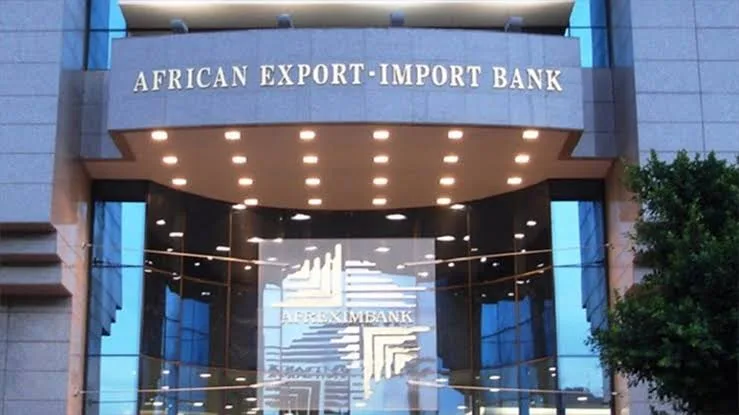
Afreximbank backs Dangote refinery with $1.35 billion in landmark $4 billion deal
The African Export-Import Bank (Afreximbank) has signed a significant $1.35 billion financing agreement with Dangote Industries Limited (DIL), Africa’s largest industrial group. The bank disclosed this on Sunday, revealing that this funding is part of a much bigger $4 billion syndicated arrangement put together by several leading banks. Afreximbank served as the main arranger in this deal, which is one of the largest syndicated loans seen in recent times across Africa’s financial sector. Most of the funds will help refinance money already invested in building the Dangote Petroleum Refinery and Petrochemicals Complex, based just outside Lagos. The site is the world’s biggest single-train refinery, able to process 650,000 barrels of oil every day. This financing will help Dangote Industries manage its running costs and improve its financial foundation. It also keeps the business on track to grow and expand its influence in Africa’s energy sector. According to Afreximbank, this is the largest single contribution from any bank in the loan deal. The bank said its involvement shows a strong commitment to backing major infrastructure projects that can drive Africa’s growth, boost energy security, and support inter-African trade. Speaking on the development, Professor Benedict Oramah, President and Chairman of the Board at Afreximbank, said: “With this landmark deal, we once again demonstrate that Africa’s development can only be meaningfully financed from within. It is only when African institutions lead the way that others can follow… Our energy security is in sight.” Aliko Dangote, founder and CEO of Dangote Industries, added: “Afreximbank’s contribution to this milestone financing underscores our shared vision to industrialize Africa from within. This refinancing strengthens our balance sheet and accelerates the refinery’s supply of high-quality refined petroleum products across Africa.” The deal attracted wide interest from both African and global banks. Since the refinery started operations in February 2024, Afreximbank has been a major partner, offering support for both crude supply and product sales to ensure smooth and steady operations.This new financing is expected to help Dangote Refinery speed up fuel production for Nigeria and the rest of Africa, making the region less dependent on fuel imports.
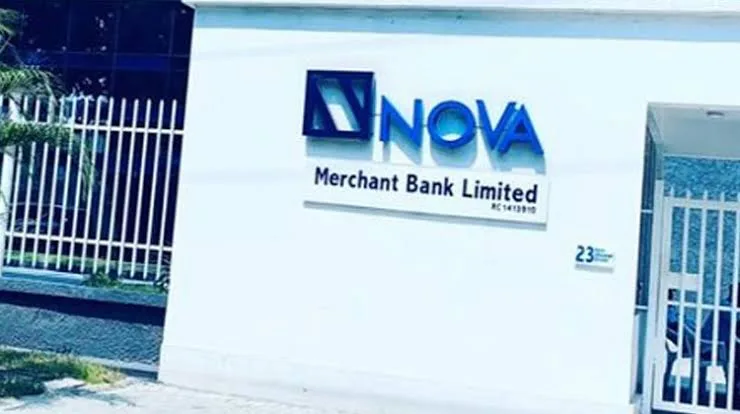
NOVA Bank plans to shift operating license from national to regional
NOVA Bank has announced plans to change its operating license from a National Commercial Bank to a Regional Commercial Bank. The bank’s management says this strategic move is aimed at improving operational efficiency and focusing more on key regional markets. They believe this shift will help them better manage resources, serve customers effectively, and grow sustainably. Acting Managing Director, Mrs. Chinwe Iloghalu, explained that after reviewing the Central Bank of Nigeria’s recapitalisation directive in March 2024, the bank chose this route to optimize capital and ensure steady growth. She added that the bank’s shareholders are committed to injecting an additional ₦24 billion through a rights issue by the end of 2025. This will help NOVA exceed the capital requirements for regional banks well before the 2026 deadline. The bank also stated that its financial health remains strong, with solid capital buffers and growing profits. Recently, Global Credit Rating reaffirmed NOVA Bank’s BBB rating with a stable outlook, citing good liquidity and asset quality. Despite the license change, NOVA Bank plans to open three new branches soon in Owerri, Port Harcourt, and Abuja. It is also investing in digital banking to ensure customers get fast and secure services across all channels. Chairman Mr. Phillips Oduoza said this is a deliberate step towards sustainable growth. He added that the bank plans to eventually return to national status within the next three years. The change reflects ongoing adjustments in Nigeria’s banking sector, with the Central Bank requiring banks to meet higher capital thresholds based on their license type.

PalmPay and FG team up to train 1 million Nigerian youths on data protection
PalmPay, one of Nigeria’s top fintech platforms, is planning to build a new generation of tech-smart youths, teaming up with the Federal Ministry of Youth Development to start the Youth Data Protection Awareness and Training (YDPAT) Programme. Teaching Nigerian youths how to keep their data safe online, the goal of this partnership is to train over one million young Nigerians on digital safety and data protection within three years. The official launch took place last week at the Shehu Musa Yar’ Adua Centre in Abuja. The program is set to give young people practical knowledge and skills to stay safe while using technology. With youths making up more than 70% of Nigeria’s population, experts say this move could go a long way to protect users and grow trust in the digital economy. At the event, Minister of Youth Development, Comrade Ayodele Olawande, praised PalmPay’s role in making the training possible. He called the programme “a bold step toward building a digitally literate and security-conscious generation.” He also pointed out that few Nigerians know about the country’s Data Protection Act of 2023 and noted a lack of certified Data Protection Officers, even though there are more than 500,000 data controllers in Nigeria. PalmPay’s Managing Director, Chika Nwosu, spoke about the importance of privacy in today’s tech world. He stated, “For us, data protection is as essential as innovation”. He assured the public that PalmPay builds privacy protections into all its products so users’ information stays secure. PalmPay is also adding mentorships and internships for the top students in the program. The fintech made waves recently by appearing in global rankings and has already rolled out other youth-focused projects, like the Purple Woman campaign and special initiatives to support women and youths in both rural and urban centres. More awareness drives will start soon, especially in Northern Nigeria, as PalmPay aims to spread digital literacy across the country. In the digital era, knowing how to protect personal data is critical, especially for young people who use fintech and online services every day. PalmPay and the government are giving Nigerian youths both the tools and the chance to shape a safer digital future, with this partnership.
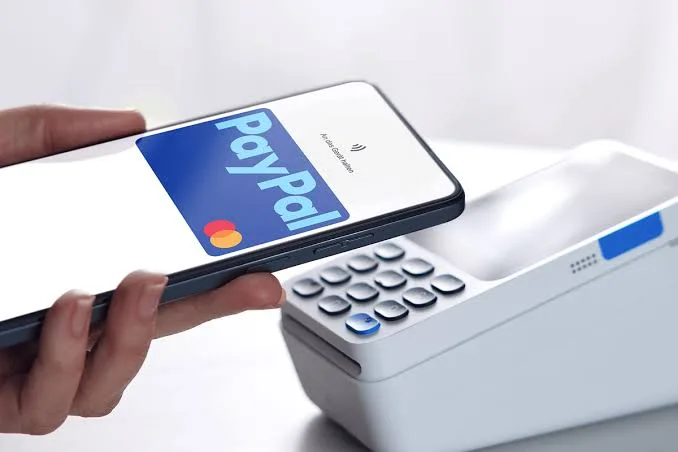
PayPal to let businesses accept over 100 cryptocurrencies at checkout
PayPal is taking a big step forward in the crypto world, announcing it will soon allow businesses to accept more than 100 cryptocurrencies when customers pay online. The new “Pay with Crypto” feature, set to launch in the next few weeks, lets buyers use digital assets like Bitcoin, Ethereum, Tether (USDT), and Circle’s USDC at checkout. Payments can be made from popular wallets, including Coinbase, OKX, Phantom, MetaMask, and Exodus. When a customer pays with crypto, PayPal will quickly convert the digital coins into cash or PayPal’s own PYUSD stablecoin for the seller. This new development is aimed at giving small businesses better access to a massive global crypto user base. Frank Keller, PayPal’s new general manager of enterprise and merchant platform, explained, “You have globally 650 million users that participate in the $3 trillion market of cryptocurrencies. We wanted to give small businesses access to this customer base that is growing.” With the high cost and slow process of traditional cross-border payments—often costing businesses over 10% in fees—PayPal’s system is offering near-instant settlement and a much lower 0.99% transaction fee. Businesses can also choose to keep their earnings in PYUSD, earning around 4% interest, making the option even more attractive. Keller added, “It’s still nascent, but it’s surprising how quickly it’s picking up. When PayPal turns it on, it creates trust.” PayPal says it wants to embed digital assets deep into its payment system and play a bigger role in mainstream adoption. “We want to show that we’re long-term invested in the crypto space. We want to play a bigger role, and for that to be successful, we need to really scale it to the next level,” Keller said. Crypto payments are quickly gaining ground worldwide. Businesses are waking up to benefits like lower fees, faster settlements, and access to global customers. While some companies already use processors such as BitPay and Coinbase Commerce, PayPal’s new feature could push crypto payments into the mainstream, especially for small and medium businesses.
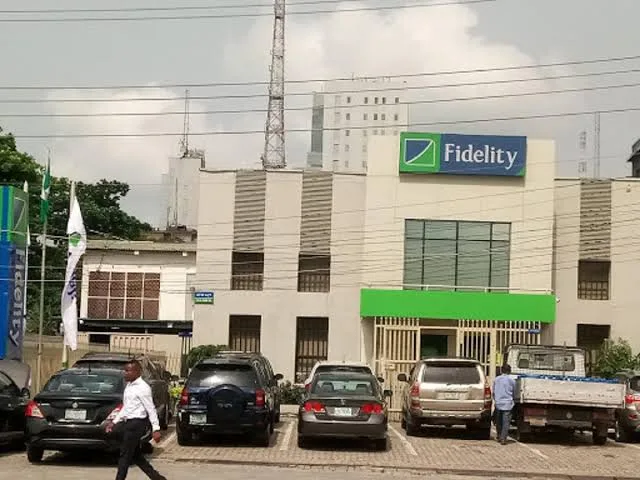
Fidelity Bank launches digital tools to power 100 Nigerian SMEs
Fidelity Bank has kicked off a new program to help small and medium enterprises (SMEs) in Nigeria grow with modern business management systems. At the Fidelity SME Empowerment Program 2025, held on July 23 in Gbagada, Lagos, the bank unveiled its plan to support 100 standout SMEs with free digital point-of-sale (POS) systems and business management software. The goal is to help Nigerian entrepreneurs organize their businesses, boost efficiency, and compete better in today’s digital market. The event drew many business owners eager to upgrade from manual to digital processes. Each beneficiary will get a desktop POS, ERPRev business software, a receipt printer, a barcode scanner, and onboarding support. The package also includes training on bookkeeping and finance, brand support, and six months of follow-up service, plus instant settlement on transactions. Dr. Nneka Onyeali-Ikpe, Managing Director of Fidelity Bank, said, “At Fidelity Bank, we believe SMEs are not just the backbone of our economy, they are the architects of innovation, resilience, and inclusive growth.” She explained the program aims to give business owners the skills and tools needed to thrive in a tough economy. Mrs. Adaonah Kene-Uyawune, CEO of Manmark (the bank’s tech partner), called the move a “game changer,” emphasizing that the new tools make tracking sales, inventory, and staff much easier. “These tools are not handouts, they are instruments for long-term business success,” she said. Data from the Nigerian Bureau of Statistics shows SMEs make up 96% of Nigerian businesses, employ over 80% of workers, and deliver about half of the country’s GDP. But many still struggle with paper records and manual accounting, slowing their growth and making it hard to get loans or investments. Fidelity Bank, which serves over 9.1 million customers and operates across Nigeria and the UK, hopes this digital push will help SMEs become more efficient and profitable. Over the next three days, participants will attend training and masterclasses, with networking sessions designed to foster new partnerships and open fresh markets.