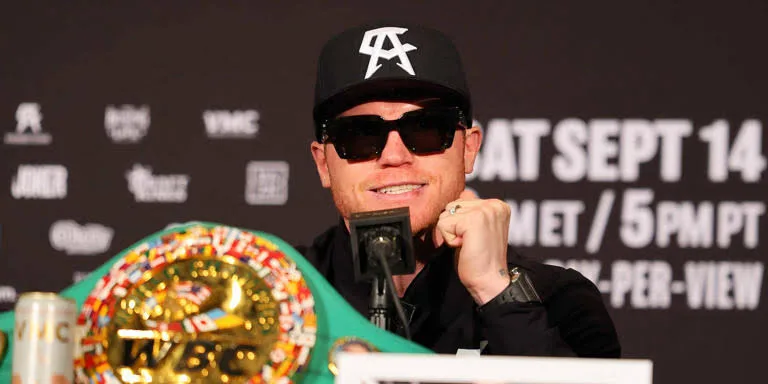
Canelo Álvarez, the famous Mexican boxing champion and 1win global ambassador, has made headlines again, this time for a massive win outside the ring. On July 19, 2025, Alvarez placed a $500,000 bet with 1win on Ukrainian heavyweight Oleksandr Usyk to defeat Daniel Dubois at Wembley Stadium in London. After Usyk delivered a dominant performance and won by knockout in the fifth round, Canelo’s decision paid off. He walked away with a $630,000 prize, about N476 million. Canelo made his bet live on air, confidently saying, “Over the past five years, Usyk has beaten the best, including Joshua and Fury. Oleksandr has very strong stamina; he’s very technical and smart. His maturity in sports helps him mobilize under pressure. When I see someone with that kind of focus, I back them. That’s why I placed a big bet on his victory. Oleksandr, you do you.” The fight added another milestone to Usyk’s career. With this win, he kept his WBA, WBC, WBO, IBF, IBO, and The Ring belts, remaining unbeaten with a perfect 24–0 record and 15 knockouts so far. Dubois, meanwhile, struggled to keep up with Usyk’s speed and tactics, leading to an early finish. Alvarez’s victory on 1win comes just months after he became an official brand ambassador for the gaming platform. 1win, founded in 2016, operates across Asia, Africa, and Latin America, offering sports betting, casino games, and even cryptocurrency payment options. Other big names like cricket legend David Warner have also signed on as global ambassadors.
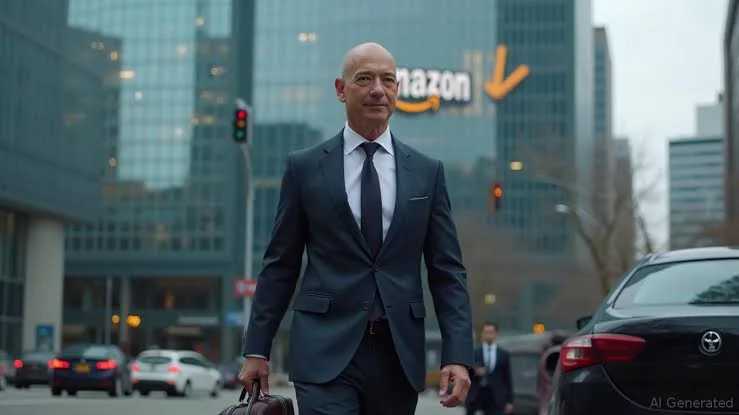
Jeff Bezos cashes in $5.7 billion from Amazon shares
Amazon founder and chairman Jeff Bezos has just wrapped up one of the biggest stock sales of 2025, pocketing nearly $5.7 billion as the e-commerce giant’s shares soar. Bezos began selling his Amazon stock after his wedding in Venice last month. He kicked things off by unloading $737million worth of shares. Now, based on new filings with the U.S. Securities and Exchange Commission, Bezos has completed the spree by selling about 4.2 million more shares, valued at $954 million, within just two days this week. In total, he has sold 25 million Amazon shares this year, all under a pre-arranged 10b5-1 trading plan. This plan is used by top company leaders to sell shares over time without breaking insider trading rules. Amazon’s stock has surged 38% since April’s slump, as investors get excited about the company’s big push into artificial intelligence. The company is set to report earnings next week, with a lot of attention expected on its progress in AI. Despite selling a large chunk, Bezos is still Amazon’s single biggest shareholder. He holds around 884million shares, over 8% of the company, keeping most of his $252.3 billion fortune locked into Amazon. He continues to rank as the world’s third-richest person, according to the Bloomberg Billionaires Index. This isn’t Bezos’s first big cash-out. In 2024, he sold 75 million shares for $13.6 billion, with much of that money backing his other projects like Blue Origin, his space company. He has also donated about $190million worth of Amazon shares to charity just this year. Other tech leaders have also sold shares recently, but none come close to Bezos’s big payday. Oracle’s CEO Safra Catz, for example, sold $2.5billion in shares so far this year, while Dell Technologies founder Michael Dell sold a $1.2billion stake. Earlier in May, Bezos announced he planned to gradually sell up to 25million Amazon shares by May 2026. This strategy helps him avoid shaking up the market while funding his ventures and philanthropy.
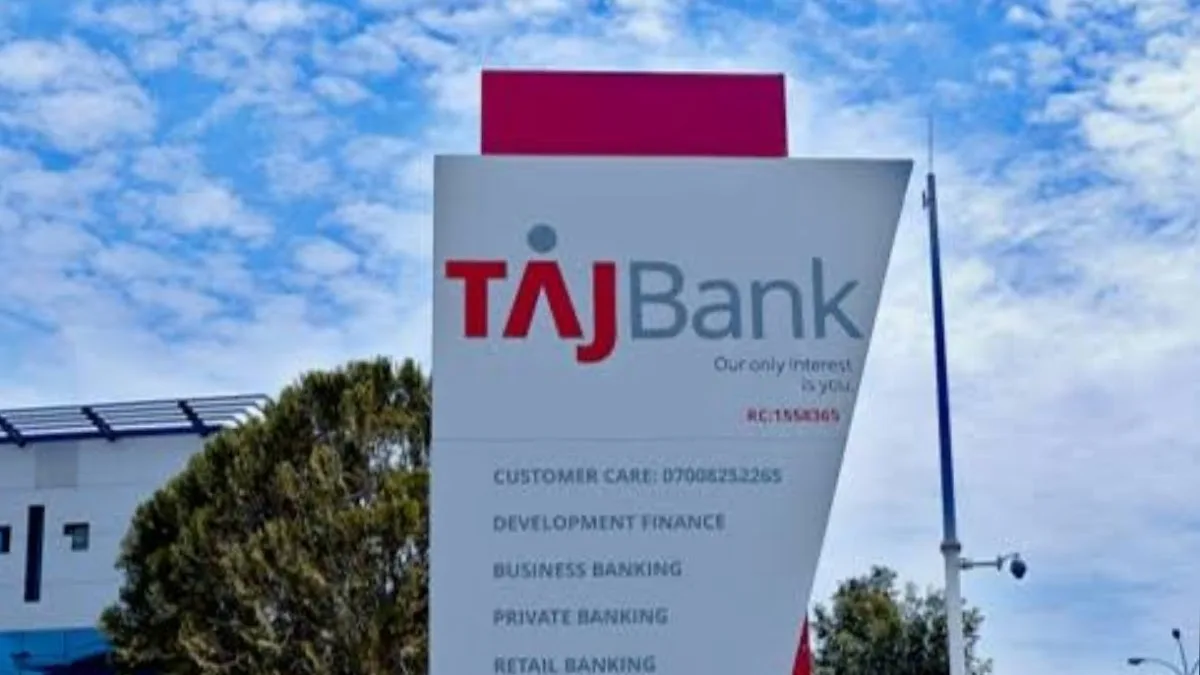
TAJ Bank withdraws legal battle over N957 million system glitch amid ongoing fraud concerns
TAJ Bank has suffered another system glitch that resulted in an unauthorized transfer of over N957 million to accounts in 26 different banks and fintech platforms earlier this year. This incident happened in March 2025, nearly a year after a similar glitch moved about N139.6 million from the bank’s system. TAJ Bank initially took legal action at the Federal High Court in Abuja, seeking orders to freeze these accounts and reverse the transfers. The bank claimed the money was illegally debited following the server glitch and asked the court to stop further withdrawals and ensure the funds were returned under Central Bank of Nigeria (CBN) regulations. The bank argued that without these legal protections, it would face serious financial losses caused by customers of the other institutions taking advantage of the flaw. However, the court declined the bank’s request for an interim freezing order in June 2025, stating the involved banks and fintechs deserved to be fully notified. When the case resumed in July, TAJ Bank unexpectedly withdrew the suit and the matter was struck out by Justice Muhammad Umar, with no public explanation for the withdrawal. This latest issue follows a 2024 ruling where an interim freezing order was granted against some fintech entities holding funds stemming from a previous glitch at TAJ Bank. That order required the reversal of N139.6 million until the dispute was resolved. System glitches like this create complex legal challenges for banks and also stress the importance of robust security and better cooperation among financial institutions to protect customers’ funds. Fraud losses in Nigerian banks have sharply increased, with N52.26 billion lost in 2024 alone, mostly through electronic channels. Dr. Tope Fasoranti, an economist and digital transformation consultant, emphasizes the need for safer banking practices, stronger cybersecurity, and joint efforts from all stakeholders to prevent fraud and maintain trust in Nigeria’s digital financial system. The withdrawal of TAJ Bank’s reversal suit leaves questions about the future handling of the N957 million glitch and the protection of affected customers’ assets.
Islamic development bank sets sights on Nigeria’s power sector With $2 billion investment
The Islamic Development Bank (IDB) is stepping up efforts to help Nigeria fix electricity problems, committing an active $2 billion portfolio to boost the nation’s power infrastructure. Nigeria’s Minister of Power, Adebayo Adelabu, met with top IDB leaders this week to discuss new ways of tackling Nigeria’s inconsistent energy supply. The meeting, held in Abuja, signals a shift from small, one-off projects to a bigger, program-based approach designed to match Nigeria’s vision for electricity reform. Mr. Alagi Gaye, a senior official from IDB, explained, “Unlike before, the bank now prefers programme-based interventions aligned with Nigeria’s policies.” The bank’s current projects in Nigeria include improvements in energy, transport, agriculture, and education. But with the new engagement framework, the focus is now more on the power sector, an area critical to daily life and economic growth. Minister Adelabu thanked the IDB for its support and highlighted the government’s plans: “Our goal is stable, affordable electricity for all Nigerians. We’re creating frameworks to attract private capital and modernize our grid.” Nigeria’s new Electricity Act (2023) is at the center of these efforts, aiming to open up the sector for more private investment and stronger regulation. Major power projects are already underway, including, the $2.3 billion Presidential Power Initiative (PPI) with Siemens Energy. This project has seen the delivery of 10 power transformers and 10 mobile substations, which are already improving grid reliability. The proposed ‘Super Grid’ project to make the system more robust, supported by the World Bank and African Development Bank (AfDB). But problems remain, especially in distributing power. Despite partial privatization, the government still owns 40% of Nigeria’s electricity distribution companies (DisCos) and wants to work with new partners to boost their performance. A big challenge is metering. Out of over 13 million registered electricity users, only 6 million have meters. To address this, the government has started the Presidential Metering Initiative, aiming to bring in 2 million new meters each year for the next five years. Adelabu also announced the “Mission 300” programme, which focuses on getting power to rural areas through solar mini-grids and home systems. “Our renewables drive is born from necessity, not emissions targets,” he said, emphasizing Nigeria’s need to expand access rather than just reduce carbon emissions. The IDB will review new project studies to find ways to speed up Nigeria’s journey to reliable, affordable electricity for everyone.
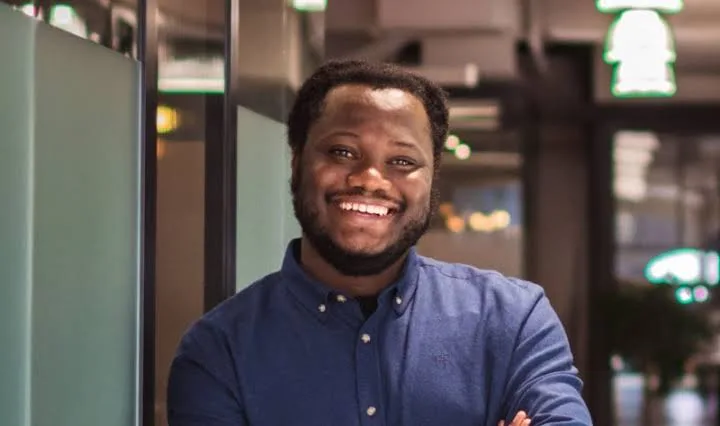
Open banking set to surpass card payments in Africa, says Mono CEO
Mono’s Abdulhamid Hassan believes open banking will soon outrun traditional card payments in Africa, as Nigeria prepares for a landmark shift in its digital finance landscape. Mono, founded by Hassan in 2020 after his departure from Paystack, has grown quickly. The fintech has processed more than 150 billion transactions for over 7 million users, now serving customers in Kenya and Ghana too. But Hassan says it’s not just about growth, it’s about building something that lasts. Open banking is about letting people and businesses securely share their financial data, if they choose to, with trusted apps and platforms. This makes loans, payments, and other services faster and easier. Before the Central Bank of Nigeria (CBN) officially endorsed open banking, Mono was already connecting banks and businesses through its platform. “Data isn’t just about payments. It’s what will drive the next generation of fintech in Africa,” Hassan said during an interview. CBN plans to officially launch open banking guidelines in August. That’s a huge step, not just for Mono but for the whole ecosystem. According to Hassan, banks in Nigeria have been more open to data sharing than many fintechs. Mono’s platform only shares data with customer permission, a key point CBN’s new rules will reinforce. Hassan said Nigerian banks are leading the way. “Open banking will now make it mandatory for every financial institution to open up their system. That’s exciting,” Hassan explained. The new rules will also create a registry of licensed data providers, making sure only trusted organizations can handle sensitive information. For banks and fintechs worried about security, Hassan said the new regulations address these issues. “There is now a guideline on how to do this properly,” he said. Mono isn’t just sticking to APIs or behind-the-scenes banking tools. With its new Owo API, the company wants to help people send money directly over messaging apps like WhatsApp, no need to leave chats or open banking apps. “We’re using our APIs to build new experiences. When people see how easy it is, they’ll know Mono is powering it. The open banking market will be bigger than card payments in Africa because it covers everything, data, payments, identity” – Hassan said. Notably, Mono is almost profitable, with operations now funded by its revenue. The 40-strong team operates both remotely and from an office once a week. Hassan sees Nigeria as the best environment for fintech in Africa, owing to population, regulatory openness, and the maturity of local banks.
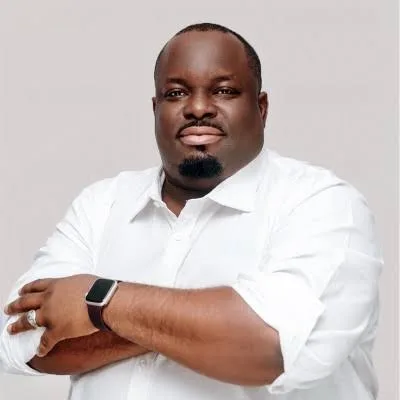
Nigerian fintechs thrive despite global funding challenges, says FintechNGR president
At a recent press conference in Lagos, Dr. Stanley Jacob, President of the Fintech Association of Nigeria (FintechNGR), revealed that Nigerian fintech companies continue to perform well despite a global slump in startup funding. Dr. Jacob explained that while worldwide venture capital funding has slowed down, Nigerian fintech investors remain active but have shifted focus. Instead of funding many early-stage startups, they are now backing growth-stage fintech companies with more mature business models. This shift indicates greater confidence in already established fintechs showing promising progress. He stated the rise of Nigerian-backed fintech firms such as Zest by Stanbic IBTC, Quad by GTBank, and Hydrogen by Access Bank. These companies are growing strongly without the need for foreign venture capital support. Dr. Jacob also noted that many local angel investors and high-net-worth individuals are quietly funding startups, even though they usually operate outside of traditional venture capital. Supporting this positive outlook is an ongoing regulatory reform by Nigeria’s Securities and Exchange Commission (SEC), which aims to make it easier for fintechs to list on the stock exchange. This is expected to encourage greater investment transparency and participation from domestic investors in the near future. The Fintech Association’s upcoming Nigeria Fintech Week 2025 promises to be the largest ever. Scheduled for October 7-9, the event will bring together CEOs and leaders across many sectors, including oil and gas, aviation, education, entertainment, agriculture, and FMCG, to discuss how fintech can improve efficiency in every part of the economy. Dr. Jameelah Sharrief-Ayedun, Vice President of FintechNGR and Chair of the NFW Committee, emphasized this year’s plan to hold events simultaneously in Lagos, Abuja, Delta, and Enugu. This expanded footprint aims to make fintech accessible beyond the usual hubs, inviting participation from all regions and industries. The Nigeria Fintech Week 2025 will be a key platform to watch for fresh ideas and partnerships shaping the nation’s digital tomorrow.