
The Securities and Exchange Commission (SEC) of Nigeria has issued a public warning to Nigerians to desist from investing in AfriQuantumX, an online platform claiming to trade cryptocurrency and stocks, due to its unregistered status and features resembling a fraudulent Ponzi scheme. In a statement released on October 7, 2025, the SEC clarified that AfriQuantumX is not registered to operate in Nigeria’s capital market or solicit investments from the public. “Investigations have revealed that AfriQuantumX has been actively promoted on social media platforms and online forums. Furthermore, its operations exhibit characteristics commonly associated with fraudulent Ponzi schemes,” the regulatory body said. The SEC cautioned that any individuals investing or engaging with AfriQuantumX do so at their own risk, warning of potential financial loss. This warning continues a trend by the SEC to protect Nigerian investors from unregulated online investment schemes. Earlier in 2025, the commission flagged several similar platforms, including Risevest, Pro-vest, PWAN MAX, and Silverkuun Investment Cooperative Society, all of which lacked proper registration and showed signs of fraud or risky operations. According to the SEC, dealing with unregistered entities exposes investors to risks such as fraud and the total loss of funds without legal recourse. The SEC urged Nigerians to always verify the registration status of any company offering investment opportunities by consulting its official portal at www.sec.gov.ng/cmos before investing. This verification procedure is crucial amid the growing popularity of online investment platforms in Nigeria, where many unregulated operators exploit the populace’s appetite for cryptocurrencies and easy returns. For Nigeria’s growing tech-savvy investor population, the AfriQuantumX warning underscores the importance of regulatory oversight in fostering a secure digital investment environment. With increasing fintech adoption and digital asset interest across Africa, safeguarding investment integrity is essential to maintaining investor confidence and supporting sustainable market growth. The SEC’s intervention serves as a timely reminder that the allure of highreturns from unregulated platforms often masks underlying risks. Nigerian investors are advised to exercise due diligence and prioritize platforms endorsed and supervised by regulatory authorities. As digital investment trends evolve, regulators and market participants will continue to grapple with emerging threats, highlighting the need for enhanced public education and technology-enabled oversight to protect Nigeria’s vibrant investment ecosystem. The SEC’s warning on AfriQuantumX marks another step in its commitment to shielding investors from fraudulent schemes in Nigeria’s capital market.

Nigeria names four startup leaders to National Innovation Council to accelerate Startup Act Implementation
In a significant step toward operationalizing the Nigeria Startup Act, the National Information Technology Development Agency (NITDA) has appointed four prominent startup ecosystem leaders to the National Council for Digital Innovation and Entrepreneurship (NCDIE). The appointments, announced on October 5, 2025, aim to ensure that founders and innovators have a direct voice in shaping Nigeria’s startup policies and digital innovation landscape. The named representatives are Iyinoluwa Aboyeji, co-founder of Andela and Flutterwave and founding partner at Future Africa; Victoria Ojoagefu Manya, executive director of Advocacy for Policy and Innovation; Charles Uchenna Emembolu, founder of TechQuest; and Abba Ibrahim Gamawa, founder of Go Agent Limited. They were elected through the Startup Consultative Forum (SCF) and will serve two-year terms on the council, charged with contributing to policy formulation and monitoring the implementation of the Startup Act’s objectives. The Nigeria Startup Act, signed into law in October 2022, provides a legal and institutional framework to drive the growth of tech startups, promote investment, reduce regulatory burdens, and foster capacity building and innovation. The formation of the NCDIE and inclusion of startup leaders on the council mark critical milestones in bringing Nigeria’s fast-growing tech ecosystem into policy and regulatory alignment. According to NITDA, the council’s work will help guarantee that innovation efforts translate into meaningful social and economic impacts nationwide. “The four representatives will ensure that ecosystem voices are heard directly in national policymaking,” NITDA said. “This progress underlines the agency’s commitment to enhanced collaboration among government, private sector, academia, and stakeholders to build a brighter digital future.” The appointments come as the Office for Nigerian Digital Innovation (ONDI), under NITDA, reports progress on startup labelling – with 75 startups registered on the government portal – and the establishment of a $40 million Startup Investment Seed Fund to bridge funding gaps. The fund has secured $20 million from the Japan International Cooperation Agency (JICA), with the Nigeria Sovereign Investment Authority expected to match the remaining amount.
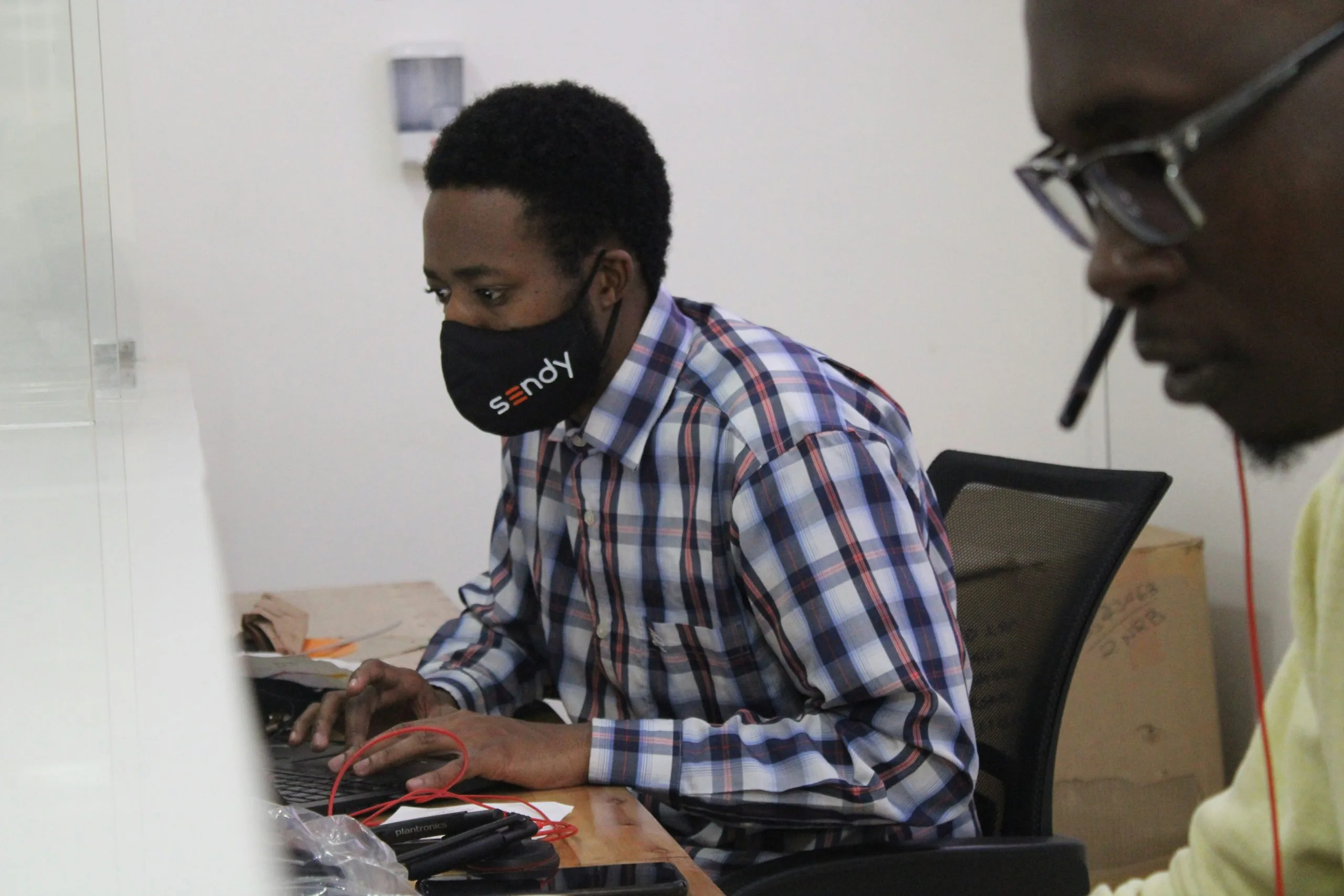
Nigeria to tax remote workers’ foreign income at up to 23% starting 2026
Beginning January 2026, Nigeria will require remote workers and freelancers earning from foreign companies to pay personal income tax on these earnings, with rates reaching up to 23%. This move forms part of the government’s efforts to widen the tax net, increase revenue, and align tax policy with the rapidly growing digital economy. In June 2025, President Bola Tinubu signed landmark tax reforms into law that explicitly include remote workers and freelancers in Nigeria’s tax system. The reforms stipulate that residents of Nigeria must declare and pay taxes on income earned regardless of whether the money is brought into the country, effectively taxing global income for tax residents. Remote workers earning foreign income will be subject to a progressive tax regime, with annual taxable income rates reaching a maximum of 25%, while many freelancers can expect to pay around 23% after allowable deductions. Freelancers and remote employees working for foreign clients must self-assess and file annual tax returns since foreign employers typically do not withhold Nigerian taxes on their behalf. Failure to comply with tax registration and filing requirements will incur increasing fines, starting at ₦50,000 ($33.59) for failure to register and ₦100,000 ($67.19) for failure to file in the first month, escalating with continued non-compliance. False declarations may lead to fines up to ₦1 million or three years imprisonment.

Nigerian government agencies fall short on privacy law compliance despite presidential orders
Months after President Bola Tinubu directed all ministries and government bodies to adhere to Nigeria’s Data Protection Act 2023, several key agencies, including INEC, remain without mandatory privacy policies or cookie alerts on their websites. Experts warn this oversight undermines citizens’ data protection rights. Recent checks reveal that the Independent National Electoral Commission’s website lacks the essential cookie notification and privacy policy that inform visitors about data handling practices. Similar lapses were identified on other government portals, raising legal and ethical concerns. Privacy and data specialists pointed out that these omissions contravene the enforcement provisions intended to protect individuals’ personal information. According to Barrister Oladipupo Ige, Director of Policy at the Data Privacy Lawyers Association, the Nigeria Data Protection Commission’s guidelines explicitly require all entities controlling or processing data to feature prominent, interactive cookie and privacy notices on the main page of their digital platforms. He emphasized that placing such notices in obscure areas diminishes transparency and user awareness. No system is flawless, but privacy policies and cookie prompts represent the baseline for protection. Agencies should urgently reassess their websites to align with legal standards and cultivate robust data privacy practices nationwide…government bodies must take this seriously to foster a culture of responsible data stewardship – Ige Solomon Okedara, a digital rights expert, reinforced the need for government institutions to treat these disclosures as legal obligations, not mere formalities. The absence of such protocols on official sites, he noted, not only breaks current laws but weakens public trust in how authorities manage sensitive information. He called on regulatory bodies like the NDPC to intensify oversight and enforce compliance among public agencies. Barrister Olalekan Bosede added that under Section 24 of the NDPA 2023, transparency through clear privacy policies and cookie alerts is mandatory for all government-operated online services. He stressed that this responsibility restates the government’s accountability to citizens regarding data processing activities. President Tinubu’s analogy of data as the “new oil” shows its growing value and the urgent need for responsible management. Strengthening enforcement mechanisms and cultivating public confidence will be critical as Nigeria advances in its digital governance agenda.

New Nigerian law requires online insurance companies to get licenses
The Nigerian government has made it clear that online insurance businesses must now be licensed before operating in the country. President Bola Tinubu recently signed the Nigerian Insurance Industry Reform Act (NIIRA) 2025 into law. Among other things, the law requires that any person or company offering insurance services over the internet or electronically must first get a license from the National Insurance Commission (NAICOM). This is to ensure proper regulation and protect consumers from unregulated operations. Section 201 of the Act states clearly: no one can start or run a web-based insurance business without a commission-issued license. NAICOM also has the power to set rules and impose penalties if companies break these rules. The law goes beyond licensing by requiring insurance providers to have strict policies to stop terrorism financing and money laundering. This includes knowing their customers well (KYC), anti-money laundering (AML) procedures, and measures against financing weapons of mass destruction. Penalties for breaking the law are stiff. Individuals caught running unlicensed insurance businesses face fines of up to N25 million. For companies, fines can reach N50 million, and top executives might face prison sentences of up to two years. This law is part of a bigger reform to modernize Nigeria’s insurance sector, make it more secure, and encourage digital business growth, all aimed at boosting Nigeria’s economy towards becoming a $1 trillion market.

NNPC backs out sale of Port Harcourt refinery, reaffirms national commitment
The Nigerian National Petroleum Company Limited (NNPC) has officially announced that it will not sell the Port Harcourt Refinery, promising to complete its rehabilitation and keep the plant under national control. This new position was confirmed by NNPC’s Group Chief Executive Officer, Bayo Ojulari, during a company-wide town hall meeting at NNPC Towers, Abuja, on Tuesday, July 29, 2025. The official statement was widely reported by national dailies including Premium Times, Punch, and Nairametrics. Ojulari clarified that the company’s decision is based on technical and financial reviews of Nigeria’s main refineries. According to Premium Times, Ojulari explained, “The Nigerian National Petroleum Company Limited (NNPC) Ltd has officially ruled out sale of the Port Harcourt Refining Company, reaffirming its commitment to completing high-graded rehabilitation and retention of the plant”. He further stated that “the emerging outlook calls for more advanced technical partnerships to complete and upgrade the rehabilitation of the Port Harcourt refinery. Thus, selling is highly unlikely as it would lead to further value erosion”. Reporting from Nairametrics adds that feedback from NNPC staff after the announcement was positive, as many described the move as “reassuring” and “transformational” for the company’s direction. Recent speculation about a possible sale followed Ojulari’s earlier comments at the 2025 OPEC Seminar, where he said “all options are on the table” for Nigeria’s non-performing refineries. Ojulari clarified at the town hall that the current decision is not a reversal, but instead, “informed by ongoing detailed technical and financial reviews” NNPC says it will continue to prioritize transparency and professional management, with the refinery’s rehabilitation remaining a top priority for Nigeria’s broader energy security and for retaining critical assets under national control. The Port Harcourt Refinery will stay government-owned as NNPC moves forward with its rehabilitation plan, which industry watchers and staff hope will boost local fuel supply and reduce Nigeria’s heavy reliance on imports.