
Meta has announced an update to Instagram’s safety features, by alerting parents when their teenage children repeatedly search for content related to suicide or self-harm. The rollout will commence next week in the United Kingdom, United States, Australia, and Canada, and a plan to expand the policy across the world.This policy was a response to the 2017 case of 14-year-old Molly Russell in the UK, whose death was linked to harmful content viewed on Instagram and Pinterest.Previously, Instagram’s safety measures focused primarily on blocking harmful search terms and providing direct support to the user. Instagram intended to achieve this, by bypassing the privacy of teens to notify parents directly about specific search behaviors, provided they are enrolled in the “Teen Accounts” supervision experience.The platform will send alerts via email, text, WhatsApp, or the Instagram app when it detects a pattern of searches for suicide or self-harm within a short timeframe.Meta plans to extend these alerts to teen interactions with its AI chatbots in months to come.Many believes that the system errs on the side of caution to protect vulnerable users. They maintain that dropping a notification, accompanied by expert resources, empowers parents to intervene before a crisis occurs. While others argue that forced disclosures could damage the trust between parents and children, potentially leaving parents panicked and ill-prepared for sensitive conversations and that these notifications pass the buck to parents rather than addressing the underlying issue.

Alerzo liquidates logistics fleet, over ₦4.38 billion debt dispute with Moniepoint
Alerzo has commenced the liquidation of its delivery fleet, including shuttle buses, delivery vans and dispatch motorcycles, to settle an outstanding ₦4.38 billion debt. The decision was made after a Federal High Court order in Lagos, in early February, froze the assets of the company three weeks ago, over refusal to pay back a ₦5 billion 18 months repayment loan from Moniepoint Microfinance Bank.Alerzo, which was founded as a digital bridge between manufacturers and small retailers, secured $20 million in funding to digitize the retail supply chain in the Southwest. The company invested heavily in an internal logistics network across Lagos, Oyo, and Ogun states, in order to maintain low prices and fast delivery. However, the high costs of vehicle maintenance, fuel, and labor, combined with thin profit margins, strained the cash flow of the company. In January 2025, Alerzo secured a ₦5 billion working capital loan from Moniepoint. By late 2025, the startup failed to meet repayment schedules, prompting legal action from the Moniepoint Microfinance Bank to recover the remaining ₦4.38 billion plus accrued interest.The court-appointed liquidators have been dispatched to evaluate the total value of the physical assets of Alerzo, and the liquidation process will continue through March 2026.
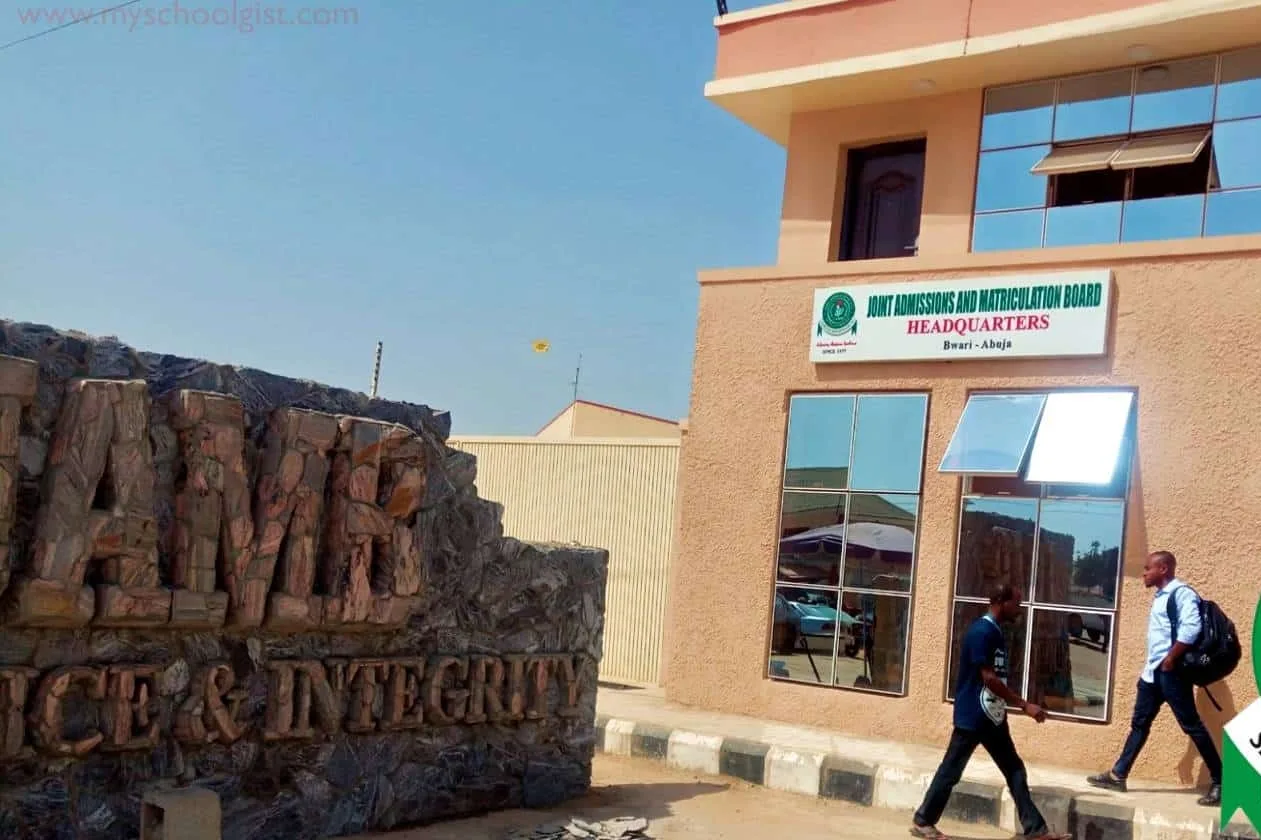
JAMB increases exam centres, warns candidates on fake SMS
The Joint Admissions and Matriculation Board (JAMB) has increased the number of accredited Computer-Based Test (CBT) centres nationwide from fewer than 800 last year to 1,000, as preparations for the 2026 Unified Tertiary Matriculation Examination (UTME) draws near. The update was presented before the Nigerian Senate by Dr Muftau Bello, a director in the office of the Registrar, Professor Ishaq Oloyede. According to JAMB, the expansion is aimed at improving access, easing logistics, and ensuring smoother nationwide coordination of the examination. JAMB explained that the accreditation of CBT centres was finalized after an evaluation process to determine their suitability for conducting the examination. The accreditation team includes chief external examiners such as vice-chancellors, rectors, and provosts, alongside technical advisers, JAMB state coordinators, and other board officials.The board hopes to make candidate placement more flexible and better structured compared to previous years. JAMB spokesperson, Dr Fabian Benjamin, urged candidates to complete their registration before the deadline, stressing that there will be no extension this year. He expressed concern over the low use of available registration capacity across centres nationwide. According to him, JAMB has the capacity to register up to 100,000 candidates daily. However, centres are currently operating at barely 30% of that capacity, meaning many prospective candidates are yet to register. JAMB aims to surpass the 1.95 million candidates recorded in the 2025 examination. As of February 17, the board confirmed the registration of 1.5 million candidates for the 2026 UTME. Things to note JAMB has warned candidates to ignore viral SMS messages from unofficial sources and rely only on verified information from the board.
Interswitch backs Delta State tech growth with smart payment solutions
Integrated payments and digital commerce company, Interswitch, has taken steps to address infrastructure challenges slowing down startup growth in Delta State and other emerging tech regions. The company made its impact felt at the maiden edition of Delta Tech Week 2025, a five-day innovation and entrepreneurship festival held in Asaba from December 1 to 5. The event was organised by the Delta State Government through its Delta State Ministry of Science and Technology. Delta Tech Week brought together startups, developers, investors, academics, corporate organisations, and ecosystem enablers to tackle a pressing question about how emerging regions can build sustainable technology ecosystems outside the major tech hubs in Nigeria? One major obstacle for many early-stage businesses in the South-South region remains access to reliable payment infrastructure. Fragmented systems, integration difficulties, and reconciliation issues often limit their ability to scale beyond local markets. To address these challenges, Interswitch showcased live demonstrations of its API Marketplace and Payment Gateway. The sessions went beyond theory, by offering practical hands-on guidance to help startups integrate payments seamlessly, automate collections, manage merchant services, and simplify reconciliation processes within a secure and scalable system. The company, during the innovation and entrepreneurship festival, demonstrated how startups can unlock more commerce opportunities across Nigeria, by reducing friction at checkout and improving transaction success rates. Speaking at the event, Head of Operations Strategy at Interswitch, Olayinka Oluwadamilare, states the importance of dependable digital infrastructure in driving innovation. He stated that Delta Tech Week exemplified the strength of collaboration among developers, startups, and public institutions. According to him, reliable infrastructure remains the backbone of a thriving digital economy, and Interswitch is committed to supporting Delta State’s growing tech ecosystem with secure and seamless payment solutions. The company actively participated in panel discussions focused on financial inclusion, digital commerce enablement, developer empowerment, and the critical role infrastructure plays in socio-economic development. These conversations explored practical ways to lower entry barriers for entrepreneurs and strengthen innovation capacity in underserved regions. Interswitch also engaged participants during DevFest, the Women in Tech Summit, and other breakout sessions examining the future of software development, payments innovation, and enterprise growth. Representing the company at the event were Adeyinka Adekoya, Vice President, Energy Ecosystem; Blessing Ogbonna James, Head of Digital Payments; Chidi Opara Ndudu, Partner Manager; and Esohe Obaseki, Executive, Growth Marketing. Each shared insights on how improved digital infrastructure can unlock new growth opportunities for businesses in emerging regions.
New CBN rate cut: Here is how it affects your OPay and PiggyVest money
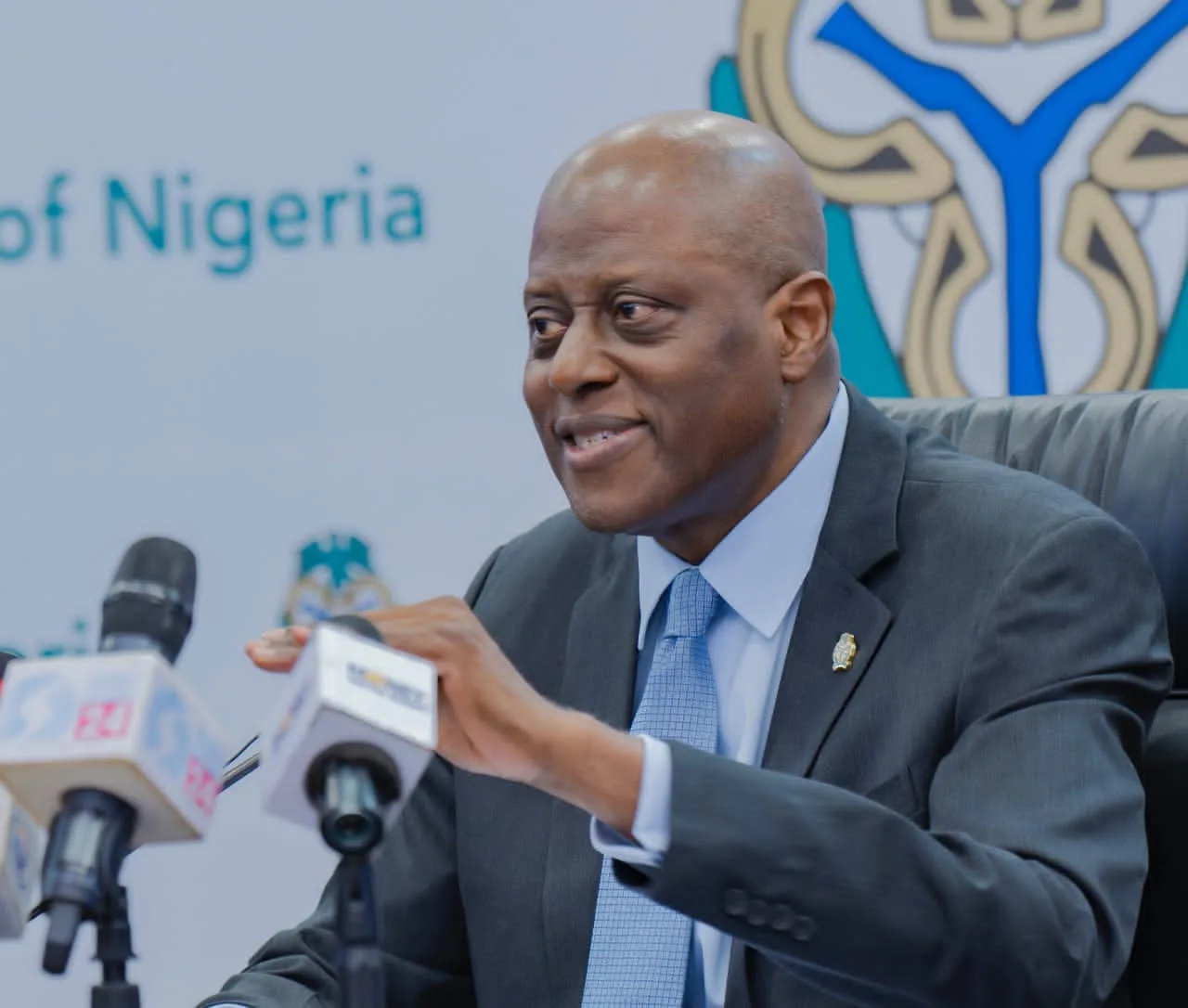
The Central Bank of Nigeria (CBN) has reduced its interest rate from 27% to 26.5%, a 0.5 percentage point cut. While the number appears small, the decision could gradually affect borrowing and savings across the financial system of Nigeria. However, the impact may not be immediate especially for fintech users. What is MPR and why does it matter? The Monetary Policy Rate (MPR) is the rate at which the CBN lends money to commercial banks. When the MPR drops, banks are meant to borrow at lower costs and extend cheaper loans to customers. This is the second consecutive rate cut by the CBN, after a reduction in September 2025 from 27.5% to 27%. In theory, borrowing costs should gradually decrease. In practice, the effect depends on the type of lender. What it means for OPay users OPay does not directly issue loans. Instead, it connects users to lenders such as OKash and EaseMoni, operating under Blue Ridge Microfinance Bank. OKash current charges These are short-term, high-risk microloans. Their pricing is largely determined by borrower risk profiles, loan tenure, and default rates not directly by the MPR. As a result, the 0.5% rate cut is unlikely to reduce OPay-linked loan costs anytime soon. Meanwhile, PiggyVest focuses on savings and investments rather than loans.Its offerings include: Currently, fintech savings platforms offer between 14% and 22% per annum, higher than the average 8% offered by traditional banks. However, as interest rates decline, returns on savings products tied to money market instruments may gradually reduce. If the CBN continues cutting rates, SafeLock and similar returns could edge downwards. While, Cowrywise primarily offers mutual funds and structured savings plans.Current rates include: These returns are linked to money market funds, which are sensitive to CBN rate movements. Yields may gradually decline, as the MPR rate falls.Still, at 26.5%, the benchmark rate remains high, meaning that any reductions in savings returns will likely be gradual rather than sudden. But for now, high-interest microloans are unlikely to become cheaper, savings returns may decline before loan rates do, traditional bank lending rates remain above 30%, with limited immediate change. However, for long-term savers and business loan applicants, the downward trend in interest rates may become more meaningful if the CBN continues cutting.

Spotify reports 163% growth in Nigeria since 2021 launch
Spotify says music streaming in Nigeria has grown at an average rate of 163.5 per cent since the platform launched in the country in February 2021. The company revealed in a statement that it recorded triple-digit year-on-year growth in its early years and has sustained strong momentum through 2025. According to Spotify, the surge has been driven by Afrobeats, which continues to dominate listening patterns. Local streams of Afrobeats have increased by 5,022 per cent between 2021 and 2025. Other genres like Amapiano have also recorded significant growth. Amapiano streams rose by 10,330 per cent within the same period, while Gospel and Praise music grew by 5,499 per cent. Hip-hop and Rap saw a 3,020 per cent increase, and R&B recorded a 2,602 per cent rise. The platform also revealed the growing interest in indigenous-language music. Indigenous-language songs streams increased by 554 per cent in 2024 and by 87 per cent in 2025. Globally, streams of indigenous-language songs rose by 141 per cent in 2024 and 41 per cent in 2025.