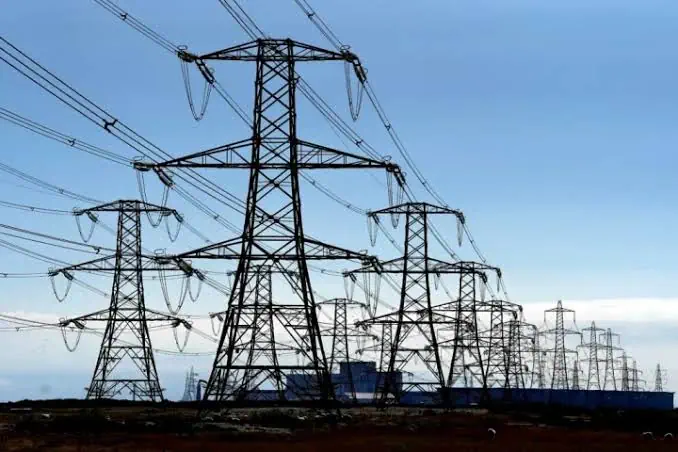
Residents and businesses in Nigeria’s South-South region are grappling with the devastating effects of persistent power outages and exorbitant electricity tariffs, which are crippling livelihoods and forcing many small enterprises to shut down. A survey conducted across Akwa Ibom, Rivers, and Cross River states revealed widespread frustration over unreliable electricity supply. Many residents reported months-long blackouts, while businesses struggle to stay afloat due to high costs of alternative energy sources like generators. Jeremiah Ukpong, a laundry operator in Obio Etoi, Akwa Ibom, spends up to ₦5,000 daily on generator fuel to keep his business running. Despite this, he continues to receive inflated electricity bills from the Port Harcourt Electricity Distribution Company (PHED). Similarly, Theresa Donatus from Uyo lamented paying ₦20,000 monthly for electricity despite receiving less than four hours of power daily. In Rivers State, residents in communities like Elioparanwo and Rumunduru face similar challenges. Chinazor Daniel-Chukwu reported receiving a ₦52,000 bill after enduring 19 days without power. Others, like retired public servant Fyneface Diri, have resorted to costly solar panels after months of blackouts. The erratic power supply is taking a toll on small businesses. Food vendors struggle to preserve meals, mechanics face high operational costs, and families endure sleepless nights due to heat and mosquitoes. “Small businesses are closing down because they can’t sustain operations with these high bills and unreliable power,” said Aniefiok Udonquak, a landlord in Akwa Ibom. Consumers are urging PHED to address issues like estimated billing by providing prepaid meters. Meanwhile, the Manufacturers Association of Nigeria (MAN) criticized frequent tariff hikes as a barrier to economic growth. Despite promises of reform since the privatization of the power sector in 2013, Nigerians continue to endure one of the world’s most unreliable electricity systems. For now, residents and businesses in the South-South region await tangible improvements as they navigate an energy crisis that shows no signs of abating.
South-South residents lament power outages, high tariffs as businesses struggle
Southeast telecom subscribers decry poor service amid tariff hike
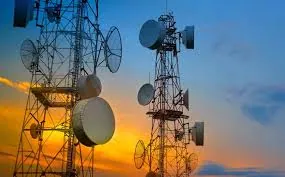
Telecom users in Southeast Nigeria are frustrated as network services remain poor despite a 50% tariff increase approved by the Nigerian Communications Commission (NCC). Subscribers in Anambra, Ebonyi, and Enugu States criticize the hike, calling it an unjust burden on already strained finances. The tariff hike, which affects calls, SMS, and data bundles nationwide, has sparked widespread discontent. Telecom operators argue the increase is necessary to sustain operations, but subscribers see no corresponding improvement in service quality. Chief Dominic Ibe, a businessman in Ebonyi State, described the policy as “anti-people,” highlighting that many Nigerians are grappling with rising costs of fuel and electricity. Human rights activist Bede Onyia added that poor connectivity and frequent call drops have worsened since the price adjustment. In Enugu State, former telecom manager Collins Otegbulu noted that many Nigerians now rely on phone calls instead of travel to save costs but face difficulties due to high tariffs and deteriorating service. “Operators focus more on hiking prices than improving delivery,” he said. Some subscribers are turning to alternatives like WhatsApp calls or switching networks for cheaper plans. Online vendor Favour Okereke shared that she now spends more on data than call credit, while civil servant Janet Odo emphasized that WhatsApp calls are often more reliable than traditional networks. Despite assurances from telecom providers of eventual improvements, frustration persists among users who feel they are not getting value for their money. Many are calling for government intervention to ensure better services accompany higher costs.
Powerbox Energy Systems leads Nigeria’s clean energy revolution with local innovation
Powerbox Energy Systems, a Nigerian clean energy startup, is transforming the renewable energy landscape in Africa. With its innovative technology and commitment to sustainability, Powerbox is setting new standards for affordable and locally-produced energy solutions. Powerbox stands out by designing and manufacturing its critical components entirely in Nigeria. This approach reduces reliance on imports, fosters local innovation, and lowers costs. Its flagship product, the Powerbox Pro, delivers reliable and cost-effective energy solutions tailored to Nigeria’s unique challenges. The company has earned accolades, including being named the Most Innovative African Clean-Energy Company in 2022. It has also secured collaborations with global institutions like Innovate UK and MHUB USA, further enhancing its capacity to deliver localized solutions with global relevance. Affordability is central to Powerbox’s mission. By leveraging Nigeria’s engineering talent and lower labor costs, it provides households and businesses with access to clean energy at competitive prices. Its systems offer consistent power supply, making them ideal for Nigeria’s energy demands. Powerbox is scaling operations to deepen localization efforts and explore advanced energy storage solutions for commercial use. The company actively seeks partnerships with NGOs and investors to expand its impact across Africa.
JAMB registers over 2 million candidates for 2025 UTME, tightens exam security
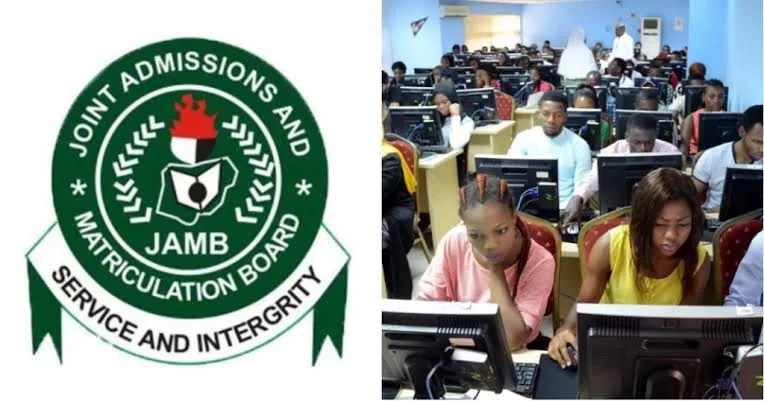
The Joint Admissions and Matriculation Board (JAMB) has officially closed registration for the 2025 Unified Tertiary Matriculation Examination (UTME), with a record 2,030,627 candidates set to sit for the nationwide test scheduled for April 25, 2025. The figure, released in the board’s weekly bulletin on Monday, excludes candidates registered at foreign centers. Registration for the critical university entrance exam began on February 3, 2025, with applicants given a five-week window to complete the process. JAMB confirmed no extensions would be granted beyond the March 8 deadline, urging candidates to focus on preparation for the Computer-Based Test (CBT). A total of 200,115 candidates opted to take the optional mock UTME, a dry run designed to familiarize participants with the exam interface and environment. Of these, 630 candidates will participate in an experimental “trial mock examination” to stress-test new proctoring systems. With registration closed, JAMB has shifted focus to curbing malpractice, deploying advanced monitoring tools to safeguard exam integrity. The board reported multiple arrests during the registration phase, including candidates attempting to secure admission with forged A-level certificates. “Any candidate engaging in impersonation, document forgery, or proxy test-taking will face prosecution,” JAMB warned in its bulletin. The board emphasized that its upgraded surveillance systems now flag suspicious biometric mismatches and irregular registration patterns in real time. JAMB Registrar Prof. Is-haq Oloyede addressed widespread concerns about potential internet failures disrupting the exam, clarifying that the UTME operates on a Local Area Network (LAN) rather than public internet. “The CBT centers function as closed, secure systems with direct server connections,” Oloyede explained. “This eliminates reliance on external internet providers, minimizing technical risks.” NIN Compliance and Data AccuracyThe National Identification Number (NIN) remained mandatory for registration, with JAMB’s systems cross-referencing applicant details against the National Identity Management Commission’s database. Candidates with discrepancies were directed to use the board’s “REQUERY” portal feature for corrections, rather than seeking unauthorized alterations. JAMB reiterated that the UTME remains distinct from school-based assessments like WAEC and NECO, urging parents and schools to avoid conflating the processes. The board also cautioned against third-party interference in registration or result verification, advising candidates to use only official JAMB portals. Registered candidates can now print their exam slips detailing their center assignments and schedules. JAMB advised aspirants to confirm their venues early and report irregularities through designated helplines.

Lagos State pioneers Africa’s first AI-driven feature film, “Makemation,” set for April premiere
Lagos State Governor Babajide Sanwo-Olu unveiled Makemation on Monday, March 10, 2025, marking the continent’s first feature film powered by artificial intelligence. The project, produced by human development expert Toyosi Akerele-Ogunsiji, is slated for theatrical release in Lagos on April 18, 2025, with plans for broader distribution across Nigeria and international markets. A Fusion of Innovation and StorytellingMakemation centers on the journey of a resilient young girl from a low-income Lagos community who harnesses AI to address systemic challenges. Blending drama, humor, and social commentary, the film explores themes like STEM education, gender equality, and financial literacy. One standout subplot follows a group of youths designing AI-powered bras capable of early breast cancer detection—a nod to grassroots innovation. Governor Sanwo-Olu hailed the project as a testament to Lagos’ evolving creative economy during the film’s unveiling in Marina. “This collaboration between government, creatives, and technologists proves what’s possible when talent meets opportunity,” he said. “Our goal is to position Lagos as a global hub for digital storytelling.” Star-Studded Cast and Cultural VisionThe film features Nollywood heavyweights, including Richard Mofe-Damijo, Shaffy Bello, and Ali Nuhu, who also serves as Managing Director of the Nigerian Film Corporation. Nuhu praised the state’s investment in Nollywood, emphasizing the need for media partnerships to amplify the film’s message. Akerele-Ogunsiji, the producer, described Makemation as a “four-quadrant family drama” merging pop culture with cutting-edge tech. “We’re shifting from being tech consumers to creators,” she said. “This story isn’t just entertainment—it’s a call to action for African innovators.” Lagos State’s Commissioner for Tourism, Arts, and Culture, Toke Benson-Awoyinka, highlighted ongoing efforts to bolster the creative sector, including training over 20,000 youths in filmmaking and content creation since 2019 through partnerships with institutions like EbonyLife Academy and Delyork Academy. The state’s collaboration with global tech leaders also came into focus. Olatomiwa Williams, Microsoft Nigeria’s Country Manager, stressed the urgency of equipping young Nigerians with AI skills, while Livespot360 co-founder Oluwadamilare Art Alade underscored AI’s potential to preserve cultural heritage. Beyond its cinematic ambitions, Makemation reflects Lagos’ strategic push to merge technology with economic growth. The state recently announced a N500 million grant for local filmmakers and secured partnerships with Silicon Valley leaders, including tech entrepreneur Ghazi Shami.

FG invests N151.9 billion in electric vehicles to transform North-East transportation
The Federal Executive Council (FEC) has approved N151.9 billion (approximately $100 million) for the deployment of electric buses, tricycles, and charging infrastructure across Nigeria’s North-East region. The initiative, funded by the North East Development Commission (NEDC), aims to curb carbon emissions, enhance energy efficiency, and modernize public transit in the region. The approval, announced by Bayo Onanuga, Special Adviser on Information and Strategy to President Bola Tinubu, follows an October 2024 presidential directive to prioritize electric mobility. Under the plan, 10 electric buses, 10,000 electric tricycles, and 237 electric cars will be supplied to the region, alongside critical charging infrastructure. Bluecrest Integrated Concept Limited secured a N2.9 billion contract to deliver 10 electric 17-seater buses within six months. For tricycles, three firms won bids: Mutual Commitment Company Ltd will supply 4,000 units for N49.6 billion, Shanghai Integrated Infrastructure Development will provide 3,000 units for N37.2 billion, and Sinoma Investment International Ltd will deliver another 3,000. Each nine-passenger e-tricycle includes space for a driver, targeting last-mile connectivity in urban and rural areas. Electric cars are also part of the rollout, with HNCEGC contracted to supply 237 BYD models for N16.3 billion. Charging stations, essential for sustaining the fleet, will be established by KB Laman Motors Nigeria Ltd under an N8.4 billion agreement. This shows Nigeria’s commitment to its climate action plans, including the National Energy Efficiency Action Plan and the Electric Vehicle Policy. President Tinubu, who inspected prototype vehicles and charging systems earlier this year, emphasized the project’s role in reducing fossil fuel dependency. “This is a critical step toward a cleaner, more efficient future for Nigerian transport,” Onanuga stated. The North-East rollout mirrors efforts in Lagos, where electric buses are already operational in the Bus Rapid Transit (BRT) network. Lagos aims for 52% of its BRT fleet to run on clean energy by 2050, with Oando PLC partnering to deploy 5,000 e-buses. Meanwhile, the Lagos Metropolitan Area Transport Authority (LAMATA) plans to add 50 electric vehicles by late 2025. The NEDC’s success in the North-East could accelerate national adoption, but coordinated efforts with power providers and local governments will be vital. Akinwunmi Adeniyi, a clean energy analyst, noted, “The real test lies in maintaining consistent power for charging stations and ensuring affordability for operators. Without addressing these, scalability becomes difficult.” If successful, the program could position Nigeria as a regional leader in electric mobility, attracting foreign investment and technological partnerships. It also aligns with global trends, as nations increasingly transition to low-emission transport to meet climate targets. The Federal Government’s push signals a broader shift: from Lagos’s urban centers to the North-East’s developing regions, electric vehicles are poised to redefine Nigeria’s transportation landscape,one charge at a time.