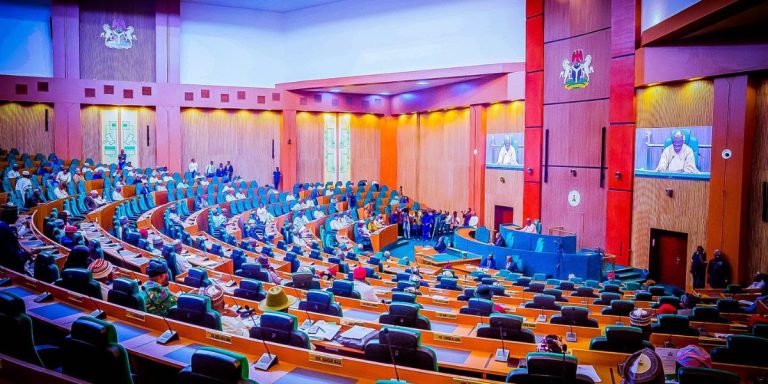
The Nigerian House of Representatives has ordered the Nigerian Communications Commission (NCC) to enforce a nationwide block on all pornography websites, citing concerns over the “destructive psychological and societal impact” of explicit content. The resolution, passed on Tuesday, March 11, 2025, follows a motion introduced by Rep. Dalhatu Tafoki (APC, Katsina), who argued that unrestricted access to such material contradicts Nigeria’s religious values and threatens public morality. During the parliamentary session, Rep. Tafoki emphasized Nigeria’s identity as a “highly religious nation,” where major faiths including Christianity and Islam condemn nudity and obscenity. He warned that unchecked consumption of pornography could lead to increased cases of adultery, prostitution, and addiction, citing warnings from global psychologists and sociologists. “The consequences of cyber pornography are not just moral but deeply psychological,” Tafoki stated. “We must protect our youth and uphold our societal values.” The motion received overwhelming support during a voice vote presided over by Speaker Tajudeen Abbas. Lawmakers further mandated the NCC to impose penalties on telecommunications companies and internet service providers (ISPs) that fail to comply with the directive. Rep. Tafoki referenced countries in Asia, Africa, and the Middle East that have enacted similar bans, though he did not specify which nations. The move aligns with growing global debates about regulating online content, balancing freedom of expression with cultural and ethical norms. However, digital rights advocates have historically criticized such measures as potential overreach, arguing that blanket bans could stifle internet freedom and prove technically difficult to enforce. The NCC has yet to issue a formal response to the lawmakers’ directive. If implemented, Nigeria would join a small group of countries attempting to legally restrict access to adult content. Public opinion remains divided, with some social media users applauding the decision as “long overdue,” while others question its feasibility and the government’s prioritization of moral issues amid ongoing economic and security challenges. The House has called for collaboration between the NCC, law enforcement agencies, and civil society groups to ensure compliance. Penalties for non-compliant service providers could include fines or license suspensions, though specific details remain unspecified.

Indonesian TikToker sentenced to nearly three years in prison for Jesus hair comment
A court in Medan, Sumatra, has sentenced 23-year-old TikToker Ratu Thalisa to two years and ten months in prison for blasphemy after she jokingly told an image of Jesus Christ to “get a haircut” during a livestream. The ruling, delivered on Monday, March 11, 2025, sparked condemnation from human rights groups, who called it a severe infringement on freedom of expression. The case stemmed from a livestream in which Thalisa engaged with followers about her hairstyle. After a viewer suggested she cut her hair to “look more like a man,” she humorously directed the comment at a digital depiction of Jesus, whose iconic long hair is widely recognized in religious imagery. The exchange, which Thalisa later claimed was lighthearted, drew immediate backlash from Christian groups in Indonesia, prompting them to file formal complaints under the country’s strict blasphemy laws. Presiding Judge Wahyu Prasetyo stated that Thalisa’s remarks violated Article 156a of Indonesia’s Criminal Code, which prohibits religious defamation, and the Electronic Information and Transactions (EIT) Law. The court argued her comments risked “disrupting public order and religious harmony” in the Muslim-majority nation, where 87% of the population practices Islam. Prosecutors had initially sought a harsher sentence of over four years, citing the “viral nature” of the video. Amnesty International Indonesia swiftly condemned the verdict, calling it a “shocking attack on free speech.” Usman Hamid, the organization’s executive director, emphasized that while Indonesia should curb hate speech inciting violence, Thalisa’s comment did not meet that threshold. “Authorities are weaponizing the EIT Law to punish benign social media activity,” Hamid said, urging lawmakers to revise the legislation and demanding Thalisa’s immediate release. The case highlights Indonesia’s contentious use of blasphemy laws, which have led to over 120 convictions since 2018. While most cases involve religious minorities accused of insulting Islam, this ruling marks a rare instance of a Christian-led complaint resulting in prosecution. Legal experts note the verdict shows the subjective application of these laws, which critics argue stifle dissent and disproportionately target women and youth in digital spaces. Thalisa, who has been in custody since her arrest in January 2025, has seven days to appeal the sentence. Her legal team plans to challenge the court’s interpretation of blasphemy, asserting her comment lacked malicious intent. “This sets a dangerous precedent,” said defense attorney Luhut Sirait. “Every casual remark online could now be criminalized.” For now, Thalisa’s fate rests on the appeals process, leaving the Indonesian judiciary to decide whether to uphold her nearly three-year sentence for blasphemy. The case has drawn global attention, with human rights groups warning of potential implications for democratic freedoms, while others argue the ruling reflects the country’s commitment to maintaining religious harmony.

Bolt Nigeria clarifies air conditioning policy amid driver cost-cutting trends
Leading ride-hailing platform Bolt has reaffirmed that drivers across all ride categories, including its Economy class, are required to use air conditioning (AC) during trips unless passengers explicitly request otherwise. This clarification comes after inconsistencies emerged between Bolt’s official policy and guidance provided by its in-app support team, sparking confusion among riders and drivers. Bolt Nigeria’s General Manager, Osi Oguah, emphasized that the company mandates AC usage for all rides, regardless of tier. “Bolt maintains a standard policy requiring all drivers across all ride categories to use air conditioning during trips unless a rider specifically requests otherwise,” Oguah stated. However, a recent exchange between a user and Bolt’s in-app support team suggested otherwise. When asked if AC was compulsory for Economy rides, Bolt Support replied: “Air conditioning is not guaranteed on economy rides as these rides are designed to be more budget-friendly with basic services”. This conflicting messaging highlights operational ambiguities as drivers grapple with rising fuel costs and razor-thin profit margins. The clarification arrives amid a growing trend of drivers across platforms like Bolt and inDrive disabling AC to reduce operational expenses. With fuel prices surging and ride fares shrinking, drivers argue that maintaining AC is financially unsustainable for low-cost trips. “If it’s on Bolt or Uber, I’ll use AC because their prices are higher. But on inDrive, the fares are too low, I can’t afford AC at those rates,” explained Sulaimon, a driver who operates across multiple platforms. Data shows stark fare differences: a N9,900 Bolt ride might drop to N7,100 on inDrive’s economy tier, forcing drivers to choose between comfort and profitability. While riders increasingly accept non-AC rides as a trade-off for affordability, companies maintain that this violates service agreements. inDrive’s Nigeria Country Representative, Timothy Oladimeji, acknowledged economic pressures but stressed: “Deviation from service standards remains a breach, regardless of circumstances”. Regional Variations and “Comfort Fees”In cities like Calabar and Uyo, the AC debate has spawned informal solutions. Drivers now frequently charge a “comfort fee” of N500–N1,000 to activate cooling systems—a practice neither endorsed nor penalized by platforms. This localized adaptation underscores the tension between corporate policies and on-ground economic realities. Despite Bolt’s reiterated policy, enforcement appears inconsistent. Drivers report minimal consequences for disabling AC, suggesting platforms tacitly permit the practice to retain workforce participation. “The companies need us as much as we need them,” another driver noted anonymously. “If they enforce AC strictly, many drivers will quit”. Bolt’s Oguah maintained that the company continues to “innovate for passenger comfort,” hinting at potential features like CNG-powered vehicle indicators to promote sustainable, cost-effective alternatives. However, no timeline was provided for such updates. Broader Implications for Ride-HailingThe AC debate reflects deeper structural challenges in Nigeria’s ride-hailing sector: Driver Retention: Platforms risk losing drivers to competitors if fare structures don’t account for operational costs. Rider Expectations: Budget-conscious users prioritize affordability over comfort, creating market pressure for no-AC options. Regulatory Gray Zones: Without formal legislation on ride-hailing service standards, companies face criticism for “flexible” policy enforcement. As Bolt works to align its support team’s messaging with executive directives, the outcome could set precedents for how African ride-hailing platforms balance affordability, worker welfare, and service quality in inflationary economies. Industry analysts suggest platforms may need to introduce explicit AC-optional tiers with adjusted pricing, a move that could formalize current informal practices. For now, Bolt riders seeking guaranteed AC are advised to choose premium tiers or directly confirm cooling availability before booking.
Nigerians can now update national ID details online via new NIMC self-service portal
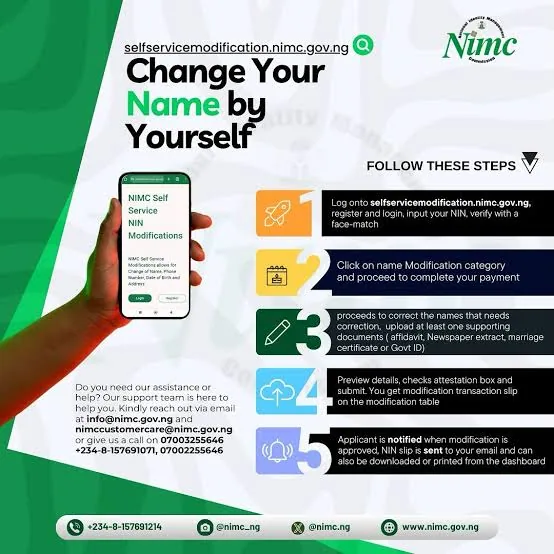
The National Identity Management Commission (NIMC) has launched a digital self-service portal, enabling Nigerians to modify critical details linked to their National Identification Number (NIN) without visiting physical enrollment centers. The move aims to streamline processes, reduce overcrowding at offices, and curb potential extortion by third-party agents. Key Details Eligible for ModificationThe portal allows citizens to update four categories of personal information: Name changes (due to marriage, legal reasons, or personal preference). Date of birth corrections (limited to one adjustment to fix registration errors). Phone number updates (if a linked number is lost or changed). Address modifications (to reflect current residency). However, permanent data such as gender, NIN, fingerprints, and registration location remain uneditable. Required Documents for Each UpdateTo prevent fraud, NIMC mandates specific documents for each modification type: Name Change: Court affidavit, marriage certificate, or newspaper extract. Date of Birth: Digitized birth certificate (for those born after 1992) or National Population Commission (NPC) attestation (for those born earlier). Phone Number: Police report and proof of new number ownership. Address Change: Utility bill, tenancy agreement, or community leader’s attestation letter. Step-by-Step Process for Online Updates Visit the Official Portal: Access NIMC’s Self-Service Portal—the only platform authorized for modifications. Register or Log In: New users must create an account using their NIN-linked name and phone number. Existing users log in directly. Facial Verification: The portal scans your face to confirm identity, replacing physical biometric checks. Select Modification Type: Choose the field to update (name, DOB, etc.) and upload scanned copies of required documents. Pay Fees: Name/Address/Phone Number: ₦1,522.50 (excluding payment gateway charges). Date of Birth: ₦16,340 (reflects higher scrutiny for age adjustments). Track & Download: Applications are processed within days. Approved updates let users download revised NIN slips instantly. NIMC Director-General Engr. Abisoye Coker-Odusote emphasized the portal’s secure design, urging Nigerians to avoid unauthorized third-party sites: “This system eliminates bottlenecks, ensures transparency, and protects data from identity theft.” The commission warns that non-official platforms risk exposing users to scams or data breaches. With over 104 million NINs issued as of 2024, the digital shift addresses longstanding complaints about delays and corruption at physical centers. It also aligns with Nigeria’s push to integrate digital ID into banking, telecoms, and government services. For citizens, the portal offers 24/7 access, faster processing, and reduced costs compared to agent-assisted updates. Those uncertain about their registered details can first retrieve them via NIMC’s NIN Card Retrieval Service.

Omoni Oboli’s romantic drama “Love In Every Word” smashes YouTube records with 4.3 million views in 72 hours
Nollywood star Omoni Oboli has once again proven her prowess as a filmmaker, with her latest romantic drama, Love In Every Word, amassing a staggering 4.3 million views on YouTube within just three days of its release. The film, which debuted on the platform on March 7, 2025, has ignited fervent discussions about modern love, cultural barriers, and the evolving strategies of film distribution in Nigeria’s booming movie industry. Love In Every Word follows the story of two individuals from starkly different backgrounds who navigate love, vulnerability, and societal expectations. Anchored by the performances of former Big Brother Naija star Bamike “Bam Bam” Olawunmi-Adenibuyan and seasoned actor Uzor Arukwe, the film’s emotional depth and relatable themes have resonated widely. Within its first 24 hours, the movie garnered over 2 million views, a testament to Oboli’s strategic pivot to digital platforms like YouTube to bypass traditional cinema limitations. The decision to premiere on YouTube reflects a broader trend among Nollywood producers seeking to combat piracy while maximizing global reach. Oboli, a vocal advocate against digital piracy, has criticized platforms like Telegram for enabling unauthorized distribution of films. Her shift to YouTube not only safeguards revenue but also democratizes access, allowing audiences worldwide to engage with Nigerian storytelling. A Story of Love and Cultural NuanceWritten by Mfon-Abasi Micheal Inyang and directed by Oboli, Love In Every Word blends classic rom-com tropes with fresh cultural commentary. The plot centers on two protagonists whose chance encounter sparks a journey of self-discovery, challenging their personal fears and societal norms. Bam Bam’s portrayal of a soft-spoken yet resilient lead has drawn particular acclaim, with fans praising her ability to convey emotional complexity without melodrama. “This isn’t just a love story, it’s about finding your voice in a world that often tries to silence it,” Oboli remarked in a recent interview. The film’s success underscores audiences’ appetite for narratives that balance escapism with introspection, a hallmark of Oboli’s filmmaking style. Oboli’s YouTube triumph follows her dominance in traditional cinemas last year with The Uprising: Wives on Strike 3, which grossed ₦110 million in three weeks. That film, the latest in her acclaimed Wives on Strike franchise, tackled themes of familial sacrifice and social justice, earning ₦28.2 million in its opening weekend alone. A presale voucher campaign further boosted earnings by ₦10 million, highlighting Oboli’s knack for innovative marketing. Industry analysts note that her dual success in digital and theatrical releases positions her as a rare filmmaker capable of bridging generational divides in viewing habits. “Omoni understands that today’s audience wants flexibility, they’ll pay for cinema tickets but also crave the convenience of streaming,” said Nollywood trade analyst Adaobi Nwosu. Love In Every Word’s viral performance underscores YouTube’s growing role in Nollywood’s distribution ecosystem. With over 200 million Nigerian internet users and a massive diaspora audience, digital platforms offer filmmakers a lucrative alternative to piracy-plagued physical releases. However, challenges remain: unauthorized uploads continue to drain revenues, prompting calls for stricter digital rights enforcement. For now, Oboli’s latest feat cements her reputation as a trailblazer unafraid to reinvent traditional models. As audiences await her next project, one thing is clear, whether on the big screen or a smartphone, Omoni Oboli’s stories will keep captivating hearts.
Storipod to introduce clickable links in upcoming update
In an exclusive tip to Daily Tech, a team member of Storipod, known as @yourstruly (jakuzy09), revealed that the microblogging platform is set to introduce clickable links in its upcoming update. This feature will enhance user interaction by allowing creators to share links directly within their stories, making it easier for readers to access additional content or websites. Storipod, designed to evolve into a creator’s marketplace, focuses on delivering content in the Stori format. The introduction of clickable links will likely boost engagement and provide a more seamless experience for users, aligning with the platform’s goal of fostering a dynamic community of creators and readers. This development is part of Storipod’s efforts to stay competitive in the rapidly evolving digital landscape, where interactive features are increasingly crucial for user retention and satisfaction.