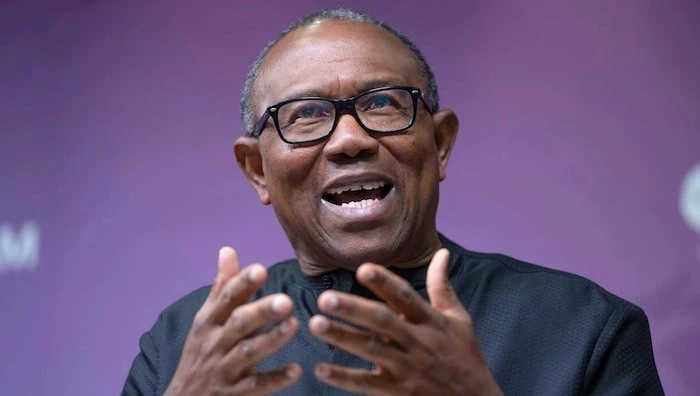
Peter Obi, former governor of Anambra State and Labour Party’s presidential candidate in the 2023 elections, has expressed deep concern over the growing hardship faced by Nigerians, particularly low-income earners. He specifically criticized the exorbitant charges imposed by Point of Sale (POS) operators, which he says are making life even harder for petty traders and small business owners. Speaking during a visit to Paul University in Awka, Obi lamented the struggles of ordinary Nigerians trying to access their own money. “The hardship in Nigeria is too much,” he said. “How can the ordinary people survive? A woman selling pepper by the roadside has to pay huge charges just to withdraw her own money. How much is her profit margin, and how much will remain after paying these charges?”Obi described the situation as unsustainable and promised to take action. “No country is run like this,” he stated firmly. “I will write officially to the president about this issue and outline all these concerns.” During his visit, Obi also reaffirmed his commitment to supporting education in Nigeria. He donated ₦30 million to Paul University, a faith-based institution owned by the Anglican Church. This brings his total donations to the university in 2024 to ₦50 million, with promises of additional support in 2025.Speaking about his motivation for giving, Obi said, “I have seen the good work being done here and the contribution of faith-based organizations like the Anglican Church toward building a better society. I will continue to support you.”Archbishop Alexander Ibezim, who received Obi at the university, praised him for his selfless contributions and genuine love for humanity. “Peter Obi is one man who aspires for leadership not for personal gain but to help people,” Ibezim said. “We need more leaders like him who are committed to peace and development.” Obi’s donation is part of his broader humanitarian efforts. Independent monitors revealed that he spent over ₦1.5 billion on charitable causes in 2024 alone. However, Obi downplayed these figures, emphasizing that his acts of giving are not about self-promotion but a genuine concern for humanity.Obi’s actions and calls for reform highlight his focus on alleviating hardship and supporting critical sectors like education. His pledge to write to President Tinubu on POS charges reflects his determination to address pressing issues affecting everyday Nigerians.
MTN leads Nigeria’s mobile internet market in 2024 – nPerf
MTN Nigeria has once again cemented its position as the leader in the country’s mobile internet market, according to a new report by nPerf, a French company that evaluates internet connectivity worldwide. The report, which analyzed data from January to December 2024, highlighted MTN’s exceptional performance across key metrics such as download speed, upload speed, latency, and video streaming quality. The study also revealed MTN’s dominance in the critical 4G segment, showcasing its commitment to delivering top-notch internet services to its customers.nPerf’s findings placed MTN ahead of its competitors, Airtel and Globacom, in overall performance. The report praised MTN for its remarkable improvements in upload speed and its ability to maintain leadership in video streaming and other performance indicators.“MTN continues to excel in download speed, upload speed, latency, and video streaming. Its dominance in the 4G focus area reinforces its position as a pioneer in Nigeria’s mobile technology sector,” – nPerf While MTN led the pack, Airtel also performed well in specific categories. The report noted that Airtel excelled in browsing and video streaming experiences, securing its place as a strong competitor.“Airtel’s contributions are vital to the market’s competitiveness. Its focus on enhancing user experience is evident,” nPerf added.Globacom, on the other hand, showed steady progress with improvements across various areas. The report acknowledged Glo’s efforts in contributing positively to the dynamics of Nigeria’s mobile internet market. Interestingly, 9mobile was not included in the analysis. nPerf explained that only operators with at least 5% market share were considered for the report. As of October 2024, 9mobile accounted for just 2.15% of Nigeria’s mobile market. Data from the Nigerian Communications Commission (NCC) further highlights MTN’s dominance. As of October 2024:MTN held a commanding 51.09% market share with 69.5 million internet subscriptions.Airtel followed with 34.61% and 45.7 million subscriptions.Globacom accounted for 12.15%, representing 17.1 million subscriptions.9mobile, with only 2.15%, had 2.1 million subscriptions. nPerf conducted extensive tests during both peak hours (6 PM to 11 PM) and off-peak hours to ensure a comprehensive analysis of user experiences. The methodology provided insights into how network performance fluctuates under varying levels of congestion. MTN’s continued investment in improving internet speeds and reliability positions it as the go-to provider for Nigerians seeking high-quality mobile internet services. Airtel and Globacom are also making strides to enhance their offerings, ensuring healthy competition in the market.With over half of Nigeria’s mobile market under its belt, MTN remains a dominant force driving innovation and connectivity across the country. Stay tuned for more updates on Nigeria’s telecom sector
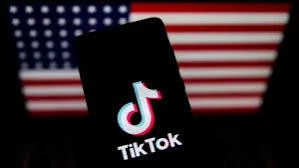
TikTok banned in the U.S. as apple and google remove app from stores
TikTok has been banned in the United States as of January 19, 2025, following the enforcement of a federal law aimed at addressing national security concerns. Apple and Google have removed TikTok from their app stores, meaning users can no longer download the popular social media platform. This action comes after the Supreme Court upheld the Protecting Americans from the Foreign Adversary Controlled Applications Act, which was signed into law by President Biden in April 2024. The legislation requires ByteDance, TikTok’s Chinese parent company, to divest its ownership of the app or face a complete ban in the U.S.Users trying to access TikTok were met with messages indicating that the app is no longer available. In a notice to its users, TikTok acknowledged the ban and expressed hope for a resolution under President-elect Donald Trump, who has suggested he might work on a solution to reinstate the app once he takes office. The decision to ban TikTok reflects ongoing concerns about data privacy and national security, with lawmakers citing fears over potential Chinese government influence through the app. As this situation unfolds, many are left wondering what this means for TikTok’s millions of American users and whether the platform will find a way back into their hands.
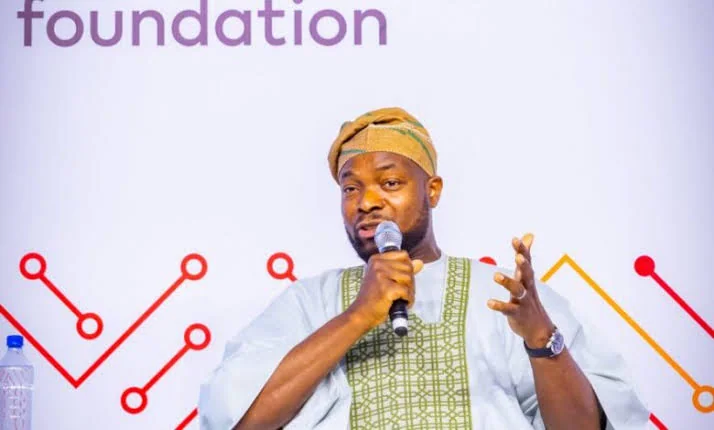
Minister of communications addresses telecom tariff increases
In a recent interview, Dr. Bosun Tijani, Nigeria’s Minister of Communications, Innovation, and Digital Economy, shed light on the ongoing discussions surrounding proposed increases in telecom tariffs. With many operators calling for a staggering 100% hike to cope with rising operational costs, the Minister has stepped in to ensure that any approved increase will not exceed 60%. Tijani explained that the Ministry’s intervention is crucial to safeguard the interests of ordinary Nigerians while also supporting the sustainability of telecom businesses. “Our role is to ensure that while businesses remain viable, we also protect the consumers who rely on these essential services,” he stated during his appearance on Arise TV. The Minister acknowledged that connectivity has become a lifeline for many Nigerians, providing access to information, jobs, and opportunities. He emphasized that the government is committed to improving service quality and ensuring that customers receive the value they pay for. “It’s not just about raising tariffs; it’s about enhancing the overall experience for users,” he added. In light of this, Tijani mentioned that both the Ministry and the Nigerian Communications Commission (NCC) are working together to set benchmarks for service quality across the country. He highlighted ambitious targets: a minimum internet speed of 25 Mbps in urban areas and 10 Mbps in rural regions.Recognizing that private sector investment alone cannot meet the growing demand for connectivity, Tijani revealed that the government is taking proactive steps to invest in infrastructure. This includes a significant project aimed at expanding Nigeria’s fiber optic network by an additional 90,000 kilometers. Currently, Nigeria has about 35,000 kilometers of fiber optic cable, which is insufficient to meet the needs of its population.“By partnering with both government and private sector stakeholders, we aim to enhance our connectivity backbone significantly,” he said. This initiative is expected to boost internet penetration in Nigeria to over 70%, reduce access costs by more than 60%, and potentially contribute up to 1.5% growth to Nigeria’s GDP over the next four years. As discussions on tariff adjustments continue, Tijani remains focused on ensuring that every Nigerian has access to reliable and affordable telecommunications services. “We’re committed to making sure that no one is left behind,” he concluded.With these developments, Nigerians can expect a more balanced approach to telecom services, one that prioritizes both consumer needs and industry viability in an increasingly digital world.

TikTok warns: ‘We will go dark’ on sunday without U.S. government intervention
TikTok, the wildly popular video-sharing app, has announced that it will “go dark” in the United States on Sunday, January 19, unless the government steps in to prevent a ban. The move comes after the U.S. The Supreme Court upheld a law requiring TikTok’s Chinese parent company, ByteDance, to sell its U.S. operations to a neutral party by this weekend, or face an outright ban. In a statement released late Friday, TikTok said it had not received the assurances it needed from the White House or the Department of Justice to keep operating. Without immediate action, the app will become unavailable to its 170 million U.S. users starting Sunday. The Supreme Court’s decision means TikTok will be removed from app stores and hosting platforms unless ByteDance finds a buyer in time, a scenario that now seems unlikely. While it was initially thought that users with the app already installed could continue using it, TikTok’s latest statement suggests otherwise. The platform may become inaccessible to everyone, including existing users, as soon as the ban takes effect. This marks a major turning point for creators and fans of the app, which has become a cultural phenomenon in the U.S., particularly among younger audiences. Many influencers have already begun saying emotional goodbyes to their followers and directing them to other platforms like RedNote, a lesser-known Chinese video-sharing app. The U.S. government has long expressed concerns about TikTok’s ties to China, citing potential risks to national security. Critics worry that ByteDance could be pressured by Beijing to share user data or manipulate content on behalf of the Chinese government, claims both ByteDance and China have denied. The controversy reached its peak last April when President Joe Biden signed a bipartisan bill giving ByteDance six months to sell its U.S. operations or face a ban. TikTok challenged the law in court, arguing it violated free speech protections for its users and creators. But on Friday, the Supreme Court upheld the law, effectively sealing TikTok’s fate unless a last-minute deal is struck. For many creators, TikTok isn’t just an app, it’s their livelihood. Nicole Bloomgarden, a popular influencer, told the BBC that losing TikTok would mean a significant financial hit for her and others who rely on brand deals and ad revenue from their content. Erika Thompson, another creator, said the platform’s educational value would be one of its biggest losses.“TikTok gave people opportunities they wouldn’t find anywhere else,” said Thompson. “It’s heartbreaking.” The impending ban lands just days before President-elect Donald Trump is set to take office on Monday. Interestingly, Trump, who supported banning TikTok during his first term, has softened his stance this time around. On Friday, he told reporters he needs more time to review the situation but hinted he might oppose the ban altogether.“I have a warm spot for TikTok,” Trump said in December, crediting the app with helping him connect with young voters during his 2024 campaign. ByteDance has repeatedly refused to sell TikTok’s U.S. operations and now says it plans to shut down its services in America if no resolution is reached by Sunday. The clock is ticking for both ByteDance and millions of users who have made TikTok an integral part of their daily lives.

Kenya requires social media companies to set up physical offices
The Kenyan government has announced that all major social media companies must establish physical offices in the country. This decision was revealed by the Ministry of Interior and National Administration following a meeting with stakeholders from the telecommunications and social media sectors. The ministry stated that this requirement is part of a broader effort to combat the misuse of technology and social media. Issues such as harassment, hate speech, and incitement to violence have been at the forefront of discussions, particularly in light of recent protests that rocked the nation. “We arrived at a consensus on the need to curb misuse of technology and social media,” said Principal Secretary for Internal Security Raymond Omollo. This announcement comes just six months after widespread protests erupted against President William Ruto’s administration over the controversial 2024 Finance Bill, which proposed new taxes on essential goods like edible oil and sanitary pads. Social media platforms played a crucial role during these protests, allowing demonstrators to livestream events and share their messages widely. The hashtag #RejectTheFinanceBill2024 gained over 4 million impressions within days, highlighting the power of social media in mobilizing public opinion. While the initial protests were intense, subsequent demonstrations have seen a decline in participation. However, Kenyans continue to express their frustrations online, particularly regarding rising living costs and economic challenges. Some citizens have even turned to AI tools to create provocative images, including controversial depictions of President Ruto. The government’s call for physical offices is also a response to growing concerns about online safety. Since June 2024, reports indicate that over 80 individuals who have criticized the government online have allegedly been abducted. Despite being one of the few African nations with relatively unrestricted access to social media, these incidents have raised alarms about the potential dangers faced by online activists In light of these developments, the Kenyan government’s push for social media companies to establish physical offices marks a pivotal moment in the country’s approach to digital governance. This initiative reflects a commitment to enhancing accountability and addressing online safety concerns. The outcome of this regulation will likely shape the future landscape of social media in Kenya, influencing how platforms interact with users and respond to local challenges. As citizens continue to voice their opinions and advocate for change, the role of social media in Kenya’s political and social discourse remains crucial.