Vodacom Group has been named the number one employer in Africa for 2024 by the Top Employers Institute. This prestigious recognition highlights Vodacom’s commitment to creating a supportive and inclusive work environment, marking the second year in a row that the company has received this honor. Vodacom’s CEO, Shameel Joosub, expressed pride in this achievement, emphasizing that the well-being of employees is crucial to the company’s success. “We believe that when our employees thrive, so does our ability to connect people for a better future,” he stated. The company has focused on enhancing its Employee Value Proposition, introducing policies that promote compassion, acceptance, respect, and empathy (C.A.R.E.). These initiatives include comprehensive wellness programs and support for various life stages, ensuring that employees feel valued and empowered. In addition to this recognition, Vodacom has announced the launch of a new Digital Skills Hub aimed at training 1 million young Africans between the ages of 18 and 35 by 2027. This initiative seeks to equip the next generation with essential digital skills needed in today’s rapidly evolving job market. Matimba Mbungela, Vodacom’s Chief Human Resources Officer, highlighted the urgency of preparing young people for careers in technology. “The Digital Skills Hub will provide access to self-paced training programs designed to nurture talent and career development in the tech industry,” he said. The hub will also collaborate with leading tech organizations like Amazon Web Services and Microsoft to offer engaging training experiences. The Digital Skills Hub aims to boost digital literacy across eight African countries, including South Africa, Ethiopia, Tanzania, Mozambique, Lesotho, Egypt, the Democratic Republic of Congo, and Kenya. The first program available through the hub is AWS Educate, which offers a wealth of online resources covering topics from cloud computing to artificial intelligence. As Vodacom embarks on this new initiative, Joosub encouraged young people, whether students or aspiring entrepreneurs, to take advantage of these training opportunities. “By supporting digital skills training as a Top Employer, we are empowering the next workforce and ensuring that everyone can connect to a better future,” he said. With these initiatives, Vodacom is not only leading in employee satisfaction but also paving the way for a more digitally skilled workforce across Africa.
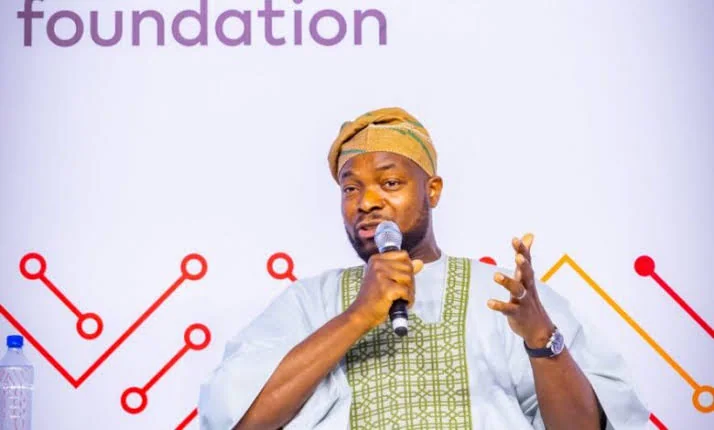
Telecom tariff hike limited to 60% – Minister Bosun Tijani
Nigeria’s telecommunications sector, Dr. Bosun Tijani, the Minister of Communications, Innovation, and Digital Economy, stated that any forthcoming increase in telecom tariffs will be capped at 60%. This decision comes in response to a controversial request from telecom operators who sought a staggering 100% increase to offset rising operational costs. Speaking during an appearance on Channels TV, Tijani highlighted the government’s stance on the matter. “While telecom operators argue that a 100% increase is necessary for their sustainability, we believe that such a drastic hike would be detrimental to the average Nigerian,” he explained. The Minister emphasized that the government is committed to ensuring that telecommunications remain accessible and affordable for all citizens. Tijani acknowledged the pressures faced by telecom companies due to inflation, foreign exchange fluctuations, and rising energy costs. For instance, he pointed out that diesel prices have skyrocketed from pre-COVID levels of N230 per liter to over N1,000. Similarly, the official exchange rate has surged from N424.50 to about N1,550, significantly increasing the cost of importing essential infrastructure. Despite these challenges, Tijani reassured viewers that the government is actively working on several initiatives aimed at supporting the telecom industry. “We are exploring ways to enhance local content in the sector and reduce reliance on imports,” he noted. This approach could help lower operational costs for telecom operators while fostering local industry growth. In addition to tariff discussions, Tijani revealed plans for substantial investments in telecom infrastructure. The government aims to invest in 90,000 kilometers of fiber optic networks and establish towers in rural areas. This investment will not only improve service delivery but also expand customer reach without placing a heavy financial burden on telecom companies. Moreover, Tijani mentioned ongoing tax reforms aimed at harmonizing multiple taxes imposed on telecom operators. By streamlining these taxes, the government hopes to create a more favorable business environment for these companies. The sentiment echoed by Tijani aligns with concerns raised by industry leaders. Karl Toriola, CEO of MTN Nigeria, recently warned that without a tariff review, the sustainability of the telecom sector could be at risk. He stressed that telecommunications are vital for economic growth and urged for urgent action to address operational challenges faced by providers. As discussions continue around the impending tariff adjustments, both consumers and industry stakeholders are watching closely. The Nigerian Communications Commission (NCC) is expected to finalize its decision soon, which will set the stage for how telecommunications services are priced in the coming months. While an increase in telecom tariffs is inevitable due to economic pressures, the government’s commitment to limiting this rise and investing in infrastructure aims to strike a balance between sustaining the industry and protecting consumers’ interests
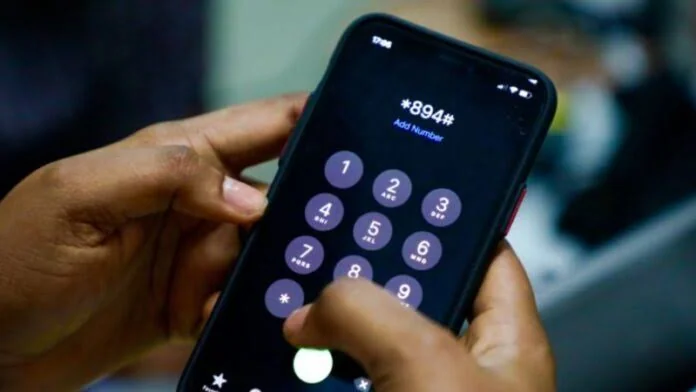
NCC Orders Disconnection of USSD Codes for Nine Banks Over N250bn Debt
The Nigerian Communications Commission (NCC) has instructed telecom operators to disconnect the Unstructured Supplementary Service Data (USSD) codes of nine banks that have failed to settle their debts. This decision comes as part of an ongoing dispute over a staggering N250 billion owed by various financial institutions for USSD services. The banks facing disconnection include some well-known names: Fidelity Bank, First City Monument Bank, Jaiz Bank, Polaris Bank, Sterling Bank, United Bank for Africa (UBA), Unity Bank, Wema Bank, and Zenith Bank. Each of these institutions has been given until January 27, 2025, to clear their outstanding debts or risk losing access to their USSD codes. In a public notice issued by Reuben Muoka, the Director of Public Affairs at the NCC, it was highlighted that as of January 14, 2025, nine out of 18 banks had not complied with the regulatory directives aimed at settling their debts. This situation has escalated tensions between telecom operators and banks, which have been at odds over these unpaid service charges for years USSD codes have become an essential tool for financial transactions in Nigeria, particularly because they allow users to access banking services without needing an internet connection. This is especially crucial in a country where internet access is still limited for many. The NCC’s warning follows months of pressure from mobile operators who have expressed frustration over the unpaid debts, claiming it has adversely affected their businesses. While some smaller banks have begun making payments, larger institutions have been slower to respond. In November 2024, the Association of Licensed Telecom Operators of Nigeria (ALTON) reported that while some progress had been made in debt repayments, major banks still owed significant amounts. The NCC and the Central Bank of Nigeria (CBN) previously issued a joint circular in December outlining a new payment procedure that requires banks to settle 60% of pre-2022 debts by early January 2025 and 85% of USSD debts incurred after February 2022 by the end of December 2024. With the deadline looming, the NCC has made it clear that failure to comply will result in service disruptions for customers. Consumers may be unable to access the USSD platform of the affected financial institutions from January 27.
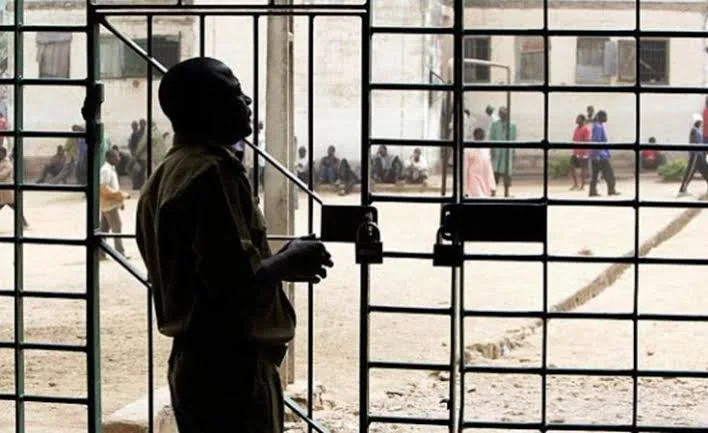
Nigerian Correctional Service Partners with NIMC to Register Inmates for NIN
The National Identity Management Commission (NIMC) has granted the Nigerian Correctional Service (NCoS) the authority to register all 79,518 inmates across the country for National Identification Numbers (NIN). This initiative, announced during a recent visit to NIMC’s headquarters in Abuja, aims to ensure that inmates are not left out of Nigeria’s national development plans. Mr. Sylvester Nwakuche, the Acting Controller General of NCoS, shared that this partnership with NIMC is part of ongoing reforms within the correctional system. He emphasized that registering inmates for NIN will enhance their safety and security while also making it easier to recapture them in case of jailbreaks. “Inmates should be integrated into society,” he stated, noting that many have pursued higher education, including degrees and even PhDs, while incarcerated. Currently, a significant portion of the inmate population, about 53,440 individuals, are awaiting trial. Nwakuche suggested that these individuals should also have a voice in national planning and census activities, as their futures are still uncertain and they deserve a chance to contribute to society Engr. Abisoye Coker-Odusote, the Director-General of NIMC, echoed these sentiments, highlighting the importance of NIN in Nigeria’s broader development agenda. She pointed out that linking NINs to various government services, such as student loans, helps eliminate fraud and ensures that resources reach those who genuinely need them. The collaboration with NCoS is part of a larger effort by NIMC to modernize its services and improve accessibility for all Nigerians. Recently, NIMC announced plans for a new multipurpose national identity card that will not only serve as identification but also facilitate financial transactions. This card aims to help those without any means of identification, particularly in remote areas. As of October last year, NIMC had issued NINs to over 115 million Nigerians and legal residents. With the new initiative to register inmates, this number is set to rise significantly.This step not only represents progress for the correctional system but also underscores Nigeria’s commitment to ensuring that every citizen, regardless of their circumstances, has access to essential services and opportunities for reintegration into society.
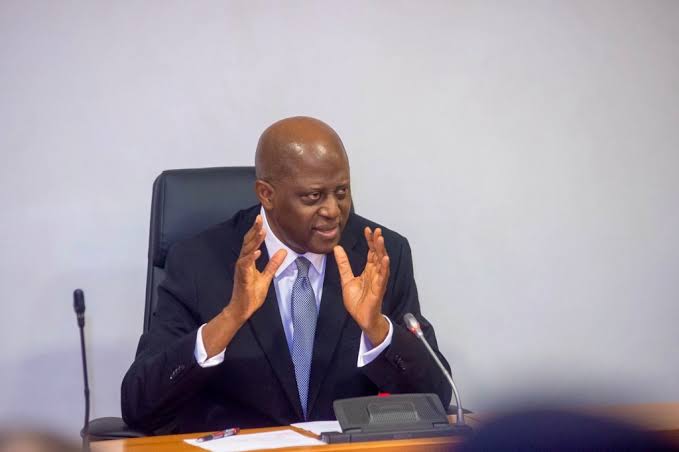
CBN Fines Nine Banks N1.35 Billion for ATM Cash Shortages During Holidays
The Central Bank of Nigeria (CBN) has imposed hefty fines on nine commercial banks, totaling N1.35 billion. Each bank has been fined N150 million after the CBN conducted spot checks and found that many ATMs were running low on cash during the busy holiday period. The banks affected by this penalty include well-known names such as Fidelity Bank, First Bank, Keystone Bank, and Zenith Bank. The CBN had previously issued clear guidelines to these institutions, urging them to ensure that their ATMs were stocked with sufficient cash to meet customer demand during the yuletide season. Mrs. Hakama Sidi-Ali, acting Director of Corporate Communications at the CBN, reiterated the bank’s commitment to maintaining a steady flow of cash. She stated, “In a clear message of zero tolerance for cash flow disruptions, the Central Bank of Nigeria has sanctioned Deposit Money Banks for failing to make Naira notes available through automated teller machines during the festive season.” The CBN’s actions come after a series of warnings to financial institutions about the importance of ensuring seamless cash availability, especially during high-demand times like the holidays. The fines will be directly deducted from the banks’ accounts at the CBN. In addition to these penalties, the CBN is ramping up its efforts to monitor and address issues related to cash hoarding and rationing at bank branches and Point-of-Sale (POS) terminals. The bank is collaborating with security agencies to combat illegal cash sales and ensure compliance with new withdrawal limits set for POS operators. As part of its ongoing initiatives to promote a cashless economy, the CBN has also implemented daily cash withdrawal limits for customers and POS agents. Customers can now withdraw a maximum of N500,000 per week, while POS agents are limited to N1.2 million in total daily withdrawals. This recent crackdown underscores the CBN’s determination to improve cash circulation in Nigeria and restore trust among customers who have faced disruptions in accessing their funds in recent months. With these measures in place, there is hope for a more reliable banking experience in future holiday seasons, ultimately benefiting both consumers and financial institutions alike

U.S. Awards $2 Million Grant to Boost Nigeria’s Digital Infrastructure
The U.S. government has awarded a grant of $2,095,000 aimed at deploying 90,000 kilometers of new fiber optic backbone across the country. This funding, provided by the U.S. Trade and Development Agency (USTDA), was announced during the inaugural U.S.-Nigeria Technology Dialogue held in Washington, D.C., on January 10, 2025. The grant aligns with Nigeria’s National Broadband Plan for 2020-2025, which seeks to increase broadband penetration from the current 42.27% to a target of 70%. The plan also aims to ensure that at least 90% of Nigerians have access to affordable and reliable internet services. During the dialogue, U.S. Deputy Secretary of State Kurt Campbell and Nigeria’s Minister of Communications, Innovation, and Digital Economy, Dr. Bosun Tijani, highlighted the importance of this partnership in addressing the challenges and opportunities in digital transformation. Campbell emphasized that improving digital infrastructure is crucial for Nigeria’s economic growth and development of digital skills. The discussions also covered a range of topics relevant to both nations’ digital economies, including e-commerce, infrastructure development, and artificial intelligence (AI). Delegates from over 25 U.S. and Nigerian companies participated in roundtable discussions focused on fostering innovation and collaboration between the public and private sectors. One notable outcome of the dialogue was an agreement to hold a virtual expert exchange on AI-enabled biotechnology, which will explore how the intersection of AI and biotechnology can contribute to advancements in global health and food security, particularly in sub-Saharan Africa In addition to this grant, the Nigerian government recently launched the Technology Export and Digital Trade Desk, aimed at increasing annual funding for local startups from $1 billion to $5 billion. This initiative is part of a broader strategy to boost Nigeria’s tech sector and enhance its contribution to the national economy Dr. Tijani expressed optimism about these developments, stating that they reflect President Bola Tinubu’s vision for a $1 trillion Nigerian economy driven by innovation and international trade.