TikTok, one of the popular social media platform has firmly denied reports suggesting that Elon Musk is in talks to buy its U.S. operations. This speculation arose after Bloomberg reported that Chinese officials were considering Musk as a potential buyer, especially with a looming deadline for TikTok’s parent company, ByteDance, to divest its U.S. stake by January 19 to avoid a ban. A TikTok representative dismissed the claims as “pure fiction,” emphasizing that the company cannot be expected to comment on baseless rumors. This denial comes at a critical time, as TikTok is grappling with significant legal challenges in the U.S. The Supreme Court recently heard arguments regarding TikTok’s emergency appeal against a law that could effectively ban the app if ByteDance does not sell its U.S. operations. The backdrop of this situation is complex. Analysts estimate that TikTok’s U.S. business could be valued between $40 billion and $50 billion. The discussions about a potential sale reportedly stem from concerns among Chinese officials about the future of TikTok under a new Trump administration, which has previously expressed strong opposition to the app. Musk, who has extensive business ties in China through his electric vehicle company Tesla, has publicly opposed banning TikTok, arguing that such actions would infringe on freedom of speech and expression. If a deal were to happen, it could potentially involve merging TikTok with Musk’s social media platform X (formerly Twitter), creating new opportunities for advertising revenue. However, any potential acquisition would face numerous hurdles, including complicated technological separation requirements and approvals from both U.S. and Chinese governments. As the clock ticks down to the January 19 deadline, the future of TikTok remains uncertain, leaving millions of users in the U.S. anxious about what lies ahead.
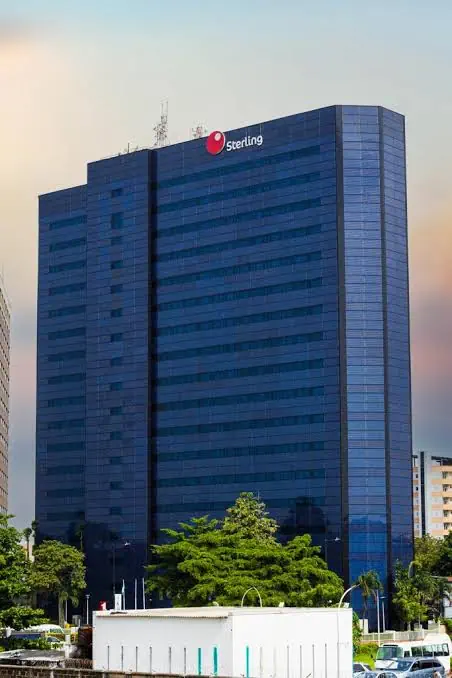
Sterling bank increases staff salaries by 7%, but employees seek more
Sterling Bank has announced a 7% salary increase for its more than 3,000 staff members, in a bid to help its employees cope with the rising cost of living. The news was shared in an internal memo earlier this month, marking a significant step as the bank responds to ongoing economic pressures affecting many Nigerians. This salary adjustment is part of a broader trend among banks in Nigeria, which have been reevaluating employee compensation in light of inflation and increased living expenses. Last August, Sterling Bank had already introduced a cost-of-living adjustment (COLA) stipend of ₦75,000 for employees ranging from executive trainees to assistant banking officers. However, it remains unclear if this stipend will continue alongside the new salary structure. While the specifics of the salary increases are not publicly available, insiders indicate that adjustments vary based on employee grade levels. Sterling Bank employs a tiered salary structure that allows for raises within existing grades without necessitating formal promotions. For example, executive trainees will see their monthly pay rise from ₦327,000 to ₦351,000, while senior executives will go from ₦500,000 to ₦527,000. Chibuzo Ihentuge-Eric, an HR professional, explained that during economic downturns, companies often adjust salaries sideways within grade levels rather than promoting employees to higher ranks. This approach helps manage costs while still providing some relief to staff.Despite the raise, some employees expressed disappointment. Many were hoping for increases more in line with those seen at other banks, like Union Bank and GTBank, which raised salaries by 40% late last year. One anonymous employee shared, “Considering inflation and the state of the economy, this feels underwhelming.” Sterling Bank’s profit after tax for the period ending September 2024 was ₦27.4 billion, reflecting a robust 67% year-on-year increase. The bank is projecting ₦121.8 billion in gross earnings for the first quarter of 2025. However, its personnel expenses reached ₦22.6 billion, accounting for about 21.67% of total expenses. If the new salary adjustments increase personnel costs by the usual 10%, this could raise the wage bill to approximately ₦24.86 billion, still one of the lowest among its peers. For context, Union Bank reported personnel expenses of ₦34 billion, while Fidelity Bank and FCMB reported even higher figures While Sterling Bank’s 7% salary increase reflects an effort to support employees amid rising living costs, many staff members feel the adjustment falls short of their expectations. As competition for talent intensifies within the banking sector, the bank faces the challenge of balancing financial sustainability with employee satisfaction. This situation underscores the need for ongoing dialogue between management and staff to ensure that compensation remains competitive and responsive to economic realities.
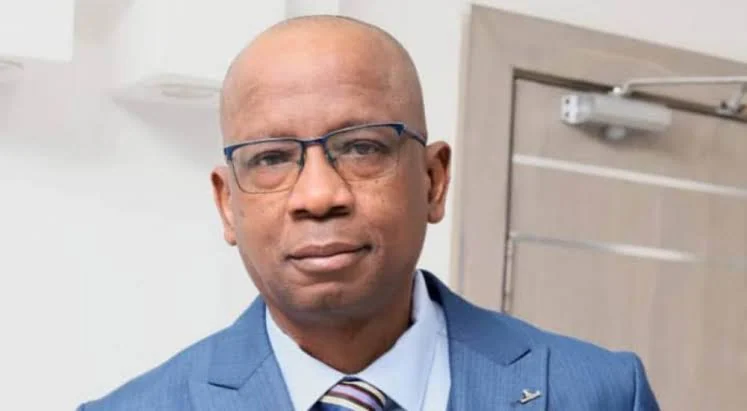
CCTV cameras to be installed in all high-rise buildings across Lagos, effective immediately
The Lagos State Government has announced a new policy requiring the installation of Close Circuit Television (CCTV) cameras in all buildings with six floors or more, in order to bolster security across the city. This initiative, unveiled by Dr. Oluyinka Olumide, the Commissioner for Physical Planning and Urban Development, aims to enhance public safety and deter criminal activities, especially in areas along major roads. According to a statement released by the ministry’s Deputy Director of Public Affairs, Mr. Mukaila Sanusi, this mandate applies not only to existing buildings but also to those currently under construction. Property owners will need to install CCTV systems as part of their planning permits. This requirement extends to commercial buildings as well, ensuring a comprehensive approach to urban security. Dr. Olumide emphasized that the initiative aligns with the Lagos State Government’s vision of creating a technologically advanced urban environment. “By expanding our surveillance capabilities, we aim to create a safer city for everyone,” he stated. To facilitate smooth implementation, the Lagos State Physical Planning Permit Authority will establish clear standards for CCTV installations, covering aspects such as specifications, maintenance, and regular inspections. Property owners will also be required to provide recorded footage to security agencies upon request, fostering collaboration between residents and law enforcement. This new CCTV mandate is part of a larger strategy by the Lagos State Government to enhance security in various sectors. In line with the 2024 Lagos State Transport Policy, plans are underway to install CCTV cameras at key transportation hubs like interchanges and bus stops over the next two years. This initiative aims to improve traffic management and response times through real-time data collection. The government is also set to establish the Lagos Transport Police (LTP) in partnership with the Nigerian Police. This new unit will oversee transport facilities and manage the CCTV network, further strengthening security across the city. As Lagos continues to grow and evolve, these measures reflect a proactive approach to urban safety and efficiency. With increased surveillance capabilities and improved transport management systems, residents can look forward to a safer and more organized city environment
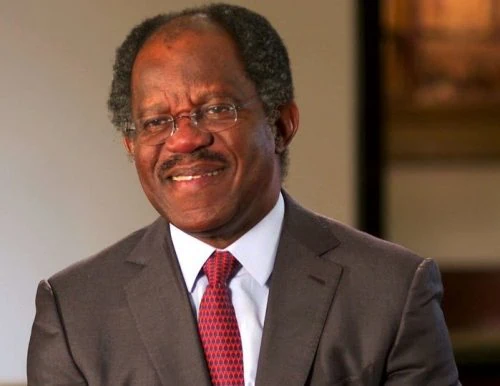
OpenAI welcomes Nigerian tycoon Adebayo Ogunlesi to board as company pursues infrastructure investments
Adebayo Ogunlesi, a senior managing director at BlackRock, has been appointed to the board of directors at OpenAI. This announcement comes at a pivotal time as the company seeks to bolster its infrastructure to meet the surging demands of advanced artificial intelligence systems. Ogunlesi brings a wealth of experience to the table, having previously served as the founding partner and CEO of Global Infrastructure Partners (GIP), a leading infrastructure investment firm. His leadership played a crucial role in GIP’s recent $12 billion acquisition by BlackRock, a deal that not only solidified his status in the financial world but also reportedly increased his net worth to around $2.3 billion. In a statement released on Tuesday, OpenAI expressed enthusiasm about Ogunlesi’s appointment. “We’re pleased to announce that Adebayo ‘Bayo’ Ogunlesi has joined our Board of Directors,” the company stated. They highlighted his deep expertise in corporate finance and global market strategy as vital assets for guiding OpenAI’s future. This appointment aligns with OpenAI’s broader strategy to secure both public and private sector support for high-cost infrastructure projects. Last year, the organization laid out an “economic blueprint” emphasizing the urgent need for investment in AI infrastructure to maintain competitiveness against global rivals like China. Ogunlesi joins a diverse board that includes notable figures such as OpenAI CEO Sam Altman, Quora CEO Adam D’Angelo, and retired U.S. Army General Paul Nakasone. His experience will be particularly valuable as OpenAI navigates potential changes in its organizational structure, including discussions around transitioning from its current nonprofit status to a public benefit corporation, a shift that could open new avenues for investment. As the race for AI dominance heats up globally, Ogunlesi’s expertise in infrastructure will be essential in addressing the logistical and financial challenges associated with developing cutting-edge AI technologies. OpenAI’s decisions in leadership and infrastructure will undoubtedly play a significant role in shaping the future of the technology industry.

Sam Altman’s Worldcoin reaches 10 nillion users despite global regulatory scrutiny
The controversial biometric identity project, World, formerly known as Worldcoin, has announced that it has verified 10 million users on its digital identity network. This achievement comes as the company continues to navigate a complex landscape of regulatory scrutiny and privacy concerns. Launched in March 2023, World aims to provide a “proof of personhood” system that allows individuals to verify their identity through biometric data, specifically, iris scans. The project is designed to combat the potential risks associated with the rapid advancement of artificial intelligence (AI), which raises questions about the reliability of information and intellectual property rights. According to World’s team, establishing proof of human identity is crucial in ensuring that humans remain at the center of creative processes in an increasingly automated world. The service is accessed via The World App, which facilitates obtaining a World ID and WLD tokens through biometric verification using a device known as The Orb. This device scans users’ irises while promising complete privacy. Despite this impressive user base, World has faced significant legal challenges since its inception. Kenya was the first country to ban the project in August 2023, citing national security and privacy risks linked to the collection and storage of biometric data. Other countries followed suit; Spain ordered a temporary halt to data collection in March 2024 amid allegations of improper consent practices, while Portugal imposed a similar ban. In South Korea, World was fined approximately $829,000 for allegedly violating personal data protection laws. These actions reflect growing concerns about how biometric data is collected and used, particularly regarding user consent and privacy. Amid these challenges, Sam Altman, CEO of OpenAI and co-creator of the World Network, has been vocal about the future of AI agents, autonomous systems capable of performing complex tasks independently. At a recent summit, Altman discussed how these agents could revolutionize various industries by taking on intricate tasks that typically require human intervention As companies like Meta plan to integrate AI agents into their platforms, the conversation around ethical AI and user privacy becomes even more critical. Altman emphasized that as AI technology evolves, ensuring that humans remain empowered creators will be essential While World celebrates its achievement of reaching 10 million verified users, it must also confront the reality of regulatory scrutiny and public skepticism surrounding biometric data collection. As the debate over privacy rights continues, the future of projects like the world remains uncertain but undeniably impactful in shaping our digital identities in an AI-driven world.
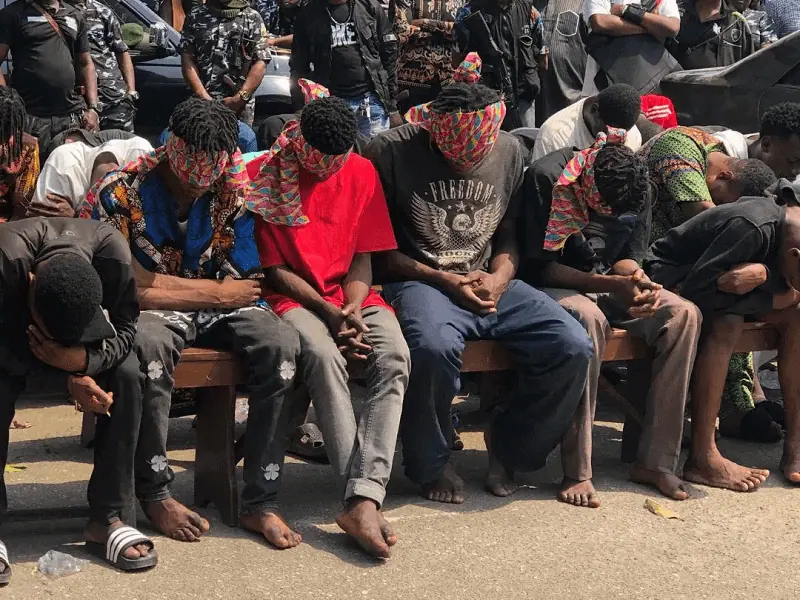
Bolt commends Lagos police for arresting suspects in driver murders
Leading ride-hailing service Bolt has expressed gratitude to the Lagos State Police for their swift action in apprehending a gang responsible for the tragic murders of two drivers. This development comes as a significant relief to the thousands of drivers who use e-hailing platforms like Bolt, Uber, and inDrive in Lagos. In a statement released earlier today, Bolt acknowledged the police’s efforts in tackling the rising violence against commercial vehicle operators. Recently, the police announced the arrest of seven individuals linked to a series of armed robberies that have targeted drivers across the city. The alarming incidents included a case on January 9, where two suspects ordered a ride from Chevron to Obalende. Once in a secluded area, they attacked the driver, fatally stabbing him before robbing him. In another incident, a three-man gang abducted Oluwaseyi Fowler, an e-hailing driver from Ajah, killed him, and stole his Toyota Camry. Osi Oguah, General Manager at Bolt Nigeria, praised the police for their “swift and decisive” response. He emphasized that driver safety is a top priority for Bolt and reiterated the company’s commitment to investing in measures that enhance security for both drivers and riders. “We will continue to collaborate with law enforcement and other stakeholders to create safer roads and a secure environment for mobility services,” he stated. With approximately 10,000 drivers using the Bolt app daily in Lagos, the recent police actions have been welcomed by many who feel vulnerable on the job. To further bolster safety, Bolt has committed €100 million over three years to improve security features on its platform. This includes hiring 500 safety experts globally to monitor and enhance safety measures In light of these recent events, Bolt has urged its drivers to utilize various safety features available on the app. These include sharing trip details with trusted contacts and using an in-app SOS button for emergencies. The company also strongly advises against accepting off-app trips to ensure that all rides are documented and insured. The Lagos State Commissioner of Police, CP Olarenwaju Ishola, echoed these sentiments during the announcement of the arrests. He cautioned e-hailing drivers to be vigilant when picking up passengers and suggested they limit rides to one passenger whenever possible. As discussions around improving safety protocols continue, there are calls for more comprehensive background checks for both drivers and riders on e-hailing platforms. While Bolt has implemented some rider verification measures, there is ongoing debate about their thoroughness.