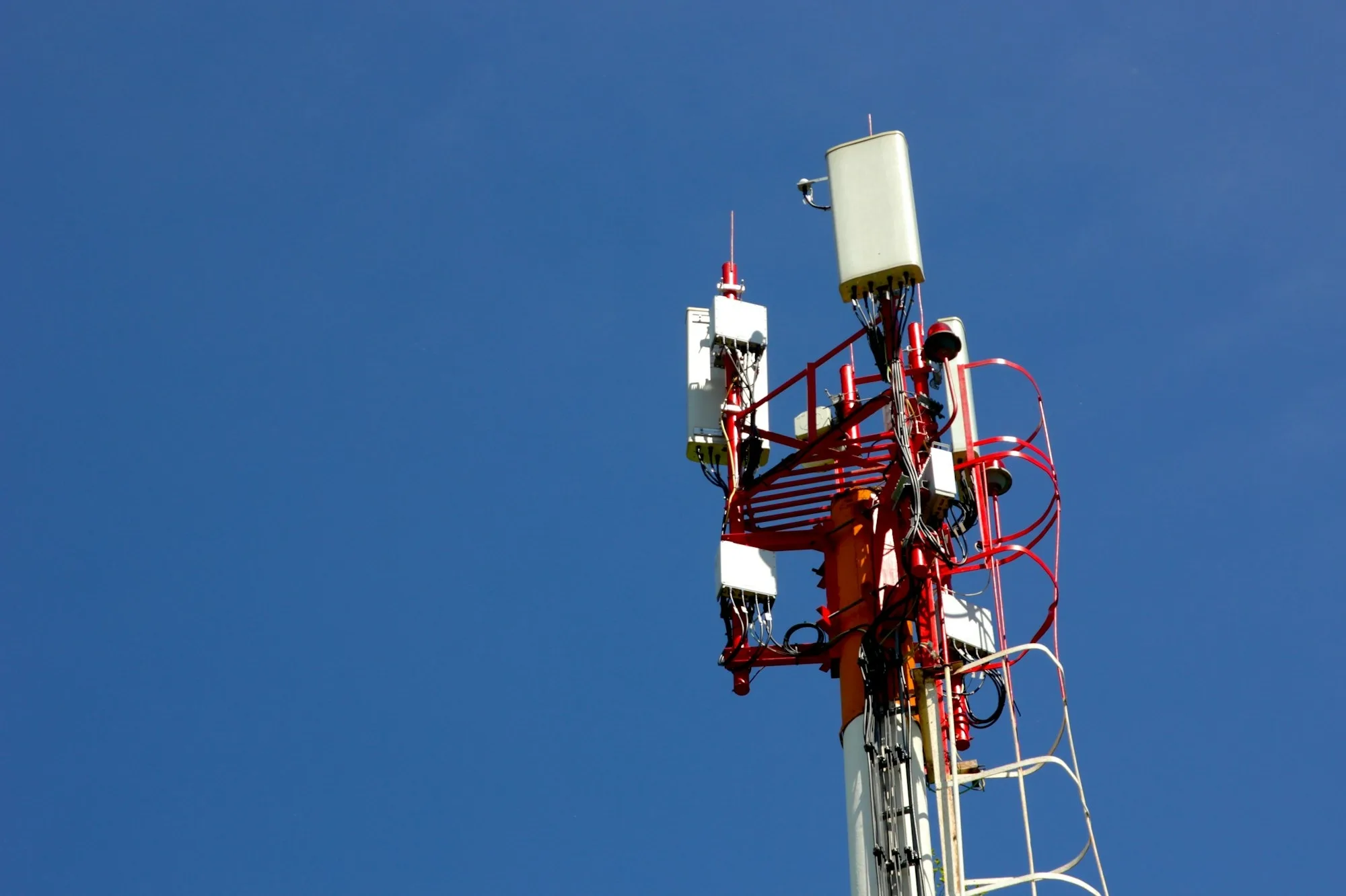
Nigeria’s telecommunications industry has reduced its workforce by 383 employees in one year, according to reports from the Nigerian Communications Commission (NCC). This reduction, predominantly impacting GSM operators, Internet Service Providers (ISPs), and Value-Added Service (VAS) providers, coincided with a drastic 85.35% increase in total operating expenses (OPEX), which jumped from ₦3.16 trillion in 2023 to ₦5.85 trillion in 2024. The NCC attributed the cost surge to high energy prices, currency devaluation, inflation, and excessive regulatory fees.The NCC officially cited several macroeconomic and regulatory factors as the primary drivers of the 85.35% rise in OPEX. These include higher energy costs, persistent inflation, crippling foreign exchange (FX) pressures, and multiple charges, particularly the excessive Right-of-Way (RoW) fees levied by some state and local authorities. The most massive job losses occurred within the GSM segment, which cut staff from 7,212 to 6,658. ISPs and VAS operators also saw notable reductions, reflecting an industry-wide effort to rationalize costs.The workforce cuts follow a decline in the active voice subscriber base, which fell by 26.61% (from 224.7 million to 164.9 million) after the enforcement of the NIN-SIM linkage policy. This contraction of the customer base pressured operators’ revenue streams and necessitated internal restructuring.Despite shrinking subscriber numbers and mounting operational costs, operators increased Capital Expenditure (CAPEX) from ₦990.55 billion in 2023 to ₦2.90 trillion in 2024, driven by the high cost of imported equipment and continuous network expansion.Telecom operators maintain that the increase in costs, which they cannot fully pass on to consumers through tariff increases, makes sustained operations and talent retention extremely difficult. They stress that the multiple levies, particularly high RoW fees in key states, continue to obstruct necessary infrastructure deployment.The NCC’s report showed that the sector’s overall revenue still grew by 44.70% (to ₦7.67 trillion) in 2024, and its contribution to Nigeria’s GDP marginally increased to 14.40%. The NCC pointed out that it has successfully secured zero RoW fees in some states, demonstrating regulatory efforts to ease the fiscal burden, even as the high cost of imported equipment drives up CAPEX.
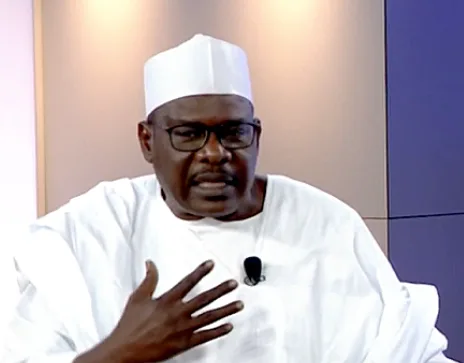
Senator Ali Ndume empowers Borno South with 5,000 free SIM cards and 1,000 POS machines
Senator Ali Ndume has unveiled a project to boost digital connectivity in Borno South by providing 5,000 free SIM cards and 1,000 Point of Sale (POS) machines to local residents, aimed towards reconnecting communities with financial and communication services.The announcement came during a meeting with MTN Nigeria’s management in Maiduguri, to rebuild digital infrastructure in a region long disrupted by Boko Haram insurgency. For years, frequent attacks on telecom masts left many communities disconnected and struggling to reclaim lost communication tools. Senator Ndume, who in 2024 successfully trained 800 youths in POS operations and equipped them with starter packs worth 100,000 naira each, is expanding the program to reach more people affected by displacement. Registration for free SIM cards has already commenced, focusing on those who lost access during the crisis. The goal is to help Borno South residents regain their place in the digital world. Connectivity is not just about phones; it’s about empowerment and economic inclusion – Ndume MTN Nigeria has confirmed network restorations in Gwoza, Damboa, Uba, and Chibok, pledging to improve the reliability of its services needed by residents. The company also endorsed plans to establish computer-based test centers, facilitating local access to educational exams without long-distance travel.

MTN Nigeria marks Independence Day with special 65-second free calls and weeklong discounts
MTN Nigeria celebrated the nation’s 65th Independence Day by offering a unique 65-second free call for the first national call on October 1, 2025, as part of its “Y’ello Independence Week” campaign running October 1-5, featuring discounts and consumer rewards across the country. MTN allowed its customers to make their very first national call of the day for 65 seconds free, a symbolic nod to 65 years of independence. Alongside the free calls, MTN provided discounts of 10% on 4G routers and 5% on 5G routers, aiming to improve internet connectivity across urban and rural areas. The week-long initiative includes giveaways such as smartphones, ₦20,000 shopping vouchers, and data rewards distributed at events across major cities. MTN’s MoMo Payment Service Bank (MoMo PSB) also contributed to the celebrations by waiving all transfer fees nationwide for 24 hours on Independence Day, fostering financial inclusion and easing everyday expenses for millions of Nigerians. Rosemary Aimankhu, Chief Commercial Officer of MTN Nigeria, said that Independence Day is about freedom, unity, and resilience. She added that by offering 65 seconds of free calls and nationwide free money transfers, MTN celebrates Nigeria’s 65th anniversary in a way that directly supports the everyday lives of millions.
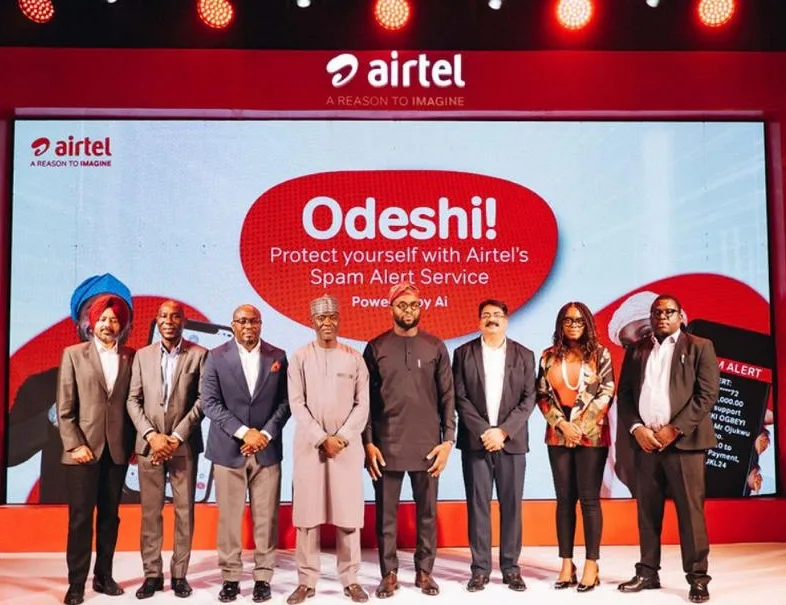
Airtel Africa’s AI-powered system slashes spam SMS in Nigeria by 84%
Nigeria has experienced a dramatic 84 percent reduction in unsolicited text messages following the rollout of Airtel Africa’s advanced AI-driven spam detection platform. The free Spam Alert service, launched in March 2025, is helping millions stay safe from phishing and scamming texts in real time. Over the past six months, the campaign has flagged more than 205 million fraudulent messages across 13 African markets, with Nigeria recording the steepest decline. Kenya, Tanzania, and Zambia also reported high volumes of intercepted spam texts. Instead of relying on traditional filtering, this pioneering program uses artificial intelligence to analyze each incoming SMS through over 250 criteria including sender identification, link patterns, messaging frequency, and regional oddities. Suspicious messages are quickly tagged with a “SPAM Alert” prefix, alerting subscribers without requiring additional apps or disrupting privacy, as message content is neither stored nor examined. Airtel’s CEO, Sunil Taldar, praised the project as a vital step toward securing Africa’s fast-growing digital ecosystem. He added that as smartphones use surges, Airtel’s innovative solution provides frontline protection against scams that target mobile money users and everyday consumers. Between March and May alone, Airtel Nigeria reported intercepting over 9.6 million dubious texts on its network, most originating from outside Airtel’s direct users. The detection tool operates in less than two milliseconds, delivering near-instant warnings across its markets, which presently include Nigeria, Uganda, Zambia, Kenya, and others. The Nigerian Communications Commission (NCC) strongly supports this technological upgrade, emphasizing the importance of proactive collaboration in combating increasingly online threats. Dr. Aminu Maida, the Commission’s Executive Vice Chairman, noted, that this AI-based solution offers a crucial security layer in a landscape where spam and fraud continue to evolve.
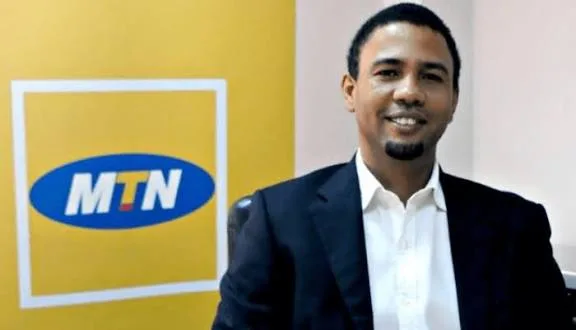
MTN Nigeria to lease spectrum from T2 Mobile starting October 1
MTN Nigeria Communications Plc has revealed plans to lease frequency spectrum from T2 Mobile Limited (formerly 9Mobile) beginning October 1, 2025. This arrangement involves 5MHz frequency division duplex (FDD) in the 900MHz band and 15MHz FDD in the 1800MHz band for three years. According to a statement by company secretary Uto Ukpanah, the spectrum lease is integral to the national roaming agreement between MTN and T2 Mobile. This collaboration allows MTN to manage additional network traffic from T2’s subscribers by utilizing MTN’s infrastructure where T2’s coverage is limited. MTN Nigeria CEO Karl Toriola emphasized the move as part of MTN’s goal 2025 plan to boost network capacity sustainably. He stressed how such endeavors support Nigeria’s broader digital transformation and expanded broadband access. Meanwhile, MTN confirmed it will not renew its current one-year spectrum lease with Natcom Development and Investment Ltd (Ntel), which covers 5MHz in the 900MHz band and 10MHz in the 1800MHz band across 17 states, expiring on November 29, 2025. Instead, MTN is focusing on newer arrangements that strengthen collaboration and infrastructure investment. T2 Mobile has benefited from this cooperation, recording its first subscriber growth in July 2025 with over 290,000 new users, ending a year-long decline. Despite this rise, 9Mobile holds the fourth largest market share at 1.61%, far behind MTN’s dominant 52.7%. Overall, Nigeria’s active mobile subscriptions fell slightly in July, alongside a marginal drop in teledensity based on NCC data.
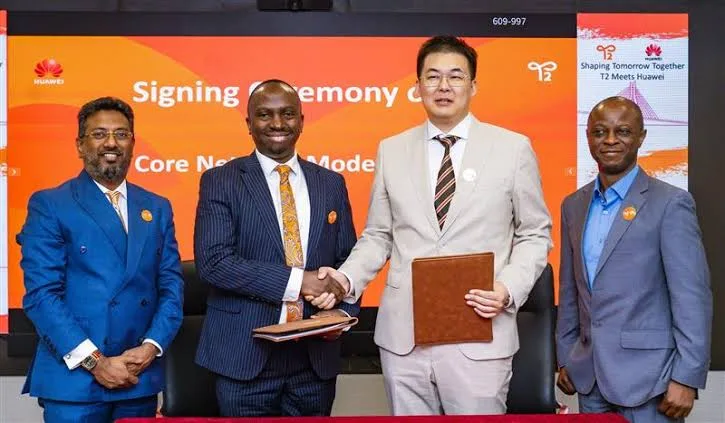
T2 and India’s Knot Solutions sign multi-million dollar partnership to transform Nigerian telecom systems
Telecommunications firm T2, formerly known as 9mobile, has entered into a strategic alliance worth millions of dollars with India’s Knot Solutions. The collaboration aims to upgrade T2’s business and operational support platforms and was unveiled during the GITEX Nigeria Tech Expo in Lagos on September 3, 2025. CEO Obafemi Banigbe described the venture as more than a tech refresh. He emphasized it’s a comprehensive customer-centric revolution that will enhance how millions engage with their digital environments, delivering experiences that are seamless, immediate, and tailored. T2 is expanding into a comprehensive digital platform, shifting focus from the usual conventional telecom services to offering voice, data, financial technology, content, cloud solutions, and lifestyle products. Banigbe stressed that T2 is developing an ecosystem where connectivity unlocks possibilities spanning entertainment, education, commerce, and financial inclusion. Knot Solutions’ CEO, Sumanth Konuru, envisioned the rapid evolution underway in the telecom sector in Africa, with the upgrade of business and operational platforms being central. He expressed excitement about the partnership’s potential to deliver smarter digital journeys. T2 is transiting from rigid service models into a flexible, highly personalized ecosystem that elevates customer experiences through real-time billing and customized service bundles, using knot solutions’ cloud-native RaptrDXP™ platform. This deal complements T2’s earlier multi-million-dollar infrastructure revamp with Huawei, which focused on enhancing core network infrastructure. While Huawei strengthens network coverage and speed, Knot Solutions provides advanced digital customer engagement capabilities such as transparent billing, self-service tools, comprehensive analytics, and cloud scalability. The partnership reflects strong investor confidence led by Chairman Thomas Etuh, stressing T2’s commitment to driving Nigeria’s digital future through innovative technology and superior customer experiences.