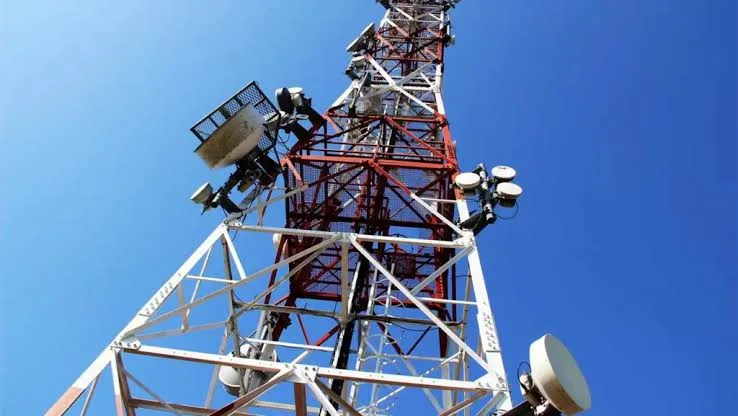
The Association of Licensed Telecommunications Operators of Nigeria (ALTON) has raised alarm over a potential shutdown of more than 16,000 telecom base stations. This follows roadblocks by members of the Nigerian Union of Petroleum and Natural Gas Workers (NUPENG) and the Natural Oil and Gas Suppliers Association (NOGASA) at diesel loading depots in Kaduna, Lagos, and Delta states. ALTON explained that the blockade has severely restricted diesel distribution, especially affecting infrastructure operated by IHS Towers, a major telecom infrastructure provider in Nigeria. Diesel is critical to powering telecom sites that keep mobile networks and internet services running across the country. Engr. Gbenga Adebayo, ALTON’s Chairman, emphasized that these sites are essential for millions of Nigerians. Beyond mobile and internet access, they support services like banking transactions, hospital and emergency communications, and national security operations. The disruption risks not only public convenience but also economic and safety concerns. The issue reportedly arose from diesel misappropriation allegations made by IHS against two NOGASA members, which is under official investigation. ALTON stressed it does not mediate such disputes but called on the groups involved to resolve the matter swiftly. They urged NUPENG and NOGASA leadership to allow unrestricted diesel supply access immediately. ALTON also called for urgent intervention from the Office of the National Security Adviser (ONSA), the Nigerian Communications Commission (NCC), and other stakeholders to prevent a nationwide communications blackout. The association reminded all parties that telecom infrastructure is legally designated as Critical National Information Infrastructure, meaning deliberate disruption could have legal consequences.
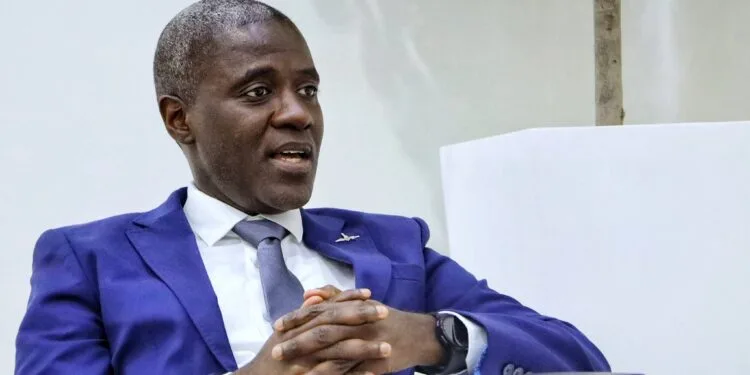
NCC tightens corporate governance rules for Nigerian telecoms to boost transparency and service quality
The Nigerian Communications Commission (NCC) has unveiled tougher corporate governance guidelines for telecom operators across the country, aiming to enhance transparency, risk management, and long-term business sustainability. At the launch of the 2025 Corporate Governance Guidelines in Lagos, NCC Executive Vice Chairman Dr. Aminu Maida emphasized that these rules are critical for strengthening investor confidence and improving overall service quality in the telecom sector. He explained that good governance is no longer optional but a strategic necessity given Nigeria’s digital economy and rising cybersecurity risks. Key changes include the requirement for telecom boards to have a balanced mix of executive, non-executive, and independent directors with expertise in ICT and cybersecurity. The roles of Chairman and CEO must be separate to ensure clearer accountability. Moreover, telecom companies must bolster their internal audit functions and regularly submit compliance reports certified by their boards. Dr. Maida shared findings from an internal NCC review linking strong governance to better business performance in service delivery and financial management. While admitting some operators may face initial challenges adapting, he stressed the benefits far outweigh any short-term disruption. The NCC warned that enforcement of the new rules will be strict, with sanctions for non-compliance after remediation periods. Industry leaders like Senior Advocate Prof. Fabian Ajogwu and Titus Osavwe from the Financial Reporting Council praised the reforms as timely updates that address emerging issues such as AI, cybersecurity, and environmental governance. The NCC pledged ongoing stakeholder engagement and technical support as they roll out these governance reforms, marking a significant step toward a more transparent and reliable telecom sector in Nigeria.
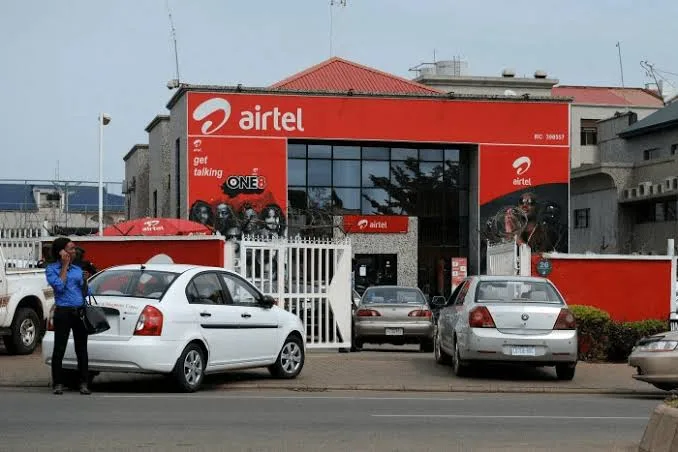
Airtel Nigeria to speed up 5G rollout due to rising data demand
Airtel Nigeria is set to fast-track its 5G network roll-out to meet the soaring demand for data across the country. The company’s CEO, Dinesh Balsingh, shared this update during a media event in Lagos, revealing plans to boost investment in network infrastructure this year. Currently, 5G penetration in Nigeria is low, just over 3% as of June 2025, despite three operators holding 5G licenses. Airtel aims to change that by expanding coverage significantly in the coming months. According to Balsingh, data consumption in Nigerian cities, especially Lagos, is growing rapidly due to urbanisation, more businesses, and a mobile-first lifestyle. “At Airtel, we know data is the new oxygen. We’re building a smart, scalable 5G and fibre network to support education, healthcare, commerce, and more,” he explained. However, he noted that rolling out infrastructure is only part of the challenge. Customers need affordable 5G-enabled devices to fully use the service. Airtel is partnering with device makers to lower smartphone prices and make 5G access more affordable across Nigeria. The Nigerian Communications Commission reports that while 4G coverage is nearly nationwide, only about half of Nigerians use 4G due to the high cost of devices. Nearly 40% still rely on older 2G connections. With better device availability and growing network coverage, 5G adoption is expected to pick up more strongly this year and beyond. This expanded 5G access could unlock new opportunities for digital services, business growth, and social development nationwide.
Nigerians spend record trillions on data as mobile internet becomes essential
Nigerians are spending more on mobile data than ever, with MTN and Airtel reporting record earnings as internet use explodes across the country. Recent financial reports show MTN Nigeria’s data revenue soared 85.6% to ₦701billion in Q2 2025, compared to ₦377billion last year. Airtel Nigeria followed closely, with a 60.3% rise to ₦260billion ($168million), showing that data is now the biggest driver of growth for both telecom giants. The Nigerian Communications Commission (NCC) confirmed that data consumption broke new records in May 2025, reaching 1.04 million terabytes, the highest since 2023. MTN said its average user now consumes 13.2GB per month, up over 26% from last year, while Airtel’s smartphone customers used an average of 11.8GB per month, a sharp jump from 9.9GB. Daily life now revolves around digital platforms, for many Nigerians. Social media, video streaming, online gaming, and even work meetings have all shifted online. Abraham Aduloju, a 28-year-old content creator in Lagos, captured this change: “Everything I do is online – Zoom meetings, WhatsApp calls, editing videos. I use at least 30GB a week.” Experts say short-form video apps like TikTok and Instagram Reels are driving usage, while the demand for remote work tools and livestreaming has pushed people to spend more on data. According to Adewale Adeoye, a telecom specialist, “Apps that autoplay videos eat a lot of data. Many people now budget specifically for their internet needs.” The need for reliable connectivity has become so central that some prioritize topping up their data plans over food. Presley Ibadin, CEO of K-Chronos Global Tech Limited, explained: “Data is now a lifeline. Some may not have food at home but will always keep their phones online to stay connected or reach out for help.” To meet the rush, operators are pouring billions into infrastructure. MTN ramped up its capital spending by almost 290% in the first half of 2025, investing ₦565.7billion to add new 4G sites, expand fiber networks, and start a new data centre. Airtel Africa increased its Nigerian capital spending to $39million in the last quarter and has announced bigger investments to push 5G coverage and improve networks, especially in rural areas. Despite the growth, Nigerians still face quality and reliability issues, leading many to keep SIMs from different providers to avoid blackouts. Still, telecom companies are racing to upgrade, hoping to bridge the gap and keep up with the country’s ever-connected youth.
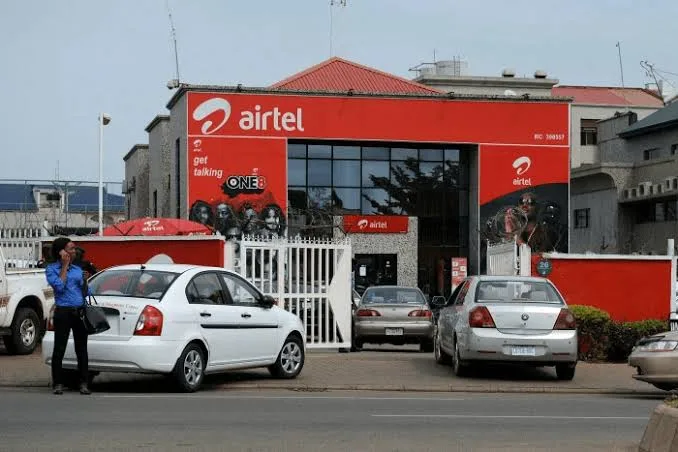
Airtel Africa signs multi-million dollar deal to boost AI across 14 countries
Airtel Africa has entered a new partnership with Xtelify to roll out advanced AI-powered tools across its operations in 14 African countries. The multi-year, multi-million dollar deal will give 150,000 Airtel field agents access to Xtelify’s software. With this platform, agents can gain key market insights, create targeted strategies, and deliver better customer service. The system will also help detect spam and prevent fraud, making telecom services safer for users. Airtel Africa says this move will help simplify its operations, improve customer experience, reduce customer losses, and raise revenue per user. According to Jacques Barkhuizen, Airtel Africa’s Group Chief Information Officer: “This partnership marks a transformative leap in our mission to build Africa’s digital future. By harnessing Airtel’s AI platforms that have proven scale in India, we are simplifying operations and accelerating personalized experiences across our 14 African markets.” Xtelify, a subsidiary of India’s Bharti Airtel, is bringing in tools that have already worked in India. Bharti Airtel’s Global Business Chief, Binod Srivastava, said: “Combining our Xtelify platform with Airtel Africa’s vision will allow us to address industry-wide challenges like spam and fraud while ensuring customer protection and digital transformation.” Airtel Cloud, another offering from Bharti Airtel, has also been unveiled. The cloud service can handle up to 1.4 billion transactions per minute and gives businesses modern IT and AI features, managed by more than 300 experts. Airtel is not alone in this AI push. MTN Group recently started using AI to improve its service in Nigeria, including smarter network management and energy use. MTN says responsible AI will help transform its entire business, not just in Nigeria but across Africa.
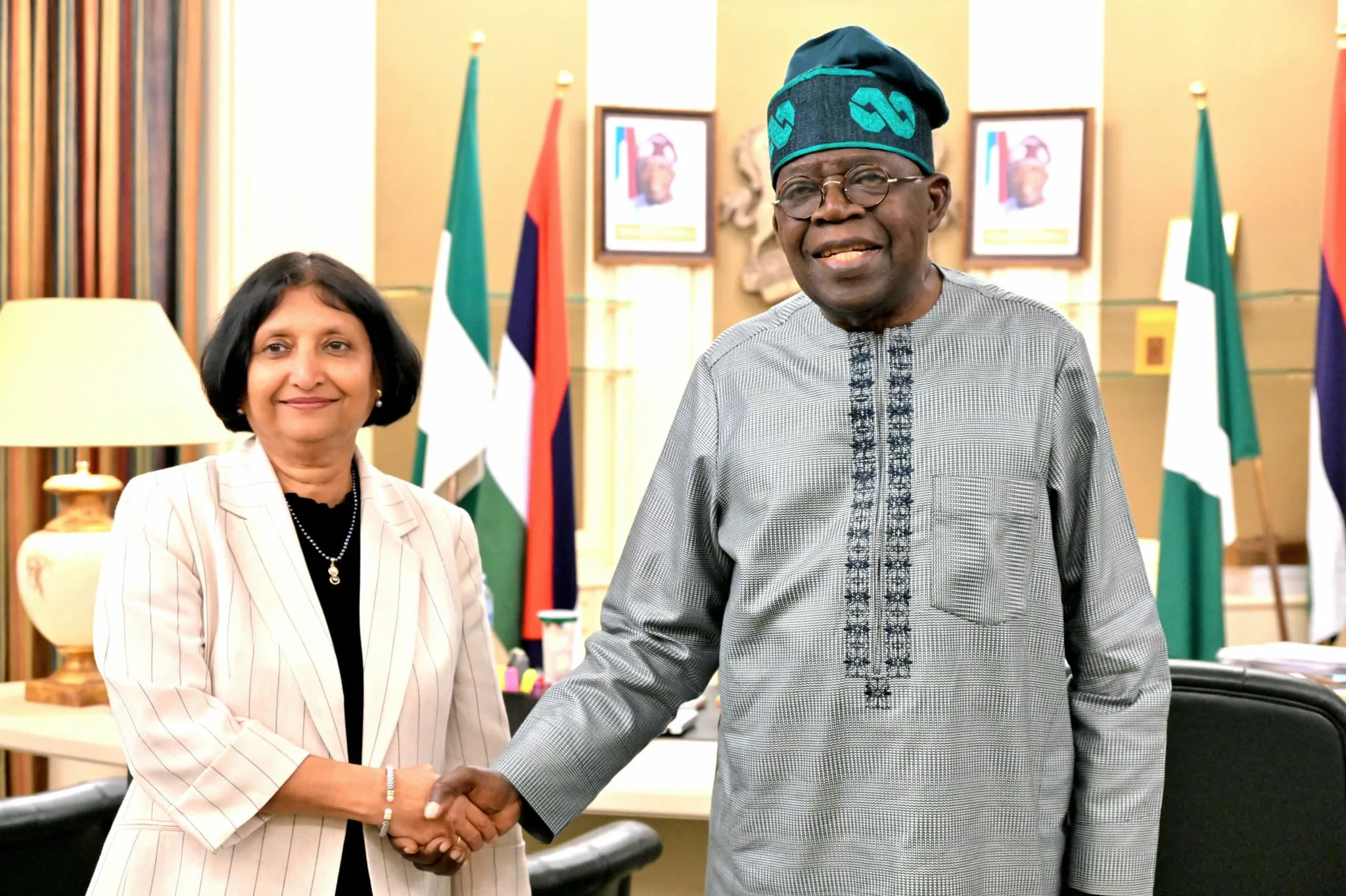
World Bank to boost Nigeria’s broadband with massive 90,000km fiber optic rollout
Nigeria is set to gain a huge leap in digital connectivity as the World Bank backs a new fiber optic project that will stretch 90,000km across the country. The announcement was made in Abuja during a visit by Anshula Kant, Managing Director and CFO of the World Bank, to President Bola Tinubu. Kant stressed the bank’s strong commitment to working with Nigeria on key reforms and infrastructure, especially in technology. The planned fiber optic network is expected to give millions of Nigerians better and faster access to the internet. This means more opportunities for education, health, and business in both cities and rural areas. Experts say this is one of the largest fiber projects in the world, and it’s a clear sign that Nigeria is serious about improving digital services. “We are working very closely with the government to deliver transformative results in several areas,” Kant noted, stating digital broadband as the centerpiece of these efforts. She pointed out that better internet will help drive jobs for young Nigerians, boost energy, education, and even agriculture. During the meeting, both sides agreed that growth, new jobs, and human capital are top priorities. The World Bank says these goals match closely with its mission to help countries grow in a way that benefits everyone. Kant also praised President Tinubu’s government for making bold economic reforms. “Nigeria is on the right path,” she said, promising more support and long-term investment to help unlock new opportunities for ordinary people. Finance Minister Wale Edun described the fiber plan as a “landmark” move, run together with the World Bank and Nigeria’s Ministry for Communications, Innovation and Digital Economy. According to Edun, it will be key for infrastructure and help more people and businesses get online in the coming years. Big projects like this can take time, but both sides have called the partnership strategic. The new broadband push is set to help Nigeria compete globally, improve lives, and prepare for a digital future.