Elon Musk’s artificial intelligence company, xAI, has raised $10 billion in a mix of debt and equity financing to accelerate its AI projects and expand infrastructure. The funding includes $5 billion in secured notes and term loans arranged by Morgan Stanley, and another $5 billion from strategic equity investors. The debt portion was oversubscribed, showing strong confidence from global investors. xAI plans to use the new capital to build one of the world’s largest data centres and enhance its Grok AI chatbot. Grok is designed to compete with AI platforms from OpenAI, Google, and Anthropic, with a unique edge through integration with Musk’s social media platform, X (formerly Twitter). Morgan Stanley said this financing structure lowers xAI’s cost of capital and gives it flexibility to scale operations and infrastructure. The firm called the deal a “vote of confidence” in xAI’s mission to advance scientific discovery and humanity’s understanding of the universe. Last year, xAI raised $6 billion, valuing the company at about $24 billion. This latest $10 billion round signals bigger ambitions as competition in AI heats up. OpenAI, for example, raised $40 billion earlier this year to push AI research and infrastructure for its 500 million weekly users. With this funding, xAI is set to deepen its role in the AI race, aiming to deliver powerful, real-time AI tools that could reshape how people interact with technology. This development matters because AI is rapidly becoming central to global tech innovation, and Nigeria’s growing tech ecosystem can benefit from breakthroughs and investments in AI infrastructure worldwide.
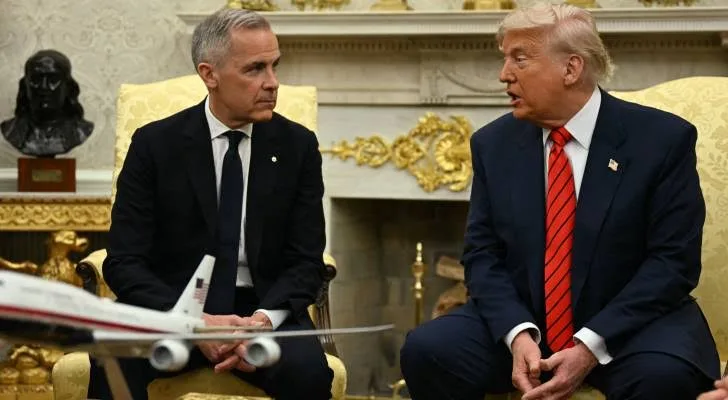
Canada drops digital services tax to restart trade talks with the US
Canada has cancelled its planned 3% digital services tax on big US tech companies like Amazon, Google, and Meta. This move comes just hours before the tax was set to begin and aims to restart important trade talks with the United States. The tax would have made US firms pay about $2 billion in back taxes on digital services used by Canadians. But after US President Donald Trump called off trade talks and threatened new tariffs, Canada decided to drop the tax. Prime Minister Mark Carney said this decision was made after a phone call with Trump and is meant to help get trade negotiations back on track before the July 21 deadline set at the recent G7 summit. Finance Minister François-Philippe Champagne said removing the tax will allow both countries to work on a new economic and security agreement. The tax had been controversial because while Canada wanted to ensure fair taxation of digital companies, the US saw it as unfair and harmful to trade. Political experts say Canada’s move is a clear win for the US and big tech firms. However, tariffs on Canadian steel, aluminum, and cars remain in place, so the trade relationship still faces challenges. The talks now continue with a tight deadline, and the outcome will shape the future of North American trade.
US E-Verify update raises privacy concerns for immigrant workers
A new federal policy in the United States is changing how employers monitor the immigration status of their workers, and it’s causing concern among immigrant communities and labor advocates. This week, the Department of Homeland Security (DHS) rolled out a major update to E-Verify, the online system many businesses use to confirm that new hires are legally allowed to work in the country. The latest feature, called the “status change report,” automatically alerts employers if an employee’s work permit, officially known as an Employment Authorization Document (EAD), has been revoked after they were hired. Previously, there was no formal process for employers to find out if a worker’s authorization had lapsed or been rescinded after hiring. Now, with real-time alerts, companies are expected to act quickly if an employee’s status changes. But here’s the catch: only employers receive these notifications. The affected workers themselves do not get any warning from the government. This lack of direct communication has sparked criticism. “Workers could lose their jobs without even knowing their status had changed,” said one immigration attorney. “It’s a recipe for confusion and hardship.” The new system puts added pressure on businesses. If an employee appears on the status change list and cannot provide new proof of legal work authorization, employers are expected to terminate their employment. At the same time, DHS has warned companies not to use this information to target or discriminate against workers based on their nationality or immigration status. Violators could face investigations and penalties under federal anti-discrimination laws. It’s a difficult balancing act: employers risk fines for keeping unauthorized workers, but could also face legal trouble if they act too aggressively or unfairly. For many immigrants, especially those with pending asylum cases or waiting for renewals of Temporary Protected Status, the update adds a new layer of anxiety. Without direct notification, they might not know their work permit has been revoked until they’re called into a meeting or handed a termination letter. The policy comes at a time of shifting immigration rules in the US, following a Supreme Court decision that upheld the government’s authority to end certain protections for immigrants. Many people who once qualified for programs like TPS or humanitarian parole may now be out of status, even if their documents still appear valid. Labor advocates and immigration lawyers are urging the government to notify workers directly if their status changes. “Transparency is key,” said a spokesperson for a national immigrant rights group. “People deserve to know if their livelihoods are at risk.” For now, the new E-Verify feature is in effect, and both employers and workers are being urged to stay informed and seek legal guidance if they have questions about their rights or responsibilities.
US Supreme Court ruling could change how Nigerians access adult content online
Recall in January, Daily Tech Nigeria reported that for over the past two and a half years, 19 states, representing over a third of the U.S. population, have passed laws aimed at restricting access to pornography for minors. This week, a major decision by the United States Supreme Court could – on the long run – impact how Nigerians and people worldwide access adult websites. The court upheld a law in Texas that requires porn sites to verify the age of every user, opening the door for similar rules across the internet. The ruling means websites with adult content may now be forced to use stricter age checks, like asking for ID or using facial recognition, to keep underage users out. This move is expected to spark new debates about privacy, online freedom, and how tech companies handle user data. Experts say the decision could set a global trend, as other countries look for ways to protect children online. For Nigerians, this could mean more hurdles when accessing certain sites, and possibly new requirements for local internet companies. Some internet freedom advocates worry these laws could threaten privacy or block access to legal content. Others argue it’s a needed step to keep young people safe online. It’s not yet clear how quickly these changes will reach Nigeria, but the decision is already making waves in the global tech community. As governments and tech companies react, Nigerians should watch for updates on new online rules and how they may affect digital rights.
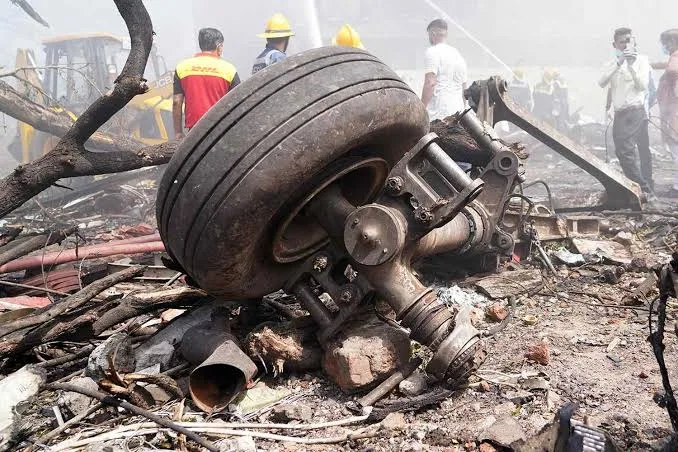
Air India deadly crash – black box data retrieved, investigation enters crucial phase
Investigators have successfully downloaded data from the black boxes of the Air India plane that crashed near Ahmedabad on June 12, promising new clues about the tragedy. The Aircraft Accident Investigation Bureau (AAIB) began extracting data from the flight’s black boxes on June 24, nearly two weeks after the crash that killed 241 people on board and 19 on the ground. The black boxes include the Cockpit Voice Recorder (CVR) and Flight Data Recorder (FDR), both recovered from the crash site and transported securely to the AAIB lab in Delhi. Despite damage to the devices, the AAIB managed to retrieve the Crash Protection Module and memory module, successfully downloading the data. Analysis of the recordings is ongoing to reconstruct the events leading to the crash of Air India Flight AI171, a Boeing 787-8 Dreamliner bound for London Gatwick. Early investigations suggest the pilots activated the emergency Ram Air Turbine (RAT) system shortly before the crash, indicating possible engine or electrical failure during takeoff. Experts say dual engine failure is rare but remains a focus of the probe. The crash occurred shortly after takeoff from Ahmedabad Airport, with surveillance footage showing the plane abruptly descending and hitting a medical college hostel. The tragedy is one of the deadliest in India’s aviation history. Relatives of victims are demanding answers. Imtiyaz Ali, whose brother was on the flight, said, “For now, all we know is the plane took off and then fell. How? Why? Nobody knows. And we want to know. We deserve to know”. With black box data now in hand, investigators hope to pinpoint the cause of the deadly plane crash soon.
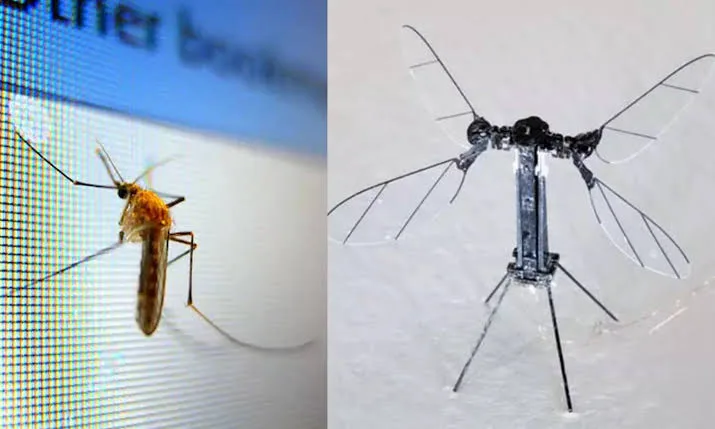
China unveils mosquito-sized drone for secret military missions
China’s National University of Defense Technology (NUDT) has introduced a tiny drone that looks and flies like a mosquito. This small drone, just 1.3 centimeters long, is made for secret spying and military surveillance. Demonstrated on China’s military TV channel CCTV 7, the drone has two leaf-shaped wings and a slim body with tiny legs. It carries small cameras and microphones that can capture pictures, sounds, and electronic signals. It can be controlled using a smartphone, making it easy to send on missions where bigger drones cannot go. Experts say this drone is hard to spot and can sneak into places like secure buildings or crowded areas without being detected. But its small size means it can only work for a short time before needing a recharge. This new drone is part of China’s broader military modernization efforts focusing on micro-robotics and intelligent warfare, joining global advancements in micro-UAV technology seen in countries like Norway and the United States. As these tiny drones become more common, they could change how spying and warfare are done. But they also raise worries about privacy and safety since they can be used to secretly listen or watch people. For now, this mosquito drone shows how technology is shrinking and getting smarter, whilst opening new possibilities for the future of military tech.