
The Nigerian government’s recent designation of Simon Ekpa and 16 other individuals and entities as terrorism financiers marks a significant escalation in the nation’s efforts to combat threats to national security. On March 6, 2025, the Nigeria Sanctions Committee (NSC) invoked Section 54 of the Terrorism (Prevention and Prohibition) Act, 2022, to freeze the bank accounts and assets of these parties, citing their alleged involvement in funding separatist activities and violent campaigns. This decision, approved by President Bola Ahmed Tinubu and implemented through the Attorney-General of the Federation, mandates financial institutions to immediately restrict all economic resources tied to the designated persons, including indirect assets and funds derived from their operations. The sanctions reflect Nigeria’s alignment with international counter-terrorism frameworks while addressing domestic concerns about the destabilizing influence of groups like the Indigenous People of Biafra (IPOB) and its armed wing, the Eastern Security Network (ESN). This report examines the legal, financial, and geopolitical dimensions of these measures, their enforcement mechanisms, and their potential ramifications for Nigeria’s security landscape. Basis in Counter-Terrorism LegislationThe NSC’s actions derive authority from Section 54 of the Terrorism (Prevention and Prohibition) Act, 2022, which empowers the Attorney-General, with presidential approval, to designate individuals or entities involved in terrorism financing. The Act defines terrorism financing broadly, encompassing not only direct support for violent acts but also indirect contributions to entities promoting divisive agendas. The freezing obligations extend to all funds “owned or controlled, directly or indirectly” by designated parties, including assets held by signatories and directors of sanctioned entities. This comprehensive approach ensures that financial networks cannot circumvent restrictions by dispersing resources across multiple accounts or intermediaries. Procedural ImplementationThe NSC directed financial institutions to take four immediate steps: Identify and freeze all accounts linked to the designated persons without prior notice. Report frozen assets to the Sanctions Committee. Submit Suspicious Transactions Reports (STRs) to the Nigerian Financial Intelligence Unit (NFIU). Flag transactions involving name matches with the sanctions list, both retrospectively and prospectively146. These measures aim to disrupt cash flows to groups like IPOB, which allegedly orchestrated 49 fundraisers globally between October 2023 and September 2024, according to NSC documentation. Simon Ekpa’s Role and Financial NetworksSimon Ekpa Njoku, a Finnish-Nigerian politician and self-proclaimed leader of the Biafra Republic Government in Exile (BRGIE), emerges as the central figure in this sanctions regime. His Guaranty Trust Bank (GTB) accounts (0118835791, 0115442299, 0115442275) were flagged for facilitating international fundraising campaigns that reportedly financed attacks on military installations in southeastern Nigeria. Ekpa’s use of social media to incite violence and coordinate “self-referendum” efforts for Biafran independence has drawn scrutiny from both Nigerian and Finnish authorities. His arrest in Finland in November 2024 on charges of spreading terrorist propaganda underscores the transnational nature of his activities. Coordination with IPOB AffiliatesThe sanctions list includes individuals like Godstime Promise Iyare, linked to IPOB’s local fundraising through a United Bank for Africa (UBA) account, and Awo Uchechukwu, identified as an ESN commander who received direct transfers from Ekpa via First Bank. Entities such as Igwe Ka Ala Enterprises and Seficuvi Global Company served as fronts for laundering donations collected through fintech platforms like Opay and Moniepoint. Notably, Mercy Ebere Ifeoma Ali and Ohagwu Nneka Juliana managed BRGIE-linked accounts at Access Bank and UBA, respectively, highlighting the group’s reliance on mainstream financial institutions to mobilize resources. Several designees engaged in identity manipulation to evade detection. For instance, Godstime Iyare’s mobile number was associated with multiple National Identity Numbers (NINs), while Seficuvi Global Company maintained accounts under different names at Access Bank and Ecobank. Such tactics necessitated the NSC’s emphasis on “name matching” protocols to trace historical transactions. Nigeria-Finland CollaborationPresident Tinubu’s acknowledgment of Finland’s cooperation in Ekpa’s arrest signals a strategic alignment with European partners to address diaspora-based threats. The Finnish government’s ongoing prosecution of Ekpa for cyber incitement complements Nigeria’s domestic sanctions, creating a dual legal pressure mechanism. However, extradition complexities persist, as EU regulations limit the deportation of citizens facing terrorism charges without robust evidentiary exchanges. The sanctions occur amid escalating violence in southeastern Nigeria, where IPOB and ESN attacks have claimed over 200 lives since 2023. By targeting financiers, Nigeria aims to degrade the operational capacity of these groups, mirroring counter-insurgency strategies employed against Boko Haram in the northeast. However, critics argue that blanket asset freezes could exacerbate grievances in the Igbo-majority region, potentially fueling recruitment for separatist causes. Banks must now implement real-time monitoring systems to flag accounts tied to the 17 designees, a task complicated by the use of pseudonyms and shell companies. For example, Lakurawa Group’s accounts at Access Bank (1436852548) and Ecobank (3831141439) operated under ambiguous business registrations, delaying initial detection. The retroactive scrutiny of transactions since 2023 further strains compliance departments, requiring audits of millions of records. Financial institutions face dilemmas in balancing regulatory obligations with customer privacy rights. The NSC’s mandate to freeze “jointly owned or controlled” assets risks affecting innocent business partners and family members of designees. Awo Uchechukwu’s First Bank account, for instance, reportedly received personal remittances alongside ESN funding, illustrating the difficulty of disentangling legitimate and illicit flows. The sanctions have intensified debates about self-determination in Nigeria’s southeast. While the government frames the measures as necessary for national unity, pro-Biafra groups allege political persecution, citing the continued detention of IPOB leader Nnamdi Kanu despite court-ordered releases. Ekpa’s BRGIE has vowed to circumvent financial restrictions through cryptocurrency and informal hawala networks, testing the NSC’s enforcement capabilities. Human rights organizations warn that broad terrorism designations could suppress dissent, noting that 8 of the 17 sanctioned individuals have no prior criminal records. The inclusion of entities like Igwe Ka Ala Enterprises, which purportedly engaged in legitimate trade, raises questions about due process in the NSC’s listing criteria. Nigeria’s sanctions against Simon Ekpa and associates represent a multifaceted approach to countering terrorism financing, blending domestic legal rigor with international diplomacy. While the measures disrupt key funding pipelines for separatist groups, their long-term efficacy hinges on addressing underlying socio-economic grievances in the southeast and enhancing transparency in the
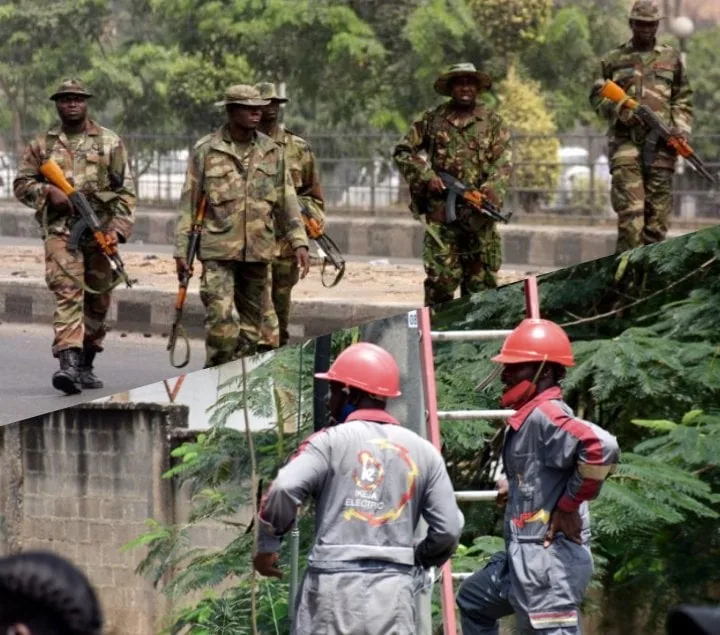
IKEDC accuses Nigerian Air Force of ₦4.34 billion unpaid electricity debt
The Ikeja Electricity Distribution Company (IKEDC) has accused the Nigerian Air Force (NAF) of refusing to settle an outstanding electricity debt totaling ₦4.34 billion, despite having the financial capacity to do so. This ongoing dispute has escalated tensions between the two entities, with IKEDC taking measures to regulate power supply to the Ikeja Air Force Base. According to Sunday Oduntan, CEO of the Association of Nigerian Electricity Distributors (ANED), the debt accumulated over several years. Between 2013 and 2022, the NAF owed ₦7.5 billion but paid ₦4.3 billion after interventions by former Minister of Power Babatunde Fashola. However, fresh bills of ₦1.4 billion in 2023 and ₦1.5 billion in 2024 added to the arrears, leaving a total unpaid balance of ₦4.34 billion. Oduntan noted that while the NAF paid part of its recent bills, it has consistently refused to clear older debts. “They are able to pay but choose not to,” he stated during an interview on Arise TV. The situation took a violent turn in 2024 when IKEDC representatives sent to request payment were reportedly assaulted at the Ikeja Air Force Base. More recently, over 100 NAF personnel allegedly attacked IKEDC’s Lagos headquarters following a power disconnection at their facility due to unpaid bills. The attack resulted in injuries and vandalism, with reports indicating that even pregnant staff members were assaulted. In response to non-payment, IKEDC installed an auto recloser device at the base in July 2024 to regulate electricity supply based on payment patterns. The device allows DisCos to manage energy distribution depending on a customer’s willingness or ability to pay. Oduntan acknowledged that President Bola Tinubu’s administration had assured electricity providers that government Ministries, Departments, and Agencies (MDAs), including military institutions, would settle their debts. While some payments were made in 2023 under this commitment, the situation deteriorated in 2024. The standoff raises broader concerns about accountability and financial discipline within government agencies. As IKEDC continues its efforts to recover debts, questions remain about how such disputes impact Nigeria’s already strained power sector and public services reliant on uninterrupted electricity supply.
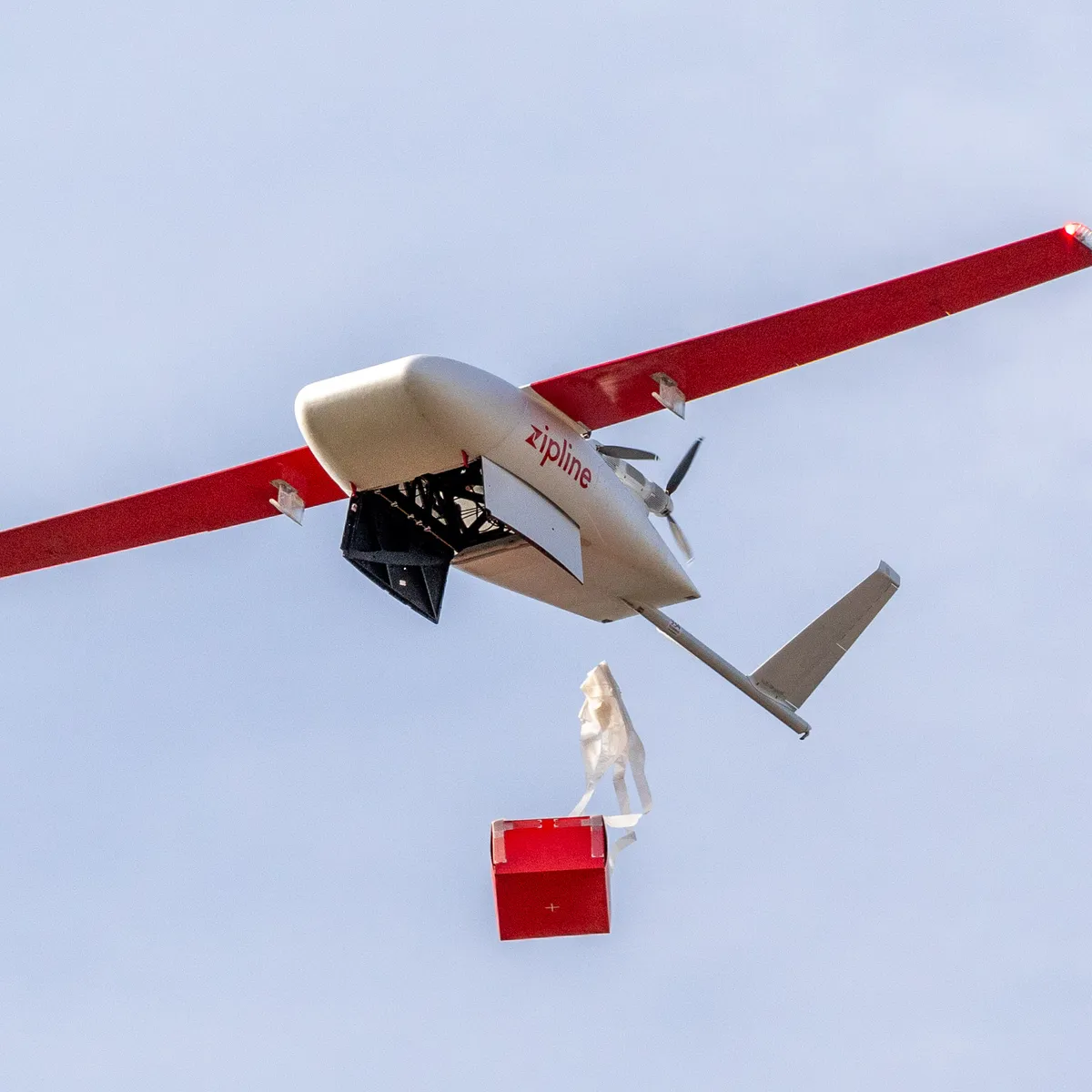
Zipline to expand drone delivery network in Nigeria, targeting five new states by 2025
Zipline, a U.S.-based drone logistics company, is set to expand its operations in Nigeria by launching services in five additional states by the end of 2025. This move follows a memorandum of understanding signed with the Nigerian government in September 2024, enabling Zipline to use its cutting-edge drone technology to deliver essential medical supplies to underserved and remote areas. Currently operating in Bayelsa, Kaduna, and Cross River states, Zipline plans to increase its network to seven drone deployment stations, known as “nests.” These hubs play a crucial role in addressing Nigeria’s healthcare challenges, including poor infrastructure, counterfeit drugs, and delays in medical supply distribution. According to Akin Oyediran, Zipline Nigeria’s country manager, the expansion aims to strengthen healthcare delivery systems across different states. Each Zipline nest can support up to 300 drone flights daily, delivering life-saving supplies such as vaccines, anti-malaria drugs, and emergency medications within a 38,000 km² radius. The drones can complete deliveries in under 30 minutes, significantly faster than traditional methods that often take hours or even days due to poor road networks. Since entering the Nigerian market in 2022, Zipline has leveraged its expertise from operations in countries like Rwanda and Ghana. With funding exceeding $900 million and a valuation of $4.2 billion as of May 2023, the company is well-positioned to scale its services. Beyond healthcare, Zipline is exploring opportunities in agriculture and e-commerce logistics to further enhance supply chains across Nigeria. This expansion shows Zipline’s commitment to improving healthcare access for millions of Nigerians while laying the groundwork for broader applications of its innovative drone technology.
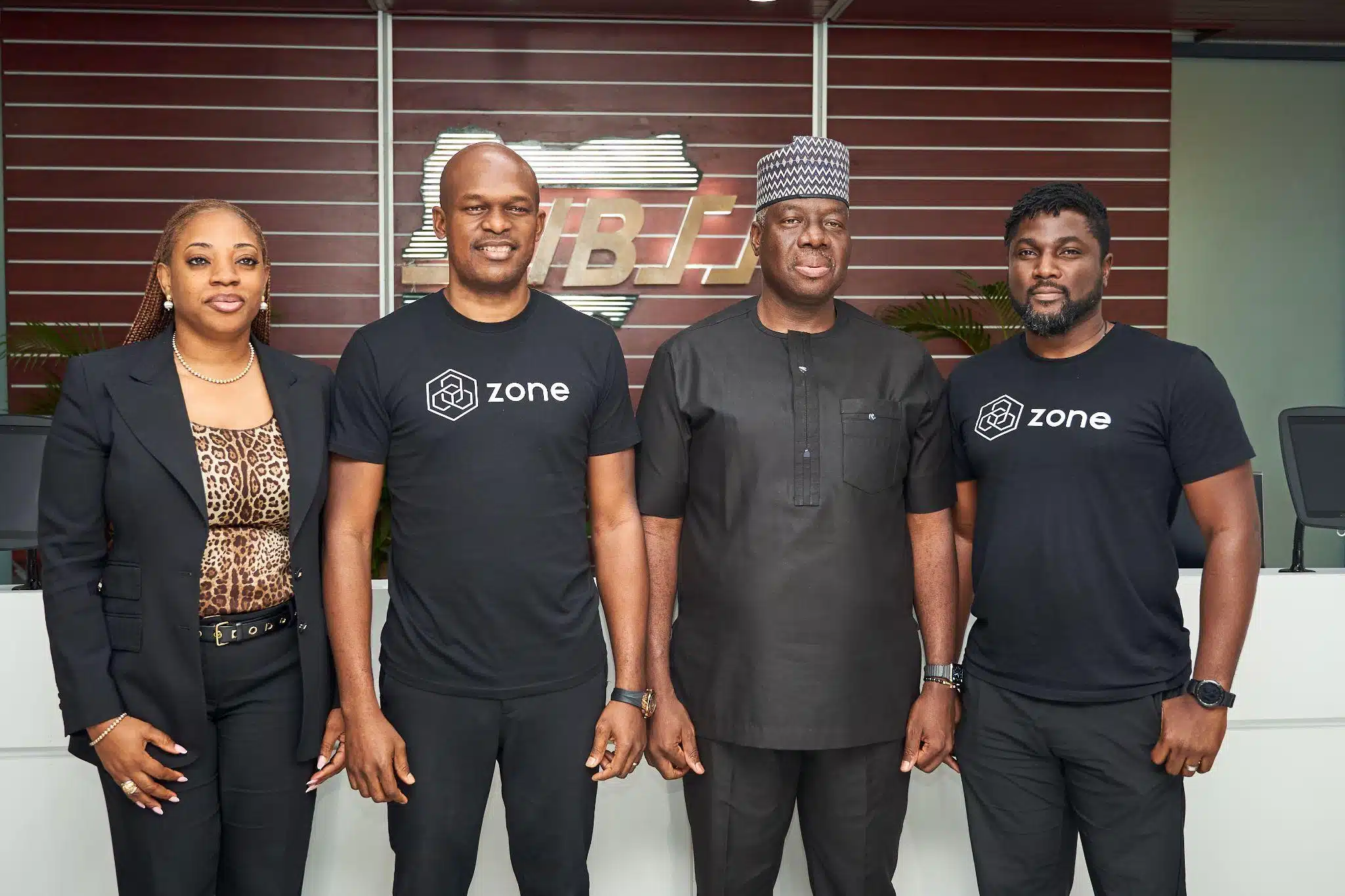
Zone hits ₦1 trillion milestone as blockchain gains traction in Nigeria’s banking sector
Zone, a Nigerian payment infrastructure company, has reached a groundbreaking milestone, processing over ₦1 trillion in transactions on its blockchain network between November 2022 and December 2024. This achievement, which includes 100 million transactions averaging ₦10,000 each, marks a significant step in integrating blockchain technology into Nigeria’s financial ecosystem. Transforming ATM and POS PaymentsZone initially focused on automated teller machine (ATM) transactions as a pilot for its blockchain-powered network. Despite the decline in ATM usage, transaction values dropped from ₦32.65 trillion in 2022 to ₦28.2 trillion in 2023, the company recorded notable success. Twelve banks currently use Zone’s blockchain for faster settlement rates on ATMs, with plans to expand further. In June 2024, Zone extended its blockchain to Point-of-Sale (POS) terminals, addressing persistent challenges like transaction failures and chargebacks. By August, it partnered with the Nigeria Inter-Bank Settlement System (NIBSS) to integrate POS transactions into its regulated blockchain ledger. This collaboration allows NIBSS to manage interactions between banks and POS terminals on Zone’s network, ensuring compliance and enhancing reliability. Balancing Innovation and RegulationZone’s success stems from its ability to align blockchain innovation with regulatory requirements. CEO Obi Emetarom explained that the company adopted a semi-decentralized approach to meet compliance standards while maintaining blockchain’s transparency and efficiency. This strategy has earned the trust of major financial institutions like Zenith Bank and UBA. The Central Bank of Nigeria (CBN) approved Zone’s partnership with NIBSS in December 2024, following delays caused by regulatory processes. Currently, Zone is testing its network to ensure data integrity before full-scale deployment. Zone plans to expand its services to account-to-account fund transfers, bringing blockchain technology closer to everyday Nigerians. With its innovative solutions and growing partnerships, the company is poised to redefine digital payments in Nigeria and potentially export its technology across Africa.

Nigerian drivers launch Simpliride to challenge Uber, Bolt with affordable subscription model
Nigerian ride-hailing drivers have launched SimpliRide, a homegrown app challenging industry giants like Uber, Bolt, and inDrive with a flat ₦500 ($0.33) daily subscription fee, a sharp departure from the commission-based models that deduct up to ₦15,000 ($10.03) monthly from drivers’ earnings. The move comes amid rising fuel costs, inflation, and long-standing dissatisfaction with existing platforms, signaling a potential shift in Nigeria’s gig economy dynamics. Frustrated by steep commissions and stagnant policies, drivers behind SimpliRide aim to create a fairer system. The app, available on the Google Play Store, offers separate interfaces for drivers and riders. Since its soft launch, the driver app has seen 500 downloads with positive reviews, though rider adoption remains modest at 100 downloads. “We’re tired of platforms that prioritize profits over people,” said a driver who requested anonymity. “With SimpliRide, we keep more of our earnings, especially now that fueling a car costs ₦180,000 ($120) weekly”2. This isn’t the first driver-led initiative, MyKab, launched in 2020, later evolved into the government-backed LagRide. However, SimpliRide marks the first direct challenge to multinational players in a market projected to grow by 12.56% annually, reaching $477 million by 2029. The App-Based Transporters of Nigeria (AUATON), a drivers’ union, has endorsed SimpliRide but denies direct involvement. Jolaiya Moses, AUATON’s National Treasurer, clarified, “The union isn’t behind the app, but we support its non-commission structure”. Industry insiders, however, claim AUATON holds a 40% stake, fueling speculation about its role. Skepticism persists among union leaders. Ibrahim Ayoade, AUATON’s General Secretary, questioned drivers’ capacity to manage the app: “Can drivers develop and sustain this? AUATON is a regulator, not a competitor”. SimpliRide enters a fiercely competitive arena. inDrive, recently ranked Nigeria’s #2 ride-hailing app, reported 6.1 million global downloads in December 2024 alone, leveraging its peer-to-peer pricing model. Meanwhile, established players like Bolt offer conditional health insurance, a perk SimpliRide aims to expand through partnerships. Analysts warn that network effects could hinder SimpliRide’s growth. “Ride-hailing thrives on user density. Without riders, even low fees won’t attract drivers,” said Timothy Oladimeji, inDrive’s Nigeria representative. The launch coincides with Nigeria’s push for fairer labor practices. In 2024, SimpliRide joined 11 other platforms to provide drivers health insurance covering surgeries, cancer treatments, and antenatal care, a landmark achievement for gig workers. Yet challenges loom. Inflation and regulatory hurdles persist, while platforms like Chowdeck, a food delivery startup, are cutting 68% of contract staff to automate operations. For SimpliRide, success hinges on balancing affordability with scalability. SimpliRide plans an official rider app launch in April 2025. If successful, it could inspire similar worker-led ventures across Africa’s gig economy. As urban populations swell and smartphone penetration deepens, Nigeria’s ride-hailing market remains a battleground for innovation, and survival. “This is about reclaiming control,” said a SimpliRide co-developer. “Drivers aren’t just labor; we’re stakeholders.”
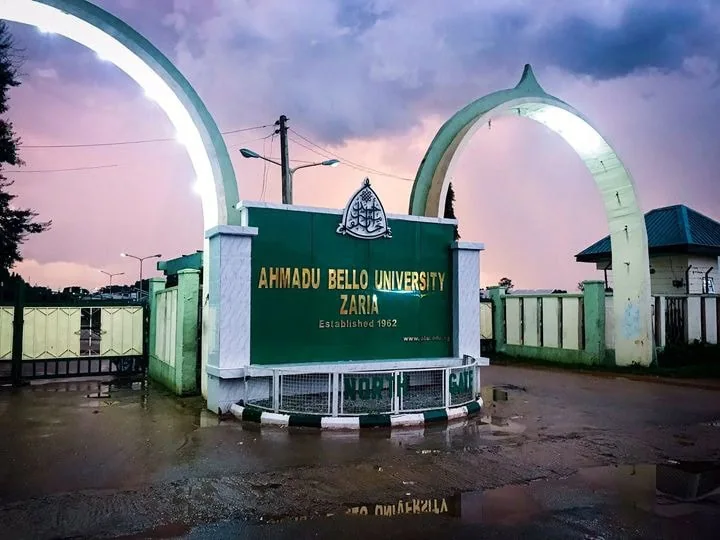
Ahmadu Bello University set to overcome decades-long power crisis with 12MW solar plant
Ahmadu Bello University (ABU), Zaria, one of Nigeria’s largest tertiary institutions, is poised to resolve its persistent electricity challenges following the approval of a 12MW solar hybrid power plant funded by the Rural Electrification Agency (REA). The project, part of the federal government’s Renewed Hope Infrastructure Fund, will commence construction immediately and is slated for completion by December 2025. The REA, under its special intervention initiative, will fully fund the 12MW solar plant as a grant to ABU. Once operational, the facility will provide uninterrupted clean energy to the university’s academic buildings, research centers, student hostels, and administrative offices. REA Managing Director Alhaji Abba Abubakar Aliyu emphasized that the agency will collaborate closely with ABU to design a sustainable energy model, ensuring cost-effective operations and long-term maintenance. A term sheet formalizing the partnership is expected to be signed within weeks, with the university contributing minimally to cover future asset replacements and system upkeep. ABU Vice-Chancellor Prof. Kabiru Bala described the project as a “transformative intervention” during a recent visit to REA headquarters in Abuja. He highlighted the university’s monthly expenditure of over ₦85 million on grid electricity and diesel generators, which has strained budgets and disrupted academic activities for years. “This solar plant will not only stabilize our power supply but also redirect funds toward critical research and infrastructure development,” Prof. Bala stated. For over a decade, ABU has relied on Nigeria’s erratic national grid and expensive diesel generators, with frequent outages paralyzing laboratories, lecture halls, and medical facilities. The university’s 2025 announcement follows earlier stalled efforts, including a 2019 plan for a 10MW solar plant that never materialized due to funding gaps. The new initiative aligns with the REA’s Energizing Education Programme (EEP), which has deployed hybrid systems in seven universities since 2021, including Bayero University Kano’s 7.1MW plant, Africa’s largest off-grid solar hybrid facility. The ABU project advances Nigeria’s commitment to deriving 30% of its energy from renewables by 2030, as outlined by former Vice President Yemi Osinbajo during the 2021 commissioning of a 1.12MW plant at Abubakar Tafawa Balewa University. Unlike earlier EEP installations, which faced delays in activation, the REA has incorporated lessons from prior deployments, including modular designs and localized workforce training. REA’s recent successes, such as the 352kWp interconnected mini-grid in Nasarawa’s Toto community, demonstrate the agency’s refined approach to public-private partnerships. The Toto project, operational since November 2023, now powers 2,800 households and businesses through a hybrid system linked to the national grid. Upon completion, ABU’s solar plant will reduce the institution’s carbon footprint by an estimated 18,000 tons annually while saving ₦1.02 billion in yearly energy costs. The facility may also serve as a training hub for engineering students, mirroring the EEP’s female STEM training programs at other universities. Prof. Aliyu Rafindadi Sanusi, ABU’s Deputy Vice-Chancellor for Research, confirmed that the solar plant will integrate battery storage and smart metering infrastructure, enabling future energy sharing with neighboring communities. This interconnectivity model, pioneered in Toto, positions ABU as a potential anchor client for regional mini-grid expansions. The REA has concurrently accelerated its university electrification drive, with ongoing projects at the University of Lagos and Usmanu Danfodiyo University Sokoto anticipated to commission 8.5MW and 2MW systems, respectively, by mid-2026. ABU’s transition to solar energy marks a critical milestone in Nigeria’s renewable energy transition, offering a replicable blueprint for other institutions grappling with power shortages. As the December 2025 deadline approaches, stakeholders will monitor the project’s execution closely, particularly its integration with existing grid infrastructure and long-term sustainability mechanisms. Success here could catalyze further investments in academic energy solutions, aligning educational advancement with national climate objectives.