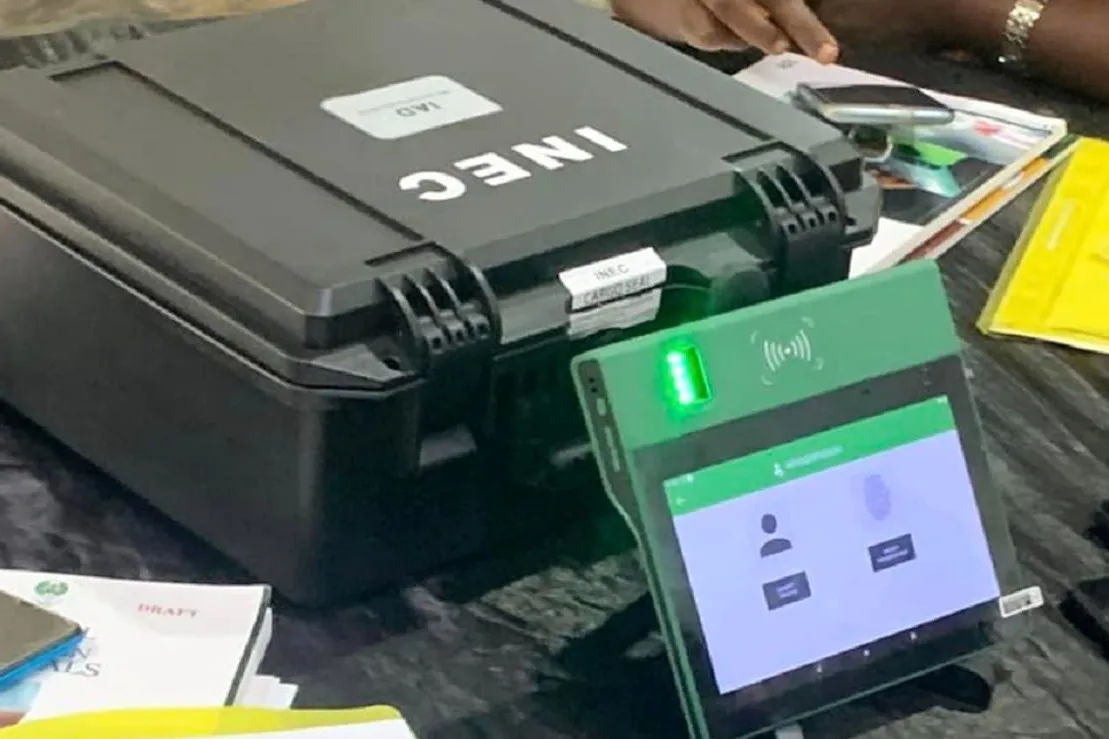
The Independent National Electoral Commission (INEC), is currently facing fresh scrutiny after its official website homepage suddenly went offline. Since Thursday evening, visitors trying to access the website of the electoral body, have been met with a 404 error, meaning the page cannot be found. However, some parts of the website are still working normally. The Continuous Voter Registration portal and other internal pages remain accessible, meaning the problem may not be a full system failure but rather a technical error affecting only the homepage. Technology experts state that the issue could be linked to a backend configuration mistake, such as the homepage being accidentally deleted, unpublished, or affected by a recent update to the content management system of the site. While such problems can be fixed quickly by administrators, the electoral commission has not yet released any official statement explaining the outage or when the homepage will be restored. The incident is already raising questions about digital electoral infrastructure of the country, especially as the 2027 general elections approach. Under the Electoral Act 2026, INEC is required to publish the necessary election information online, including voter registers, candidate lists, and election results. The commission has also promised to transmit election results electronically in real time during future elections using technologies like the Bimodal Voter Accreditation System. However, many Nigerians say the current website issue raises concerns about whether INEC’s digital infrastructure is fully prepared for such a critical task ahead. During the 2023 elections, INEC’s result viewing portal faced delays in uploading results, raising nationwide debate over the reliability of its digital infrastructure. As of now, the homepage remains offline, and the electoral commission has yet to publicly address the issue. Details later……

Google expands AI search to Yoruba, Hausa
Google has expanded its artificial intelligence (AI) search capabilities to include Yoruba and Hausa, which are the two most widely spoken languages in Nigeria. This feature permits users to access AI Overviews and AI Mode for conversational queries and summaries in their native tongues.Google’s expansion currently covers 13 African languages including Swahili, Amharic, and isiZulu, which were selected based on high search volumes and digital engagement. This expansion comes after the launch of Nano Banana 2, last month, in Nigeria, which is a high-fidelity image generation model that allows creators to generate professional visuals via text prompts.The update integrates Yoruba and Hausa into the primary AI search tools of Google, thereby enabling voice and text-based conversational exploration for millions of speakers.The tools are designed to assist entrepreneurs and creators, and also allow local traders to seek business advice in their preferred language.Google stressed that the expansion will democratize access to advanced tools, by removing language barriers. This makes it possible for students in Kano who speak Hausa and traders in Ibadan who speak Yoruba language to communicate effectively without language barrier. As good as this upgrade is, there is also a call by stakeholders for rigorous monitoring to ensure that AI-generated summaries in local languages maintain factual accuracy and avoid cultural nuances being lost in translation.
Telecoms must alert on cyber threats within 4 hours, set up SOCs – NCC
The Nigerian Communications Commission (NCC) has issued a directive that requires all telecommunications companies to report cyber attacks within four hours of detection. The directive, which can be found in the newly released Cyber Resilience Framework for the Nigeria Communication Sector (CRF-NCS) dated February 2026, is targeted at promoting national security and safeguarding the data of subscribers across the digital infrastructure of the country. The CRF-NCS complements the Revised Internet Code of Practice 2026, which already permits telcos to notify affected subscribers of data breaches within 48 hours. The goal of the NCC is to create a real-time situational awareness map to mitigate systemic risks before they impact the national economy.Operators are obliged to notify the NCC via a dedicated portal within four hours of detecting a threat, followed by status updates every four hours and a full report within 24 hours.All telcos, including MTN, Airtel, and Globacom, must establish a dedicated Cyber Security Operations Centre (SOC) to monitor and detect malicious activities continuously. The NCC has provided a one-year grace period, starting in February 2027. “The framework aims to foster a unified and resilient cybersecurity stance while strengthening the protection of telecom infrastructure against cyberattacks… enabling service providers to effectively respond to, recover from, and also learn from cybersecurity events” – NCC Telecom operators have twelve months grace period to integrate these requirements into their internal structures.
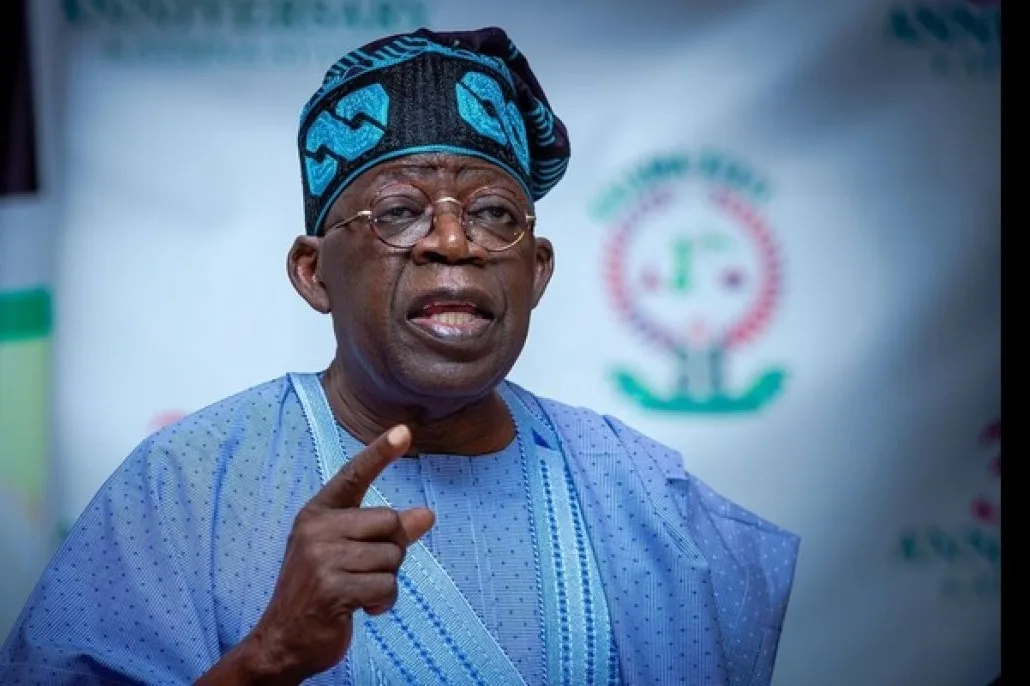
Tinubu scraps FAAN cashless policy after 72-hour chaos
President Bola Tinubu has ordered the suspension of the Federal Airports Authority of Nigeria’s (FAAN) mandatory cashless payment policy. This directive, was issued on March 4, 2026, just three days after a rollout that resulted in severe traffic congestion, which made many passengers miss their flights at Lagos and Abuja international airports. The Minister of Aviation, Minister Festus Keyamo stated that the directive by the president was born out of compassion for the greater good of Nigerians; ”He [the President] gave the directive out of compassion for the members of the public who are missing their flights and who spend long periods in traffic. We are to revert to cash payments while developing a more seamless system” – Minister Festus Keyamo Recall, in September 2025, FAAN announced the transition to a fully digital payment system for all vehicles entering airport premises. The Go Cashless policy, which is powered by a partnership with the fintech firm Paystack, mandates all motorists to use prepaid cards. The policy is targeted at enforcing the Federal Treasury Single Account (TSA) regulations, in order to eliminate physical cash handling by government agencies.However, the implementation on March 1, 2026, overwhelmed airport access points. This was because thousands of motorists were attempting to register and fund cards at airport gates, thereby creating queues that stretched several kilometers. Motorists are advised to pay with cash at all airport gates with immediate effect, as FAAN reverts to a hybrid system of cash and prepaid cards.The mandatory digital-only phase lasted only 72 hours before the presidency intervened to prevent further economic disruption and missed flight schedules.The Federal Government as well as FAAN stressed that the move toward a cashless economy is a non-negotiable directive for all ministries and agencies. FAAN officials initially blamed the congestion on motorists who failed to register for cards during the five-month notice period provided since September 2025.

Tinubu signs Electoral Act 2026 mandating 24-hour fresh polls for BVAS failures
The Federal Government of Nigeria has enacted the Electoral Act 2026, in order to transform the protocol for electronic voting failures, which was signed into law by President Bola Tinubu in February 2026. The 2026 Act serves as a response to the logistical and technological challenges of the 2023 general elections. During that cycle, BVAS malfunctions, including dead batteries and server connectivity issues, led to the disenfranchisement of voters in several states. The Act, specifically, Section 47(3), stipulated that if an accreditation device fails and a replacement is not deployed, the election in that specific polling unit must be cancelled and a fresh poll conducted within 24 hours.If a device failure occurs and impacts the final result of any constituency, INEC must schedule a new election within 24 hours. This replaces the previous practice of scheduling supplementary elections weeks later.Section 47(2) also grants full permission to use the BVAS or an equivalent technological device for all voter accreditations, thereby removing the previous discretion of INEC to revert to manual registers.The Senate believes that the 24-hour timeline prevents result engineering that often occurs during long delays; “The Electoral Act 2026… seeks to enhance electoral credibility, reduce disputes, and ensure that economic or administrative hurdles do not compromise the will of the people” – Opeyemi Bamidele (Senate Leader) Meanwhile, Section 60(6) introduces new penalties, which include a ₦500,000 fine or six months’ imprisonment, for any presiding officer who willfully frustrates the electronic transmission of results.
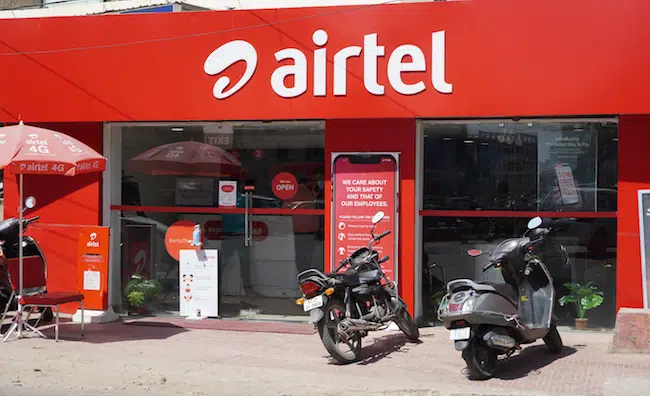
Airtel’s SmartCash reaches 3 million active users
SmartCash Payment Service Bank (PSB), the financial services subsidiary of Airtel Nigeria, has reached a milestone of 3 million active users. The Central Bank of Nigeria (CBN) introduced the Payment Service Bank (PSB) category in 2018 to deepen financial inclusion, particularly in rural areas. Unlike traditional commercial banks, PSBs are permitted to accept deposits and facilitate transfers but are restricted from issuing loans or insurance.While telecom-led fintechs like SmartCash leverage on existing subscriber bases, they have struggled to match the revenue of competitors such as OPay, PalmPay, and Moniepoint. As of late 2025, SmartCash reported approximately $6 million in revenue. To bridge this gap, Airtel is pivoting toward a Zero-Charges strategy to convert passive telecom users into active financial customers.SmartCash stated that its 3 million users are customers who have transacted within the last 30 days.SmartCash has also eliminated all charges for interbank transfers, bill payments, and SMS alerts, eliminating the psychological tax that often deters low-income earners from digital banking.The bank offers a 15% annual interest rate on savings, with interest calculated and credited daily, though this remains subject to adjustments based on the Central Bank’s Monetary Policy Rate (MPR). “Transaction costs act as barriers to people accessing financial services. We are eliminating this barrier, come and transact… It is a deliberate effort to remove the ‘psychological tax’ that discourages low-income and rural Nigerians” – Ayotunde Kuponiyi, Chief Executive Officer of SmartCash PSB The company also plans to utilize its growing deposit base to power a large digital ecosystem, by seeking partnerships to offer insurance and remittance services to its expanding user base.