
The financial technology sector in Nigeria is poised for a transformative year as contactless payment solutions gain momentum. With major players introducing innovative systems, the country could see a significant shift toward cashless transactions, making payments faster, cheaper, and more accessible. Leading the charge is Moniepoint, which has partnered with AfriGo to roll out five million contactless payment cards. These cards are designed to make everyday transactions seamless by allowing users to simply tap their cards on compatible devices. In a similar vein, Access Bank, in collaboration with Visa, has launched the “Tap to Phone” solution. This innovation enables merchants to accept payments directly on NFC-enabled Android smartphones without the need for traditional POS terminals. This growing adoption of contactless technology is not limited to private enterprises. The Central Bank of Nigeria (CBN) is actively supporting these developments as part of its broader push for financial inclusion. By encouraging innovations like open banking and expanding digital payment infrastructure, the CBN aims to bring more Nigerians into the formal financial system. The Nigeria Inter-Bank Settlement System (NIBSS) is also playing a key role in this transformation. It has introduced new tools like the Soundbox and mCash Plus, which are designed to simplify payments for small businesses and individuals. These solutions not only enhance convenience but also address challenges faced by underserved populations, further promoting financial inclusion. The shift toward contactless payments comes at a critical time when the cost of producing physical cards is rising due to global chip shortages and inflationary pressures. Digital-first solutions, such as virtual cards and mobile wallets, offer a more cost-effective alternative. They also align with global trends where consumers increasingly prefer faster and more secure payment methods. Experts believe that 2025 could be the year when contactless payments become mainstream in Nigeria. As banks, fintech companies, and regulators work together to expand access and improve user experiences, the country may witness a significant leap forward in its journey toward a fully cashless economy. With these advancements, Nigeria is positioning itself as a leader in Africa’s digital payment revolution. Whether through tap-to-pay cards, smartphone-enabled transactions, or virtual wallets, contactless payments are set to redefine how Nigerians interact with money, making everyday transactions easier and more efficient for millions.
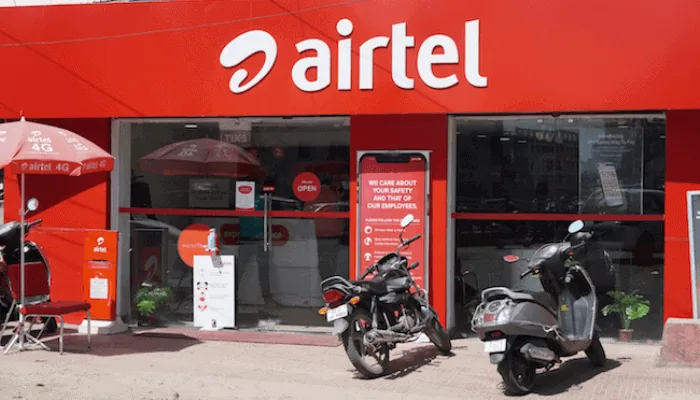
Airtel Nigeria launches AI-powered spam alert service to tackle SMS fraud
Airtel Nigeria has introduced an artificial intelligence (AI)-powered spam alert service to combat the growing problem of spam messages and SMS fraud. This innovative solution, the first of its kind in Africa, is designed to enhance consumer protection and restore trust in digital communications. The service, which is automatically activated for all Airtel customers, requires no additional downloads or setup. It is accessible to both smartphones and features phone users, ensuring widespread coverage across the network. By analyzing over 250 parameters in real time, the AI system identifies suspicious messages based on factors such as the sender’s usage patterns, frequency of messages, and geographical targeting. Messages flagged as potentially harmful are labeled “Suspected SPAM,” alerting users while maintaining their privacy since the AI does not read message content. To further safeguard customers, the system also includes a centralized database of blocked URLs to warn against malicious web links sent via SMS. Dinesh Balsingh, Managing Director and CEO of Airtel Nigeria, described the initiative as a “game-changer” for the continent’s telecom industry. “We are proud to lead the way with Africa’s first AI-powered spam alert solution. This innovation reflects our commitment to addressing customer challenges through proactive, technology-driven solutions,” he said. The introduction of this service comes at a critical time when spam messages and SMS fraud have become a significant concern in Nigeria, leading to financial losses and eroding consumer trust. By leveraging advanced AI and machine learning technologies, Airtel aims to detect fraudulent activities in real-time and respond swiftly to emerging threats. This development aligns with broader trends in the global telecom industry, where AI is increasingly being used to enhance fraud detection and improve customer security. Other telecom operators across Africa are also taking steps to address similar challenges. For instance, companies like MTN, Cell C, and Telkom in South Africa have joined initiatives such as GSMA’s Open Gateway program to tackle fraud and identity theft. Airtel plans to roll out this AI-powered spam alert service across other countries where it operates in the coming months. The move underscores the company’s commitment to leveraging cutting-edge technology to improve user experience and security in Africa’s telecommunications sector.

China development bank steps in to fund Kaduna-Kano rail project, completion expected by year-end
The Nigerian Senate has announced the China Development Bank (CDB) as the new financier for the Kaduna-Kano rail modernization project, paving the way for the long-delayed infrastructure to finally reach completion. This development follows the withdrawal of the previous financier, China Exim Bank, in 2020 due to challenges linked to the COVID-19 pandemic. The Kaduna-Kano railway, a 203-kilometer standard-gauge line, is a critical segment of Nigeria’s broader Ibadan-Abuja-Kaduna-Kano railway project. Once completed, the rail line will connect Kano, a major economic hub in northern Nigeria, to Abuja, the nation’s capital. The project is expected to boost regional connectivity and provide residents with a safer and more efficient mode of transportation. In January 2025, CDB approved $255 million in funding for the project, which is being executed by the China Civil Engineering Construction Corporation (CCECC). The railway will feature new stations in Rigachukun, Zaria, and Kano and will integrate with other key rail lines such as Lagos-Ibadan and Kano-Maradi. This strategic alignment aims to enhance access across Nigeria and neighboring regions. In a statement reaffirming its support, the China Development Bank highlighted the transformative potential of the project. “Once completed, it will provide direct rail connectivity between Kano and Abuja, offering local residents a safe, efficient, and convenient mode of transportation,” the bank noted. The $973 million Kaduna-Kano rail project has faced significant delays due to funding challenges. Under the Engineering, Procurement, Construction, and Financing (EPC+F) model used for such projects, Nigeria’s federal government is required to provide 15% counterpart funding while securing 85% through loans. However, financial institutions have been cautious about lending due to perceived risks associated with large-scale railway projects. Despite these hurdles, President Bola Tinubu has reiterated his administration’s commitment to completing this vital infrastructure. Speaking on the broader Ibadan-Abuja-Kaduna-Kano railway initiative, Tinubu assured Nigerians that the project would be delivered to benefit both Nigeria and West Africa. “The Ibadan-Abuja-Kaduna-Kano railway project will be completed to the satisfaction of Nigeria and West Africa at large,” he said. In addition to completing the Kaduna-Kano rail line by year-end, the Federal Government has announced plans to commence work on a high-speed rail project connecting Abuja to Lagos within the same timeframe. These initiatives are part of Nigeria’s efforts to modernize its transportation infrastructure under Tinubu’s administration. The Kaduna-Kano railway is expected not only to improve mobility but also to stimulate economic growth by creating jobs and facilitating trade across key regions in Nigeria. With renewed funding in place and construction ongoing, hopes are high that this long-awaited project will soon become a reality.
First bank denies N550 million fraud allegation by Abia businessman, calls claims baseless
First Bank of Nigeria has strongly denied allegations of fraud leveled against it by Dr. Agbai Eke, a businessman from Abia State, describing the claims as “entirely unfounded and false.” Dr. Eke recently filed a lawsuit in the Abia State High Court, alleging that over N550 million was fraudulently withdrawn from his fixed deposit account. According to his legal counsel, Ebuka Nwaeze, the funds were initially deposited to support the continued operation of First Bank’s branch in Abiriba and contribute to local community development. The alleged fraud came to light in December 2023 when Dr. Eke reportedly lost access to his account via the bank’s mobile app and could not reach the Business Development Manager assigned to his account. Upon visiting First Bank’s Gwarinpa branch in Abuja, he claimed to have discovered six unauthorized withdrawals totaling N55 million, five withdrawals of N10 million each and one withdrawal of N5 million, despite being in Umuahia at the time of the transactions. Dr. Eke stated that he requested the liquidation of his fixed deposit following this discovery but alleged that the bank failed to act on his request for several months. In a statement issued by Olayinka Ijabiyi, Acting Group Head of Marketing & Corporate Communications, First Bank categorically denied any involvement in fraudulent activities. The bank attributed the issue to unethical dealings between Dr. Eke and a former employee who allegedly used a personal relationship to facilitate unauthorized transactions without the bank’s knowledge. “We can affirm that the allegations of fraud in the bank as alluded to by ‘Dr. Agbai Eke’ are entirely unfounded and false,” the statement read. “Our findings on the matter indicate unprofessional and unethical dealings between Dr. Agbai Eke and a former FirstBank employee.” The bank further disclosed that it has referred the case to law enforcement agencies for investigation. “The suspects have made useful statements while investigations are ongoing,” the statement added. First Bank emphasized that it would refrain from further public comments on the matter since it is now before the court. Hearings in the case are expected to take place later this month and into April. In a separate development, First Bank recently received approval from Lagos State Governor Babajide Sanwo-Olu to begin construction of its eco-friendly headquarters in Eko Atlantic City. The 40-story skyscraper, set to become Nigeria’s tallest building, will integrate advanced engineering and sustainable features as part of the bank’s long-term commitment to innovation and growth.
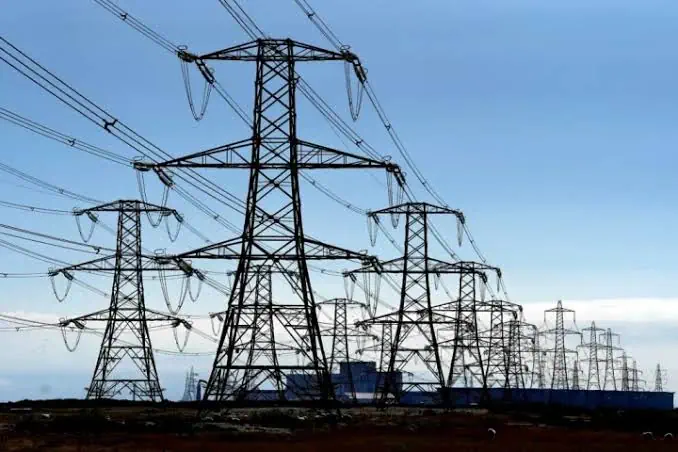
TCN denies responsibility for power outages in Delta State, blames BEDC feeder faults
The Transmission Company of Nigeria (TCN) has dismissed claims by the Benin Electricity Distribution Company (BEDC) that its maintenance activities caused electricity supply disruptions in parts of Delta State. In a statement issued on Saturday, March 15, TCN’s General Manager for Public Affairs, Ndidi Mbah, clarified that the outages were due to faults on BEDC’s 33kV feeders and not TCN’s operations. The controversy began after BEDC released a statement on March 14 via social media, attributing power shortages in areas such as Abraka Commercial, Ughelli/Shell, and Sapele to TCN’s maintenance work. BEDC apologized to customers for failing to meet the minimum service level of 20 hours of electricity supply in these areas and linked the disruptions to TCN’s activities. However, TCN refuted these claims, explaining that its only maintenance activity in the region was a planned outage at the Amukpe Transmission Station on March 11. This work was completed the same day, and bulk power supply was immediately restored. According to TCN, this maintenance did not affect BEDC’s ability to deliver power to its customers. “The only accurate part of BEDC’s statement was regarding the tripping of the Ughelli/Shell 33kV feeder T1 60MVA on March 14 due to a fault,” TCN stated. “We are actively working to resolve this issue. However, all other areas mentioned by BEDC as experiencing power issues are due to faults on their own feeders.” TCN urged BEDC to provide accurate information to its customers and avoid misrepresenting facts. The transmission company emphasized its commitment to ensuring reliable power transmission across the country while encouraging collaboration among stakeholders in the electricity value chain.

GOMYCODE partners with Woolf University to offer a globally recognized master’s degree in software engineering in Nigeria
GOMYCODE, a leading technology education provider, has announced a strategic partnership with Woolf University to offer a globally recognized Master of Science in Computer Science with a specialization in Software Engineering. This collaboration is set to provide Nigerian tech professionals with advanced qualifications and open doors to global career opportunities. GOMYCODE, known for its innovative approach to equipping individuals with in-demand digital skills, has joined forces with Woolf University, a global collegiate higher education institution committed to democratizing access to quality education. Together, they aim to deliver a flexible and accessible master’s program tailored for working professionals and ambitious individuals seeking career advancement. Speaking on the partnership, Yahya Bouhlel, Co-founder of GOMYCODE, emphasized its importance in today’s competitive tech landscape. “Advanced degrees are increasingly essential. This partnership allows us to provide a flexible, world-class education that empowers our students to achieve their career aspirations, whether locally or globally,” he said. The program combines Woolf University’s rigorous academic standards with GOMYCODE’s hands-on, industry-relevant training approach. It is designed for professionals looking to enhance their qualifications, explore global job markets, or even consider emigration opportunities requiring advanced degrees. The master’s program is structured to accommodate the busy schedules of working professionals. Delivered online, it allows learners to balance their studies with existing commitments while benefiting from high-quality instruction and practical learning experiences. Naveen Jangir, Head of Strategy and Growth at Woolf University, highlighted the shared mission behind the collaboration. “Our goal is to democratize education by providing accessible, accredited degrees to learners worldwide. This partnership aligns perfectly with that vision and will equip Nigerian tech professionals with the skills and credentials they need to thrive globally,” he explained. Babatunde Olaifa, Country Head of GOMYCODE Nigeria, underscored the significance of this initiative for the local tech community. “This collaboration represents a significant leap forward for tech education in Nigeria. By offering a globally recognized master’s degree, we are empowering professionals to compete on an international scale,” he said. He added that the program would help individuals unlock new career opportunities while contributing to the broader growth of Nigeria’s tech ecosystem. This announcement comes as GOMYCODE continues its expansion efforts in Nigeria. The organization recently launched a new flagship hackerspace in Lagos, a modern facility designed to foster innovation and collaboration among tech enthusiasts and professionals.