
June Ashimola, a 55-year-old Nigerian woman, has emerged victorious in a legal battle to reclaim her £350,000 London home after being falsely declared dead in an elaborate fraud scheme. Appearing via video link from Nigeria, Ashimola stunned the UK High Court with proof that she was alive, exposing a web of deceit orchestrated by convicted fraudster Tony Ashikodi. Ashimola, who left the UK for Nigeria in 2018, was falsely reported dead in 2019. Fraudsters produced a forged death certificate and claimed she had left no will. They even concocted a fictitious husband, Bakare Lasisi, to seize control of her estate. Power of attorney over her property was fraudulently granted to Ruth Samuel, an associate of Ashikodi. Deputy Master John Linwood described the case as “an unusual probate claim in that the deceased says she is very much alive.” The judge ruled that Ashimola’s alleged death and marriage were fabrications designed to steal her property. He found that Lasisi did not exist and that Ashikodi had masterminded the scam. Despite visa issues preventing her physical attendance, Ashimola’s identity was confirmed through passport photos. Her testimony exposed the fraudulent documents used against her, including a fake marriage certificate and emails purportedly from the imaginary Lasisi. Ashikodi, previously jailed for property deception in 1996, was described as having a “cavalier disregard for the truth.” His own sister testified against him, stating he could forge “anything from Nigeria.” The court revoked all fraudulent claims over Ashimola’s estate and restored her ownership of the Plumstead property. The case has drawn attention for its audacity and complexity, with legal costs exceeding £150,000. Judge Linwood’s ruling not only vindicates Ashimola but also serves as a stark warning against such brazen attempts at fraud.

FG to launch digital platform connecting artisans with construction jobs in Nigeria
The Federal Government of Nigeria is set to revolutionize the construction industry with the launch of a digital platform designed to connect skilled artisans with job opportunities. Dubbed “Uber for Artisans,” the platform will serve as an online marketplace, making it easier for contractors and individuals to find verified professionals for their projects. The initiative was announced by the Minister of Housing and Urban Development, Arc. Ahmed Musa Dangiwa, during a meeting with Hon. Adamson Ayinde, Senior Special Assistant to the President on Industrial Training and Development, in Abuja. The platform aims to enhance artisans’ visibility, accessibility, and efficiency while boosting their earning potential. This initiative is part of the National Artisan Skill Acquisition Program (NASA), which seeks to address the shortage of skilled labor in the construction sector. NASA will equip young Nigerians with essential skills such as plumbing, electrical work, masonry, and carpentry through collaborations with government agencies, private institutions, and vocational training centers in Abuja, Lagos, and Imo states. The 2025 budget includes allocations for rehabilitating vocational centers to serve as training hubs. A committee will also be established within three months to develop a framework for training and certification, ensuring artisans meet industry standards. The platform is expected to launch later this year, providing a modern solution to connect artisans with opportunities while addressing Nigeria’s construction industry challenges.
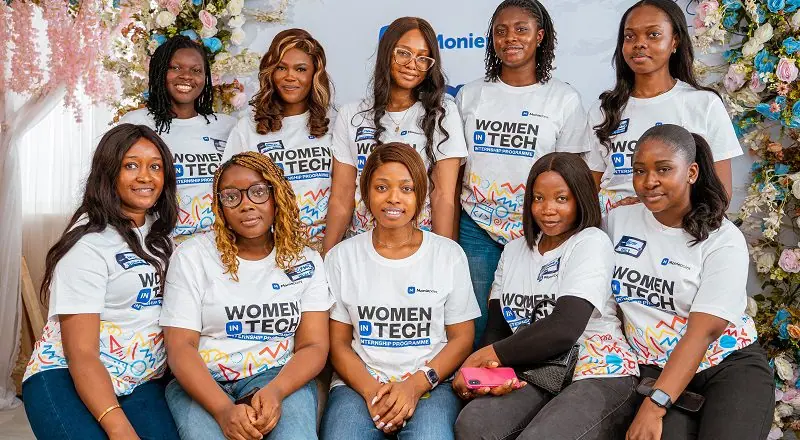
Moniepoint Celebrates International Women’s Day by Expanding Women in Tech Internships from 10 to 15
Moniepoint Inc., a leading digital financial services provider, has announced the expansion of its flagship Women in Tech internship program. The 2025 cohort will now offer 15 internship roles, up from 10 in previous years, as the company intensifies efforts to bridge the gender gap in technology. Applications for the six-month program are now open to women across Africa, with successful candidates set to gain hands-on experience, mentorship, and pathways to full-time employment. The decision to expand the program aligns with the 2025 International Women’s Day theme, “Accelerate Action,” which calls for urgent steps to dismantle systemic barriers limiting women’s participation in critical sectors. Despite women constituting nearly half of Nigeria’s population, they represent only 25% of the tech workforce, according to the Nigerian Bureau of Statistics (NBS). This disparity persists even though women account for 22% of annual STEM graduates nationwide. Moniepoint’s initiative directly targets this imbalance by equipping young women with technical skills, mentorship, and real-world project opportunities in fields like Cloud Engineering, Data Engineering, and User Experience (UX) design. Program Structure and BenefitsSelected interns, dubbed the “Dream 15,” will join diverse teams at Moniepoint for six months, receiving: A competitive salary and branded merchandise Direct mentorship from industry experts Access to cutting-edge work tools Priority consideration for full-time roles post-internship Chinaza Nduka-Dike, Moniepoint’s Vice President of People Operations, emphasized the program’s broader impact: “This isn’t just about inspiring inclusion—it’s about creating sustainable pathways for women to lead and innovate in tech. Alumni from past cohorts are already driving transformative projects here and across the ecosystem, proving that diversity fuels progress.” Daniela Uzosike, a Systems Administrator and member of the program’s third cohort, highlighted its career-changing impact: “Working at Moniepoint allowed me to contribute meaningfully from day one. The mentorship I received clarified my career trajectory, and I’m thrilled more women will now access these opportunities.” Since its launch four years ago, the initiative has enabled dozens of women to transition into technical roles, with many ascending to leadership positions. Moniepoint credits this success to its focus on practical learning-interns collaborate on live projects shaping Africa’s digital finance landscape. How to ApplyInterested candidates can review available roles and submit applications via Moniepoint’s careers portal. The company encourages early applications, though no deadline has been publicly disclosed yet. Africa’s tech sector is projected to grow exponentially, yet women remain critically underrepresented in technical and leadership roles. Programs like Moniepoint’s not only address talent shortages but also ensure diverse perspectives drive innovation in fintech solutions tailored to the continent’s unique needs.

LOTUS Bank partners with Inter Lagos FC to boost grassroots football and community development
LOTUS Bank, a leading non-interest financial institution, has announced a strategic partnership with Inter Lagos FC, a Nigerian National League (NNL) club. This collaboration aims to provide critical financial support to the club, empowering it to achieve its domestic and international ambitions while fostering grassroots football development. The partnership reflects LOTUS Bank’s commitment to leveraging sports as a tool for youth engagement, economic growth, and social cohesion. Speaking on the collaboration, Kafilat Araoye, Managing Director and CEO of LOTUS Bank, stated, “Football is a powerful medium for community impact. Our partnership with Inter Lagos aligns with our vision of supporting initiatives that drive sustainable development and inspire local communities.” Inter Lagos FC, known for its dynamic playing style and strong community ties, has been steadily rising in Nigerian football since joining the NNL in 2023. The club’s co-founder and CEO, Lanre Vigo, expressed excitement about the partnership: “This collaboration is a testament to our growth and ambition. Partnering with LOTUS Bank strengthens our pursuit of excellence and reflects shared values of innovation and progress.” The announcement comes on the heels of Inter Lagos FC’s recent victory in the Lagos State FA Cup. The team triumphed over Ikorodu City FC in a dramatic penalty shootout after a goalless draw, with goalkeeper Favour Bala emerging as the hero.

EFCC exposes 58 illegal Ponzi schemes targeting Nigerian investors
Nigeria’s Economic and Financial Crimes Commission (EFCC) has issued a stern warning to citizens regarding 58 unregistered companies allegedly operating fraudulent investment schemes across the country. These entities, posing as legitimate platforms, have reportedly defrauded unsuspecting Nigerians through Ponzi schemes that promise unrealistic returns with minimal risk. Ponzi schemes, which rely on funds from new investors to pay earlier participants, inevitably collapse once recruitment stalls, a pattern the EFCC says has left countless victims financially devastated. The commission confirmed that none of the flagged companies hold valid licenses from the Central Bank of Nigeria (CBN) or the Securities and Exchange Commission (SEC), Nigeria’s primary financial regulators. Five companies have already been convicted, while five others pleaded guilty and await sentencing. Notable firms named in the EFCC’s alert include: Wales Kingdom Capital Farmforte Limited & Agro Partnership Tech Oxford International Group and Oxford Gold Integrated Crowdyvest Limited Cititrust Holding PLC “The EFCC remains vigilant in monitoring economic actors to protect Nigerians from predatory operators,” the agency stated, vowing to leverage its anti-corruption mandate to stabilize the financial ecosystem. Kaduna Arrests Highlight Scheme TacticsIn a related operation, EFCC agents in Kaduna arrested 28 suspects linked to Q-Net Ltd., a company accused of masquerading as an international enterprise with affiliates in Dubai and Southeast Asia. Victims paid between $790–$850 (₦1.46 million) as registration fees, only to discover the venture was fraudulent. Documents recovered during the raid included Q-Net application forms, which investigators say bolstered evidence for upcoming prosecutions. The Senate’s December 2024 passage of the Investments and Securities Repeal and Re-enactment Bill empowers regulators to impose harsher penalties, including 10-year prison terms and fines up to ₦20 million ($12,000), for Ponzi scheme operators. This legal overhaul aligns with SEC’s aggressive campaign to sanitize Nigeria’s investment landscape. How to Spot a Ponzi SchemeThe EFCC advises citizens to: Verify registration: Cross-check companies with CBN/SEC databases. Question guarantees: Legitimate investments never promise fixed, high returns. Research operators: Fraudulent schemes often lack transparent leadership.

Morocco launches nationwide AI education initiative to power digital economy vision
Morocco’s government unveiled a comprehensive artificial intelligence (AI) education program for primary and secondary schools on Tuesday, March 11, 2025. The initiative forms the cornerstone of the country’s Digital Morocco 2030 strategy, which aims to position the nation as Africa’s premier digital economy hub while creating 270,000 tech-focused jobs by the end of the decade. Spearheaded by Digital Transition Minister Amal El Fallah-Seghrouchni, the program will introduce age-appropriate AI literacy modules and hands-on digital skills training across 12,000 public schools. Students aged 8–18 will participate in workshops covering machine learning basics, robotics programming, and ethical AI development through partnerships with leading global tech firms. “This national program goes beyond gadgetry – we’re cultivating digital citizenship,” Minister El Fallah-Seghrouchni stated during the memorandum signing ceremony in Rabat. “From cybersecurity hygiene to algorithmic problem-solving, we’re equipping young Moroccans to both thrive in and shape tomorrow’s digital landscape.” The education overhaul coincides with plans for a dedicated coding academy in Fez-Meknes, scheduled to open in late 2026. The $120 million facility will offer intensive two-year programs in emerging fields like quantum computing and blockchain development, with 40% of seats reserved for female students. Early-stage initiatives already show promise: pilot coding clubs in Casablanca and Marrakesh have produced student-developed apps addressing local challenges like water conservation and Arabic-language AI tutors for rural communities. Economic Transformation Through Digital SovereigntyMorocco’s tech push aligns with concrete economic targets: Quadruple digital exports to $4 billion annually by 2030 Cultivate 3,000 homegrown startups, including potential billion-dollar “unicorns” Achieve 85% digital literacy among 18–35 year olds To fuel this growth, Rabat is implementing tax holidays for AI-focused ventures and streamlined business registration through its “Digital Sandbox” portal. The government has also committed $900 million to upgrade rural broadband infrastructure, targeting nationwide 5G coverage by 2027. While urban tech hubs flourish, officials emphasize inclusive development. The AI curriculum rollout includes teacher training programs for 45,000 educators and mobile coding labs that will visit remote villages weekly. “True innovation thrives on diversity,” noted Education Minister Samira Dlimi during a recent teacher workshop. “Whether a student dreams of launching a med-tech startup in Tangier or optimizing agriculture algorithms in the Atlas Mountains – this program provides the tools.” As Morocco positions itself at the forefront of Africa’s digital revolution, analysts predict the education reforms could reshape regional economic dynamics. With 60% of its population under 25, the nation’s bet on youth-driven tech innovation may soon establish it as both a talent exporter and a magnet for global AI investment.