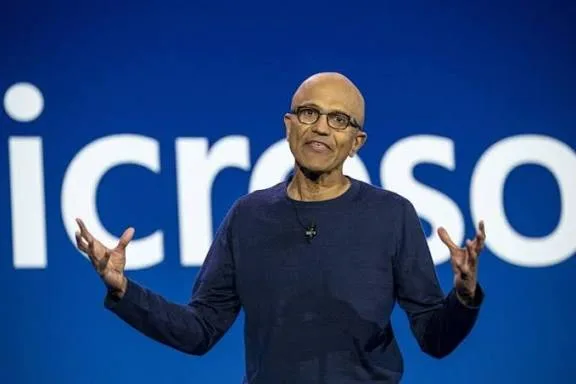
Microsoft has unveiled its largest investment outside the US by committing $30 billion to expand artificial intelligence infrastructure across the UK. This funding, along with contributions from Nvidia, Google, and OpenAI, provides the opportunity for the country to emerge as a global force in AI innovation. The programme centers on building Britain’s most powerful supercomputer in Essex, backed by Microsoft’s financial commitment to pour billions into AI development and advanced technology capabilities. Nvidia, recognized as a global leader in AI hardware, announced a plan to invest up to £11 billion in the UK, one of the most substantial infrastructure rollouts in the nation’s history. Alongside partners including OpenAI and British tech company Nscale, Nvidia is facilitating a cutting-edge compute resource aimed at accelerating breakthroughs in healthcare and clean energy. According to experts from the Tony Blair Institute, these developments represent a critical juncture but require additional efforts such as reforming planning rules and boosting clean energy projects to fully realize growth potential. Dr. Keegan McBride from the Tony Blair Institute emphasized the need for continued support, stating, stressing that the unlocking AI’s full benefits depends on modernizing infrastructure and energy systems alongside investments. Meanwhile, the North East of England has been designated as a new AI growth zone, expected to generate over 5,000 skilled jobs and attract private investment nearing £30 billion. This program aims to establish UK as a vital hub for AI advancements, upskilling local talent, and integrating AI applications into public services.

Rising cybercrime tightens visa rules for Nigerians abroad, EFCC warns
The Economic and Financial Crimes Commission (EFCC) has cautioned that Nigeria’s escalating internet fraud cases are leading to tougher visa restrictions for innocent citizens traveling abroad. The warning came during a recent event in Port Harcourt aimed at addressing security challenges faced by the youth. At a gathering organized by the Coalition of Nigerian Youth on Security and Safety Affairs in Rivers State, EFCC Chairman Ola Olukoyede, speaking through Chief Superintendent Coker Oyegunle, stressed that deceitful acts online severely damage Nigeria’s reputation internationally. This damage prompts foreign governments to impose stricter travel requirements on law-abiding Nigerians. The commission’s leader explained that cybercrime, money laundering, and economic sabotage cost the nation billions of naira yearly, hampering development and depriving citizens of essential infrastructure and employment opportunities. He urged young Nigerians, particularly in the South-South region, to dedicate their efforts towards productive pursuits like technology, business creation, agriculture, and the arts. Olukoyede warned that engaging in fraud is a deceptive shortcut that leads to loss of freedom, respect, and future prospects. He also added that digital trails remain forever, and the law is closing in. Olokoyede advised youth to choose growth through honest means rather than shortcuts that destroy the future. The EFCC reiterated its plans to enhancing sensitisation, enforcement, and collaborative partnerships with communities across Nigeria to combat economic crimes and restore trust. During the event, National Drug Law Enforcement Agency official Mathew Ewah pointed out drug abuse as a serious threat to the nation’s youth, while the Nigeria Security and Civil Defence Corps joined in expressing concern over pipeline vandalism in the region. Recent months have seen intensified EFCC operations against cybercriminals nationwide. In August, a raid at a Lagos hotel led to the arrest of 38 suspected scammers, with recovered items including vehicles and illegal substances. Similarly, in Benin, twelve individuals were convicted for fraud-related offences after pleading guilty in court. In light of the surge of cybercrimes, the United States recently revised its visa policies for Nigerians, limiting several non-immigrant visas to three months with single-entry conditions. This adjustment affects business, tourism, student, and exchange visitor categories.

Francophone Africa Blockchain Summit (FABS) 2025 set to hold in Cotonou, Benin
Cotonou, Benin, October 8-9, 2025 – The Africa Blockchain Institute (ABI) is proud to announce the Francophone Africa Blockchain Summit (FABS), taking place in Cotonou, Republic of Benin. With the theme “Transforming Africa’s Digital Growth through Blockchain Innovation,” the summit will highlight how blockchain can reshape economic and social development across Francophone Africa. The inaugural FABS will bring together government leaders, private sector executives, development organizations, startups, and researchers to explore blockchain’s potential in reshaping financial systems, governance, trade, and the creative economy. With keynote addresses, panel discussions, workshops, startup showcases, and exhibitions, the summit promises to be a landmark event for Francophone Africa’s growing blockchain ecosystem. Beyond being a conference, FABS is a platform for solutions. It is designed to tackle regional challenges such as regulatory uncertainty, infrastructure gaps, limited talent, and low institutional engagement. By fostering collaboration between governments, industry, and innovators, the summit will highlight blockchain’s practical applications and chart a path toward sustainable adoption in Francophone Africa. What to expect at FABS 2025 Summit objectives include shaping practical blockchain policies, promoting adoption across finance, trade, and healthcare, strengthening developer communities, and attracting global investments to Francophone Africa. FABS 2025 will convene targeted participants from across the spectrum: ministries of digital economy, central banks, regulators, CEOs, blockchain executives, startups, developers, academics, researchers, and investors. Outcomes from the summit will guide future blockchain initiatives in the region, strengthen partnerships, and create new pathways for talent and entrepreneurship. About the Africa Blockchain Institute (ABI) The Africa Blockchain Institute is dedicated to advancing blockchain education, policy development, and community building across the continent. Through training programs, research, and local initiatives, ABI empowers Africans to not only understand blockchain but also actively shape its future. For more information: www.abifrancophone.com

Kredete Secures $22 million to expand credit-building and stablecoin services across Africa
Kredete, a fintech company dedicated to empowering African immigrants through credit-building and financial access, has successfully raised $22 million in a Series A financing round. Led by AfricInvest through its Cathay AfricInvest Innovation Fund (CAIF) and Financial Inclusion Vehicle (FIVE), with backing from Partech and Polymorphic Capital, this latest funding will enable Kredete to extend its reach into Canada, the United Kingdom, and key European markets. Founded in 2023 by serial entrepreneur Adeola Adedewe, Kredete has rapidly developed a proprietary credit-enhancing platform that integrates stablecoin-backed transactions with international remittances. The platform allows users to send money to more than 30 African countries while simultaneously improving their credit profiles in the U.S. and elsewhere. Additionally, Kredete has created an API-driven infrastructure that supports businesses in making secure and cost-efficient cross-border payments to Africa using modern payment technologies. This new capital infusion will facilitate the rollout of innovative features designed specifically for immigrants with limited or no formal credit history. Enhancements include rent payment reporting, credit-linked savings plans, and targeted, responsible lending options. Central to this expansion is the introduction of Africa’s first stablecoin-backed credit card, which will be available in over 41 African countries. This card aims to provide seamless spending, credit building, and the avoidance of expensive foreign exchange fees. Complementary offerings such as interest-bearing USD and EUR accounts will empower Africans worldwide to protect their wealth, earn returns, and mitigate currency volatility risks. Moreover, Kredete is developing the continent’s largest unified aggregation layer of banks and wallets. This infrastructure offers businesses a single API to perform secure, real-time, and affordable payouts throughout Africa. By building this foundation, Kredete aims to revolutionize cross-border finance, enabling African diaspora members everywhere to send, spend, save, and enhance their credit scores on one comprehensive platform. Aligned with the United Nations Sustainable Development Goals, particularly Decent Work and Economic Growth (SDG 8) and Reduced Inequalities (SDG 10), Kredete has achieved significant milestones since launching. It now serves over 700,000 monthly users, has facilitated $500 million in remittances, and has helped raise customers’ U.S. credit scores by an average of 58 points.

Moove drivers halt operations over doubling of weekly payments
E-Hailing drivers using vehicle financing from Moove alongside the Uber platform have suspended their work in protest of a sharp 100% increase in their weekly remittance amounts. The disruption began in Maryland, Lagos, as these drivers voiced frustration over the steep rise from 56,400 naira to 112,200 naira for weekly payments tied to their Suzuki S-Presso cars. The affected drivers attribute their dissatisfaction not only to the substantial hike but also to what they describe as an unbalanced breakdown of costs within the new payment structure. They demand that Moove reconsider and roll back the increase, which they see as unfair, especially as the repayment period for owning the vehicles remains unchanged and some drivers did not receive brand-new cars. These drivers acquired their cars through a financing plan requiring weekly loan installments. However, they note that out of the new 112,200 naira weekly amount, only approximately 39,766 naira goes toward the actual loan repayment, about 33%. The remainder covers several additional fees, such as a weekly maintenance charge of 9,966 naira, a repairs fund of 16,343 naira, insurance costs totaling around 3,390 naira, and a handling fee of 42,735 naira, which has raised questions given the handling expense exceeds the loan portion. Additionally, the protesting drivers urge that Uber, the platform facilitating their work, caps its commission at no more than 20% to ease their financial burdens. The drivers have committed to a peaceful demonstration and have warned that any violent behavior by participants will lead to immediate removal and handing over to authorities. Services on the UberGo platform will remain suspended until Moove reverts the payment hike. About a year ago, concerns circulated among Uber Go drivers when reports emerged of Moove’s plan to raise the weekly repayment amounts. Initially, vehicles were provided under a hire-purchase agreement with a four-year repayment plan set at 56,400 naira weekly, exclusive of Uber’s 25% fare commission. Drivers were reportedly invited in groups to be briefed on the decision, with company representatives explaining rising operating expenses as the rationale for the increase. One driver confirmed that during the meeting, management detailed their rising costs, which justified increasing the weekly remittance. However, insiders suggest that Moove is reassessing its business model in light of Nigeria’s challenging economic climate. Inflation has eroded the value of the agreed interest rates within the repayment schedule, jeopardizing the company’s profitability.

OPay crowns winners of #MyOPaySecurityVoteChallenge promoting safer transactions
OPay, Nigeria’s leading mobile financial services platform, has crowned the winners of its nationwide #MyOPaySecurityVoteChallenge, a creative campaign designed to raise awareness about seven key security features protecting users during digital transactions. The grand prize event took place at OPay’s Lagos headquarters on September 11, 2025, celebrating content creators who produced viral videos showcasing their favourite safety tools. The campaign, launched in August 2025, invited Nigerians to creatively showcase OPay’s seven in-app protections which includes; Scam Alert, Night Guard, Large Transaction Shield, Online Subscription Control, USSD Lock, Large Transaction Double Check, and Emergency Lock. Participants submitted short videos explaining how these features keep their money secure, sharing them on social media platforms like Instagram, X, TikTok, and Facebook with the hashtag #MyOPaySecurityVoteChallenge. Over 2,000 Nigerians joined the challenge, receiving weekly rewards worth more than N10 million and exclusive OPay merchandise. Influencers including Veekee James, Folagade Banks, and Taaooma attended the award ceremony alongside media and OPay executives, emphasizing the campaign’s success in educating users on digital safety. This campaign represents one of the largest digital safety efforts in Nigeria this year, reinforcing OPay’s commitment to making financial transactions both convenient and secure for millions across the country.