
The Managing Director of Nigeria’s Rural Electrification Agency (REA), Abba Aliyu, declared on August 25, 2025, that solar power stands out as the most economically feasible energy model for the country’s rural and underserved communities. Speaking on Channels Television, Aliyu emphasized explorations of other renewable energy methods, stating solar’s leading role.Aliyu outlined that the agency is actively considering various energy solutions, including wind and biomass. However, solar energy has proven to be the most cost-effective at present. Biomass projects were paused due to high tariffs linked to expensive processing and transportation logistics. Meanwhile, recent collaboration with the Nigerian Wind Energy Council aims to develop economically viable small wind infrastructures within allowed tariff limits. The solar program’s success is evident in its extensive deployment of mini-grids and interconnected systems, which power schools, hospitals, and rural businesses.Of particular interest is the tariff disparity in rural areas, some communities pay higher electricity rates than urban Band A customers, stating the high infrastructure costs incurred by the agency in remote locations. These tariffs range from around N250 to N280 per kilowatt-hour, compared to Band A’s rate of N209.50. Despite the higher fees, many rural residents willingly purchase tokens via mobile phones to sustain their reliable electricity access, showing the value they place on stable power supply.Solar power remains at the forefront of rural electrification strategies, driving economic growth and improved quality of life in remote communities, as Nigeria pushes forward with its energy transformation agenda. The REA’s endeavors are set to provide a more sustainable and inclusive power future for Nigeria, with continued efforts to diversify energy resources and manage tariffs.

Nigeria launches unified data exchange system to end repetitive data submissions by citizens
The National Information Technology Development Agency (NITDA) unveiled the Nigerian Data Exchange Platform (NGDX) on August 25, 2025, aiming to simplify how personal information is shared across government agencies. This new system promises to eliminate the long-standing hassle of providing the same data repeatedly for multiple services.For years, Nigerians have been burdened with submitting identical personal details and biometric information when accessing essential services such as National Identification Number (NIN) registration, driver’s license applications, Bank Verification Number (BVN) registration, SIM card activation, and passport procurement. The newly introduced platform, NGDX, is designed as a secure and unified system that interlinks government institutions, allowing authorized bodies to verify and share data seamlessly behind the scenes.NITDA’s Director-General, Kashifu Inuwa, explained during a stakeholder meeting in Abuja that this digital framework will save citizens time and reduce bureaucratic inefficiencies in public service delivery. The scheme also facilitates faster Know Your Customer (KYC) procedures for businesses, especially fintech companies reliant on reliable identity verification.The project opens doors for innovation by enabling startups and enterprises to utilize anonymized public data to develop advanced solutions in sectors like healthcare, agriculture, financial technology, and education. Describing the platform as essential digital infrastructure, akin to the country’s fibre optic network rollout, Inuwa emphasized its critical role in boosting Nigeria’s digital economy.The NGDX is supported by the European Union through the Global Gateway project, with collaborative input from partners in Finland, Estonia, Germany, and France. Estonia, noted for its advanced digital government model, is providing expertise on secure digital identity and cross-agency data sharing. The NGDX will serve as a game-changer, enabling citizens to interact with government institutions more easily without the repetitive burden of data submission. Our platform not only streamlines access to public services but also fosters innovation by providing startups access to anonymized datasets to drive solutions that improve healthcare, agriculture, fintech, and education technology – Kashifu Inuwa, NITDA Director-General Future advancements are envision to create a more efficient, transparent, and user-friendly government interface, paving the way for continued digital transformation.

Dangote cement screens over 1,500 truck drivers to enhance road safety
At the recent 2025 Annual Drivers Retreat in Ilaro, Ogun State, the Group Managing Director of Dangote Cement Plc, Arvind Pathak, revealed that more than 1,500 truck operators have undergone thorough evaluations to verify their fitness for safe driving. Pathak detailed that the rigorous assessment process is compulsory for all drivers joining the company’s fleet. Given the state of Nigerian highways, these checks are more exhaustive than usual to ensure optimum safety standards. Each candidate must present a valid Class G driver’s license, pass detailed background investigations of themselves and their guarantors, and clear a comprehensive health screening. This medical exam includes vision tests, blood pressure monitoring, body mass index measurements, blood sugar analyses, as well as drug and alcohol testing. Over the last two months, this meticulous selection has resulted in just over 1,500 drivers gaining certification to operate company vehicles safely. The commitment goes beyond initial recruitment, every driver participates in mandatory pre-trip health evaluations by qualified healthcare professionals. Pathak emphasized the firm’s unyielding dedication to driver education and continuous skill development. He stressed on the importance of training sessions covering twelve focused safety modules, practical road tests, and written examinations that all drivers must complete during a two-week intensive program. Safe transportation practices are non-negotiable for us…every individual who drives for Dangote Cement undergoes a stringent and structured vetting program. We prioritize the health and responsibility of our drivers above all. The company’s responsibility extends to protecting all road users, upholding transparency, and ensuring ethical conduct across all operations – Pathak He also pointed out the corporation’s cooperative relationship with law enforcement agencies in investigating incidents and implementing safety recommendations. Pathak stated that the organisation will persist in strengthening these protocols, serving as a model for corporate responsibility and community wellbeing on Nigerian highways
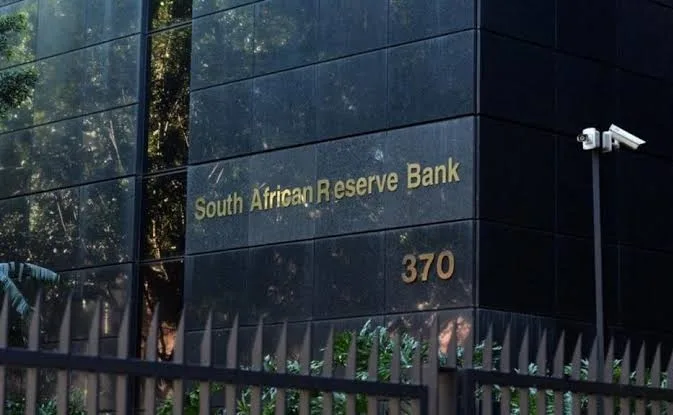
Fintech firms gain entry to South Africa’s payment system under modernised framework
The South African Reserve Bank (SARB) has opened the door for fintech companies to participate in the National Payment System (NPS), a crucial shift aimed at fostering competition and expanding access. Previously, access to the NPS, which underpins the clearing, settlement, and value exchange mechanisms in South Africa’s financial network, was limited to traditional banks. Under new guidelines, innovative technology-driven firms like mobile payment providers and wallet operators can now join the ecosystem, aligning with SARB’s Vision 2025 to build a more accessible and efficient system. To ensure the stability and security of the financial infrastructure, SARB requires fintech applicants to meet stringent conditions. These include strong governance practices, adequate capital reserves, and rigorous compliance with anti-money laundering (AML) and cybersecurity regulations. Client funds must be carefully segregated to safeguard customer assets, while transparency is ensured through clear informed consent procedures. The central bank’s proportionality concept tailors oversight to suit the risk profiles of non-bank entities, so regulation does not impose the heavier burdens typical of conventional banks unnecessarily. This nuanced approach aims to balance innovation with prudence. Accompanying this development, SARB released a detailed Draft Directive outlining the operational standards fintechs must maintain. Additionally, a Draft Exemption Notice clarifies the scope of payment activities, such as e-wallet issuance and faster payments processing, that these firms can conduct without being classified as banks. These reforms show an evolution in South Africa’s payments ecosystem, enabling fintech enterprises to serve underserved and unbanked populations, thereby promoting financial inclusion while upholding system integrity. The expansion of access to the National Payment System reflects our commitment to fostering innovation without compromising security. By applying a proportional regulatory framework, we can encourage growth among fintechs while protecting public trust in our financial infrastructure – A SARB spokesperson, said A fintech industry leader added, that this development will enable diverse financial service providers to compete on a level playing field, which will ultimately benefit consumers across the country. SARB plans to continue evolving supportive regulations that encourage technological advancement while securing the nation’s financial systems for the long term.

Cardtonic expands beyond gift cards with community and youth empowerment projects
Cardtonic, the Lagos-based fintech startup known for transforming unused gift cards into cash, is broadening its reach with fresh programs and grassroots efforts designed to empower Nigerian youth and deepen its cultural connections. Emerging from its roots as a cryptocurrency trading platform, Cardtonic pivoted to focus on the gift card exchange market, addressing the widespread challenge Nigerians face when foreign gift cards, like Apple vouchers, become unusable locally. Founders Balogun Usman and Kayode Faturoti recognized early on that many such cards were wasted unnoticed, inspiring a solution that converts these tokens into practical currency. Today, the company operates more than a simple trading system; it manages a bustling marketplace where users submit various gift cards, which are then verified and sold to vetted partners for cash payouts. Efficiency remains a hallmark, with some transactions completed in under 10 minutes. This speedy process sustains the platform’s appeal, especially among a youthful demographic including students and gamers. To cement its role beyond fintech, Cardtonic has launched multiple endeavors such as an Upskill program designed to cultivate tech talents in Nigerian youths and a scholarship scheme aimed at supporting educational pursuits. Additionally, the creation of Tonic Football Club serves both as a youth engagement project and as a scouting ground for local soccer talent, rooting the brand firmly within Nigerian popular culture. The whole idea is not just about trading gift cards; it’s about building a community and creating opportunities for young people. Our founders saw a clear gap, a lot of value was being lost simply because people couldn’t use the gift cards they received. That insight shaped the entire model, turning what seemed like waste into a valuable resource for thousands Partnerships with musicians, influencers, and music events form a key part of their outreach strategy, showing the street-smart nature of their user base. Cardtonic cautiously manages business risks, including fraud and market volatility, by combining technology with hands-on staff oversight, while cash flows steadily through recurring trades. The company’s future blueprint includes rolling out international bill payments, introducing contactless cards, and expanding into new African markets such as East Africa, all while exploring business-to-business interfaces for gift card trading. Commenting on their community programs, she added, These projects aren’t just marketing tactics. They’re meaningful efforts to uplift young Nigerians and align with the culture they live and breathe every day As Cardtonic continues to evolve from a niche gift card broker into an “all-in-one payments app”, its mix of financial innovation and social investment could well determine its staying power in Nigeria’s competitive fintech landscape.

Fidelity Bank champions access to capital for Nigerian exporters at FNITCC Atlanta 2025
Fidelity Bank Plc is set to convene a high-profile panel on export financing at the upcoming Fidelity Nigeria International Trade and Creative Connect (FNITCC) in Atlanta, USA, on September 19, 2025. This gathering aims to empower Nigerian businesses to scale globally through innovative funding solutions. Fidelity Bank will facilitate a critical dialogue themed “Financing For Scale – Unlocking Capital For Global Export Competitiveness”, as part of its dedication to elevating Nigeria’s presence in worldwide commerce. The session will assemble influential leaders including Mustafa Chike-Obi, Chairman of Fidelity Bank’s Board; Olasunkanmi Owoyemi, CEO of Sunbeth Global Concept; Efe Ukala, founder of ImpactHer; and Abba Bello, Managing Director of Nigeria Export-Import Bank (NEXIM). Together, this panel will dissect the challenges faced by exporters and small-medium enterprises in securing the financial backing necessary to expand operations beyond Nigeria’s borders. Stressing on the importance of appropriate funding channels, Isaiah Ndukwe, Head of Agriculture and Exports at Fidelity Bank, compared access to capital to planting seeds, essential for growth and sustainability in international markets. The forum will examine various themes such as practical financing frameworks for exporters, the evolving roles of development finance institutions and commercial banks, risk mitigation methods, and opportunities for diaspora investment. FNITCC has previously proven to be a powerful conduit for Nigerian trade expansion, with past editions in London and Houston attracting hundreds of businesses, generating impressive deal volumes of over US$200 million and US$40 million respectively. This year’s Atlanta edition, in partnership with AFRICON, expects to draw more than 3,000 participants, catalyzing over US$400 million in trade and investment transactions. Access to the right kind of financing is foundational, without it, even the most promising enterprises and creative brands will find it difficult to thrive and compete globally – said Isaiah Ndukwe Dr. Nneka Onyeali-Ikpe, Managing Director of Fidelity Bank, said, Such conversations are crucial to positioning Nigeria’s entrepreneurs for success on the world stage…our partnership with AFRICON and the wider diaspora community shows our commitment to opening transatlantic business channels and driving sustainable trade growth for Nigerian businesses Businesses interested in joining this vibrant network can register at Fidelity Bank’s official platform, stepping into a future ripe with opportunity for global expansion.