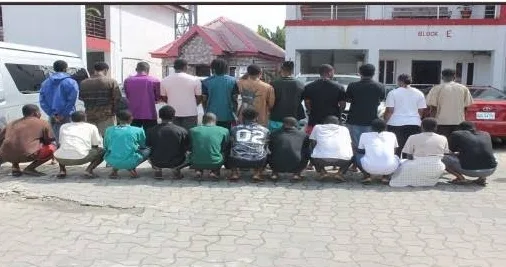
The Economic and Financial Crimes Commission (EFCC) has arrested 37 people suspected of internet fraud in a raid at Majesty Estate, Port Harcourt. On Friday, August 1, 2025, EFCC operatives stormed Majesty Estate on NTA Road in Port Harcourt after getting a distress call from residents. Concerned neighbours had reported suspicious activities linked to internet fraudsters living in the community. According to an official statement released by EFCC on Saturday, the sting operation by their Port Harcourt Zonal Directorate led to the arrest of 37 suspects. The move followed an intelligence tip about certain apartments being used for “nefarious activities.” EFCC agents announced their presence and mission, but some residents allegedly refused to open their doors. In one case, operatives had to force open an apartment door to continue their investigation. The EFCC says no one was arrested inside the apartment where the door was forced open, and that there was no unprofessional conduct during the search. The Commission also addressed viral videos circulating online that suggested harassment or excessive force, calling those claims “strange and unwarranted.” They insisted that many residents appreciated EFCC’s action and felt safer with suspected fraudsters taken into custody. EFCC stated that, “They remain committed to the highest standards of professional conduct and will not hesitate to discipline any operative who acts out of line.” The agency added that most residents of Majesty Estate supported their intervention. The 37 suspects are now in EFCC custody as investigations continue. This latest raid stresses the ongoing effort to tackle internet fraud in Nigeria, especially as it affects local communities. Residents are encouraged to report suspicious activity as the EFCC pledges to keep working to ensure neighbourhoods remain safe.
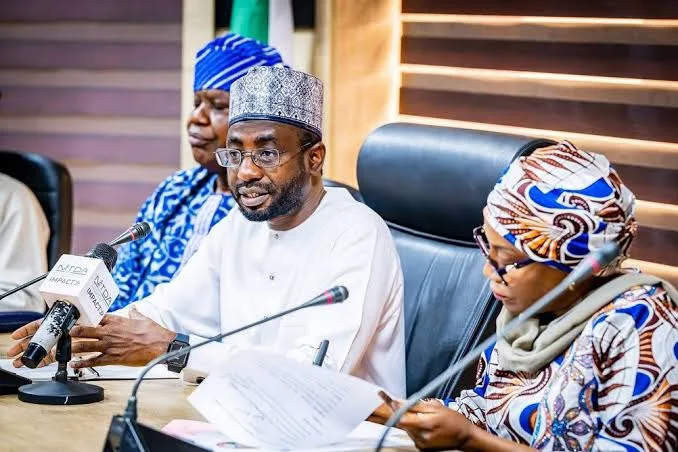
Nigeria’s race to 70% digital literacy by 2027, ambitious goals tough challenges
Nigeria aims to boost digital literacy to 70% by 2027, but the country faces serious challenges convincing nearly four in ten adults can’t read or write, according to government data. The Director-General of Nigeria’s National Information Technology Development Agency (NITDA), Kashifu Inuwa, recently outlined the country’s push to upskill its population in digital skills. Nigeria’s adult literacy rate currently sits at about 63.1%, meaning nearly 37% of adults lack basic reading and writing skills, which makes achieving digital literacy ambitions tough. However, NITDA has trained more than 350,000 people through its 3 Million Technical Talent (3MTT) programme and plans to introduce digital skills in schools and NYSC training to build a broad foundation from kindergarten to young adults. The government is working on increasing broadband access by expanding fibre optic cables over 90,000 km and building digital centres in each state, aiming to connect underserved communities. These infrastructure efforts support Nigeria’s fast-growing digital economy and upcoming global tech events like GITEX Nigeria and ICEGOV in 2025. Still, data from the World Bank shows gaps remain: over half of Nigerians lack basic digital skills, with only 68% able to use smartphones at a basic level and just 39% able to operate laptops or tablets. Women and rural populations face even more hurdles, with lower awareness and access to mobile internet and ICT tools. Many public schools in rural areas lack computers and trained teachers for digital lessons, making it harder to integrate digital literacy into education. NITDA’s plan expects training millions through the 3MTT programme, certifying corps members as digital ambassadors, and reforming education curriculums. But there are no formal nationwide standards or certification frameworks yet to measure progress reliably. Experts stress the need for tools to assess digital skills, like those used internationally in UNESCO or European frameworks, which Nigeria has yet to adopt. Despite these challenges, Nigeria’s fintech sector is booming, with over 217 startups capturing 42% of African venture capital in fintech innovation. Digital skills have helped communities access mobile banking, agent banking, and digital payments, especially in rural areas. In the north, over 350,000 trainees have enrolled in NITDA’s programmes since 2023, helping to close gender and regional digital divides. NGOs like Tech Herfrica also support rural women and girls with digital training where government rollout is slower. However, broadband coverage still reaches less than half of Nigerians due to costs and regulatory hurdles. Also, data protection laws passed in 2023 aim to build trust, ensuring people feel safe using online platforms. Literacy itself remains a big barrier, many adults can’t read basic text, so expecting them to use online services without foundational skills is somewhat unrealistic. To bridge this gap, experts recommend mixed approaches, combining online and offline training, subsidies for devices, teacher training, and collaboration between government and NGOs. Without these combined efforts, Nigeria risks leaving millions behind as its economy digitizes. The 2027 target is ambitious but crucial. Success depends not just on infrastructure, but also on improving basic and digital literacy hand in hand. This effort to rise from 63% literacy to 70% digital fluency is more than a statistic. It is a foundation for economic inclusion, jobs, and innovation for millions of Nigerians.

Police bust a fake Labubu doll ring as dangerous TikTok trend hits the UK
A police raid in London has uncovered thousands of fake Labubu dolls, exposing a booming trade in dangerous counterfeits fueled by a viral TikTok trend. The dolls, made famous by Chinese company Pop Mart, have become so popular across social media that both children and adults are desperate to buy them. Pop Mart’s Labubu craze has helped the company double its revenue to over £1.3 billion last year, but it has also created an opening for criminals. UK authorities, acting on tips from a raid at a shop in Swansea, tracked the fake dolls back to a maze of storage rooms in an industrial estate outside London. Trading Standards officers estimate that millions of pounds worth of counterfeit toys, mostly Labubus, were waiting to be shipped to customers across the UK. Experts say these fakes are not just cheap imitations, they’re unsafe. “The head comes off. The feet will pull off,” explained Rhys Harries of Trading Standards. “All these parts fit inside a child’s throat. That’s a choking hazard.” Some parents turn to fakes because getting an original Labubu can take hours of queuing or cost over £80, while counterfeits often go for just £10. Jade, a mother from Caerphilly, bought knock-offs for her six-year-old son, Harri. She says the toys fell apart within hours. “Luckily my son was old enough to tell me, but it would be really dangerous for smaller kids.” Officials warn that many fake Labubus are sloppily made, with loose eyes, poorly glued parts and sometimes even toxic plastics or chemical residues. “Counterfeiting is the second biggest source of criminal income worldwide, after drug trafficking,” said Kate Caffery of the UK Intellectual Property Office. She added that the materials used in fakes “could be anything”, posing health and safety risks. Many of the counterfeits trace back to factories in China, Hong Kong and Turkey. Investigators say buyers should watch for suspiciously low prices and obvious errors in packaging, which often means a toy is not genuine. Labubu collector and TikToker Meg Goldberger said demand for authentic dolls is so high that resellers and even automated bots snap up the originals as soon as they’re released, forcing most fans to turn to the booming secondhand market, where fakes flourish. Authorities will use the seized toys as evidence, with the rest set to be destroyed. Pop Mart has not yet commented on the surge in counterfeits. The crackdown serves as a warning. The next time you see that cute Labubu on TikTok, make sure you know where it’s really coming from. Counterfeit toys may look fun, but the hidden risks are nothing to play with.
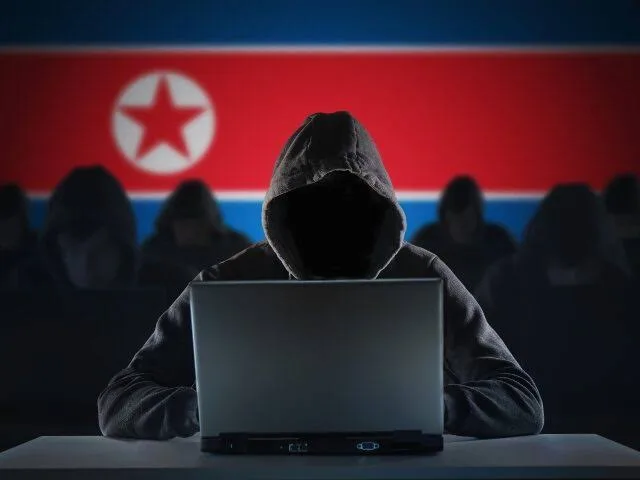
How fake IDs and remote jobs fuel the Kim Regime – North Korea’s secret IT workers:
North Korea is secretly sending thousands of IT workers abroad to earn money for its government, often using fake identities to get remote tech jobs with Western firms. This strange reality came to light when “Jin-su,” a former North Korean IT worker, was interviewed by BBC. He revealed he once juggled several IT jobs in the US and Europe at once, earning at least $5,000 a month. But almost all of his wages, up to 85%, had to be sent back home to North Korea. “We know it’s like robbery, but we just accept it as our fate,” Jin-su said. “It’s still much better than when we were in North Korea.” Experts estimate that these undercover IT workers are making North Korea between $250 million and $600 million every year. The scheme grew during the pandemic, as remote jobs became more common and harder to trace. North Korean workers manage everything from coding to customer support, often without ever showing their real faces. They get away with it by “borrowing” real identities from people in countries like Hungary, Turkey, and the UK, a trick that lets them look like normal job candidates on freelancing platforms. Some of these workers even get involved in fraud or hacking, stealing company data or demanding ransom. US authorities are worried. Last year, the US government indicted 14 North Koreans accused of stealing $88 million from American companies, and more were caught this year for working at US crypto startups with fake IDs. “We weren’t allowed to go out and had to stay indoors all the time,” Jin-su recalled of his time working in China for the regime. But he used the internet to watch Western media and eventually decided to escape, though he says most North Korean workers never consider defecting. The risks are just too high: if caught, they could be sent back home for harsh punishment, and their families might suffer too. Hiring managers around the world say they’re seeing more suspected North Korean applicants. Some have started doing video calls just to confirm who’s real. One US tech recruiter said, “It started out almost like a game, can you spot the North Korean? but it quickly became a real headache.” Today, even though Jin-su earns less than before, he can actually keep what he makes. “Now I work hard and earn the money I deserve” This secret network isn’t just about clever online scams, it is a big source of money supporting the North Korean government according to Jin-su, helping it dodge international sanctions, and raising serious cyber-security worries for companies everywhere.
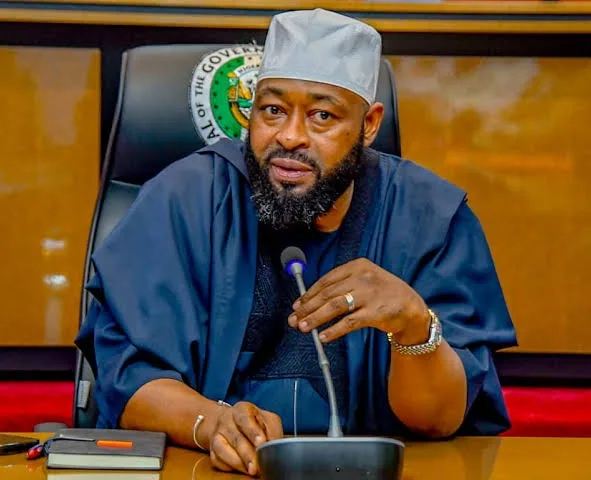
Niger Governor’s shutdown of Badeggi FM triggers outcry over media freedom
Niger State Governor Mohammed Umaru Bago ordered the immediate shutdown of Badeggi FM 90.1, a private radio station in Minna, citing “unethical broadcasting” on August 1, 2025. The governor’s directive to close Badeggi FM came during a Niger APC Caucus meeting and included instructions to security agencies to seal off the station and label its premises for demolition. The government accused the station of inciting unrest and airing unethical content against the state administration. However, this move has been met with strong opposition from legal experts and the federal government. The Nigerian Bar Association (NBA), led by President Afam Osigwe SAN, condemned the shutdown as unconstitutional. Osigwe explained that only the National Broadcasting Commission (NBC) has the statutory authority to suspend or revoke broadcast licenses, such actions must follow due legal process, not unilateral executive orders. He warned security agencies against being used as tools for political intimidation and reminded all that Nigeria’s Constitution guarantees freedom of expression under Section 39, which protects media operations. The Federal Ministry of Information and National Orientation also weighed in, urging calm and confirming that regulating broadcast licenses is solely an NBC responsibility. The ministry welcomed Niger State’s decision to report the alleged unethical behavior to the NBC for proper resolution. NBA President Afam Osigwe said, “The governor lacks the constitutional authority to shut down any media house. This directive is unlawful and must be withdrawn immediately.” The ministry urged stakeholders to allow the NBC to handle the matter fairly and impartially. The Badeggi FM shutdown has triggered national debate over media freedom and governance.
FG approves N68.7 billion for solar power in Nigerian universities, hospitals, and arms
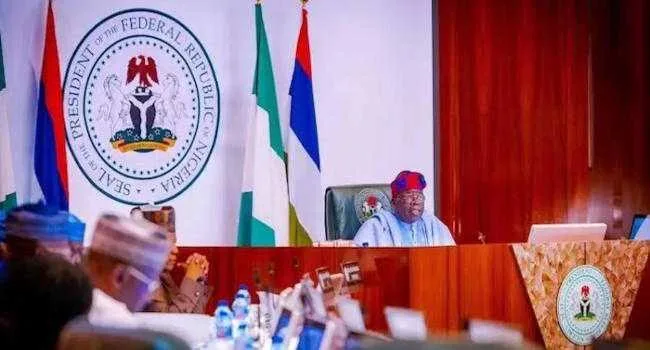
The Federal Executive Council has given the green light to a major N68.7 billion investment that will bring solar electricity to universities, teaching hospitals, and rural agricultural centres across Nigeria. This move is part of the Ministry of Power’s wider N200 billion energising plan, which aims to solve Nigeria’s power problems, especially in areas critical to education, healthcare, and farming. Minister of Power, Adebayo Adelabu, announced the decision after an FEC meeting led by President Bola Tinubu on Thursday in Abuja. The first phase of this funding will cover engineering, procurement, and construction of solar mini grids for key institutions. According to the Ministry, “The projects reflect the government’s resolve to ensure steady electricity supply in vital sectors like health and education,” as reported by the News Agency of Nigeria. Beneficiaries in this round include some of Nigeria’s prominent schools and health centres: University of Lagos, Ahmadu Bello University Zaria, Obafemi Awolowo University Ile-Ife, University of Nigeria Nsukka, University of Calabar, University of Ibadan and its teaching hospital (UCH), and the Federal University in Wukari, Taraba State. The Ministry says these projects should be completed within seven to nine months. Past projects at places like the University of Abuja, Nigerian Defence Academy, and Usmanu Danfodiyo University are already delivering results. While this first phase targets universities and hospitals, the broader N200 billion plan will also roll out solar power to Agricultural Centres of Excellence and rural farming clusters nationwide. The aim is to help micro and small agro-businesses in less-served communities get reliable electricity to boost productivity and cut costs. Minister Adelabu explained that “the solar programme is not just about electricity supply but also about driving inclusive economic growth and unlocking productivity in rural areas.” The government has put the Rural Electrification Agency in charge of the programme under the Renewed Hope Infrastructure Development Initiative.