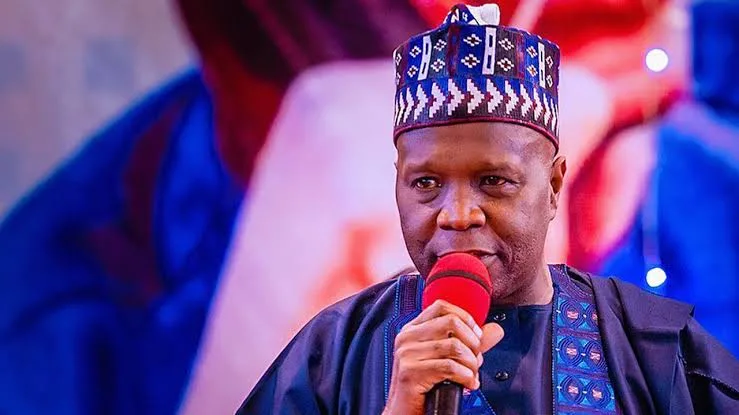
The Gombe State Government, along with several local councils, has approved over N2 billion for new solar streetlights and important rural projects, to improve infrastructure, farming, and the economy across the state. Mahmood Yusuf, who heads the Gombe State Joint Project Development Agency, shared this news on Tuesday after a meeting in Gombe. He explained that part of the money will go into additional work at the National Agricultural Land Development Agency in Yamaltu Deba Local Government Area to help the agricultural sector. The Kaltoma market project in Billiri will also get an upgrade to a two-story building, with a new cost of N213 million. In Nafada, six communities are set to receive solar streetlights, a project valued at N681.4 million. Additionally, new roads in Tumfure, Akko Local Government Area, will have solar streetlights installed at a cost of N1.143 billion. Yusuf stated that the projects will make communities safer, boost local businesses, and strengthen farming. Dr. Ahmed Wali, Chairman of Kwami Local Government Area and head of the verification committee, reported that N31 million was saved because 686 workers did not show up for verification. Another N36 million was saved by removing 265 deceased or retired staff who were still on the payroll. Wali noted that this exercise is ongoing, focused on improving productivity and removing “ghost workers,” not on sacking genuine staff. It’s worth remembering that in March, the Gombe government approved N1.15 billion for solar streetlights and infrastructure in three other local government areas. More recently, N19.97 billion was approved for various projects, including industrial growth, water supply, and education. The state also set aside N2.14 billion for compensating residents affected by the ACRESaL erosion control project. To ensure steady water supply, N2.1 billion was approved for the upkeep of the Gombe Regional Water Project. These efforts are expected to improve infrastructure, drive economic growth, and bring long-term benefits to the state.
Court grants bail to CBEX promoters amid billion-dollar crypto scam allegations
Two senior figures linked to the collapsed Crypto Bridge Exchange (CBEX) have been granted bail by the Federal High Court in Abuja, following charges of large-scale crypto investment fraud. Avwerosuo Otorudo and Chukwuebuka Ehirim, both described as promoters of CBEX, received bail at N10million each, with strict conditions. Each must provide two sureties of the same amount, whose property must be verified within the court’s jurisdiction. The duo faces a three-count amended charge from the Economic and Financial Crimes Commission (EFCC). Authorities say they ran illegal operations and promised investors returns as high as 88% without proper approval from financial regulators. EFCC described the charges as “unauthorized investment activities and collecting public funds on false pretenses.” The court has set October 13 as the starting date for the trial. The CBEX scandal has rocked Nigeria’s crypto space. Investigators found that the firm allegedly lured investors by promising rapid profits, sometimes up to 100%. Recall on the 16th of April, 2025, Daily Tech Nigeria reported that victims of CBEX scam lost access to over $1billion in cryptocurrencies after depositing digital assets, mainly USDT stablecoins, into CBEX wallets. Many said they were locked out of the platform and could not withdraw their funds. The EFCC revealed that ST Technologies International Limited, believed to be linked to CBEX, was only registered with the Corporate Affairs Commission (CAC) and did not have operating licenses from either the Central Bank of Nigeria or the Securities and Exchange Commission. This, according to the authorities, made the investment operations illegal. EFCC officials stated, “Our cybercrimes unit found a prima facie case of investment fraud using a crypto front.” Six CBEX promoters, including Otorudo and Ehirim, were earlier arrested by court order. In a related case, Adefowora Abiodun, the Managing Director of ST Technologies, is also seeking bail. He has pleaded not guilty to an eight-count amended charge, insisting that he surrendered himself to the EFCC and requires urgent eye surgery. His lawyer, Babatunde Busari, argued for bail, noting, “He’s been in detention for over 80 days.” The EFCC has opposed his bail, because of the potential risk of Abiodun fleeing justice, especially because a conviction could bring up to seven years in prison. The court will decide on his bail plea by July 25. The CBEX case is seen as one of Nigeria’s largest crypto fraud scandals to date. The upcoming trial could bring more details to light, while regulators have increased warnings about high-risk online investments and platforms without valid licenses.
Court seizes $222,000 in crypto from cybercrime group linked to Chinese nationals
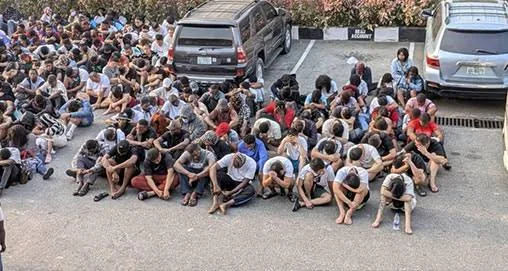
A Nigerian court has ordered the final forfeiture of over $222,000 in cryptocurrency linked to a suspected cybercrime syndicate involving Chinese nationals. The ruling was handed down on Monday at the Federal High Court in Ikoyi, Lagos, bringing a major chapter to the multi-national fraud case. Justice Alexander Owoeye approved the seizure after reviewing evidence filed by the Economic and Financial Crimes Commission (EFCC). Investigators say the $222,729.86 in USDT (a stablecoin cryptocurrency) was part of the proceeds from wide-ranging investment and romance scams. These operations, authorities allege, targeted victims online and laundered money through crypto channels and Nigerian bank accounts. The suspects were part of a group of 792 people, including dozens of foreign nationals, who were arrested during a large raid codenamed “Eagle Flush Operation” on December 10, 2024, in Victoria Island, Lagos which was cited in a report by Daily Tech Nigeria. Police stormed a building where the syndicate ran its tech operations. According to court documents, the group funneled money through Genting International Co. Limited, a Nigerian-registered firm. The company’s Union Bank account reportedly received suspicious inflows of more than ₦2.2billion in just eight months. Two crypto vendors, Chukwuemeka Okeke and Alhassan Aminu Garba, confirmed to the EFCC that they received around $2.38million in Tether (USDT) from the syndicate. EFCC lawyer Zeenat Atiku told the court that the seized digital assets were tools for computer fraud and money laundering. Justice Owoeye, in his decision, said he was satisfied with the evidence: “I have read the motion and attachments and found sufficient merit in the application. Consequently, the motion succeeds and is hereby granted.” The crypto forfeiture is the latest in a series of court actions. Just last week, another Federal High Court in Lagos ordered the deportation of nine Chinese nationals convicted of cyber-terrorism and internet fraud. The suspects had pleaded guilty and are being repatriated, with all confiscated items forfeited to the Nigerian government. The EFCC says it will continue to clamp down on internet fraud and money laundering, and experts believe rulings like this will make it tougher for scammers to hide behind cryptocurrency.
CAC delays new service fees to September, cites transition issues
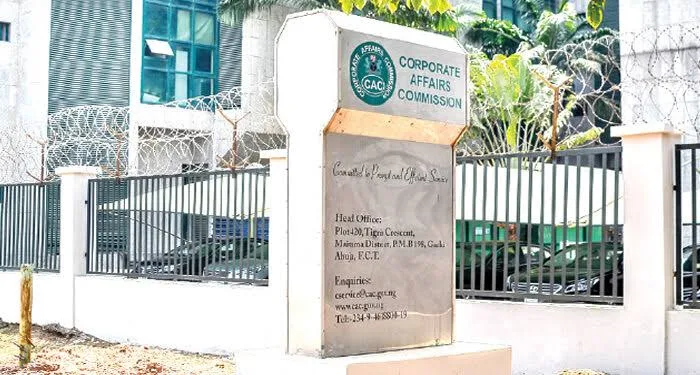
The Corporate Affairs Commission (CAC) has postponed the planned increase in its service fees and penalties for document downloads from August 1 to September 1, 2025. This comes as users continue to face challenges adapting to the upgraded online registration system. The new fees, originally set to take effect mid-August, reflect CAC’s response to rising operational costs and broader economic pressures. However, the Commission has recognized that some users are still struggling with areas like document downloading, payment processing, and filings. In response, CAC extended the implementation date to allow more time for a smoother transition without shutting down the registration portal. “This postponement is part of our commitment to supporting businesses and ensuring seamless user experience,” CAC said, assuring it is working with technical partners to stabilize the system. This delay follows recent announcements from government agencies like the National Identity Management Commission, which raised fees earlier this year after maintaining the same price structure for over a decade. The Commission will continue to engage stakeholders and improve the portal experience as it prepares for the September rollout.

Nigerian Airlines refund over N1 billion to passengers in three months
Nigerian domestic airlines refunded more than N1 billion to nearly 5,300 passengers between April and June 2025, the Nigerian Civil Aviation Authority (NCAA) has announced. The NCAA said on Monday that a total of N1,038,505,680.80 was returned to 5,285 air travellers over the three-month period. The refunds covered tickets and services affected by flight cancellations and delays on local routes. While the NCAA did not specify which airlines or routes had the most refunds, it stressed that the move shows its efforts to make sure passengers are protected and airlines stick to their promises. The statement also clarified key passenger rights. According to NCAA rules, if your flight gets cancelled, you are eligible for a seat on the next available flight, but not necessarily the next scheduled one if it’s already full. Airlines aren’t required to remove passengers to create space for others, in line with global standards. The NCAA confirmed that if airlines give at least 24 hours’ notice ahead of departure that a flight is cancelled, passengers shouldn’t come to the airport and the airline doesn’t have to provide additional support. But if notice comes less than 24 hours before take-off and a traveller is already at the airport, the airline must offer care such as refreshments, hotel stays (when needed), booking on another airline, or even direct compensation, depending on the situation. To claim a refund or compensation, passengers must file a formal complaint directly with the airline. If the airline does not resolve the issue, the case should then be escalated to the NCAA through its official complaint channels, not through social media, which cannot trigger any official action, the authority warned. Travellers are encouraged to report issues via the NCAA’s consumer protection website or emails and to study the national aviation rules so they know what they are entitled to. The NCAA says this helps people address problems faster and makes the industry more passenger-friendly.
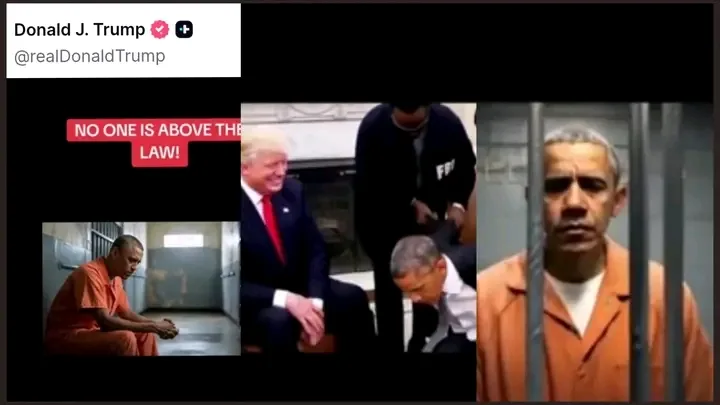
Donald Trump shares AI video calling for Obama’s Arrest amid coup claims
Former US President Donald Trump posted an AI-generated video showing Barack Obama in handcuffs, intensifying his claims of wrongdoing by the Obama administration. On Sunday, Trump shared a digitally altered video on his Truth Social platform depicting former President Barack Obama being handcuffed and later shown in federal prison attire. The AI video begins with Obama stating “no one is above the law” before law enforcement officers arrest him during an Oval Office meeting with Trump, footage originally from November 2016. The clip ends with Obama behind bars, set to the tune of “YMCA” by the Village People. This provocative post followed accusations from Tulsi Gabbard, the US Director of National Intelligence, who claimed on Fox News that the Obama administration conducted a “years-long coup” to undermine Trump’s presidency. Gabbard alleged that former officials including ex-FBI Director James Comey and former DNI James Clapper fabricated intelligence to justify claims of Russian interference in the 2016 election. She said she had referred them to the Justice Department for prosecution. Trump praised Gabbard and a Fox News analyst for exposing what he called “highest level Election Fraud” and posted doctored mugshots of other Obama-era officials alongside demands for the arrest of Senator Adam Schiff. The posts also revisited claims that intelligence agencies had no evidence of Russian hacking before the November 2016 election, a stance contrasting with later official reports. Senator Mark Warner, Democrats’ top member on the Senate Intelligence Committee, condemned Gabbard’s claims as “weaponising her position” to push election conspiracy theories, calling it “appalling” and political. The situation remains fluid as investigations and political debates continue.