A critical security flaw in Microsoft’s SharePoint server software is actively being exploited by hackers, putting thousands of organisations worldwide at serious risk. The vulnerability, tracked as CVE-2025-53770, allows attackers to remotely run malicious code on on-premises SharePoint servers without needing to log in. This means hackers can access sensitive files, steal security keys, and take full control of affected servers, including those used by governments, universities, and large companies. Microsoft confirmed the breach and released emergency security patches for SharePoint Subscription Edition and SharePoint 2019 but said fixes for SharePoint 2016 are still in development. The company urges all affected customers to install the updates immediately to reduce exposure. Experts warn that even patched systems might still be vulnerable if hackers had already stolen authentication keys or implanted backdoors before updates were applied. More than 10,000 organisations are estimated at risk worldwide, with the highest numbers in the United States, the UK, the Netherlands, and Canada; however, Nigerian organisations using on-premises SharePoint should also take note. Silas Cutler, a cybersecurity researcher, said, “This is a dream for ransomware operators. We expect a surge in malicious activity targeting this exploit over the coming days.” Palo Alto Networks likewise called it “a serious and active threat,” confirming real-world attacks are ongoing. To protect their servers, Microsoft and the US Cybersecurity and Infrastructure Security Agency (CISA) recommend enabling Microsoft Defender Antivirus, configuring Antimalware Scan Interface (AMSI), and disconnecting vulnerable servers from the internet if applying patches is not immediately possible. This breach shows a major challenge for IT teams globally, including Nigeria’s, where many still rely on SharePoint servers for document management and internal communication. Gene Yu, CEO of Singapore’s Blackpanda cyber incident response firm, explains, “When they’re able to compromise the fortress that is SharePoint, everyone is at their mercy because SharePoint is one of the most secure protocols out there.” Microsoft’s SharePoint Online cloud service is not affected by this vulnerability, but customers using on-premise installations must act fast to secure their systems. Staying up to date with patches and following security guidance is critical to avoid costly data breaches and ransomware attacks. Nigerian organisations using SharePoint servers should urgently check their security settings and apply recommended protections to avoid falling victim to these dangerous attacks.

First HoldCo denies N323 billion share buyout reports, clears Otedola and FG; slams Arise TV and ThisDay
First HoldCo Plc has blasted recent media claims about a major share acquisition, stressing that neither its chairman Femi Otedola nor the Federal Government took part in the massive deal on the Nigerian Exchange. On July 16, 2025, more than 10.4 billion shares of First HoldCo changed hands in an off-market transaction worth about ₦323.4billion, executed in 17 negotiated trades at ₦31 per share. The blockbuster deal caught public attention and triggered widespread speculation about ownership changes and the future direction of one of Nigeria’s oldest financial groups. First HoldCo reacted strongly to media reports from Arise TV and ThisDay Newspaper, labeling their coverage “a deliberate misrepresentation of facts” and “grossly unprofessional.” The company accused the news outlets of sensationalism designed to paint First HoldCo in a bad light and unsettle stakeholders. “We are embarrassed and disappointed at the willful distortion of facts. The action appears calculated to cast First HoldCo Plc in a negative light and incite panic among stakeholders,” the company said. First HoldCo made it clear the transaction did not involve Chairman Femi Otedola, the Federal Government, or any of its agencies. “Mr. Femi Otedola did not buy or take over the traded shares. The Federal Government of Nigeria, its agencies, and the Attorney General were not parties to the acquisition,” the statement read. The buyer was identified as an independent Bridge Holder, with no shares going back to the company itself. Kamarudeen Ogundele, Special Adviser on Communication and Publicity for the Attorney General’s office, also denied the government’s involvement. In his words: “The Office of the Attorney General of the Federation debunks this falsehood to prevent confusion or misconceptions about First HoldCo’s ownership and governance.” Ogundele explained that although the government was aware of a trustee structure, approved by the Central Bank of Nigeria and managed by Renaissance Capital (RENCAP), it had no hand in the purchase. The trustee arrangement was set up only to manage the transaction, not to benefit any government body. The trade represents the end of an era as Oba Otudeko, a founder and long-standing shareholder, officially exits the group. Tunde Hassan-Odukale, another major stakeholder, also sold out. The new shares are now held by RC Investment Management, a Renaissance Capital subsidiary. With the dust settling, First HoldCo called on the media to stick to fair and accurate reporting and urged the proprietor of the platforms involved to settle outstanding debts owed to FirstBank. For now, First HoldCo continues business as usual, looking to steady ground after one of the largest transactions in NGX history.
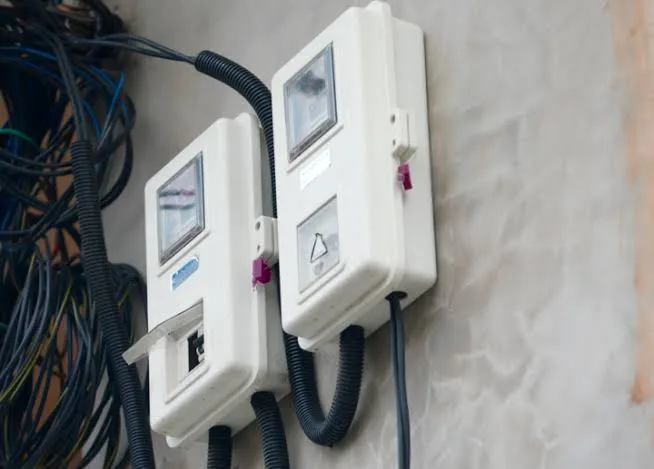
Enugu slashes power tariff for Band A customers to N160/kWh
Enugu State has announced a major drop in electricity tariff for premium Band A customers, setting the new rate at N160 per kilowatt-hour (kWh) from August 1, 2025. The Enugu State Electricity Regulatory Commission (EERC) reduced the tariff after a thorough review of MainPower Electricity Distribution Limited’s costs. Band A customers, who usually get the best supply, were previously charged N209/kWh, making the new rate a 23% cut. The other customer bands will see no changes for now. EERC Chairman, Chijioke Okonkwo, explained the change: “We reviewed their entire costs, using our Tariff Methodology Regulations 2024, and the supporting Distribution Tariff Model to get an average price of N94. The price is low because the Federal Government has been subsidising electricity generation cost, which charges only N45 out of the actual cost of N112.” He added that Band A customers will now benefit from the government’s power subsidy, helping both consumers and MainPower manage rate shocks. There are strict conditions attached. If MainPower cannot keep up their service promise on Band A feeders for two consecutive days, they have to report it within 24 hours. If they fall short for seven days, those feeders will be downgraded to a lower band automatically. Enugu’s tariff changes are backed by the state’s 2023 electricity law, which gives EERC the power to regulate power supply activities in the state. The move follows a wider push, driven by the federal government’s 2023 Electricity Act, for states to manage their own electricity markets and make power distribution more responsive to local needs. Okonkwo noted the reduction depends on federal subsidies. If these are ever removed, the Band A tariff could rise again. But for now, he said, “it is only right that Ndi Enugu – Band A customers enjoy the reduced tariff effective August 1, 2025.” The Commission says it will keep working with stakeholders to improve electricity services for everyone in the state.

Microsoft names Abideen Yusuf as new GM for Nigeria and Ghana; Olatomiwa Williams promoted to regional AI role
Microsoft has announced a leadership change in West Africa, appointing Abideen Yusuf as General Manager (GM) for Nigeria and Ghana while Olatomiwa Williams steps into a new regional role focusing on AI growth. Abideen Yusuf succeeds Olatomiwa Williams, who has been promoted to Chief Growth & AI Officer for Microsoft’s Middle East and Africa (MEA) Growth Markets. Yusuf, a seasoned Microsoft leader, takes charge as Nigeria’s tech sector gains momentum as a hub for AI and fintech innovation. He plans to build on existing digital skills training programs and expand cloud infrastructure in the region. “I am deeply honoured to step into the role of Country General Manager for Microsoft Nigeria and Ghana,” Yusuf said in a LinkedIn post. He pledged to collaborate with governments, businesses, and communities to foster inclusive innovation and sustainable growth. Olatomiwa Williams, who led Microsoft Nigeria for four years, spearheaded major initiatives like the Microsoft AI Tour and a $1 million investment to train one million Nigerians in AI by 2027. Reflecting on her tenure, she described it as “profoundly rewarding” and expressed excitement about driving AI adoption across a broader region. The leadership reshuffle is part of Microsoft’s strategy to accelerate digital transformation and AI integration across the MEA region. Other moves include new appointments in enterprise partnerships and regional presidency roles, signaling the company’s effort to stay agile amid rapid tech advances. Nigeria remains a key focus, ranking seventh in Africa for AI readiness. With a $200 million Africa Development Centre in Lagos, Microsoft continues to invest in local talent and innovative solutions, especially in fintech, healthcare, and agriculture. This transition shows Microsoft’s confidence in Nigeria’s tech potential and commitment to driving forward digital and AI innovation for the continent’s future.
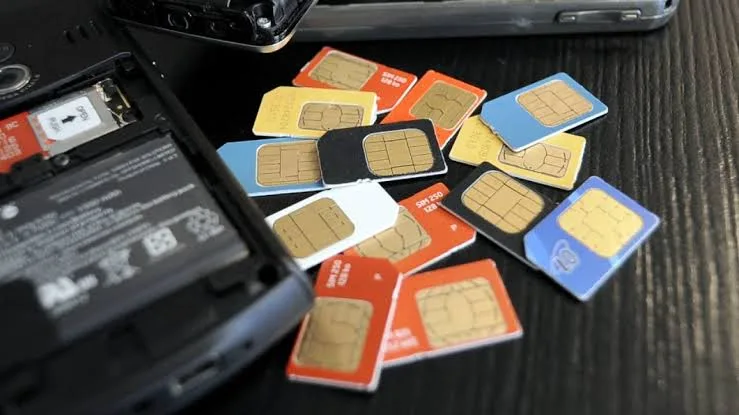
SIM swap services return for Nigerians after weeks-long disruption
Telecom operators in Nigeria have confirmed that SIM swap services are back, following weeks of nationwide disruption that left millions unable to replace or activate SIM cards. Both MTN and Airtel have restored SIM swaps across their networks after the downtime, which was traced to the migration to a new National Identity Management Commission (NIMC) verification platform. MTN posted on Sunday via its support account:“SIM swaps have now resumed. We can confirm that NIMC services are fully operational and appreciate their support in the migration to a new platform for NIN verification services for the telecommunications industry.” The company added that anyone who still has issues should visit their nearest service centre for help. Airtel Nigeria also notified customers through social media that,“The NIMC PORTAL is up and running. We regret earlier messages suggesting otherwise. We are sorry for the delay and are addressing the issue… We value our partnership with the NIMC and value your patience.” For now, other big networks like Glo and 9mobile have not made formal statements on SIM swap restoration. However, NIMC has reposted MTN and Airtel’s updates, showing that SIM swap is available on multiple networks again. Earlier in July, many Nigerians suddenly lost access to SIM-related services. This included SIM swaps, replacements, and new activations. The trouble came from technical changes ordered by NIMC, who directed all telcos to move to a new identity verification system. This system is critical, because the federal government now requires everyone to link their SIM cards to a National Identification Number (NIN). If the verification platform is down, no new SIM can be activated. The NIMC said the migration is part of plans to improve the security and reliability of Nigeria’s digital identity infrastructure. But the switch did not go smoothly and caused nationwide service delays for several weeks. Both MTN and Airtel have urged customers still experiencing delays to visit their service centres for quick support. Operators have thanked the public for their patience during this unexpected break. For now, Nigerians should expect normal service for SIM swaps and other SIM-related issues, though some queues are likely at major service centres as backlogs are cleared. As MTN’s message put it:“We appreciate [NIMC’s] support in the migration… and thank our customers for their patience.” Nigerians are advised to make sure their NIN is up to date and handy when visiting service centres for any SIM-related request.
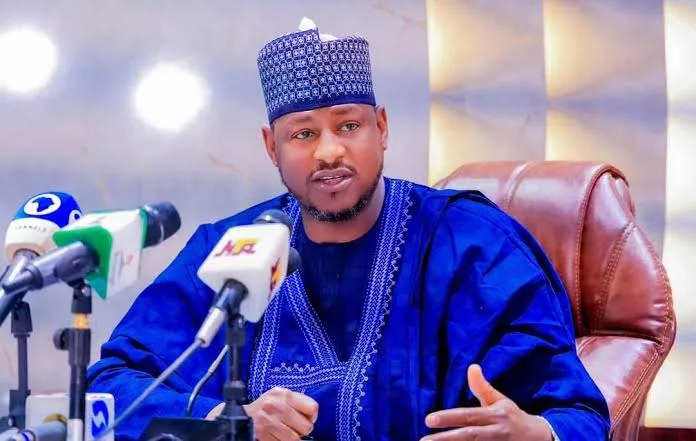
Katsina State Governor survives minor auto crash while returning from Buhari’s residence
Katsina State Governor, Dikko Umaru Radda, was involved in a minor road accident on Sunday evening on the Daura-Katsina Road. The accident happened as the governor was heading back from Daura, where he had gone to the late former President Muhammadu Buhari’s home to receive condolences from mourners. Fortunately, the governor escaped without serious injury. Ibrahim Mohammed, the governor’s spokesperson, confirmed the accident in a statement, describing it as “minor” and saying Radda was on official duty at the time. This incident comes shortly after the nation mourned former President Buhari, who passed away recently. The governor’s visit to Daura was part of condolence activities. The minor accident caused no major harm, and the governor’s schedule is expected to continue as planned. For now, Katsina residents and Nigerians alike can be relieved that their governor is safe. No further updates on the cause of the accident or any delays in official duties have been reported.