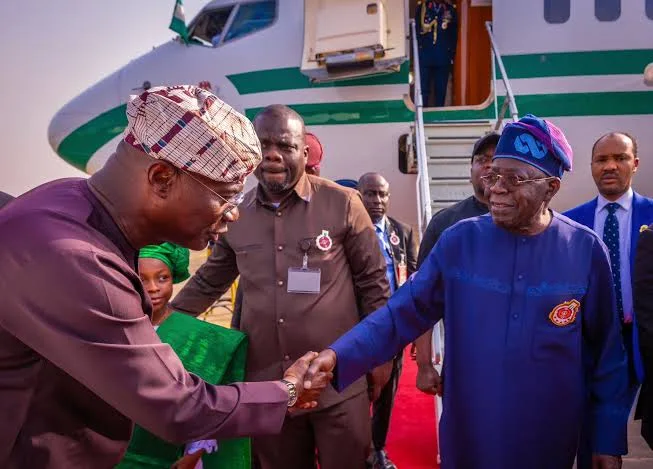
The Nigerian government has sent its ageing Boeing 737-700 Business Jet to Switzerland for sale after replacing it with a new Airbus A330 for presidential use. The 20-year-old Boeing 737-700 BBJ, which has served as Nigeria’s main presidential aircraft since 2005, is now at AMAC Aerospace in Basel, Switzerland, where it is being inspected and prepared for sale. This company also helped Nigeria acquire the new Airbus jet. The Boeing jet has flown about 3,821 hours and landed 1,881 times. It features a luxurious five-zone cabin with space for 33 passengers and eight crew members. Inside, it has a private bedroom with an ensuite shower, a VIP office, conference and dining areas, plus first-class and business-class sections. It also comes with advanced avionics and Ka-band internet connectivity. This sale is part of President Bola Ahmed Tinubu’s plan to cut down on high maintenance costs and simplify the presidential fleet, which currently includes six planes and four helicopters. Along with the Boeing 737-700, two other older jets, a Gulfstream and a Falcon 7x, are also being put up for sale because they are costly to maintain and partly unserviceable. The move follows advice from the Nigerian House of Representatives Committee on National Security and Intelligence, which recommended updating the presidential fleet with newer aircraft. The new Airbus ACJ330-200, registered as 5N-FGA, is now the main presidential plane. This step is expected to reduce government spending on aircraft upkeep and improve the efficiency of presidential air travel.
“Fix internet quality issues or face fines”- NCC to tower companies
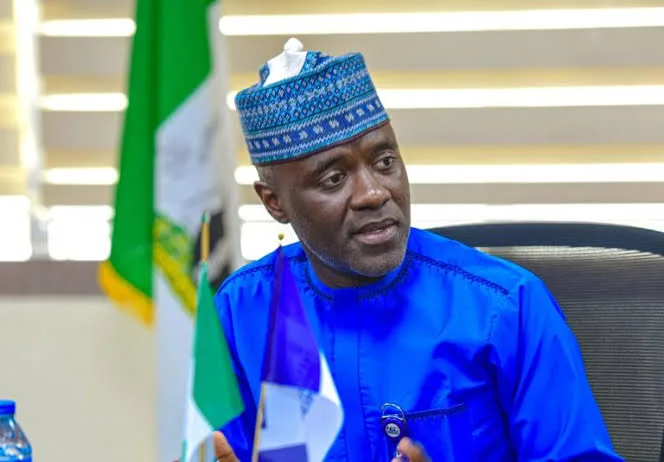
The Nigerian Communications Commission (NCC) has ordered tower companies to urgently improve internet service quality by the end of August or risk penalties. At a recent Abuja meeting, NCC Executive Vice Chairman Aminu Maida directed major tower infrastructure providers, including IHS Towers, American Tower Corporation (ATC), and Pan-African Towers, to resolve problems like poor power supply, equipment failures, and lack of technical support that are hurting internet quality. Tower companies, known as TowerCos, own and maintain the cell towers that mobile operators like MTN, Airtel, and Glo rely on for network coverage. When towers experience power outages or technical faults, it causes dropped calls and slow data, frustrating millions of users. IHS Towers leads the market with around 62% of Nigeria’s telecom towers, followed by ATC and Pan-African Towers. The NCC’s new directive came after it expanded its Quality of Service regulations in August 2024 to include TowerCos, requiring them to meet strict performance standards. Maida emphasized that financial disputes between mobile operators and tower companies are no excuse for poor service, insisting all parties must meet their technical and financial obligations. The NCC is also boosting transparency by launching a Major Incident Reporting Portal and plans to publish performance dashboards online so consumers can track how well providers meet their targets. This set to improve network reliability and internet experience for Nigerians, especially as digital connectivity becomes ever more crucial for work, education, and social life. If tower companies fail to act before the August deadline, fines and stricter enforcement could follow, which at the end will reshape Nigeria’s internet landscape for the better.
Nigerian Railway Corporation to resume Kano–Minna train services before end of 2025
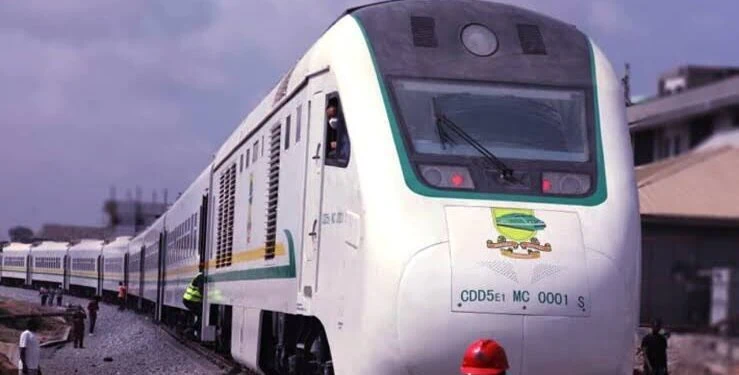
The Nigerian Railway Corporation (NRC) has announced plans to restart train operations on the Kano–Minna route before December 2025, aiming to boost economic activities in Northern Nigeria. NRC Managing Director, Dr. Kayode Opeifa, revealed this during a visit to the NRC Northern District Office in Zaria. He said the corporation will reactivate key equipment in the region using funds from the 2025 capital expenditure. The NRC is also working with Niger, Kano, and Kaduna state governments to restore shuttle services on Minna–Kaduna and Kaduna–Kano routes, reflecting a new railway governance framework that allows greater state involvement. The Northern District, the largest by landmass and staff, has been largely inactive, with many staff idle for a long time. Regional District Manager Adewale Rasheed stated the urgent need to revive major routes like Lagos–Kano and Kano–Nguru to re-engage staff and restore operations. Meanwhile, the National Union of Railway Workers raised concerns about unpaid promotion arrears and career stagnation among staff, urging NRC to address these welfare issues. Dr. Opeifa also announced plans to collaborate with Kaduna State to revitalize the railway hospital in Zaria and support security agencies in reducing vandalism of railway properties. This revival is expected to improve connectivity, facilitate trade, and strengthen rail infrastructure’s role in the region’s economic growth. This development promises better transport options for commuters and traders, contributing to economic recovery and integration in Northern Nigeria. The NRC’s focus on modernizing infrastructure and addressing staff welfare signals a commitment to sustainable growth in the rail sector.
Lagos State and China’s Guangdong province to boost tech and blue economy partnership
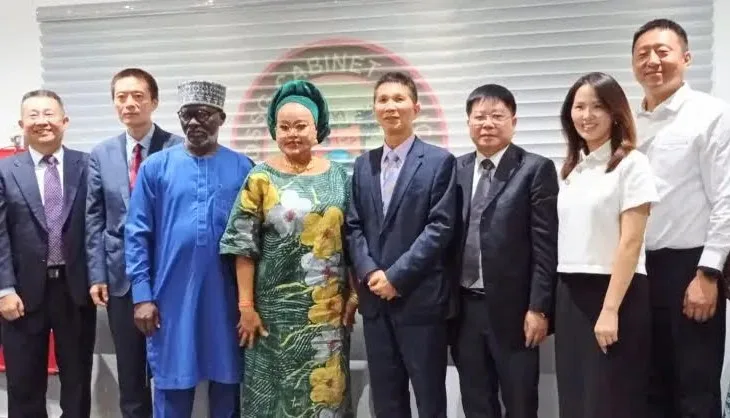
Lagos State is set to partner with China’s Guangdong Province to advance technology and the blue economy, aiming to improve residents’ quality of life and drive economic growth. During a recent meeting in Ikeja, Mrs. Bimbola Salu-Hundeyin, Lagos State’s Secretary to the Government, announced plans for a Memorandum of Understanding (MoU) between Lagos and Guangdong. This agreement will pave the way for increased foreign direct investment (FDI) and collaboration in culture, tourism, technology, and the blue economy sectors. Guangdong’s Deputy Director General of Foreign Affairs, Mr. He Rusheng, expressed readiness to strengthen ties, recalling a disrupted 2019 visit due to COVID-19. He highlighted Lagos as a strategic gateway to African markets and urged faster implementation of joint projects to unlock economic and social benefits. This partnership aligns with recent Nigeria-China commitments to deepen trade, legislative cooperation, and infrastructure development, supporting Nigeria’s industrial growth ambitions. Lagos Governor Babajide Sanwo-Olu continues to champion international collaborations that deliver tangible benefits to the state’s economy and residents’ welfare. The Lagos-Guangdong deal signals growing international interest in Nigeria’s tech and maritime sectors, promising new opportunities for investment and innovation.
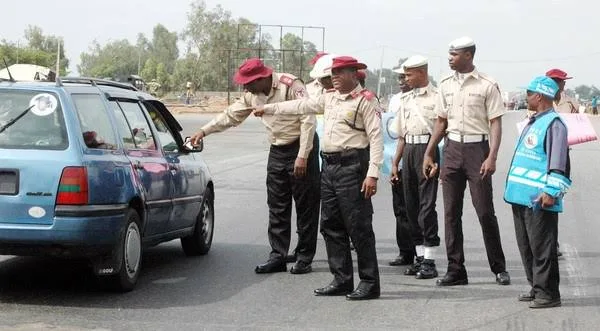
FRSC sentences four drivers to community service in FCT for traffic violations
The Federal Road Safety Corps (FRSC) has sentenced four drivers to a total of 35 days of community service for various traffic offenses in the Federal Capital Territory (FCT). The convictions were handed down by a Mobile Court in Nyanya, FCT, presided over by His Worship Maryam Alhaji. The drivers were found guilty of offenses including dangerous driving, license violations, road obstruction, route violations, and attempts to corrupt traffic marshals. John Emenu and Ajayi Adewoye, both second-time offenders, received seven days each, while Ekpo Chukwunonso was sentenced to seven days for attempting to bribe a marshal. John Doe, convicted of multiple offenses, received 14 days of community service at the FRSC headquarters. The FRSC’s Public Education Officer, Olusegun Ogungbemide, confirmed the sentences in an official statement. The court actions followed special Mobile Court operations aimed at enforcing traffic compliance and improving road safety in the FCT. Corps Marshal Shehu Mohammed emphasized that the FRSC is committed to strict enforcement against indiscipline and reckless driving. He assured Nigerians of intensified patrols and surveillance nationwide to ensure offenders face the full weight of the law and to protect lives on Nigerian roads. This development shows ongoing efforts by the FRSC and the judiciary to tackle traffic violations and promote safer driving habits in Nigeria’s capital. The community service sentences serve as a warning that traffic laws will be enforced firmly to reduce accidents and improve road safety. The FRSC’s continued crackdown on traffic offenders signals a push towards more disciplined road use, which is crucial for reducing road accidents and fatalities in Nigeria. Motorists are advised to comply with traffic regulations to avoid similar penalties.
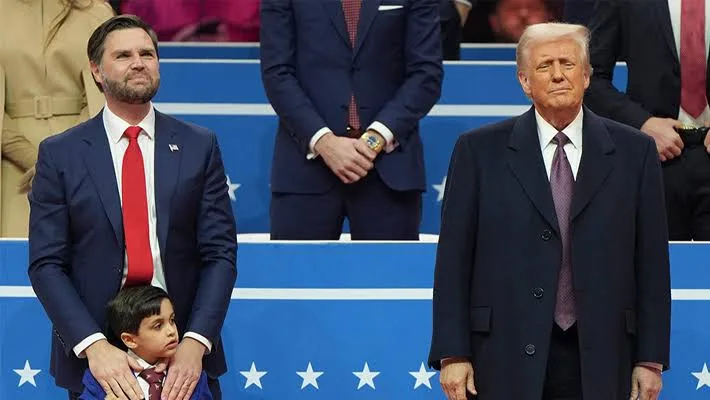
FBI busts Lagos-based crypto fraudster over ₦460 million scam linked to Trump inauguration
The FBI has launched a crackdown on a Lagos fraudster accused of stealing over ₦460 million in cryptocurrency meant for Donald Trump’s 2025 presidential inauguration. Ehiremen Aigbokhan, based in Lagos, allegedly led a Business Email Compromise (BEC) scam impersonating officials from the Trump-Vance Inaugural Committee. Using fake emails mimicking Steve Witkoff, a co-chair of the event, they tricked a donor into transferring 250,300 USDT.ETH, valued at more than ₦400 million in late 2024. The stolen crypto was quickly moved through multiple digital wallets to evade detection. The FBI, working with Tether, identified the fraud and froze the accounts on December 31, 2024. They traced the operation back to Aigbokhan in Lagos, sparking a full investigation. He is also wanted for other cryptocurrency fraud and money laundering activities. The FBI’s ongoing probe signals tougher enforcement against cross-border crypto fraud, a concern for Nigeria’s tech and financial sectors as they expand. More arrests or asset seizures could follow as the investigation continues. This story serves as a warning to donors and investors to verify digital transactions carefully.