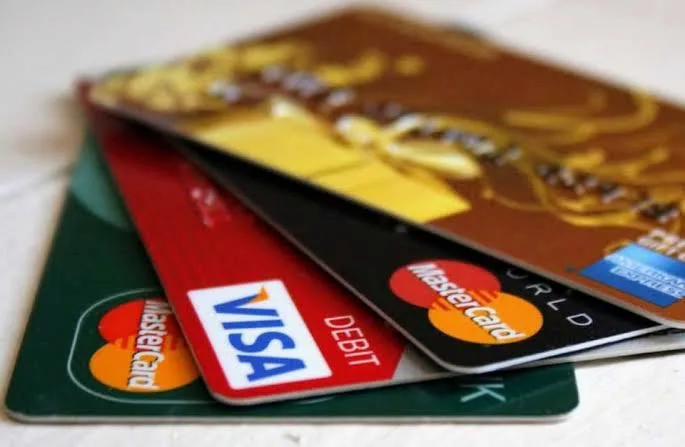
Nigerians can now shop and pay for services worldwide again as major banks have reactivated international transactions on their naira debit cards. United Bank for Africa (UBA), Wema Bank, and Guaranty Trust Bank (GTBank) announced on July 4, 2025, that their naira cards are once again enabled for global payments and withdrawals. This move ends a nearly three-year suspension caused by foreign exchange challenges and dollar shortages in Nigeria’s banking sector. UBA confirmed that all its Premium Naira Cards, including Gold, Platinum, and World variants, can now be used for online shopping, POS payments, and ATM withdrawals worldwide. Wema Bank highlighted that customers can now pay in dollars on popular platforms like Amazon, eBay, Netflix, Spotify, and YouTube using their naira Mastercards. GTBank also resumed international transactions but set a quarterly spending limit of $1,000, with ATM withdrawals capped at $500 per quarter. This reopening follows Central Bank of Nigeria’s liberalisation of the foreign exchange market, which has stabilised the naira and improved dollar liquidity. Financial experts say the improved forex availability encouraged banks to lift restrictions and restore global access for their customers. For Nigerian consumers, this means easier access to international goods and services without relying on virtual dollar cards or third-party payment methods. It also signals a positive step toward integrating Nigeria’s banking system with the global economy. Banks are expected to maintain these services and possibly expand limits, offering more convenience to users who rely on international platforms for shopping, subscriptions, and business.
ADC website crashes amid surge of new memberships
The African Democratic Congress (ADC) website went down recently as thousands of Nigerians rushed to join the party online. On Friday, many users reported error messages and inability to access the ADC membership page. One Facebook user, Unclè Anass Dukura, shared that despite the requirement to pay a N500 membership fee, the site could not handle the heavy traffic from interested Nigerians wanting to join the new coalition party. This sudden spike in online membership attempts caused the website to crash temporarily, showing how much interest the ADC is generating among Nigerians eager to be part of the political movement. The party’s digital infrastructure was overwhelmed by the volume of visitors, a sign of growing political engagement through technology. The ADC has not yet commented on when the website will be fully restored or how it plans to manage the influx of new members. For now, Nigerians hoping to join the ADC may need to wait until the technical issues are fixed. The party’s ability to handle this demand could shape its momentum going forward.
Independent publishers in EU accuse Google of abusing search dominance with AI summaries
A coalition of independent European publishers has filed an antitrust complaint against Google, accusing the tech giant of harming their traffic and income through its AI-generated search summaries called AI Overviews. The complaint was submitted to the European Commission by the Independent Publishers Alliance, backed by digital ad groups and nonprofits like the Movement for an Open Web and Foxglove Legal CIC. They claim Google’s AI Overviews, which appear at the top of search results in over 100 countries, use publishers’ content without consent and push their actual links further down, causing significant loss of readership and revenue. Google began placing ads in these AI summaries in May 2025, intensifying publishers’ concerns. The complaint entails that publishers cannot opt out of having their content used for AI training or appearing in AI Overviews without also disappearing from regular Google Search results, a choice that threatens their visibility and business survival. Google responded by saying its AI features drive billions of clicks daily and create new opportunities for content discovery. A Google spokesperson emphasized that fluctuations in website traffic can result from many factors and dismissed claims of traffic loss as based on incomplete data. Experts warn that this dispute signals growing tensions between tech platforms and content creators as AI reshapes online search. Publishers call for urgent regulatory action to protect competition and ensure fair treatment for original content providers. The outcome of this case may influence how AI tools are regulated globally and how content creators negotiate their rights in the AI era.

Flutterwave expands US reach with 20 new money transmitter licenses, relaunches Send App
Flutterwave has secured 20 additional Money Transmitter Licenses (MTLs) in the US, boosting its total to 34 and enabling wider remittance services across many states. The company’s flagship Send App, which allows Africans in the US to send money home, has been relaunched with these new licenses. This expansion unlocks new corridors to Nigeria, Ghana, and Egypt, making it easier and faster for users to send money without intermediaries. The onboarding process now features a quick ID check, and the app supports US-issued Visa and Discover cards with enhanced security and smoother user experience. Flutterwave CEO Olugbenga “GB” Agboola said the move empowers millions of Africans in the US to support their families and contribute to Africa’s economic growth while staying connected globally. Currently, Send App operates in over 30 US states including DC, Georgia, Maryland, and Michigan, with plans to continue expanding its footprint. This development strengthens Flutterwave’s position as a leading bridge between Africa and the global economy.
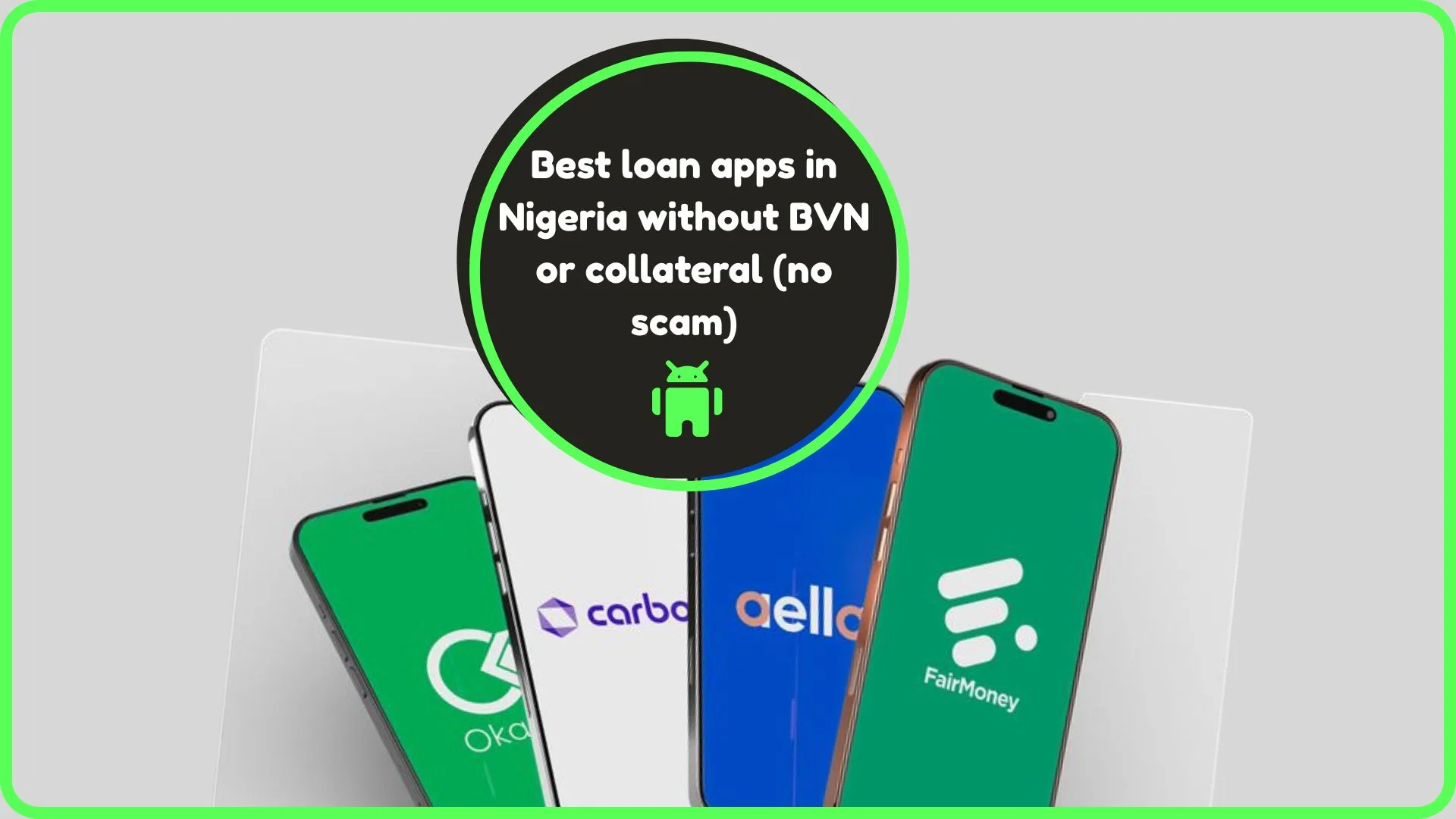
Best loan apps in Nigeria without BVN or collateral (no scam)
There are some best loan apps in Nigeria without BVN or collateral that can help you loan money and pay back later. Most of us need fast cash to solve our daily problems like paying school fees, buying food, paying rent, repairing a car, or even starting a small business. There are times when you may not have the time to go to the bank or go through a long process. Others of us don’t even have a BVN (Bank Verification Number) or anything to act as collateral. This is why loan apps have become very popular. They are apps that can be downloaded on your phone, and you can borrow money in minutes when you need it. You don’t have to go out of your house or wait at the bank. But be careful since not all loan apps are safe. They can steal your information or mess up with your contacts. In this post, we will show you the top loan app in Nigeria without bvn or collateral (no scam). So, let’s get started. What is a loan app? A loan app is a mobile application that can help you borrow some money without stress, right on your phone. It doesn’t require you to go to the bank and wait in long queues and complete lots of paperwork. The process of getting a loan is simple; you can download the app, open an account, request a loan, and the money goes right to your bank account or mobile wallet as long as your application was approved. All you need is a good internet connection and your smartphone. Most loan apps operate 24/7, and you can apply at any time, day or night, as well as during weekends and even on holidays. This is very convenient since you can always use quick cash at any time of the day and especially when it’s a personal emergency.. Why do people look for loan apps without BVN or collateral? There are many reasons why people search for loan apps that don’t require BVN or collateral: Luckily, in Nigeria, there are loan apps that can get you money without BVN or collateral. Which are the best ones? Let’s see. Recommended Guide: How to get back a hacked Facebook or WhatsApp account in Nigeria (Step-by-Step) Best loan apps in Nigeria without BVN or collateral (no scam) 1. Palmcredit Palmcredit is one of the most trusted loan apps in Nigeria. It gives instant loans without asking for your BVN or collateral. After downloading the app, you have the convenience of applying for the loan and getting an introduction in a matter of minutes.. Why Palmcredit is safe: Palmcredit operates under Newedge Finance Limited, which is a reputable financial services provider in Nigeria. The company is a fully licensed and controlled company under the Central Bank of Nigeria (CBN), implying that it can work under the formal rules that can secure your information and protect users. 2. FairMoney FairMoney is another reliable application that provides fast and easy loans to clients. When it involves an increase in the loan amounts, it may require you to present your BVN, but still, it does not take a long time to get the smaller loans, as those smaller loans don’t need BVN or collateral securities. Why FairMoney is safe: FairMoney is an approved microfinance bank in Nigeria. It also has bill payments and airtime recharge. 3. Okash (by Opay) Okash is one of the loan services in the Opay app. It’s quick and easy, and you don’t need to provide a lot of personal information to get loans. You can get small loans in no time without BVN or collateral. 4. Aella Credit Aella Credit is another great loan app that can give you fast loans without BVN in the initial stage. It’s easy to use, fast, and suitable for emergency financial situations. Why Aella is safe: Aella Credit is licensed and regulated by the financial services of Nigeria. 5. QuickCheck One of the best loan apps that gives instant loans with little or no questions is QuickCheck. You don’t need to give collateral and can get funds in minutes. Why QuickCheck is safe: The app is run by a licensed company and has good reviews on the Play Store. 6. EaseMoni EaseMoni gives quick loans to Nigerians with no requirements except documents or collateral. You can use your phone to apply for the loan easily, and the money will be credited to your bank account once it’s approved. Why EaseMoni is safe: EaseMoni is run by Blue River micro-finance bank, which is licensed and regulated by the Central Bank of Nigeria (CBN). Being a division of an established financial corporation, it guarantees safe, reliable, and professional loan services to every user. How to stay safe when using loan apps Most loan apps are good, but there are also fake apps that can scam you. To stay safe, do the following: 1. Only download from the Google Play Store Don’t install loan apps when you have been referred to them by WhatsApp or any other website. 2. Read the review before installation Know what other users think. Don’t use apps that have very bad reviews. 3. Never share otp/ passwords You should never share your OTP or log in with anybody. 4. Check for CBN approval Apply apps that are licensed by the Central Bank of Nigeria (CBN) only. 5. Protect your contacts and data Some apps access your contacts and call your friends when you fail to pay back. Choose apps that don’t violate your privacy. Recommended Guide: How to check and monitor your NIN with your phone without going to NIMC office Benefits of loan apps without BVN or collateral Important notes Even though these apps don’t ask for collateral or BVN at first, you must: Conclusion Loan apps indeed make life easier for many Nigerians, especially those in need of cash urgently, without going through the bank stress. You no longer have to worry
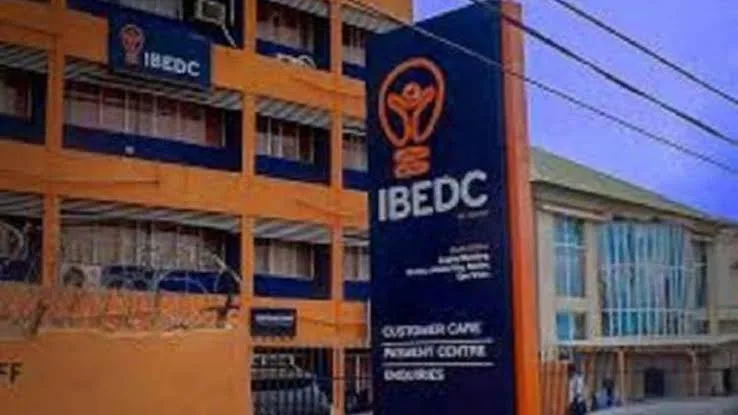
AMCON sells Ibadan Electricity Distribution Company for ₦100 billion, doubling initial price
The Asset Management Corporation of Nigeria (AMCON) has sold the Ibadan Electricity Distribution Company (IBEDC) for ₦100 billion, nearly twice the original price proposed earlier. AMCON’s Managing Director, Gbenga Alake, revealed during a recent media briefing that the sale price was increased after AMCON took over the process, insisting on a higher valuation than initially set. This sale is part of the federal government’s plan to privatize five power distribution companies managed by AMCON and banks, announced in April 2024. IBEDC is one of the five companies up for sale, alongside Benin, Kano, Kaduna, and Abuja Electricity Distribution Companies. The deal is almost complete, with AMCON preparing to hand over IBEDC to the winning bidder, whose name has not been made public. However, the sale has faced legal challenges, with some lawsuits claiming the process was improper and undervalued, potentially causing financial losses. AMCON insists the sale was transparent and says future sales will reflect true market value.