
Nigeria’s Economic and Financial Crimes Commission (EFCC) has arrested 18 people suspected of internet fraud at a hotel in Ogun State. The suspects were caught at Prime Garden Hotel, Atun-iju, along Idi-Iroko Road, following intelligence linking the location to online scams. Among them is a key suspect accused of defrauding someone of N200 million. The EFCC seized a red Lexus IS 250, jewellery, cash in local and foreign currencies, a U.S. driver’s licence, and a U.S. military ID during the raid. Other items recovered include laptops, vehicles, and documents used for fraud. This bust adds to a rising number of cybercrime arrests in Nigeria. In June, 38 suspects were arrested in Enugu, and in April, 24 people were caught in Lagos for scams involving fake profiles and identity theft targeting foreigners. The EFCC has warned hospitality businesses to avoid hosting fraudsters and promised ongoing operations to fight cybercrime. EFCC Chairman Ola Olukoyede stressed the agency’s zero-tolerance policy, saying cybercriminals harm Nigeria’s reputation and must be held accountable. The arrests show the government’s efforts to curb “Yahoo Yahoo” fraud, which remains a major challenge for Nigeria’s digital economy and international image.The suspects will be charged in court after investigations conclude.
Starlink, Spectranet lose thousands of customers as Nigerians cut internet costs
Internet service providers (ISPs) like Starlink and Spectranet have seen a drop in subscribers as Nigerians reduce their spending on internet services. Data from the Nigerian Communications Commission (NCC) shows that active customers across 127 ISPs fell from 307,946 in Q3 2024 to 289,369 in Q1 2025. Starlink, which became Nigeria’s second-largest ISP last year, lost over 6,000 users, dropping from 65,564 to 59,509 customers. Spectranet, the largest ISP by customer count, also saw a decline of about 2,200 users, while FibreOne experienced the biggest loss, shedding over 14,000 customers in the same period. Experts say the main reason for this decline is the rising cost of internet services. Jide Awe, an Innovation and Technology policy advisor, explained that many Nigerians are cutting back due to higher prices for data, equipment, and power. Starlink’s higher device and subscription costs make it less affordable for many. Some businesses are switching to mobile network operators (MNOs) because they offer cheaper and more flexible internet options. Tony Emoekpere, President of the Association of Telecommunications Companies of Nigeria (ATCON), pointed out that mobile operators moving into fiber services, traditionally dominated by ISPs, also affects ISP customer numbers. He added that tariff hikes implemented in February further contributed to the drop. For example, Lagos-based small business owner Kelvin Ayodele stopped using Starlink after prices rose from ₦38,000 to ₦57,000 monthly. He now uses a mobile broadband service that offers similar value at a lower cost. Despite the challenges for ISPs, mobile networks remain dominant with over 141 million active internet subscriptions as of April 2025, showing only a slight decline after tariff increases. To survive, experts suggest ISPs must rethink their business models. Awe recommends offering more flexible data plans, bundling services for sectors like education and health, partnering with startups, and investing in reliable power sources like solar energy. Exploring new technologies could also help ISPs stay competitive and keep customers.

Jeff Bezos sells $737 million in Amazon shares amid wedding celebrations
Jeff Bezos, Amazon’s founder and executive chairman, sold about $737 million worth of Amazon stock last week, marking his first big sale of 2025. Bezos sold roughly 3.3 million shares between June 27 and June 30 under a prearranged trading plan known as Rule 10b5-1, which allows insiders to sell shares at set times to avoid insider trading accusations. This sale coincided with his lavish wedding in Venice, Italy. Despite the sale, Bezos remains Amazon’s largest individual shareholder, holding around 905 million shares valued at nearly $200 billion. Since 2002, he has sold about $44 billion worth of Amazon stock but rarely buys shares back. Bezos uses proceeds from stock sales to fund ventures like Blue Origin, his aerospace company, which recently launched its new orbital rocket but also cut about 10% of its workforce to manage costs. Alongside business moves, Bezos has been active in philanthropy in 2025, donating nearly 930,000 Amazon shares to nonprofits supporting climate change and homelessness initiatives through his Bezos Earth Fund and Day One Fund.
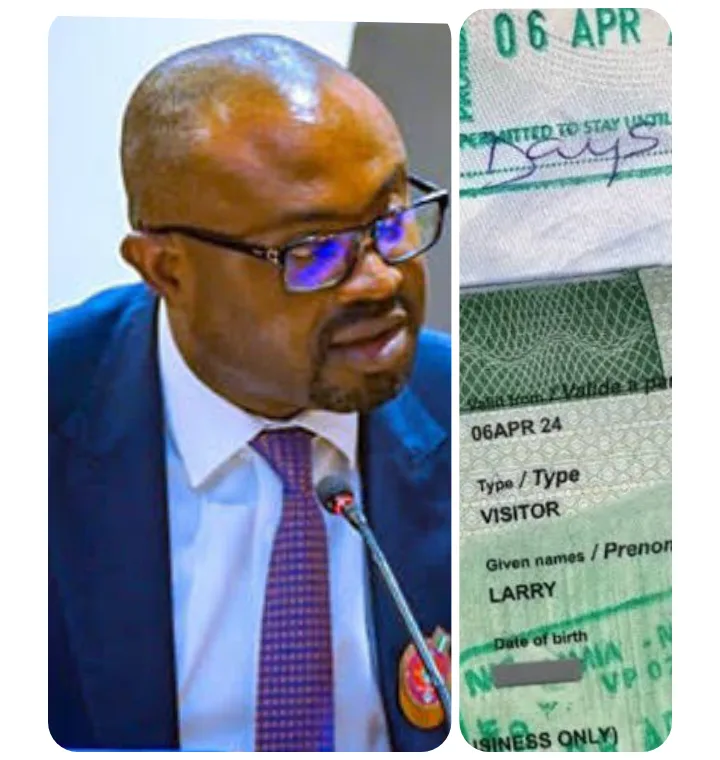
Nigeria sets August 1 deadline for visa overstayers to regularise or face heavy penalties
The Nigerian government has given foreigners who have overstayed their visas until August 1, 2025, to regularise their stay or face strict penalties starting immediately after the deadline. Recall on the 13th of April, 2025, Daily Tech Nigeria reported that the Minister of Interior Olubunmi Tunji-Ojo announced the policy during a stakeholders’ meeting in Lagos, stating its role in promoting responsible migration and safeguarding national security Interior Minister Dr. Olubunmi Tunji-Ojo announced that after this date, the government will fully enforce immigration laws, including fines and bans on re-entry for visa overstayers. The new rules include a daily $15 surcharge for each extra day beyond the visa expiry. Overstaying for six months will lead to a five-year ban from re-entering Nigeria, while overstays of one year or more will attract a 10-year ban. To help those affected, the government has launched an online amnesty portal where foreigners can regularise their status by applying for permits and submitting required documents without visiting immigration offices. This amnesty period runs through July, giving overstayers a chance to avoid penalties. Dr. Tunji-Ojo urged diplomatic missions to inform their nationals about the amnesty, stressing that Nigeria’s immigration laws must be respected by everyone within its borders. He also highlighted that the government has processed over 14,000 electronic visa applications recently, reflecting efforts to improve immigration services through technology. This move is part of Nigeria’s broader strategy to strengthen border security, reduce undocumented migration, and ensure compliance with national laws while facilitating legitimate travel. After August 1, enforcement will be strict, signalling a new era of immigration control in Nigeria.

Man caught hiding in FCMB ceiling overnight in alleged hack attempt
A man was caught hiding inside the ceiling of a First City Monument Bank (FCMB) branch overnight after trying to hack the bank’s systems. The incident happened on Sunday, June 30, 2025, at one of FCMB’s branches. According to staff, the man entered during business hours pretending to be a customer. Instead of doing any banking, he went to the restroom, locked himself in, and climbed into the ceiling. He stayed hidden there until the bank closed for the day. The next morning, employees found the restroom door locked from inside. When they forced it open, they discovered the man tampering with the bank’s computer systems. Some computers showed unusual messages like “restarting, click OK to accept,” suggesting he was trying to access sensitive data. The man was quickly caught and removed, but footage of the arrest went viral online. Many Nigerians questioned how he managed to sneak in and hide unnoticed, raising concerns about the bank’s security measures and surveillance. Some social media users suspected he had inside help, saying it would be impossible to locate the ceiling space and computer systems without guidance. There was also strong public criticism about how the man was treated after being caught. Videos showed security guards and police officers beating him, leading to calls for more humane handling of suspects and better police professionalism. This case shows serious gaps in bank security and the urgent need for improved surveillance and protocols to protect customer data. FCMB and law enforcement have yet to issue official statements, but the incident has sparked nationwide discussion about cybercrime risks and security standards in Nigerian banks.
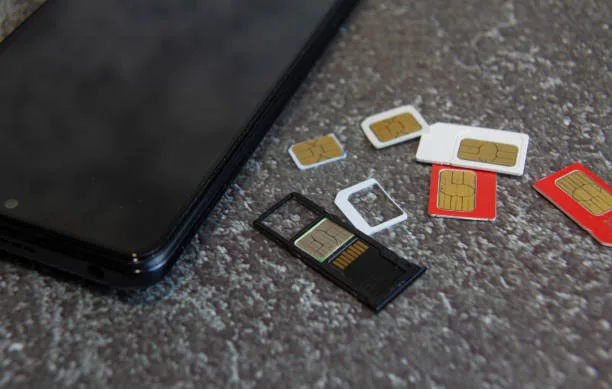
Nationwide SIM services disrupted as Telcos switch to new NIMC verification platform
Millions of Nigerians are currently unable to activate new SIM cards, swap, or replace existing ones due to a technical glitch caused by telcos migrating to a new identity verification system mandated by the National Identity Management Commission (NIMC). The Association of Licensed Telecommunications Operators of Nigeria (ALTON) confirmed that all mobile network operators (MNOs) nationwide are affected by this disruption. The problem stems from the switch to NIMC’s new platform designed to improve the security and efficiency of identity verification linked to SIM registration and related services. However, unforeseen technical issues have halted real-time verification processes, making it impossible for telcos to process SIM-related requests such as swaps, replacements, and new activations. ALTON urged subscribers to avoid visiting service centers for SIM transactions until the problem is fixed.The association is working closely with the Nigerian Communications Commission (NCC), NIMC, and other authorities to resolve the integration challenges as quickly as possible. ALTON also apologized for the inconvenience and promised to keep the public updated on progress. This disruption comes after Nigeria completed the mandatory linking of all SIM cards to the National Identification Number (NIN), a policy aimed at strengthening identity verification and reducing fraud in telecom services.