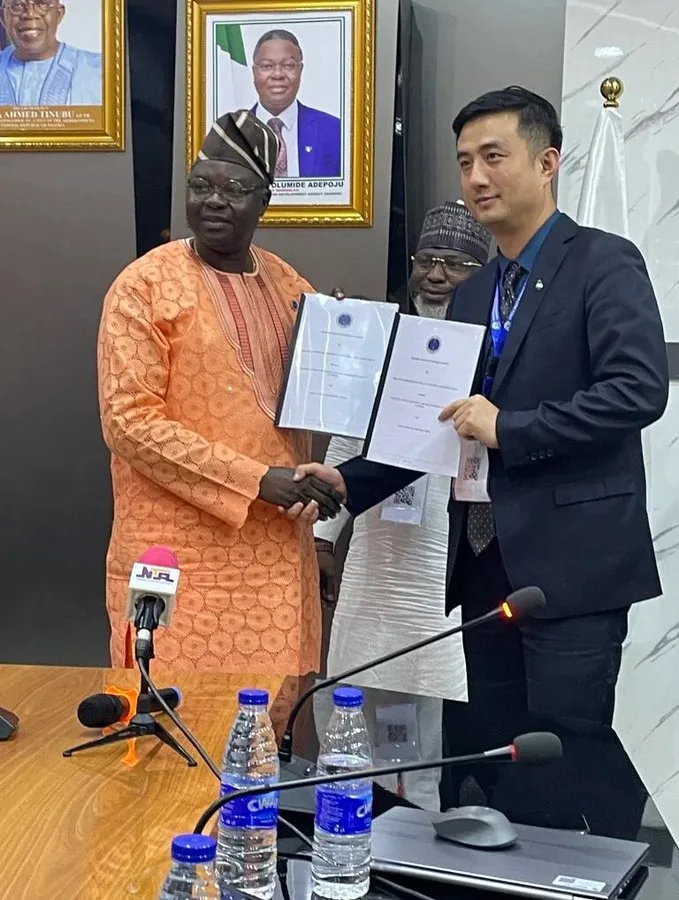
Nigeria’s push to close the digital divide took a major leap forward this week as the National Space Research and Development Agency (NASRDA) signed a landmark agreement with Chinese satellite company Galaxy Space. The deal, announced Wednesday in Abuja, will see the deployment of Direct-to-Device (D2D) satellite connectivity across the country before the end of 2025. D2D technology allows ordinary smartphones and laptops to connect directly to satellites, bypassing the need for cell towers or traditional network infrastructure. NASRDA’s Director-General, Dr. Matthew Adepoju, described the agreement as a “major milestone,” promising seamless communication even in Nigeria’s most remote and underserved regions. “This means your phone, laptop, or workstation can connect directly to satellites, enabling communication even in areas without network coverage,” Adepoju said. The partnership is also expected to bring technology transfer and training opportunities for Nigerian engineers, with plans to jointly build a miniaturized satellite, or CubeSat, in Nigeria. While the technology promises to eliminate network blind spots and boost digital inclusion, it also raises important privacy and security questions. With data potentially routed through foreign-owned satellites, experts say there is a need for strong regulatory oversight and robust encryption to protect user information. Galaxy Space’s representative, Mr. Sam Xiao, praised NASRDA’s leadership and suggested Nigeria could become a launchpad for D2D technology across Africa.
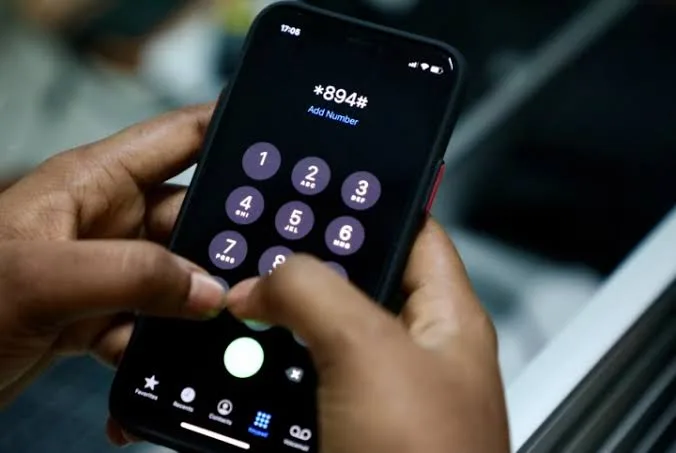
Telecom operators in Nigeria begin direct airtime charges for USSD services starting Today, June 18
Telecommunications companies have started charging customers directly for USSD (Unstructured Supplementary Service Data) services from Wednesday, June 18, 2025. This change follows a new directive from the Nigerian Communications Commission (NCC) aimed at making USSD billing more transparent and efficient. Under the new End-User Billing (EUB) model, mobile subscribers will now pay for USSD sessions through deductions from their airtime at a rate of ₦6.98 for every 120 seconds of use. This replaces the previous system where telecom operators billed banks for USSD services, often leading to disputes and service disruptions. The Association of Licensed Telecom Operators of Nigeria (ALTON) explained that this move will create a more sustainable and customer-friendly framework, especially as Nigeria’s digital financial services continue to grow rapidly. Customers will receive a prompt to opt in before charges are applied, ensuring they have control over each session. Importantly, only successful USSD transactions will be billed, reducing the risk of double charges. “This transition ensures a more accountable and efficient system,” said ALTON Chairman Engr. Gbenga Adebayo. “It also eliminates the frequent disputes between banks and telecom operators that have sometimes disrupted services for millions of users.” Banks are required to notify their customers about the change and educate them on how the new charges will work. For any issues with USSD access, customers should contact their mobile network providers, while transaction errors should be directed to their banks. Both sectors are committed to providing responsive customer support during this transition. Despite the new charges, alternative digital banking channels such as mobile apps, internet banking, and ATMs remain fully operational for users seeking other options. This change comes after years of tension between banks and telecom companies over unpaid USSD debts, which reportedly reached N250 billion. The Central Bank of Nigeria (CBN) and NCC have been working together to resolve these issues, with the new billing model marking a key milestone. As USSD remains a vital tool for financial inclusion, especially for underserved and low-income Nigerians, ALTON has pledged to continue collaborating with regulators and financial institutions to ensure the benefits of this transition reach all users. For millions of Nigerians, this new billing system promises clearer charges, fewer service interruptions, and greater control over their mobile financial transactions.
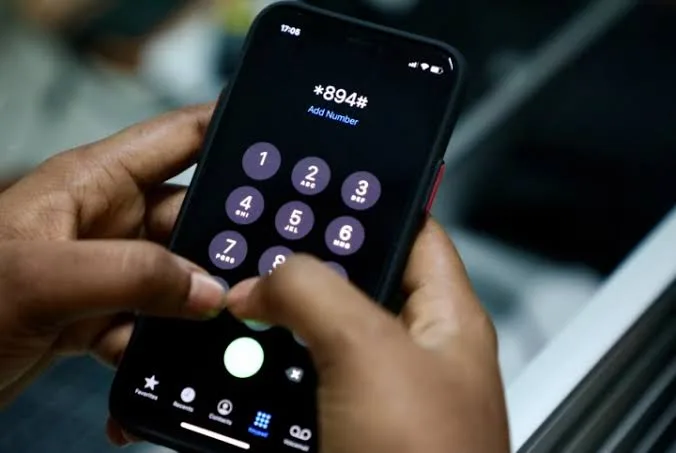
Nigerian banks, Telcos still testing USSD end-user billing, no official start date yet
Despite recent announcements by some Nigerian banks that charges for USSD banking transactions would now be deducted directly from customers’ mobile airtime starting June 3, 2025, sources from the Nigerian Communications Commission (NCC) have clarified that the new billing system is not yet live. According to insiders at the NCC, who spoke on condition of anonymity, banks and telecom operators are still in the process of finalizing technical integration and conducting thorough end-to-end testing. As a result, no official date has been set for the full rollout of the end-user billing (EUB) model. Earlier this month, banks such as UBA and FCMB informed their customers that USSD transaction fees, which were previously deducted from bank accounts, would now be charged against their airtime balance. The banks cited a directive from the NCC as the reason for the change. However, telecom operators have strongly disputed this claim. The Chairman of the Association of Licensed Telecom Operators of Nigeria (ALTON), Engr. Gbenga Adebayo, described the banks’ announcement as misleading and said the transition to airtime billing can only happen after banks clear outstanding USSD debts owed to telcos. “The agreement between the NCC, the Central Bank of Nigeria (CBN), banks, and telcos was clear: banks must settle all USSD debts by June 2, 2025, before migrating to the end-user billing model. Some banks have cleared their debts, but many have not, so the implementation is still on hold” – Adebayo explained. The longstanding dispute over USSD debts has been a major source of tension between banks and telecom operators. Telcos have accused banks of withholding billions of naira owed for USSD services, prompting threats to suspend USSD codes for delinquent banks earlier this year. For consumers, the shift to airtime billing means that USSD transaction fees, typically around ₦6.98 per 120 seconds, would be deducted from their mobile phone credit instead of their bank accounts. While this could simplify payment for telcos, many customers have expressed concerns about being charged twice or not being adequately informed. While some banks have started notifying customers about the upcoming change, the NCC and telcos emphasize that the end-user billing system is still undergoing testing and cannot be fully implemented until all parties agree and outstanding debts are resolved. Consumers are advised to stay alert for official communications from their banks and telecom providers regarding the final commencement date for USSD airtime billing.
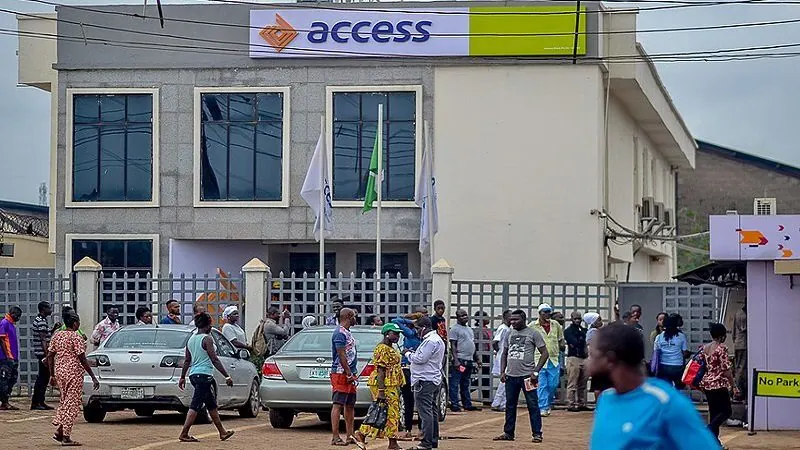
Access Bank’s bid to freeze MTN accounts over N180 billion debt denied by Lagos court
A Lagos Federal High Court has rejected Access Bank Plc’s application to freeze MTN Nigeria Communications Plc’s bank accounts over a disputed N180.95 billion debt related to an expired infrastructure-sharing agreement. Justice Akintayo Aluko ruled that MTN must be given a chance to respond before any drastic action is taken. The court set a hearing date for June 23, 2025, for further proceedings. The dispute stems from a decade-old fiber-sharing deal between MTN and the now-defunct Multi-Links Telecommunications. The agreement, which expired in 2024, allowed both companies to use each other’s fiber infrastructure. However, Multi-Links underutilized MTN’s network while MTN heavily used Multi-Links’ assets. Multi-Links later went into receivership under Diamond Bank, which Access Bank acquired in 2019. A company called Hoop Telecoms claimed to have acquired Multi-Links’ fiber assets but denied responsibility for past liabilities. Hoop Telecoms billed MTN nearly N170 billion retroactively, which MTN rejected, estimating its actual debt at just over N1 billion. Access Bank aligned with Hoop Telecoms’ claim and sought a Mareva injunction to freeze MTN’s funds to secure the disputed amount. The court, however, emphasized the need to hear MTN’s side first due to the case’s complexity. MTN has faced several legal challenges recently, including suing banks to recover unpaid fees and regulatory scrutiny over compliance issues. The court’s decision offers MTN temporary relief, but the legal battle over the legacy telecom agreement and receivership claims continues. MTN declined to comment, citing the ongoing case, while Access Bank has yet to respond to inquiries.

Nigeria’s telecoms spend over $350 million annually on diesel amid power challenges
Nigeria’s telecommunications industry is burning through more than $350 million each year on diesel fuel to power its network infrastructure, a new report from the Africa Finance Corporation reveals. Operators consume over 40 million litres of diesel monthly due to the country’s unreliable electricity grid, forcing many telecom towers to rely heavily on diesel generators to maintain service, especially in rural and remote areas. The report highlights that this dependence significantly hikes operational costs. Mobile base stations in rural Nigeria can incur energy expenses up to 37% higher than those in urban centers. Additionally, older technologies like 3G and lower data traffic volumes make energy use less efficient, further driving up costs. Beyond financial strain, telecom companies face security challenges, including frequent theft of diesel and battery equipment at tower sites. These issues shows the urgent need for alternative energy solutions and infrastructure investment. Efforts are underway to address these challenges. Nigeria is expanding its digital infrastructure, aiming to triple its backbone fibre network through public-private partnerships to improve broadband quality and reach underserved areas. Meanwhile, some operators are exploring hybrid power systems combining grid electricity, solar energy, and lithium batteries to reduce reliance on diesel. The report also points to broader energy sector problems in Nigeria, where unreliable public power supply has led millions of households and businesses to depend on petrol and diesel generators, highlighting a critical gap between energy demand and grid capacity. Closing this gap will require substantial investment in grid infrastructure and renewable energy sources to ensure sustainable, cost-effective power for Nigeria’s growing digital economy. Without such progress, the telecom sector’s hefty diesel bill is likely to persist, limiting expansion and affordability of mobile broadband across the country.
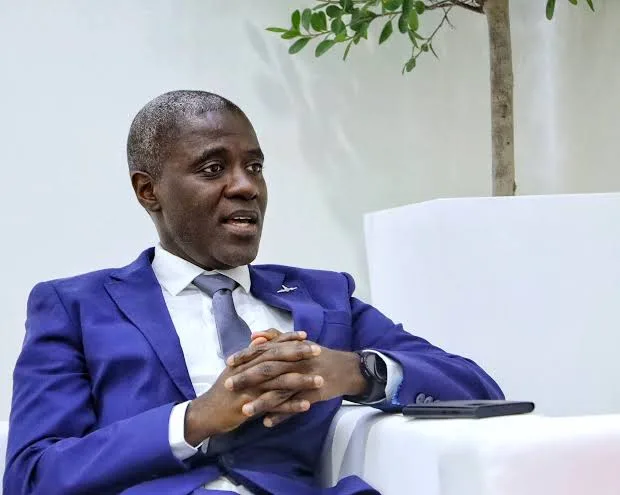
NCC unveils new cybersecurity framework to safeguard Nigeria’s telecom sector
The Nigerian Communications Commission (NCC) has announced plans to roll out a comprehensive cybersecurity framework aimed at strengthening the protection of Nigeria’s booming telecommunications industry against rising digital threats. Dr. Aminu Maida, Executive Vice Chairman of the NCC, revealed the initiative during a regulatory meeting held in Lagos on Wednesday. Represented by Abraham Oshadami, Executive Commissioner of Technical Services, Dr. Maida highlighted the rapid growth of Nigeria’s telecom sector, from fewer than 500,000 lines in 2001 to over 172 million active subscribers and 141 million internet users today. While this growth has fueled economic development and social inclusion, it has also made the sector a prime target for cybercriminals, particularly government infrastructure. “To counter these growing dangers, the NCC is developing a national cybersecurity framework with clear objectives,” Dr. Maida said. “The framework will foster a unified and resilient cybersecurity posture across the industry, enhance protection of telecom infrastructure, safeguard consumer data and privacy, and align with Nigeria’s National Cybersecurity Strategy as well as international best practices.” The framework will establish minimum cybersecurity standards for telecom operators, including incident reporting protocols, risk management guidelines, and mechanisms for information sharing and collaboration with regulatory agencies. It will be guided by existing laws such as the Cybercrime Prevention Act of 2015 and the Nigerian Data Protection Act of 2023. Abraham Oshadami emphasized that cybersecurity is no longer optional for telecom companies but a mandatory requirement. He noted the NCC’s commitment to engaging industry stakeholders to ensure the framework reflects real-world challenges and opportunities. Experts also weighed in on the initiative. Dr. Kazeem Durodoye, CEO of Cybernovr, stressed the importance of considering emerging technologies like Open RAN, network virtualization, and the impact of artificial intelligence on cyber threats. He explained that the framework would categorize telecom licensees into different tiers, ensuring that companies handling critical data receive appropriate attention. Babagana Digima, Chairman of the Committee on Development of the Cybersecurity Framework, highlighted the need for a baseline assessment to accurately understand the current cybersecurity landscape before implementing new safeguards. He assured that the NCC is dedicated to working closely with all stakeholders to create a secure, reliable, and resilient digital environment across Nigeria. According to a report by the UN Economic Commission for Africa cited by Dr. Maida, a 10% improvement in cybersecurity maturity can significantly boost per capita GDP growth across the continent—underscoring the economic importance of this initiative. The NCC plans to share the draft framework with industry players for review in the coming weeks, marking a critical step towards securing Nigeria’s telecommunications infrastructure.