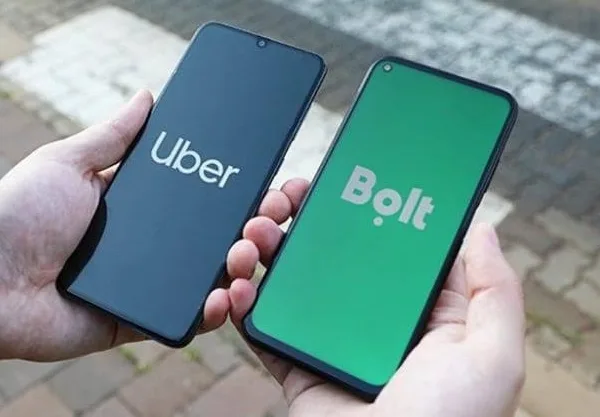
The Transport Workers Union of Kenya (TAWU Kenya) has announced plans to file a petition against ride-hailing giants Uber and Bolt, accusing them of engaging in unfair, exploitative, and unlawful digital labor practices that violate drivers’ constitutional rights. This was confirmed by Nicholas Ogolla, General Secretary of TAWU Kenya, in a statement on November 7.The petition intends to challenge the algorithmic management systems of the companies, commission deductions exceeding legal limits, arbitrary account deactivations, and the opaque use of driver data without proper transparency or consent. It will be filed at the Employment and Labour Relations Court and will name not only Uber and Bolt but also key state regulators such as the Office of the Data Protection Commissioner (ODPC), Ministry of Labour and Social Protection, National Transport and Safety Authority (NTSA), and the Competition Authority of Kenya (CAK).Ogolla criticized Uber and Bolt for deducting commissions above the legally mandated 18% cap set by the Digital Hailing Regulations of 2022. He described the drivers’ treatment as a form of digital dismissal, pointing out how drivers, labeled as independent contractors, have little control over pricing, penalties, and accounts, practices he argues amount to exploitation rather than independence. Drivers are not slaves of the algorithm. They deserve dignity, fair compensation, and protection under Kenya’s labour laws – Ogolla. TAWU Kenya is collaborating with platform driver associations and civil society groups to gather evidence and prepare affidavits supporting the petition. The legal action invokes constitutional protections including Articles 41 (fair labour practices), 46 (consumer rights), and 47 (fair administrative action) of Kenya’s Constitution.The union has given Uber, Bolt, and the relevant authorities a 14-day deadline to address the grievances raised, warning that failure to do so will result in immediate court proceedings.
Top 5 cheapest solar-powered gadgets every Nigerian needs
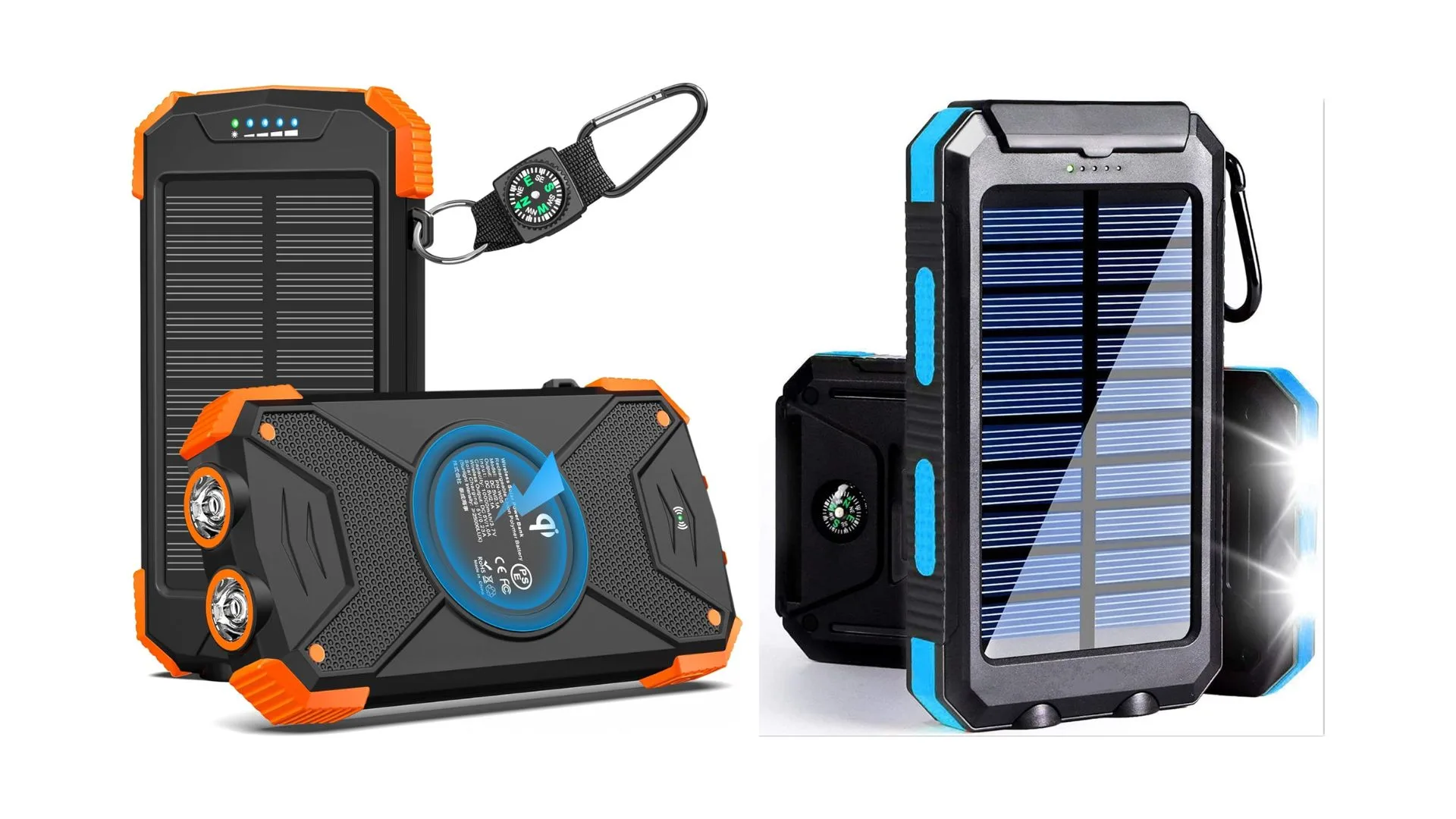
In this guide, we will talk about the top 5 cheapest solar-powered gadgets every Nigerian needs. So if your living in Nigeria right now, you already know how unreliable electricity can be. That is why many people are turning to solar energy for help. These simple but powerful devices can help you stay connected, light up your home, and power your daily life even when there is no light from PHCN or your generator is off. Solar gadgets are not just for the rich anymore. Today, you can find affordable solar-powered devices that make life easier, especially in areas where electricity supply is poor. This article will show you the most useful and budget-friendly solar gadgets you should have in your home in Nigeria. What are solar-powered gadgets? Solar-powered gadgets are electronic devices that use energy from the sun to work. They come with small solar panels that collect sunlight and turn it into power. This power is stored in a rechargeable battery inside the gadget, which can then be used anytime, even at night or when it’s cloudy. Unlike normal gadgets that depend on electricity or batteries, solar gadgets are free to use once you buy them. You only need sunlight, which Nigeria has plenty of. Solar energy is clean, renewable, and helps reduce your electricity bills. Recommended: Top 5 recharge and get paid apps in Nigeria – are they legit or a scam? Why every Nigerian needs solar gadgets There are many reasons every Nigerian should own at least one solar-powered gadget: Top 5 cheapest solar-powered gadgets every Nigerian needs Now, let’s look at the top 5 cheapest solar-powered gadgets every Nigerian needs. 1. solar-powered lamp A solar-powered lamp is one of the most useful gadgets for Nigerian homes. It provides bright light at night without needing electricity. Many Nigerians use it for reading, studying, or lighting up rooms during power outages. These lamps come with a small solar panel that you place under the sun during the day. After charging, you can use them for up to 8–12 hours at night. Some models also have USB ports to charge phones or other small devices. Why you need it: Average price in Nigeria: ₦3,000 to ₦7,000 depending on size and quality. If you live in a rural area or experience frequent blackouts, a solar lamp should be the first item on your list. 2. solar power bank If you own a smartphone, you already know how frustrating it can be when your battery dies during a power outage. A solar power bank solves that problem easily. A solar power bank is a portable charger with a built-in solar panel. It can charge itself using sunlight or through electricity when available. Once fully charged, you can use it to power your phone, tablet, Bluetooth speaker, or other small gadgets. Why you need it: Average price in Nigeria: ₦5,000 to ₦10,000 depending on capacity (10,000mAh to 30,000mAh). To get the best results, buy one with dual charging options (solar + USB) and a strong battery capacity so it lasts longer. 3. solar-powered fan Nigeria’s weather can be very hot, especially during dry season. Having a solar-powered fan helps you stay cool even when there is no light. These fans come in different sizes small table fans, rechargeable standing fans, and even portable mini fans. The fan uses solar energy to charge during the day, and you can use it at night without connecting it to electricity. Why you need it: Average price in Nigeria: ₦8,000 to ₦20,000 depending on size and brand. You can place the solar panel on your window or balcony during the day to charge, and then enjoy fresh air in the evening without worrying about NEPA taking light. 4. solar-powered generator A solar-powered generator might sound expensive, but there are now small and affordable models in Nigeria that cost far less than fuel generators. These compact generators use sunlight to charge a built-in battery, which then powers your phones, lights, fans, TVs, and even laptops. They make no noise, produce no smoke, and don’t need petrol or diesel. Why you need it: Average price in Nigeria: ₦40,000 to ₦90,000 for small-capacity models. You can connect your solar panel directly to charge it or use an AC outlet when there’s light. It’s one of the smartest solar investments you can make today. 5. solar-powered security light Every Nigerian home needs good outdoor lighting for safety at night. A solar-powered security light is a perfect choice because it doesn’t add to your electricity bill. These lights come with motion sensors that turn on automatically when someone walks by. They are also waterproof and can be mounted on walls, gates, or compound fences. Why you need it: Average price in Nigeria: ₦4,000 to ₦10,000 depending on brightness and size. It’s one of the most important solar gadgets for both homes and small businesses, especially if you stay in areas where security is a concern. How to choose the right solar-powered gadget Before buying any solar gadget in Nigeria, here are a few things to check: Always remember that cheap doesn’t mean low quality. Look for devices that balance price, performance, and durability. Where to buy cheap solar gadgets in Nigeria You can buy affordable solar gadgets in both online and offline stores across Nigeria. Some trusted places include: Before buying, check that the gadget has Nigerian voltage compatibility and comes with a valid warranty card. How to maintain your solar gadgets Maintaining solar gadgets is very simple and helps them last longer. Here are some easy tips: With good maintenance, your solar gadgets can last for many years without any major repairs. Recommended: Top 10 cheapest data plans in Nigeria right now (MTN, Airtel, Glo, 9mobile) Why solar gadgets are the future in Nigeria The demand for solar products in Nigeria keeps growing every year. This is because people are tired of constant power cuts and the rising cost of fuel. Solar energy is the most reliable and
Cameroon faces internet blackout amid protests over President Biya’s re-election
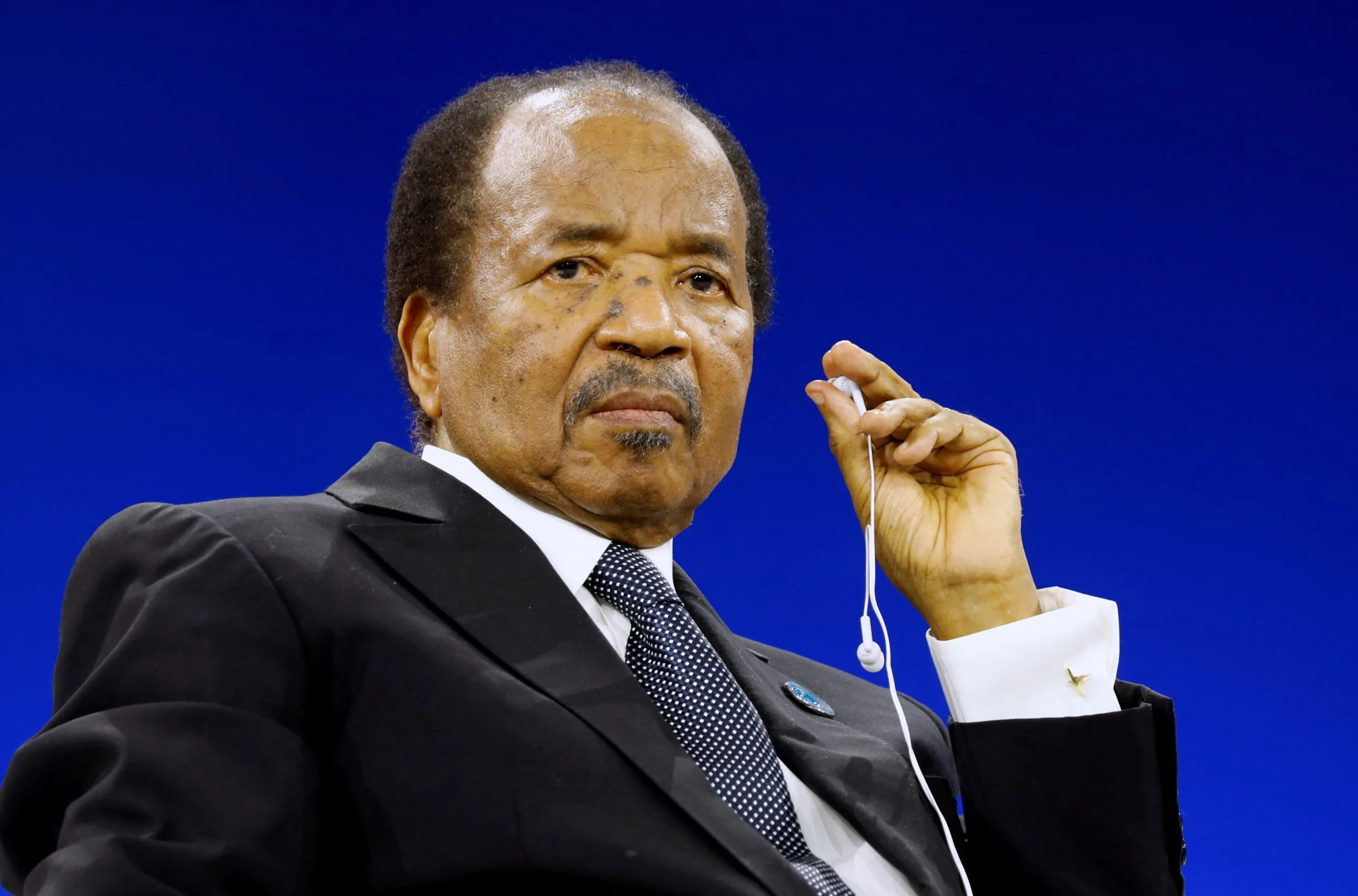
Internet connectivity across Cameroon has been disrupted amid protests against President Paul Biya’s recent re-election, marking the nation’s second internet blackout since the October 2025 presidential election crisis began. According to internet monitoring group NetBlocks, on Wednesday, multiple social media and messaging platforms including TikTok, YouTube, Facebook, and Telegram were restricted nationwide. NetBlocks reported that these measures followed the massive telecom interruptions during the October election period, which led to protests and a heavy government crackdown. Since President Biya was declared the winner of the October 12 election, youth-led protests have intensified across Cameroon, particularly in Douala, Cameroon’s largest city, where streets were shut down by demonstrators. The unrest arises from allegations of electoral fraud, intimidation, and manipulation by Elections Cameroon (ELECAM) due to claims by the opposition parties and human rights activists challenging the credibility of the vote. On October 27, the Cameroon Constitutional Council confirmed President Biya’s victory, granting him an eighth term. At 92 years old, Biya is the world’s oldest sitting leader, extending his rule beyond four decades. The re-election has been fiercely contested due to concerns of democratic backsliding and political repression. Cameroon’s internet shutdown closely follows similar disruptions in Tanzania, where President Samia Suluhu Hassan secured a 98% election win due to opposition boycotts and protests. Both cases are a troubling trend, whereby governments impose internet restrictions to control dissent during political crises. Human rights organizations have condemned such internet blackouts as violations of international law. Amnesty International stated that internet access is a fundamental human right, and shutdowns obstruct the free flow of vital information, hinder access to emergency services, and attempt to conceal abuses during protests. The group also stressed the crippling economic consequences of internet outages, giving reference to the week-long Tanzania blackout that paralyzed digital payments and basic communications, leading to an economic standstill.
Women dominate Nigeria’s e-hailing market, making up 70% of users, new Bolt report
A recent report by Bolt, in partnership with Ipsos, reveals that women constitute 70% of the e-hailing passenger base in Nigeria, showing the existing gender disparity in ride-hailing service usage across the country. The “Ride Hailing Safety Perception Report,” published in November 2025, indicates that only 30% of the e-hailing users in Nigeria are men. Among female users, the largest age group (39%) falls between 25 and 34 years, followed by 36% aged 35 to 44. Younger women aged 18 to 24 represent 18%, while those over 45 make up just 6%. In terms of usage frequency, 47% of all users reported taking rides several times per week, 12% said they use e-hailing daily, and 26% use it a few times a month. Only 14% reported rarely using the services. Ride-hailing adoption in Nigeria is driven by a young, urban, and digitally active population, with women representing the majority of users – the report states. The study also found that 81% of Nigerian passengers perceive ride-hailing as safer than alternative transport options. A majority of 96% choose ride-hailing when public transport feels unsafe, especially during late-night travel, in unfamiliar locations, or after drinking alcohol. 94% have booked rides for family or friends to ensure safe arrivals. About two-thirds (66%) believe ride-hailing reduces drunk driving by providing a dependable alternative. Key safety features identified by users as confidence boosters include real-time GPS tracking (62%), driver verification (58%), and trip sharing (49%). These elements contribute to the visibility, accountability, and traceability within the ride-hailing ecosystem. The survey encompassed major Nigerian cities such as Lagos, Abuja, Port Harcourt, and Ibadan, evaluating various safety dimensions from driver trust to vehicle conditions and situational risks. Bolt Nigeria General Manager Osi Oguah emphasized; The importance of the findings Safety is at the core of everything we do at Bolt. This research gives us valuable insight into how Nigerians experience and perceive safety when using ride-hailing. We’ll continue to invest in technology, partnerships, and awareness to ensure every ride on Bolt is not only affordable and reliable but also safe
Nigerian lawmakers engage crypto industry ahead of proposed Virtual Asset Law
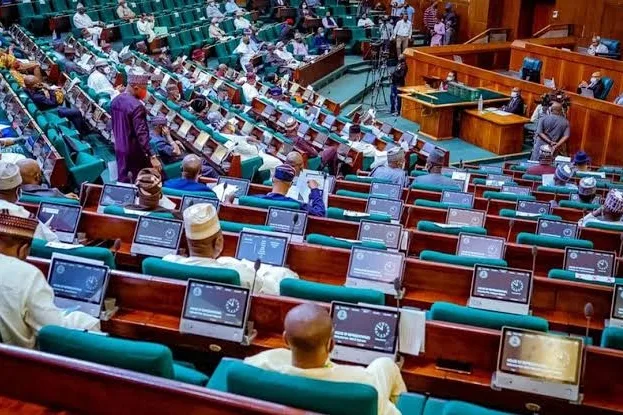
The House of Representatives’ ad hoc Committee on Cryptocurrency recently met with key stakeholders from the crypto industry to discuss a proposed Virtual Asset Law aimed at regulating digital assets.The meeting brought together representatives including Senator Ihenyen, executive chair of the Virtual Assets Service Providers Association of Nigeria (VASPA), who urged lawmakers to end the era of fear surrounding crypto and adopt a unified legal framework for responsible innovation and adoption.Despite the Investment and Securities Act of 2025 recognizing digital assets as securities, tensions remain. The Central Bank of Nigeria (CBN) still treats crypto with caution, limiting direct engagement with digital asset providers. This, combined with overlapping regulatory mandates among the CBN, SEC, and National Security Adviser (NSA), has created confusion and limited growth for startups.Senator Ihenyen stressed that the CBN cautious approach, though well-intentioned, fails to inspire confidence and that the ongoing web restrictions by the NSA contradict efforts to develop the sector and may violate various financial regulations.The proposed Virtual Asset Law aims to resolve these issues with key recommendations, which includes; If enacted, the law would transform Nigeria’s crypto landscape by integrating digital assets into the formal capital market system with clearer compliance and consumer protections.Lawmakers showed genuine engagement in understanding operators’ perspectives, and the committee is expected to continue consultations before drafting legislation, aiming for a harmonized legal framework with cross-agency support.

Senator Ali Ndume empowers Borno South with 5,000 free SIM cards and 1,000 POS machines
Senator Ali Ndume has unveiled a project to boost digital connectivity in Borno South by providing 5,000 free SIM cards and 1,000 Point of Sale (POS) machines to local residents, aimed towards reconnecting communities with financial and communication services.The announcement came during a meeting with MTN Nigeria’s management in Maiduguri, to rebuild digital infrastructure in a region long disrupted by Boko Haram insurgency. For years, frequent attacks on telecom masts left many communities disconnected and struggling to reclaim lost communication tools. Senator Ndume, who in 2024 successfully trained 800 youths in POS operations and equipped them with starter packs worth 100,000 naira each, is expanding the program to reach more people affected by displacement. Registration for free SIM cards has already commenced, focusing on those who lost access during the crisis. The goal is to help Borno South residents regain their place in the digital world. Connectivity is not just about phones; it’s about empowerment and economic inclusion – Ndume MTN Nigeria has confirmed network restorations in Gwoza, Damboa, Uba, and Chibok, pledging to improve the reliability of its services needed by residents. The company also endorsed plans to establish computer-based test centers, facilitating local access to educational exams without long-distance travel.