
Nigeria’s telecommunications industry is burning through more than $350 million each year on diesel fuel to power its network infrastructure, a new report from the Africa Finance Corporation reveals. Operators consume over 40 million litres of diesel monthly due to the country’s unreliable electricity grid, forcing many telecom towers to rely heavily on diesel generators to maintain service, especially in rural and remote areas. The report highlights that this dependence significantly hikes operational costs. Mobile base stations in rural Nigeria can incur energy expenses up to 37% higher than those in urban centers. Additionally, older technologies like 3G and lower data traffic volumes make energy use less efficient, further driving up costs. Beyond financial strain, telecom companies face security challenges, including frequent theft of diesel and battery equipment at tower sites. These issues shows the urgent need for alternative energy solutions and infrastructure investment. Efforts are underway to address these challenges. Nigeria is expanding its digital infrastructure, aiming to triple its backbone fibre network through public-private partnerships to improve broadband quality and reach underserved areas. Meanwhile, some operators are exploring hybrid power systems combining grid electricity, solar energy, and lithium batteries to reduce reliance on diesel. The report also points to broader energy sector problems in Nigeria, where unreliable public power supply has led millions of households and businesses to depend on petrol and diesel generators, highlighting a critical gap between energy demand and grid capacity. Closing this gap will require substantial investment in grid infrastructure and renewable energy sources to ensure sustainable, cost-effective power for Nigeria’s growing digital economy. Without such progress, the telecom sector’s hefty diesel bill is likely to persist, limiting expansion and affordability of mobile broadband across the country.

Tesla Cybertruck and G-Wagon collision sparks social media buzz
A brief video showing a collision between a Tesla Cybertruck and a Mercedes-Benz G-Wagon has gone viral, stirring widespread reactions online about the luxury vehicles involved. The incident, which occurred recently, did not result in any reported injuries, but has captured the attention of social media users intrigued by the high-end nature of the crash. The six-second clip, shared on X.com by user #dammiedammie35, shows a burgundy Cybertruck and a black G-Wagon after the collision. The caption humorously questioned who would pay for the damages, reflecting the public’s fascination with the costly vehicles. Many commenters speculated about the extent of damage, with some suggesting the G-Wagon might suffer more repairs. Others joked that the owners, presumably wealthy, would settle the matter privately. The difficulty of sourcing Tesla parts in Nigeria was also highlighted, hinting at potential challenges in fixing the Cybertruck locally. Social media users expressed a mix of amusement and admiration, calling it a “luxurious accident” and a “big men’s problem.” Some noted the irony of everyday people debating the troubles of the elite, while others sympathized with the owners facing expensive repairs. This is not the first time a Cybertruck has been involved in a notable crash. Earlier this year in Texas, a G-Wagon reportedly lost control due to a medical emergency, crashing into several vehicles including a Cybertruck, which split in two.
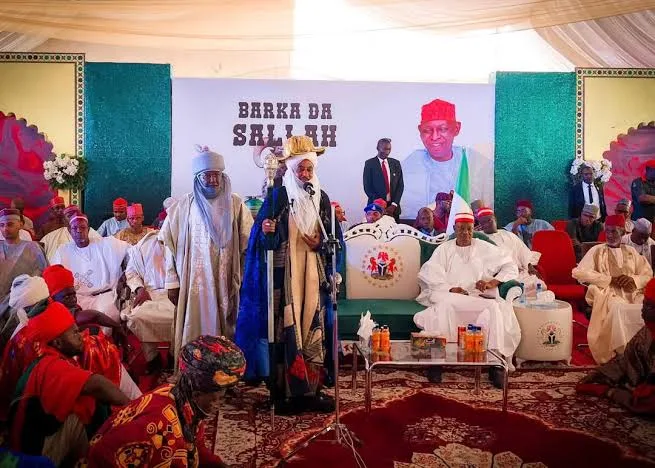
Emir Sanusi II hit by drone, not stones, says operator
A drone unexpectedly fell on Emir Muhammadu Sanusi II’s head while he was delivering a speech at the Government House in Kano on Sunday, June 8, 2025. The incident occurred during the Sallah homage the emir paid to the state government. The drone operator, Salim Ameenu, explained that the drone lost control due to a low battery and crashed near the emir. He issued a public apology, describing the event as unintentional and praising the emir’s composure in continuing his speech despite the mishap. Contrary to initial rumors that the emir was stoned, eyewitness accounts and the operator’s statement confirm it was a drone accident. The confusion is likely connected to the ongoing rivalry between two parallel emirs in Kano, Sanusi and Aminu Ado Bayero, who currently occupy separate palaces amid legal and political disputes. Emir Sanusi, who was reinstated by the current governor after being dethroned, showed remarkable calmness, simply glancing at the drone before continuing his address.
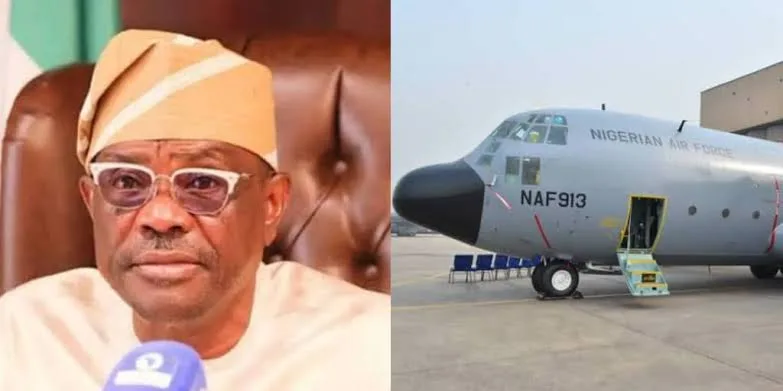
FCT Minister Nyesom Wike survives engine failure mid-air after takeoff
Federal Capital Territory Minister, Nyesom Wike, has recounted a harrowing experience on a recent flight when the plane lost one of its engines just 15 minutes after takeoff. Wike was traveling with two friends when the incident occurred, putting their lives at risk. According to Wike, the aircraft, a Bombardier Global Express 5000/6000 series jet, suffered engine failure at an altitude of 34,000 feet. The pilots worked to stabilize the plane and decided to return to the base in Port Harcourt. Throughout the ordeal, Wike was heard praying fervently, crediting prayer for their safe landing. The minister shared this testimony during a church service, expressing deep gratitude for surviving what could have been a tragic accident. The plane ultimately landed safely without further incident.
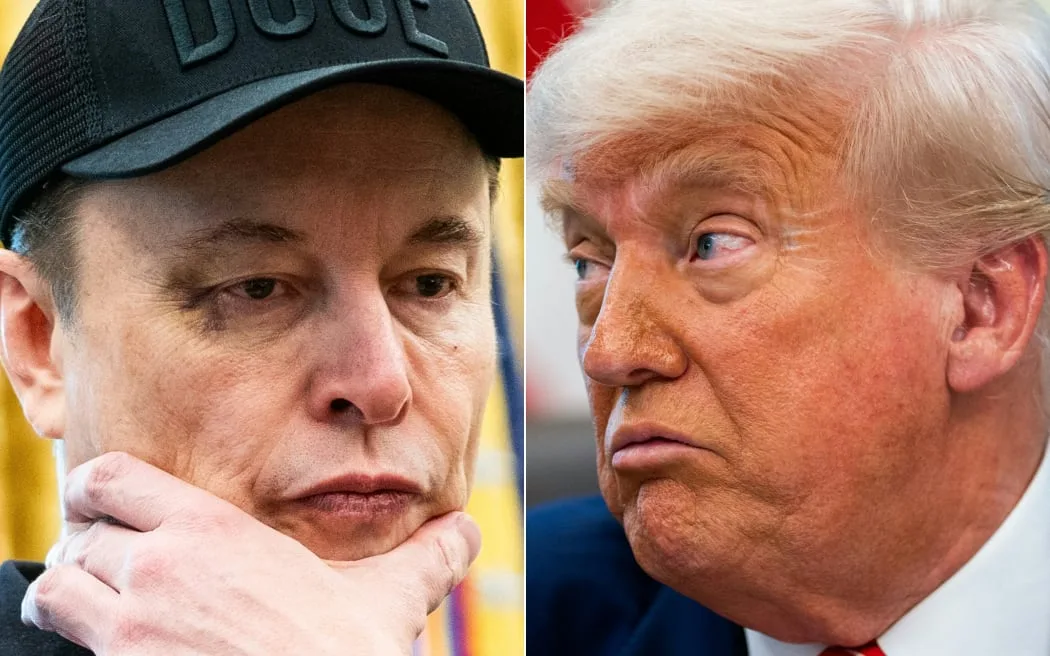
Elon Musk backtracks, apologizes for “Going too far” in Trump criticism
Elon Musk has expressed regret over his recent social media posts criticizing former President Donald Trump, admitting that his remarks “went too far.” The billionaire entrepreneur made the apology in a post on X, the platform formerly known as Twitter, which he owns. The public clash began after Musk condemned Trump’s signature budget legislation, known as the “One Big Beautiful Bill,” calling it a “disgusting abomination” and warning it would dangerously increase the U.S. budget deficit. Musk accused Congress of reckless spending and said the bill would push America toward bankruptcy. Trump responded by accusing Musk of ingratitude, claiming Musk knew the bill’s details and had initially supported it. Musk denied ever seeing the bill before it was passed, calling the process rushed and secretive. The feud escalated with Musk making controversial claims, including linking Trump to the Jeffrey Epstein files—posts he later deleted amid speculation about their intensifying dispute. Despite their past alliance, with Musk having supported Trump’s 2024 campaign and briefly serving in his administration, tensions between the two have grown publicly bitter. Musk’s recent admission of regret may signal a step back from their heated exchanges. This conflict comes amid a significant drop in Musk’s personal wealth, reportedly losing $34 billion recently, one of the largest declines recorded on the Bloomberg Billionaires Index. Tesla shares also fell sharply during this period. Musk’s apology marks a rare moment of conciliation after weeks of sharp criticism and public accusations between the two high-profile figures.
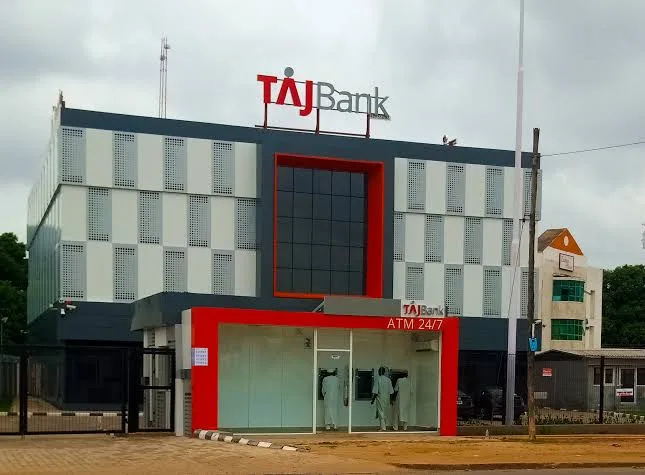
TAJBank secures approval for N20 billion Sukuk bond offering 20.5% annual return
TAJBank, Nigeria’s leading non-interest bank, has received regulatory approval to issue the second tranche of its N100 billion Mudarabah Sukuk bond program, valued at N20 billion. The bond offers investors an attractive 20.5% annual return, reinforcing the bank’s commitment to ethical, interest-free financial products. This latest issuance follows the success of TAJBank’s inaugural N10 billion Sukuk bond in 2023, which was oversubscribed by 115%, signaling strong investor confidence in the bank’s profit-sharing model and ethical banking principles. Alhaji Tanko Isiaku Gwamna, Chairman of TAJBank, emphasized that the new Sukuk bond provides a unique opportunity for individuals and corporate investors to participate in a Sharia-compliant investment that aligns with ethical finance practices. “This bond allows more Nigerians to benefit from our profit-sharing ventures while promoting financial inclusion,” Gwamna said. The bond is part of a broader strategy to expand TAJBank’s Sukuk program and strengthen its capital base. AVA Capital Ltd, the lead issuing house, expressed optimism about the bond’s appeal, highlighting its competitive return in a market where traditional investments often yield lower returns. Industry analysts note that Nigeria’s Islamic finance sector is poised for growth, supported by increasing sovereign Sukuk issuances and regulatory developments. Non-interest banks in Nigeria recorded a 110% growth in assets year-on-year by the end of 2024, reflecting rising demand for ethical financial products. TAJBank’s Sukuk bond issuance marks a significant milestone in Nigeria’s financial landscape, offering investors a stable and ethical alternative in an evolving market.