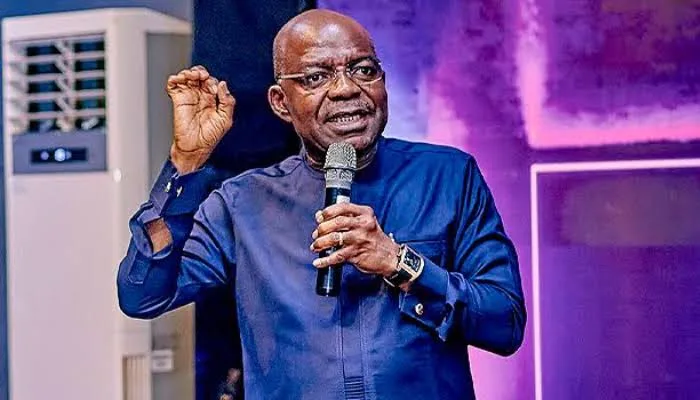
Abia State Governor Alex Otti has assured that full compensation has been paid to all landowners affected by the Abia Airport project in Nsulu, Isiala Ngwa North Local Government Area. Speaking at a Grand Civic Reception and Appreciation Ceremony on Saturday, Governor Otti emphasized that 100% compensation was disbursed before construction began, attributing any outstanding payments to issues such as incorrect bank details or ownership disputes rather than government negligence. The Abia Airport project, a collaboration between the Abia State and Federal Governments, was initially proposed as an airstrip but has been upgraded by the state to a full-fledged airport to boost regional connectivity and economic growth. Construction commenced in December 2024, with Access Bank expressing interest in supporting the initiative. Governor Otti revealed ambitious plans to transform the airport site into an “airport city,” featuring a three- or four-star hotel, shopping plazas, markets, and a Nigerian Air Force base. Access roads are currently under construction and expected to be completed by December 2025. The choice of Nsulu as the location was based on expert recommendations for its central position and accessibility to Umuahia and Aba, the state’s major urban centers. Despite the government’s assurances, some local communities, notably Umuezeukwu, have renewed calls for a 500-meter buffer zone between their homes and the airport site, citing concerns about impacts on ancestral lands and farmlands. They allege that previous requests for setbacks were ignored and no relief was provided during earlier land reductions. The initial land acquisition was reportedly reduced from 1,850 hectares to just over 1,000 hectares after community consultations, though Umuezeukwu claims exclusion from concessions. The Governor’s Special Adviser on Land Matters, Okor Aji, dismissed these claims, stating that the land size was already reduced following earlier concerns and underscored that the airport is a Federal Government project with land acquired under the Land Use Act. Community leaders have also raised concerns about transparency in the land acquisition and compensation process, calling for detailed public disclosure of landowners and compensation amounts to prevent irregularities. Some private surveys suggest discrepancies in the actual land acquired versus government claims, fueling demands for accountability. Governor Otti reaffirmed his commitment to inclusive governance and stressed that the airport project aims to uplift local communities, not displace them. He also highlighted that any unresolved compensation issues are due to administrative challenges rather than deliberate neglect.
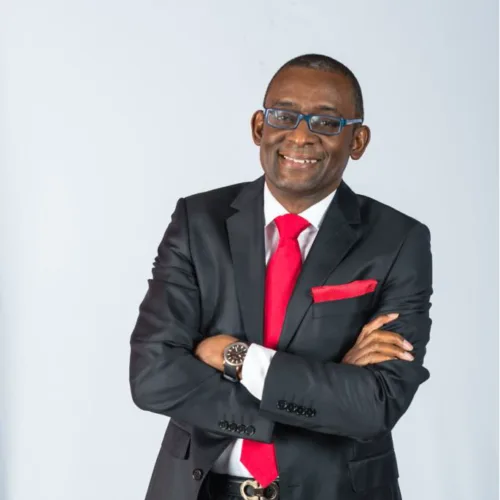
Access Holdings appoints Akinyemi Odusolu as independent non-executive director of Access Bank Plc
Access Holdings Plc has announced the appointment of Mr. Akinyemi Odusolu as an Independent Non-Executive Director of its subsidiary, Access Bank Plc, effective May 2, 2025. The appointment, which received approval from the Central Bank of Nigeria (CBN), is part of the bank’s strategic effort to enhance its governance and technological capabilities. In a statement signed by the Company Secretary, Sunday Ekwochi, Access Holdings highlighted that Mr. Odusolu’s extensive expertise in financial services and IT consulting will support the bank’s continued growth, particularly in digital transformation and financial strategy. Paul Usoro (SAN), Chairman of Access Bank Plc, welcomed Odusolu to the board, emphasizing the importance of his global experience and diverse perspective in strengthening the institution’s governance framework. “We are confident that his expertise will further strengthen our governance structure and contribute meaningfully to the continued growth and resilience of the Access Bank,” Usoro said. Mr. Odusolu brings over 30 years of experience, blending financial acumen with technology-driven solutions. He currently leads Pacific Realm Limited, a software engineering and consulting firm serving clients across Europe. His previous roles include pioneering leadership as the Managing Director and CEO of Cornerstone Financial Services and significant contributions at Guaranty Trust Bank Plc and Habib Nigeria Bank Limited. His academic credentials include a Bachelor of Science in Microbiology from the University of Ife and an MBA from the University of Lagos, complemented by certifications in Oracle e-Business Suite and executive programs at top business schools. This appointment follows the recent onboarding of Mrs. Ibironke Adeyemi as an Independent Non-Executive Director, reinforcing Access Holdings’ commitment to board diversity and expertise. Access Bank Plc aims to bolster its governance, technological innovation, and financial strategy, positioning itself for sustainable growth in Nigeria’s competitive banking sector.

FG to deploy AI and blockchain technologies across Nigeria’s MDAs to enhance governance
The Nigerian government has announced a bold move to integrate cutting-edge technologies such as Artificial Intelligence (AI), Machine Learning, Blockchain, and Robotic Process Automation (RPA) into the operations of Ministries, Departments, and Agencies (MDAs) to improve governance and public service delivery. Dr. Dasuki Arabi, Director General of the Bureau of Public Service Reforms (BPSR), revealed this plan during the 2025 ITGOV Conference, highlighting ongoing collaborations with the Nigerian Communications Commission (NCC) to embed Distributed Ledger Technologies (blockchain) within government systems. The goal is to simplify routine tasks, safeguard sensitive data, and optimize resource allocation for more efficient and transparent service delivery. Over the past decade, Nigeria has made significant strides in digital automation with initiatives like the Integrated Personnel and Payroll Information System (IPPIS), Government Integrated Financial Management Information System (GIFMIS), Treasury Single Account (TSA), and integration of the Bank Verification Number (BVN) into government platforms. These have collectively saved billions in leakages and enhanced transparency. However, with global trends shifting towards more intelligent and integrated automation, the government is intensifying efforts to deepen digital transformation. The BPSR plans to train 500,000 public servants in digital literacy and emerging technologies to ensure sustainable management and innovation. Complementing this, the National Information Technology Development Agency (NITDA) is rolling out Digital Transformation Plans aligned with Nigeria’s Strategic Roadmap and Action Plan 2.0 (SRAP 2023–2027). NITDA is also spearheading the development of a comprehensive National Blockchain Policy, designed to foster financial inclusion, digital identity verification, and supply chain transparency tailored to Nigeria’s unique context. Vice President Kashim Shettima recently launched the AI Expertise Blockchain and Technology Training and Outsourcing Initiative in Jigawa State, aiming to train 1,000 Nigerians annually in AI, blockchain, and related technologies. This initiative is part of a broader strategy to position Nigeria as a leading African digital economy and technology outsourcing hub. These coordinated efforts reflect Nigeria’s commitment to harnessing emerging technologies to boost governance, drive economic growth, and prepare its workforce for the global digital economy.
ARCON launches probe into 9mobile over alleged ₦1 billion advertising debt
The Advertising Regulatory Council of Nigeria (ARCON) has initiated a comprehensive investigation into 9mobile, one of Nigeria’s major telecommunications providers, over an alleged ₦1 billion debt owed to advertising agencies and third-party vendors. In a statement released on May 30, 2025, ARCON disclosed that it received two formal petitions accusing 9mobile, officially registered as Emerging Markets Telecommunications Services Limited, of failing to settle longstanding advertising bills. The council noted that despite these unresolved debts, 9mobile has continued to engage new advertising agencies, leaving those owed “in limbo”. ARCON’s Director-General emphasized that the council will scrutinize the movement of 9mobile’s advertising accounts from the agencies owed to new ones, with a focus on whether proper disengagement protocols and ethical standards were followed. The council warned that such practices not only disadvantage the affected agencies but also have a ripple effect on media houses and suppliers, potentially disrupting cash flow and operations across the wider advertising ecosystem. “ARCON will work with relevant anti-graft and other government agencies to ensure a detailed investigation is conducted and the debt resolved or paid. This is economic sabotage capable of inhibiting the Federal Government’s policy of inclusive industry growth and development of the Nigerian advertising industry,” the statement read. ARCON reiterated that the payment threshold for advertising services in Nigeria remains 45 days, and warned it will take all necessary steps to eliminate unfair practices, unethical competition, and protect intellectual property rights within the industry. The company has faced years of service disruptions and a dramatic decline in its customer base, dropping from over 22 million subscribers at its peak in 2016 to just 3.2 million as of January 2025, according to the Nigerian Communications Commission (NCC). In July 2024, 9mobile was acquired by LH Telecommunication Limited, which injected fresh capital and installed a new board in a bid to revive the company. However, customers are still waiting for noticeable improvements in service quality. The council has pledged to collaborate with anti-corruption agencies to ensure that outstanding debts are paid and industry standards upheld.
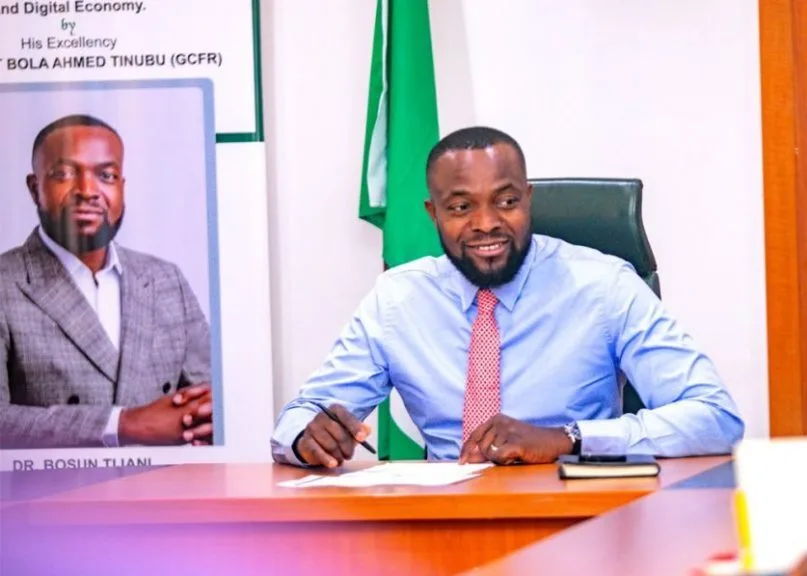
FG launches fibre broadband in university of Abuja hostels, targets 6 more universities
The Federal Government has connected the University of Abuja hostels to fibre broadband. This initiative aims to provide 24-hour internet access to students, marking a major milestone in the government’s efforts to improve learning outcomes through better digital infrastructure. The Minister of Education, Dr. Mahruf Alausa, highlighted the importance of this project, stating that it will provide seamless internet access to students directly in their hostels. “President Bola Tinubu is energizing institutions,” Alausa said. “The University of Abuja is one of the beneficiaries of the presidential renewable mini-grid project, enjoying 24-hour electricity supply via a 3.3 megahertz mini-grid.” The Minister of Communications, Innovation and Digital Economy, Dr. Bosun Tijani, revealed that the University of Abuja is the first of seven universities to benefit from this initiative in the pilot stage. “By the end of July, we would have connected the seven universities,” Tijani said. “We believe that Nigerian university students cannot continue to learn without access to meaningful connectivity.” The Acting Vice-Chancellor of the University of Abuja, Prof. Patricia Lar, described the initiative as inclusive and transformational for students, especially those from underprivileged backgrounds. “It is a special initiative that is going to create opportunities for students of all economic status to access data to be able to use for knowledge and education and to feed their creativity with ease,” she said. The government aims to provide reliable internet access to special institutions nationwide by the end of 2026. This initiative is expected to enhance students’ academic performance and contribute to the nation’s digital transformation. With the fibre broadband connection, students at the University of Abuja can now access the internet 24/7. The successful implementation of this project in seven universities by July will likely set a precedent for further expansion across the country, bridging the digital divide and fostering a more digitally literate population.
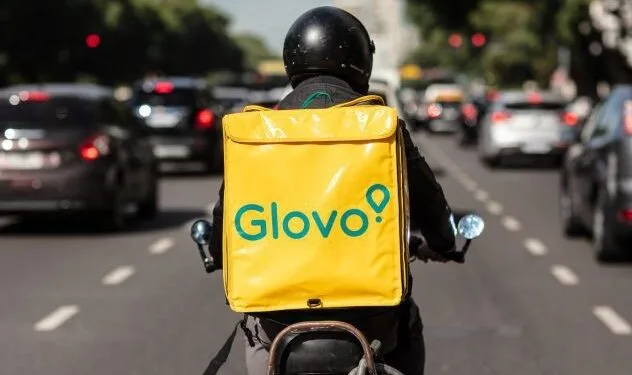
Glovo drives N71 billion revenue surge in Nigeria’s food delivery market
Nigeria’s quick commerce and food delivery market is experiencing rapid growth, driven by major platforms that are generating significant revenue for local businesses. Glovo, a leading food delivery platform, has reported facilitating over N71 billion in revenue for Nigerian partners since its launch in 2021. According to Glovo, the N71 billion revenue figure was disclosed during the Future of Commerce 2025 Summit held in Lagos. This impressive milestone underscores the platform’s data-driven impact on Nigeria’s economy. Glovo’s activities are heavily concentrated in Lagos, which accounts for about 70% of its operations nationwide. The platform now serves 11 cities across the country and has onboarded over 6,000 restaurants and retail outlets. Chowdeck, another prominent player in Nigeria’s food delivery sector, has also recorded significant milestones. The platform recently celebrated “Amoke Oge,” a vendor led by Hajia Amoke Odukoya, for completing over 500,000 deliveries and generating an estimated N2.3 billion in revenue. Additionally, Korede Spaghetti, a vendor operating within the University of Lagos, surpassed N1 billion in sales on Chowdeck. The growth of food delivery platforms in Nigeria is creating new economic opportunities for thousands of small businesses and entrepreneurs. Riders operating across these platforms disclosed daily earnings ranging between N15,000 and N25,000. This reflects the growing economic potential of the sector. Glovo reported a 76% increase in gross merchandise value (GMV) in 2024, with cash transactions falling from 88% in 2021 to 39%. Beyond Glovo and Chowdeck, Nigeria’s food delivery space features other emerging players like Foodcourt, Bolt Food, HeyFood, UrbanEats, MANO, and Foodelo. These platforms are contributing to the country’s evolving quick commerce ecosystem and reshaping how consumers connect with restaurants and vendors.