
Enugu State has taken a major step toward industrial growth and green innovation with the launch of a new electric vehicle assembly plant in Nkanu East Local Government Area. The groundbreaking ceremony for the Stallion Vehicle Assembly Plant was held on May 28, 2025, marking the start of a project that aims to transform Enugu from a consumer-driven economy to a production hub. Governor Peter Mbah, represented by Secretary to the State Government Prof. Chidiebere Onyia, led the foundation-laying event alongside Mahesh Vaswani, Group Managing Director of Stallion Group. The plant will initially assemble 2,000 hybrid sedans, with plans to expand into bus manufacturing, supporting the state’s ambition to grow its GDP from $4.4 billion to $30 billion within eight years. “This groundbreaking marks the beginning of a new industrial era for Enugu,” Mbah said. He highlighted the plant’s potential to create thousands of jobs across engineering, technical services, administration, logistics, and retail sectors. The initiative also supports the state’s youth empowerment taxi scheme and aligns with Enugu’s climate policy to reduce carbon emissions through clean energy vehicles. The assembly plant is designed to be more than a manufacturing site; it will serve as a training ground for future automotive engineers, providing technology transfer and skills development opportunities. Governor Mbah expressed hope that the project would position Enugu as a leading automotive hub in the South East and West Africa. Mahesh Vaswani praised the collaboration, noting its role in enhancing transport infrastructure and sustainable development. “This partnership will create jobs and place Enugu on the map in Africa’s auto industry,” he said. Local government officials and commissioners also voiced their support, urging the community to protect the new infrastructure and work closely with Stallion Group to ensure the project’s success. This electric vehicle assembly plant complements other industrial projects in Enugu, including the Nortra Tractor Assembly Plant launched in October 2024 and the New-Watson Doors Industry. These efforts reflect Governor Mbah’s commitment to fostering a business-friendly environment and advancing infrastructure development across the state.

NIMC sets ambitious goal to register 85% of Nigerians for National ID by December 2025
The National Identity Management Commission (NIMC) has announced a bold plan to enroll 85 to 95 percent of Nigerians in the National Identity Number (NIN) system before the end of this year. This initiative is part of President Bola Tinubu’s Renewed Hope Agenda, which emphasizes digital governance and nationwide development. Speaking at a press briefing in Abuja, NIMC’s Director-General, Dr. Bisoye Coker-Odusote, revealed that the commission has already registered approximately 120 million Nigerians as of April 30, 2025. With Nigeria’s population now estimated at over 220 million, the commission aims to register an additional 67 to 100 million citizens by December to meet its target. To achieve this, NIMC plans to expand registration centers, improve infrastructure, and launch extensive public awareness campaigns. The ongoing Ward Enrollment Exercise is a key part of this effort, designed to capture accurate data on the country’s population and improve government planning. Addressing concerns about data privacy, Dr. Coker-Odusote assured the public that NIMC has implemented robust measures to protect personal information. The commission now allows individuals to control their data through a user consent management system, ensuring Nigerians decide when and how their information is shared. NIMC is also collaborating with the Nigeria Data Protection Commission (NDPC) to train and certify staff on proper data handling. Additionally, partnerships with security agencies are helping to combat fraudulent websites that mimic official NIN platforms. “Data protection and cybersecurity are top priorities for us,” Dr. Coker-Odusote said. “We are strengthening our backend systems to prevent breaches and are working closely with ministries and agencies to create a trusted digital ecosystem.” NIMC plans to integrate its systems with various government ministries and agencies to enable seamless digital document exchange and e-governance. The introduction of a Public Key Infrastructure (PKI) will further enhance trust and security across government operations. This digital transformation is expected to boost Nigeria’s digital economy and improve service delivery nationwide.

Passengers discover child in car boot during inDrive ride, raise safety alarms
A disturbing incident involving an inDrive driver in Lagos has raised serious safety concerns about ride-hailing services in Nigeria. Passengers who booked a ride through the inDrive app were shocked to discover a child crying from inside the car’s boot during their journey. According to social media influencer VDM, who shared a viral video of the event, the passengers initially mistook the cries for loud music. Their suspicions grew, prompting them to ask the driver to stop and open the boot, where they found the child hidden inside. The driver claimed the child was his but failed to provide a clear explanation, leading the passengers to alert the police. The situation escalated when an influential individual reportedly intervened at the police station, demanding the driver’s release. This has sparked speculation about possible corruption or complicity involving security officials. The incident has reignited debates about the safety of ride-hailing platforms like inDrive, which operates in over 600 cities worldwide. Despite safety features such as 24/7 support and identity verification, critics argue these measures are insufficient in regions with high crime rates. Legal experts warn that transporting a child in such a dangerous manner is a serious offense, with potential penalties including imprisonment. The case has also brought attention to broader issues of child trafficking and endangerment in Nigeria. Passengers and the public are calling for stricter regulations and more robust safety protocols to protect users of ride-hailing services. inDrive has yet to issue an official response, but pressure is mounting for the company and authorities to act swiftly.
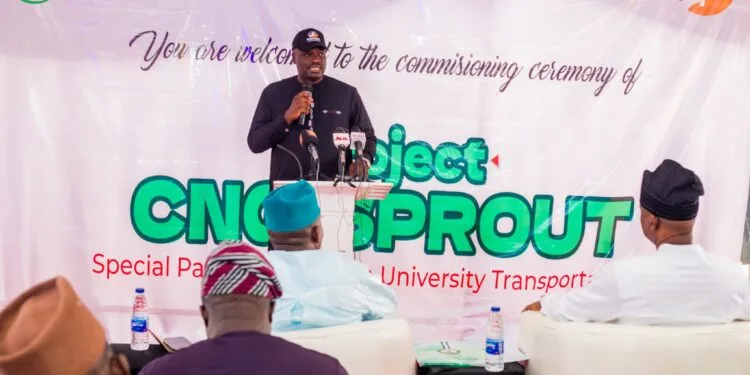
FG launches Project SPROUT to deploy clean energy buses and tricycles in Nigerian universities
The Federal Government has launched Project SPROUT, a nationwide initiative to introduce Compressed Natural Gas (CNG)-powered buses and tricycles across university campuses in Nigeria. The project aims to provide cleaner, more affordable transportation options for students and staff in tertiary institutions. Spearheaded by the Presidential Compressed Natural Gas Initiative (PCNGI), Project SPROUT is part of a broader strategy to reduce carbon emissions, lower transport costs, and promote sustainable development in the country. Selected universities will receive CNG vehicles designed to improve intra-campus mobility while fostering technical skills and innovation among youth. “The launch of Project SPROUT marks a significant milestone in Nigeria’s commitment to clean energy and affordable transportation,” said a PCNGI spokesperson. “This initiative will revolutionize campus transport and support the country’s transition to greener energy solutions.” The move follows earlier efforts by the government, including the conversion of 800 taxis at Abuja Airport to CNG and the deployment of hybrid CNG buses on key routes to offer subsidized fares. Despite challenges such as limited refueling infrastructure and high conversion costs, the government has invested over $450 million in the CNG value chain since 2023. Project SPROUT is expected to ease the financial burden of daily commuting for students and staff while contributing to Nigeria’s environmental goals.

Lagos’ computer village launches biometric registration to curb crime and restore investor confidence
In a decisive move to tackle rising crime and improve market security, the leadership of Computer Village Market in Ikeja, Lagos, has officially launched a biometric registration and enumeration exercise for all traders and operators within the market. The initiative aims to sanitize the bustling electronics hub, curb criminal activities such as phone snatching and fraud, and restore investor confidence following recent security concerns that nearly prompted a market shutdown. The biometric registration program, announced on Thursday, requires all traders to register their biometric data and obtain official identification cards. Only those with valid IDs will be permitted to operate within the market, while street trading will be strictly regulated to approved setups featuring plastic chairs, show glasses, and umbrellas. Wooden structures and open flames will be banned to reduce fire hazards. Additionally, the market plans to enhance security infrastructure by installing CCTV cameras and emergency alert systems, alongside closer collaboration with law enforcement agencies. Mrs. Abisola Azeez, the Iyaloja (market leader) of Computer Village, emphasized the importance of the exercise in transforming the market’s image. “This biometric registration is a critical step towards sanitizing Computer Village and ensuring that only legitimate traders operate here. It will help us eliminate fraudulent activities and create a safer environment for both traders and customers,” she stated (The Nation Online, 2025). Other prominent market leaders, including Baba Oja Adeniyi Olasoji, Prince Tony Nwakeze, and Mr. Ikani Tony, have endorsed the initiative, highlighting its potential to reposition Computer Village as a structured and globally competitive digital marketplace. The biometric registration is expected to be completed within two months. Following this period, enforcement will intensify to ensure compliance, with unregistered traders facing penalties or eviction. This initiative aligns with broader national efforts in Nigeria to leverage biometric technology for security and identity management, reflecting recent upgrades to Nigeria’s biometric crime databases and national identity systems (Political Economist Nigeria, 2025). By adopting biometric registration, Computer Village aims not only to reduce crime but also to attract more investors and customers by improving the market’s reputation for safety and reliability. The success of this program could serve as a model for other commercial hubs across Nigeria seeking to integrate technology-driven security solutions. As the registration process unfolds, stakeholders remain committed to sustaining the market’s growth through enhanced security and regulatory compliance.
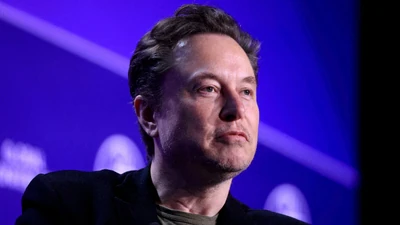
Elon Musk steps down from Trump’s government role to refocus on Tesla and SpaceX
Elon Musk has officially resigned from his temporary position as head of the Department of Government Efficiency (DOGE) under President Donald Trump, signaling a shift back to concentrating on his technology companies, including Tesla and SpaceX. Musk announced his departure on his social media platform X, expressing gratitude to Trump for the opportunity to reduce government waste. His role as a special government employee was limited to 130 days annually, a term that ended in late May 2025. During his tenure, Musk led efforts that resulted in cutting approximately 260,000 federal civilian jobs, though he scaled back his initial budget-cutting goals from $2 trillion to $150 billion. The Tesla and SpaceX CEO voiced disappointment with Trump’s recent budget bill, which he criticized for increasing the federal deficit and undermining the efficiency mission of DOGE. Musk’s exit comes amid a notable 13% drop in Tesla’s sales in the first quarter of the year and a significant decline in the company’s stock price, prompting shareholders to call for Musk’s full-time focus on Tesla. A coalition of Tesla investors recently urged the company’s board to secure Musk’s commitment to dedicating at least 40 hours per week to Tesla, citing concerns over the company’s volatility and Musk’s divided attention between politics and business. Despite reports of a potential CEO search, Tesla’s board chair Robyn Denholm reaffirmed confidence in Musk’s leadership and his plans for the company’s growth. Musk has indicated he will reduce his political donations and commitments moving forward, emphasizing a renewed focus on his tech ventures.