
Edo State’s e-hailing community, represented by the Amalgamated Union of App-based Transporters of Nigeria (AUATON), has openly opposed the Federal Government’s planned 5% tax on petroleum products like petrol and diesel. The drivers warn this additional cost will worsen their already strained finances. The union’s chairman, Comrade Russell Eghaghe, described the government’s decision to impose this charge as troubling and unfair, especially given the steady rise in fuel costs over the years. He emphasized that applying a new charge on top of already inflated prices only adds to the financial hardship faced by drivers who rely heavily on fuel for their livelihood. This new taxation measure is part of the Nigeria Tax Administrative Act, signed into law by President Bola Ahmed Tinubu in June 2023. While intended to enhance government revenue and ensure fiscal sustainability, it has raised discontent among those most affected, notably transport workers in the informal economy. Chairman of the Presidential Committee on Fiscal Policy and Tax Reforms, Taiwo Oyedele, explained that the finances generated from this policy will be funneled back into improving the country’s transport infrastructure. He stressed that this reinvestment is aimed at lowering overall transportation expenses and curbing inflationary pressures across Nigeria. However, AUATON remains unconvinced by these assurances. According to Comrade Eghaghe, the continuous rise in living costs, compounded by the lack of regulatory oversight on goods and service pricing, places severe pressure on drivers’ earnings. He called for a collective stand among transporters to oppose the measure, urging unity and active engagement to challenge policies harmful to their welfare. The government has clarified that the enforcement date for the tax remains undecided, pending an official announcement from Finance Minister Wale Edun. This dispels earlier rumors suggesting the fee would start in January 2026. In the meantime, several Nigerians, including business groups and political figures, have voiced their concern. The Petroleum Products Retail Outlets Owners Association of Nigeria (PETROAN) warned that the charge might force some outlets to shut down operations. Peter Obi, the 2023 Labour Party presidential candidate, criticized the policy for abandoning earlier promises of subsidies on Compressed Natural Gas (CNG), ultimately increasing the burden on citizens. According to Peter Obi instead of the policies to alleviate hardship, it intensifies it and that the subsidies once promised have vanished, leaving Nigerians to shoulder even more expense. For now, transport workers and allied groups are mobilizing to express their opposition, hoping to influence policymakers to reconsider or adjust the plan in favor of vulnerable citizens.

Nigeria launches ₦250 million InnovateNaija challenge to empower youth innovators
InnovateNaija was launched on September 4, 2025, at GITEX Nigeria in Lagos, designed to empower young creative minds across the nation and turn their ideas into scalable solutions. This program, spearheaded by NASENI in collaboration with AfriLabs, aims to energize Nigeria’s tech ecosystem and bolster homegrown innovations. The InnovateNaija program represents a movement to advance Nigerian ingenuity on a national scale. This competition seeks inventive solutions that address everyday challenges faced by millions. The launch event, held at Landmark Event Centre’s 10x stage, attracted influential policymakers, industry leaders, and young innovators eager to make a difference. NASENI’s Executive Vice Chairman, Khalil Sulaiman Halilu, described the project as a platform to unlock Nigeria’s vast creative potential. He emphasized support beyond monetary rewards, including mentorship, access to specialized tools, and global exposure. He recounted the story of a resourceful young inventor from Kano who crafted an affordable water purifier, exemplifying the transformative power of grassroots innovations. The contest will select 37 participants, one from each state and the Federal Capital Territory, after a rigorous public voting process. These outstanding innovators will each receive ₦2.5 million grants to refine their concepts. Subsequently, 15 finalists will compete at the NASENI Invention Festival in Abuja in February 2026, where the ultimate winner stands to gain ₦100 million to accelerate their innovation for commercial success. Affiliated with the competition is the NASENI Innovation Hub in Abuja, set to be a vital resource offering infrastructure, mentorship, and research support. The agency’s renewed philosophy, championed by Halilu since his appointment in 2023, revolves around creation, collaboration, and commercialization to transform research into market-ready products. Khalil Halilu stated that this challenge is more than a contest; it’s a movement designed to empower Nigeria’s youth to create solutions that not only alleviate local problems but can also scale across Africa. Honourable Minister of Youth Ayodele Olawande stressed the youth’s role in Nigeria’s digital future, while Senator Mohammed Ogoshi Onawo affirmed government backing for this program.
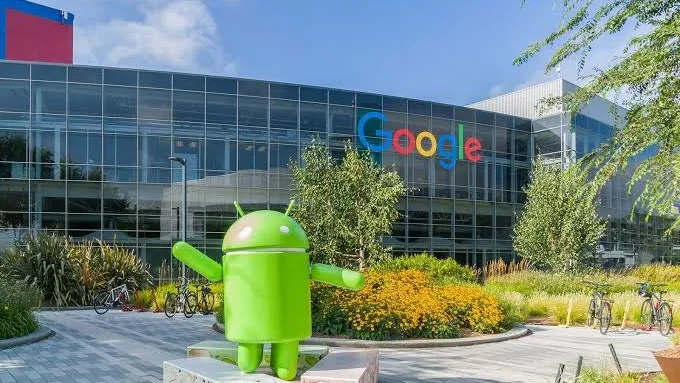
EU slaps Google with €2.95bn fine over Ad tech monopoly
The European Union has hit Google with a €2.95 billion penalty for allegedly misusing its dominance in the online advertising technology sector. The punishment comes after the Commission found the company unfairly prioritizing its own ad services over competitors. According to the European Commission’s decision made public last Friday, Google unlawfully favored its proprietary tools in managing digital ads, disadvantaging rival platforms and limiting market competition. Google’s spokesperson dismissed the verdict as mistaken and voiced intentions to challenge the ruling. Lee-Anne Mulholland, the company’s global regulatory affairs lead, stressed that this penalty is unwarranted and will create obstacles for thousands of European businesses trying to generate revenue. She emphasized there are more choices than ever for advertisers and publishers, asserting that the company’s practices are not anti-competitive. In Washington, President Donald Trump condemned the EU’s action on social media, calling it “very unfair”. He warned of a potential investigation into European regulatory tactics that could impose tariffs on imports. Trump has often criticized the bloc’s enforcement against U.S. technology firms, though the American government is also pursuing its own legal battles regarding Google’s ad market control. The ruling centers on Google’s alleged preference for its own advertising exchange, AdX, which buys and sells ads in real time. The Commission stated that this strategy led to inflated costs for competitors and publishers, which may have ultimately harmed consumers through higher prices. In 2018, the company was fined €4.34 billion for exploiting its Android operating system to maintain dominance. Teresa Ribera, European Commission vice president, noted the cumulative effect of repeated violations in deciding the amount of the latest fine, calling it a response to Google’s persistent disregard for competition rules. Ribera warned Google it has 60 days to propose solutions to end the conflict of interest, suggesting that a structural change, such as divesting part of its ad tech business, may be required to resolve the issue.

EFCC warns of rising crypto fraud, calls for stronger regulations
The Economic and Financial Crimes Commission (EFCC) has sounded the alarm over the increasing prevalence of scams linked to cryptocurrency in Nigeria, stressing the urgent need for tighter oversight. The warning came during a meeting held on September 3, 2025, involving key players from the Blockchain Technology Association of Nigeria (SIBAN). The EFCC Chairman, Mr. Ola Olukoyede, addressed stakeholders at the agency’s headquarters in Abuja. He painted a picture of the current landscape, noting the blurred boundaries between legitimate digital currency traders and fraudulent actors. He stressed that the cryptocurrency space is booming, but without clear rules, and that sincere participants risk falling prey. During the meeting, Olukoyede’s Chief of Staff, Commander Michael Nzekwe, referred to digital currencies as “the new oil well”. However, this wealth attracts both innovation and deceit. The EFCC shared findings from recent sting operations, which led to the apprehension of nearly 800 individuals in Lagos alone, many involved in elaborate crypto scams and romance fraud schemes. Notably, the crackdown included close to 200 foreign suspects. The dialogue emphasized the importance of developing a regulatory framework to safeguard investors and prevent illicit activities such as money laundering and financing terrorism. Nigeria’s large and tech-savvy youth population is especially vulnerable without proper protections in place. SIBAN’s President, Obinna Iwuno, presented a newly drafted code of ethics designed to guide practitioners within the Nigerian crypto space. Besides advocating regulation, SIBAN actively promotes investor education and robust know-your-customer (KYC) processes. All registered digital asset firms are required to maintain at least two compliance officers, in order to eliminate bad actors from the sector. Iwuno also called for enhanced collaboration with the EFCC, stating that the commission intends to act as the first line of defence where people can report suspicious activities at any point in time. Such partnerships could bolster anti-fraud campaigns and improve how blockchain technology supports investigative efforts. The partnership with governmental bodies and industry leaders serve as an avenue for fighting crypto-related crime, promote ethical practices, and build investor confidence across Nigeria.
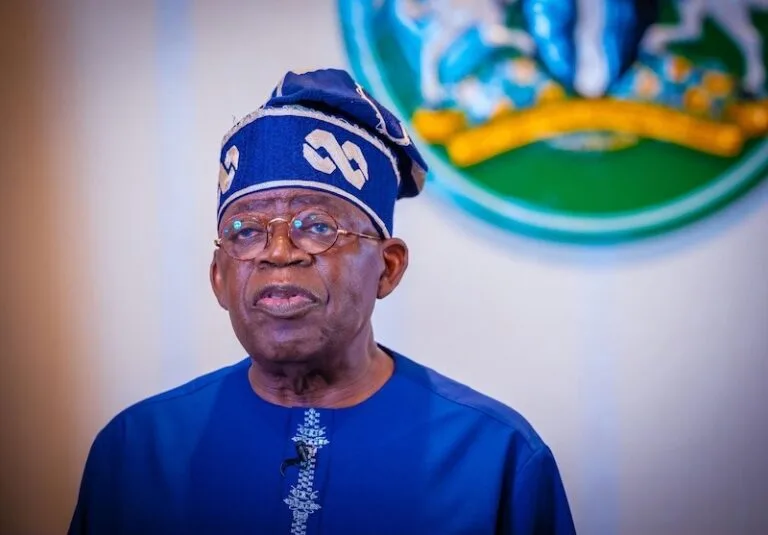
FG launches 1Government Cloud to drive paperless governance and digitize public services
The Nigerian Federal Government officially commenced the rollout of the 1Government Cloud platform in 2025 to transform MDAs into a paperless digital ecosystem. This innovative platform, developed by Galaxy Backbone Limited under the Sovereign Digitalisation Programme, aims to modernize government operations, improve accountability, and enhance service delivery nationwide. This system integrates multiple digital applications to streamline government workflow, improve data security, and reduce bureaucratic delays. It includes secure file management with GovDrive, a government-only communication system named GovMail, and tools for legal electronic signatures called GovE-Sign. Additional features such as encrypted conferencing (GovConference) and identity authentication (GovOTP) support smoother inter-agency collaboration. The rollout is already underway in key federal ministries, including Communications, Innovation & Digital Economy, Solid Minerals, Foreign Affairs, and others. The program aims to eliminate paper usage and costly manual processes around printing, storing, and sharing documents. By fostering transparency and speeding up decision-making, this endeavor aligns with Nigeria’s Renewed Hope Agenda for better public service . Mr. Wumi Oghoetuoma, the Programme Director, emphasized that this digital advancement not only curbs inefficiency but also enhances protection for sensitive government information. A phased approach prioritizing infrastructure upgrades and staff training, led by the Office of the Head of the Civil Service, sets the stage for a fully automated civil service by December 2025 . Professor Ibrahim Adeyanju, CEO of Galaxy Backbone, called the launch a pivotal moment for Nigeria’s digital transformation, promising faster decision-making and globally competitive governance. Furthermore, a senior official in Foreign Affairs stressed how the sovereign platform will bolster diplomatic communications and government responsiveness on the international stage. With nearly 70% of public services targeted for digitalization by the end of 2025 under this plan, Nigeria is setting a new standard for governance modernization. The government’s commitment to training and technological infrastructure ensures that this innovative cloud platform will become foundational to a seamless and paperless civil service in the near future .
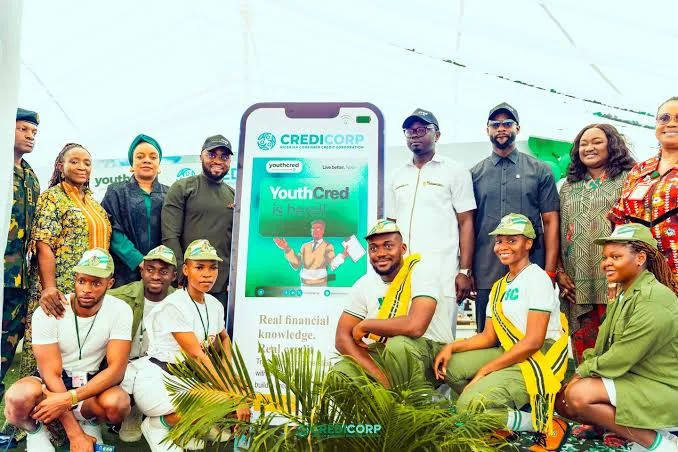
CREDICORP unveils YouthCred in Lagos, empowering youths with accessible credit and financial literacy
The Nigerian Consumer Credit Corporation (CREDICORP) has introduced YouthCred in Lagos, in alignment with President Bola Ahmed Tinubu’s Renewed Hope agenda, an innovative credit program aimed at equipping young Nigerians, including National Youth Service Corps (NYSC) members, with responsible, affordable financial access. The unveiling event, held at the Ipaja orientation camp of the Lagos State NYSC, replicated a similar launch recently conducted at Abuja’s Kubwa camp. The campaign, termed ‘Real Financial Knowledge. Real credit: transforming a generation with the right money skills to build a great future’, promises to reshape youth engagement with credit and monetary responsibility. Federal Minister of Youth Development, Comrade Ayodele Olawande, described the scheme not only as a resource for corps members but a comprehensive platform for all young Nigerians, regardless of their status. He encouraged youths to leverage the scheme to bring their entrepreneurial ideas and creative projects to fruition. Engr. Uzoma Nwagba, MD/CEO of CREDICORP, characterized the program as a revolution poised to instill a credit culture across the nation. He emphasized President Tinubu’s visionary commitment to youth empowerment and explained that CREDICORP serves as a vital anchor in enabling self-reliance among young people. Nwagba further shared that the venture is steering a nationwide movement to alter perceptions about money, borrowing, and trust among Nigeria’s youth. Adding their support, Lagos State Commissioner for Youth and Social Development, Mobolaji Ogunlende, heralded the federal government’s move as transformative. He noted the continued backing by Lagos State Governor Babajide Sanwo-Olu, focusing on social inclusion, gender balance, and youth advancement. Meanwhile, Mrs. Christiana Salmwang, Lagos NYSC Coordinator, commended President Tinubu’s administration for prioritizing the welfare of young Nigerians, especially corps members, through initiatives like YouthCred. This program aims to deliver fair, flexible, and low-interest consumer credit to over 400,000 young individuals, including those serving in NYSC. Prior to loan access, participants complete a digital credit education course designed to cultivate financial literacy and responsible borrowing habits. The loans, intended to support relocation, acquisition of work equipment, skill development, or small enterprise funding, start at single-digit interest rates with amounts reaching up to two hundred thousand naira. The program not only offers critical financial resources but champions a cultural shift toward entrepreneurship and fiscal responsibility. Young Nigerians are encouraged to embrace this opportunity to build a brighter, self-sufficient future, as the movement gathers momentum.