
The Nigerian Communications Commission (NCC) is set to unveil a comprehensive cybersecurity framework next year designed to protect the nation’s telecom networks and strengthen digital safety for consumers. The plan, backed by the World Bank, aims to fortify Nigeria’s digital economy against rising cyber threats. Amid growing concerns over sophisticated cyberattacks targeting critical infrastructures, the NCC has intensified efforts to develop a detailed security blueprint for the telecom industry. This project emerged from collaborative discussions with industry leaders at a recent stakeholder workshop in Abuja, marking the second of such engagements in 2025. NCC’s Executive Commissioner for Technical Services, Abraham Oshadami, stressed the urgency of this endeavor, noting the evolving landscape of cyber risks that now extend far beyond data breaches to threaten human safety. He emphasized the critical role the telecom sector plays as the backbone of Nigeria’s digital economy, which makes it a strategic asset and a lucrative target for malicious actors. In his address, Oshadami explained that both governmental and non-governmental entities are increasingly coordinating attacks on essential systems, which places operational technologies at serious risk. The framework therefore aims to bolster the resilience of digital infrastructure through adaptive, inclusive safeguards that reflect the latest technological advancements. The NCC emphasized that the development of the cybersecurity plan has been highly consultative, incorporating feedback from telecom operators, government agencies, and cybersecurity experts. Dr. Kazeem Durodoye, CEO of CyberNover, the consultancy assisting the NCC, presented the refined draft, showcasing a multifaceted strategy that includes risk management, incident reporting, and cooperation with regulatory bodies. Babagana Digima, Head of Cybersecurity and Internet Governance at NCC, acknowledged the World Bank’s support and encouraged ongoing collaboration to ensure the final blueprint meets the needs of all stakeholders. According to Digima, formal adoption of the plan is anticipated in the third quarter of 2025, with rollout starting early next year. This comprehensive approach seeks to unify the industry under a national standard, requiring consistent audits, data protection protocols, and incident response mechanisms. It aligns with existing legislation such as the Cybercrime Prevention Act of 2015 and the Nigerian Data Protection Act of 2023, reinforcing Nigeria’s commitment to securing its digital future. This cooperative effort between regulators, industry players, and international partners shows a proactive commitment to protecting the country’s digital backbone while fostering trust and innovation within the sector, as cyber threats become increasingly complex.

Spiro launches affordable electric motorcycles nationwide, aims market expansion
Spiro has launched a dynamic effort to transform Nigeria’s motorcycle sector by introducing affordable, eco-friendly electric bikes nationwide. This innovation aims to reshape urban mobility, addressing climate concerns and economic realities head-on. Spiro’s fresh approach presents a practical alternative to petrol-powered motorcycles that millions rely on daily, against a backdrop of rising fuel prices, worsening pollution, and congested cities. Nigeria’s motorcycle fleet exceeds 20 million, with over a million new sales each year, creating the need for electric vehicle adoption. More than just selling vehicles, Spiro is building a robust network centered on fast battery swaps that cut recharge times to under two minutes and slash running costs by up to 40%. This inventive system addresses core obstacles like range anxiety and high upfront expenses, making the green option accessible and convenient. Partnering with microfinance bodies and leveraging digital payments, the program expands affordability to riders with limited savings who earn daily wages. By replacing gasoline bikes with electric counterparts, each unit potentially reduces carbon emissions by approximately 1.5 tonnes annually. Beyond environmental benefits, it also eases riders’ fuel expenditures and stabilizes their transport means crucial to informal sector livelihoods. Spiro aims to evolve swap stations into renewable energy hubs that integrate clean electricity generation and urban transport, an increasingly important model for sustainability-minded cities worldwide.

EFCC cracks down on cybercrime in Lagos, nabs 38 suspects in latest raid
The Economic and Financial Crimes Commission’s Lagos Zonal Directorate yesterday apprehended 38 individuals allegedly involved in internet fraud at a hotel in Ikorodu, Lagos. The crackdown results from detailed intelligence and surveillance targeting cybercriminal activities in the area.The law enforcement team, acting on credible tips, carried out a sweep at Mambillah Hotel located on Omodisu Street, uncovering a group deeply engaged in online scams. Authorities seized an assortment of items from the detainees, including several vehicles, numerous mobile devices, and a cache of psychoactive and regulated substances.The suspects are expected to undergo further interrogation before being formally charged in court. In a related courtroom development, two brothers named Teddy Ovbokhan Hart and Rooney Odion Hart, together with ten accomplices, were convicted and sentenced by Justice M. Itsueli at the Edo State High Court in Benin City. Their prosecution was led by the Benin Zonal Directorate of the EFCC, facing charges such as advance fee fraud and possession of forged documents. These convictions show the commission’s relentlessness to dismantling fraudulent networks and prosecuting offenders involved in financial scams that plague the region and to some extent affect the nation at large.

T2mobile partners with Huawei in multi-million dollar deal to revamp network infrastructure
Telecommunications provider T2mobile, formerly known as 9Mobile, has entered an agreement worth several million dollars with Huawei to enhance its network capabilities. At a formal event held in Lagos, Obafemi Banigbe, Chief Executive Officer of T2mobile, described the pact with Huawei as a vital stride towards sustained growth and innovation. He emphasized that leveraging the advanced technology from Huawei positions the operator to deliver more dependable services both now and in the future. This partnership transcends a conventional contract; it acts as a springboard for progress. Huawei has proven to be a steadfast collaborator throughout our journey, and this new phase cements our mutual dedication to creativity, dependability, and top-tier performance. With Huawei’s expertise, we’re not only enhancing our existing network, but also preparing it for the challenges ahead The overhaul of the core network infrastructure is slated for completion within the upcoming months, which shows T2mobile’s pledge to resilience and quality service for Nigerian users. The alliance will also enable T2mobile to tap into Huawei’s innovations for both network enhancement and improved cybersecurity, bolstering its competitive edge against industry giants like MTN, Airtel, and Globacom. Since transitioning from 9Mobile, the telecom operator has embarked on several critical ventures designed to transform its market position. This newly signed commitment with Huawei complements its recent cooperative agreement with MTN Nigeria, allowing for national roaming. That earlier collaboration permits T2mobile customers to utilize MTN’s expansive network in regions where its own footprint is limited, greatly enhancing coverage while optimizing operational costs. Such collaborative frameworks are intended to deliver a seamless digital experience to Nigerian subscribers and attract investor confidence through cost-effective network expansion. Data from the Nigeria Communications Commission (NCC) showed a subscriber increase of over 290,000 in July 2025, a rare positive shift compared to declines seen among other major providers during the same period. While challenges such as infrastructure vandalism and network interruptions remain prevalent in the Nigerian telecom landscape which to some extent are seen as roadblock, the company’s proactive strategies and strategic partnerships shows a promising road ahead.

Techstars launches Spring 2026 program with enhanced $220k funding boost for startups
Techstars, a worldwide startup accelerator, is stepping up its financial backing as it invites entrepreneurs to apply for the latest round of its renowned three-month program. Previously providing $120,000 to participating companies, the organization has nearly doubled this amount to $220,000, giving emerging firms more runway to develop their ideas, refine their business strategies, and attract future investors. Early-stage companies frequently face hurdles such as limited capital, personnel hiring, product development, and marketing demands. By injecting additional funds, this project allows those startups to sustain operations longer, explore iterative growth, and improve their chances of securing larger investments subsequently. Alongside the monetary support, participants benefit from extensive mentorship opportunities with seasoned entrepreneurs, industry experts, and investors, as well as access to an extensive global network of alumni and corporate partners. Founded in 2006, Techstars has grown into a powerhouse accelerator, having invested in over 3,700 startups across multiple continents. Noteworthy alumni include cloud service giant DigitalOcean, blockchain analytics firm Chainalysis, and SendGrid, a company that fetched $3 billion when acquired by Twilio. Each year, Techstars runs over 50 programs spread across various industries and locations, promoting innovation worldwide. Graduates of the program commonly secure upwards of $1 million in seed funding or Series A rounds following completion. The endeavor combines capital infusions with guidance and introductions, plus partner perks exceeding $4 million in value, covering software, cloud services, and infrastructure discounts. This holistic approach equips founders to scale effectively during and beyond the accelerator timeline. The upcoming cycle will continue with regional variations; for instance, the Asia-Pacific programs will maintain the $100,000 investment under Most Favoured Nation SAFE terms, whereas most other markets will receive the new $220,000 package. The carefully structured program not only accelerates financial momentum but also fosters diversity by prioritizing founders from underrepresented backgrounds and ventures tackling global challenges in technology, health, finance, mobility, and environmental sustainability. Aspiring entrepreneurs worldwide can now submit applications online, with the process designed to be quick and thorough, assessing team expertise, scalability, and market potential. Interested startups are encouraged to apply soon and take advantage of this enhanced opportunity to accelerate their journey.
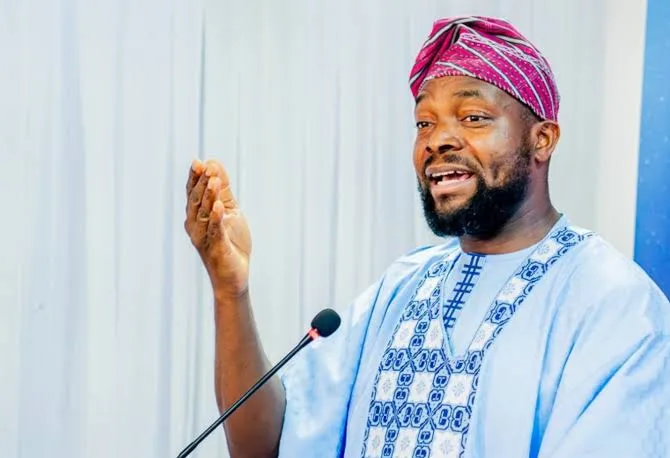
Bosun Tijani named among TIME’s 100 most influential in AI alongside Elon Musk and Sam Altman
Bosun Tijani, Nigeria’s Minister of Communications, Innovation and Digital Economy, has earned global acclaim by joining the prestigious 2025 TIME100 AI list alongside industry giants like Elon Musk and Sam Altman. Tijani oversees a transformative effort, famously known as the 3 Million Technical Talent (3MTT) program, designed to train three million Nigerians with vital technical expertise by 2027. Launched under his stewardship, this ambitious endeavor harnesses a blend of online and face-to-face training centers, having already equipped nearly 300,000 individuals across the country with cutting-edge skills in areas such as AI, cybersecurity, data science, and software development. The drive is bolstered by strategic partnerships with global and local organizations like Microsoft Nigeria, MTN Nigeria, and Airtel Africa Foundation, alongside support from international bodies including the United Nations-European Union. These alliances have enhanced opportunities for trainees by facilitating internships and job placements, cultivating a robust pipeline of tech talent ready to contribute to Nigeria’s digital economy. Beyond skill-building, Tijani is spearheading Nigeria’s National AI Strategy, a comprehensive plan co-created with over 150 experts, to responsibly harness artificial intelligence for socio-economic growth. The strategy not only prioritizes ethical AI deployment but also emphasizes digitizing local realities to develop tailored datasets and infrastructures that reflect Nigerian contexts, advancing homegrown innovation. His agenda further extends to expanding digital infrastructure, exemplified by a massive project deploying 90,000 kilometers of fiber-optic cables, funded in collaboration with the World Bank and other partners, to broaden connectivity nationwide. Tijani’s influence resonates on the international stage following his election as Vice Chair of the International Telecommunication Union (ITU) Council for 2025, the first Nigerian to secure this role in nearly five decades. Dr. Tijani stated that Nigeria may lack abundant computing infrastructure, but Nigeria’s greatest asset is their talent. He said that the program is not just about training; it is a catalyst to digitize Nigeria’s own reality and elevate the quality of AI systems that serve Nigerians. He also stressed Nigeria’s vision to build a $1 trillion digital economy, with collaboration from global partners and commitment at home.