
On August 5, a disruption involving Fuji musician K1 De Ultimate at Abuja airport led to the suspension of ValueJet pilots, but the pilots’ union says the sanctions are unfair. The National Association of Aircraft Pilots and Engineers (NAAPE) has asked the Nigeria Civil Aviation Authority (NCAA) to drop the suspension of the ValueJet captain and first officer. This followed an incident at Nnamdi Azikiwe International Airport where K1 De Ultimate caused a delay by violating security rules and disrupting boarding. NAAPE argues the blame lies mainly with the musician, who was placed on a no-fly list and is facing legal action. According to NAAPE President Galadima Abednego, the pilots have clean records and acted under pressure after K1 disobeyed security protocols and blocked the aircraft on the runway. While Abednego admits the captain might have handled the situation better, he called the NCAA’s decision to suspend only the crew, while letting K1 face separate prosecution, a case of unfair treatment. The incident reportedly started when K1 tried to board the ValueJet flight with an alcohol flask exceeding the allowed limit of 100ml. After being warned by security and the captain, K1 allegedly poured the liquid on a security officer and blocked the plane from taxiing after boarding. The pilots tried to move the plane despite the blockage, which led to NCAA suspending their licenses for taxiing without clearance. Aviation Minister Festus Keyamo criticized the sanctions as selective, saying both the crew and passenger broke safety rules. He instructed that K1 be blacklisted from flying within Nigeria until investigations conclude. NAAPE wants a transparent probe and wants ValueJet to back its pilots. The union also reminded passengers that safety at airports is non-negotiable, warning against unruly behaviour.

Essex woman jailed for £11,000 romance scam, victim speaks out
A woman from Essex has been handed a suspended jail sentence after defrauding three men of over £11,000 through an elaborate catfishing romance scam. Peter, a pseudonym for one victim, believed he had found real love when he matched with “Charlotte,” a nurse on a dating app. Over the course of a year, Peter exchanged messages and voice notes with her, receiving photos and stories about her life. She seemed genuine, kind, chatty, and from a wealthy family. But Charlotte was a fake identity used by Kerry Gray, 37, who conned Peter out of nearly £3,500 by exploiting his trust with gradual requests for money, including for taxi fares and medical fees. Peter says Gray’s lies distorted his sense of reality, leaving him with deep trust issues and emotional turmoil. Despite warnings and suspicions, he felt trapped by false cries for help and threats of self-harm. Only after calling the hospital she claimed to be in did he realise the fraud and cut contact. Two other men told similar stories of deception and financial loss to Gray, who used the money to fuel gambling, alcohol, and takeaways. Essex has seen a surge in romance fraud in recent years, with losses exceeding £2.3 million in 2024 alone. Romance scams have risen nationally by 7.6% and cost victims hundreds of millions of pounds. Police warn that anyone can fall victim, and victims often suffer shame alongside financial harm. Det Constable Georgette Hixon of Essex Police urged victims to come forward without embarrassment and urged vigilance. Protect yourself by being wary of requests for money from online-only relationships, verifying photos, and seeking advice from trusted friends or family. Peter’s experience shows the emotional impact beyond the financial loss in romance scams. “I feel so silly, because it was done so casually. I’ve never met her. It makes me feel stupid and pathetic. I’ve had massive trust issues since” – Peter If you or someone you know may be affected by romance fraud, help is available through authorities like Action Fraud and victim support groups.

Elon Musk’s AI accused of creating explicit Taylor Swift videos without consent
Elon Musk’s AI video tool, Grok Imagine, has been accused of generating sexually explicit videos of Taylor Swift without any user prompt, raising concerns about AI misuse and lack of proper content safeguards. Grok Imagine’s “spicy” mode automatically produced topless clips of the pop star even when users did not request explicit content. Clare McGlynn, a law professor specializing in online abuse, described this not as accidental bias but a deliberate design flaw. She criticized the AI for its misogynistic tendencies and pointed out that proper age verification, now a legal requirement in the UK, was missing in the platform’s paid version. Deepfake technology, which replaces faces in videos, has previously been used to create non-consensual explicit content featuring Taylor Swift. Early in 2024, such deepfake videos circulated widely on social media platforms like X (formerly Twitter) and Telegram. Despite promises to act, X’s controls failed to stop these videos’ spread. When tested by a reporter, Grok Imagine allowed the creation of uncensored, explicit animations of the singer with minimal input, showing how little control users had over the content generated. The UK government is pushing for stronger laws to ban the creation and distribution of non-consensual pornographic deepfakes altogether. Professor McGlynn helped draft an amendment that is yet to become law but aims to protect individuals, celebrities and ordinary people alike, from violations of consent. Officials stress that platforms using AI must implement “technically accurate, robust, reliable, and fair” safeguards, especially to protect minors. Taylor Swift’s team has been contacted for comment, while the tech community watches closely for how the company and regulators will respond next.

Croatia upgrades digital nomad visa stay to three years, opening doors for remote workers
Croatia has upgraded its digital nomad visa to allow remote workers from outside the EU to live and work legally in the country for up to three years, starting March 2025. Originally offering a 12-month stay when launched in 2021, Croatia’s digital nomad visa now permits an initial stay of up to 18 months, with the possibility to extend for an additional six months. After the visa expires, holders must leave the country and wait six months before reapplying. The most recent update has increased the maximum allowed stay to three years, making Croatia one of the most generous European countries for non-EU digital nomads. To qualify, applicants must earn at least €3,295 monthly or show bank savings of €59,310 for the 18-month stay (higher than previous thresholds), and this amount increases by 10% for each added family member. Other requirements include valid private health insurance, a clean criminal record, proof of accommodation, and a passport valid at least three months beyond the intended stay. The visa strictly prohibits working for Croatian companies but allows remote work for foreign employers or clients. Besides the digital nomad visa extension, Croatia has also lengthened the validity of other work permits, including the Regular Work Permit (three years), EU Blue Card (four years), and Seasonal Work Permit (nine months). With its stunning Adriatic coast, vibrant cities like Zagreb and Dubrovnik, reliable internet, and relaxed lifestyle, Croatia is positioning itself as a top destination for digital nomads looking for longer-term stays in Europe without the hassle of frequent visa renewals.

New Nigerian law requires online insurance companies to get licenses
The Nigerian government has made it clear that online insurance businesses must now be licensed before operating in the country. President Bola Tinubu recently signed the Nigerian Insurance Industry Reform Act (NIIRA) 2025 into law. Among other things, the law requires that any person or company offering insurance services over the internet or electronically must first get a license from the National Insurance Commission (NAICOM). This is to ensure proper regulation and protect consumers from unregulated operations. Section 201 of the Act states clearly: no one can start or run a web-based insurance business without a commission-issued license. NAICOM also has the power to set rules and impose penalties if companies break these rules. The law goes beyond licensing by requiring insurance providers to have strict policies to stop terrorism financing and money laundering. This includes knowing their customers well (KYC), anti-money laundering (AML) procedures, and measures against financing weapons of mass destruction. Penalties for breaking the law are stiff. Individuals caught running unlicensed insurance businesses face fines of up to N25 million. For companies, fines can reach N50 million, and top executives might face prison sentences of up to two years. This law is part of a bigger reform to modernize Nigeria’s insurance sector, make it more secure, and encourage digital business growth, all aimed at boosting Nigeria’s economy towards becoming a $1 trillion market.
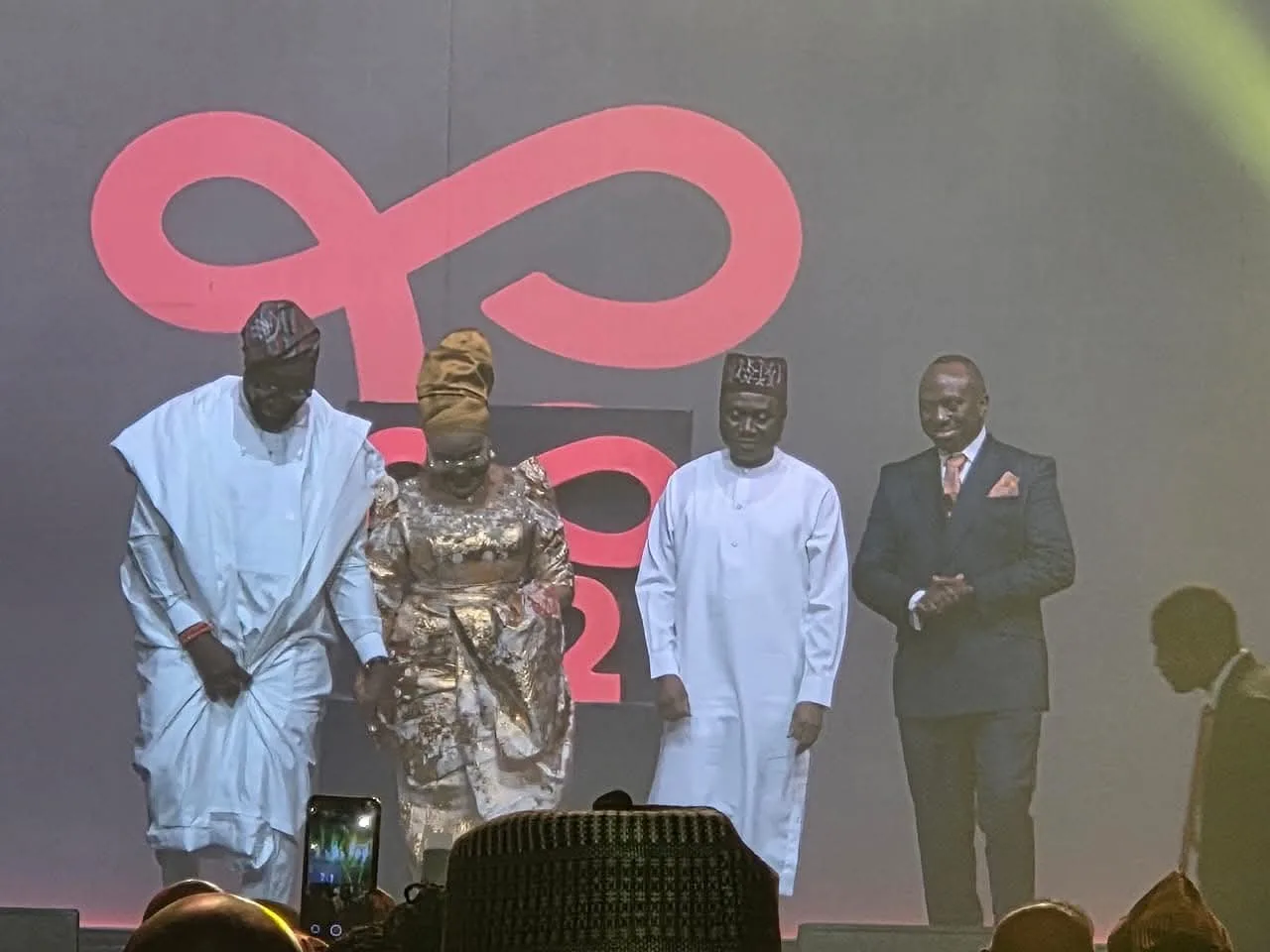
Nigeria’s 9mobile rebrands as T2, marking a new chapter after years of struggle
Telecom operator 9mobile has officially rebranded to T2, signaling a fresh start after years of market challenges and survival battles. The rebrand, launched in Lagos on Friday night, comes after 9mobile’s strategic partnership with MTN Nigeria to use MTN’s infrastructure for its dwindling customer base. Along with the new name, T2 changed its brand colors from the iconic green to a bright orange. The company says the orange color represents a “ripe arrival” after enduring a long period of hardship. T2’s journey began in 2008 as Etisalat Nigeria, backed by a UAE group known for innovative products and strong youth appeal. However, by 2017, debts exceeding $1.2 billion forced Etisalat out of Nigeria. The network was then taken over by a Nigerian bank consortium and rebranded as 9mobile. Despite leadership changes, 9mobile struggled to regain market share amid fierce competition from MTN, Airtel, and Globacom. Subscriber numbers plunged from a peak of 23 million in 2015 to just 2.4 million by June 2025, according to the Nigerian Communications Commission (NCC). At the rebranding event, T2 CEO Obafemi Banigbe recounted on the company’s tough journey but expressed optimism. “We have struggled as a business, but like Nigeria, we always bounce back stronger and sharper,” he said. Banigbe emphasized that the rebrand is more than an image change; it’s a commitment to becoming leaner, faster, and smarter. The shift from green to orange signals maturity and readiness to meet new market challenges. Minister of Communications, Innovation and Digital Economy Dr. Bosun Tijani congratulated T2 but urged it to match its new look with improved service quality. He encouraged the company to deliver innovation and excellence to the millions of Nigerians relying on its network. T2 Chairman Thomas Ethu described the rebrand as a rebirth after a long and exhausting journey. While the partnership with MTN offers hope for improved service, T2 still needs significant investment in infrastructure to reclaim its place in Nigeria’s competitive telecom market.