
Australia will ban children under 16 from having YouTube accounts, adding the platform to its growing list of age-restricted social media sites. The rule takes effect from December 10, 2025, and reverses the government’s previous decision to exempt YouTube from such restrictions. The new law means anyone under 16 will no longer be able to create a personal YouTube account in Australia. Young people will still be able to watch videos without logging in or through someone else’s account, but will not be allowed to upload, comment, or interact as account holders. Australian authorities say the move is designed to protect children from online harm. Communications Minister Anika Wells said, “The evidence cannot be ignored that four out of 10 Australian kids report that their most recent harm was on YouTube…We will not be intimidated by legal threats when this is a genuine fight for the wellbeing of Australian kids.” She compared the ban to teaching children to swim in a safe environment rather than throwing them into the ocean. Social media and tech companies will be required to close existing accounts of users under 16 and stop new ones from being created. If they fail to comply, they could face fines of up to 50 million Australian dollars (about ₦57 billion). YouTube, owned by Google, has pushed back against the policy. The company insists it is “not social media” but a video-sharing platform, and says it offers educational and positive content to young users. YouTube has pledged to “consider next steps and continue talks with the government.” The platform also highlights existing safety measures – like YouTube Kids, which will not be impacted by the ban. Australia’s new rule is attracting global attention. The Prime Minister says he will campaign for similar regulations at the UN, as other countries debate the impact of social media on children’s wellbeing. For now, Australia is set to become the first country forcing YouTube – and all major social media platforms – to lock out under-16s from personal accounts, as concerns over digital safety take centre stage.

Fuel importers beat Dangote’s price, petrol drops below ₦820 per litre
Petrol importers in Nigeria have pushed prices lower than the Dangote Petroleum Refinery, launching a fierce new round of competition in the country’s fuel market. On Tuesday, several media reported filling stations in Lagos and Ogun sold petrol for as little as ₦847 per litre, cheaper than the ₦865 – ₦875 range seen at outlets linked to Dangote. Behind the scenes, importers like Aiteo and Menj cut their depot rates to just ₦815 per litre, undercutting Dangote’s own depot price of ₦820 per litre. This unexpected move marks the strongest challenge yet to the refinery’s market power since it began production. Industry experts say the price war started when the Dangote refinery slashed its rates several times in July 2025, dropping its ex-depot price from ₦880 to ₦840 and then to ₦820 per litre, responding to falling global oil prices and growing competition. But importers reacted quickly, dropping their own prices below Dangote’s latest offer. As a result, more independent stations are now charging less than outlets tied to Nigeria’s biggest refinery. Chinedu Ukadike, a spokesperson for the Independent Petroleum Marketers Association of Nigeria (IPMAN), confirmed the trend: “Importers keep finding ways to bring prices down. The market is open, and real competition is what matters most for consumers.” For Nigerian motorists and businesses, the price drops mean shorter queues and a bit of financial relief after a year of high petrol costs. However, some fuel marketers warn that rapidly falling prices make it hard for them to break even, with some forced to sell at a loss if they bought stock at higher prices earlier in the month. The energy sector is now on alert for further changes. Some experts predict more price cuts if importers maintain their momentum, while others warn that ongoing volatility could strain smaller fuel marketers. For now, Nigerians are seeing the direct benefits of open competition at the pump – with petrol prices at their lowest since local refinery production ramped up. Industry analysts will watch closely to see if Dangote responds again or if importers keep the upper hand in this unfolding price battle
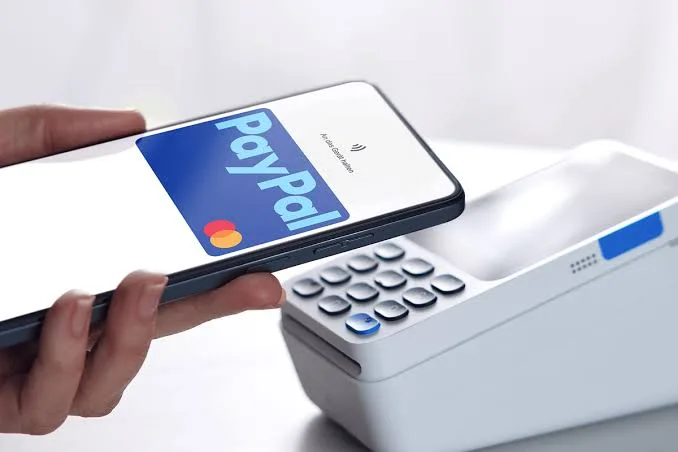
PayPal to let businesses accept over 100 cryptocurrencies at checkout
PayPal is taking a big step forward in the crypto world, announcing it will soon allow businesses to accept more than 100 cryptocurrencies when customers pay online. The new “Pay with Crypto” feature, set to launch in the next few weeks, lets buyers use digital assets like Bitcoin, Ethereum, Tether (USDT), and Circle’s USDC at checkout. Payments can be made from popular wallets, including Coinbase, OKX, Phantom, MetaMask, and Exodus. When a customer pays with crypto, PayPal will quickly convert the digital coins into cash or PayPal’s own PYUSD stablecoin for the seller. This new development is aimed at giving small businesses better access to a massive global crypto user base. Frank Keller, PayPal’s new general manager of enterprise and merchant platform, explained, “You have globally 650 million users that participate in the $3 trillion market of cryptocurrencies. We wanted to give small businesses access to this customer base that is growing.” With the high cost and slow process of traditional cross-border payments—often costing businesses over 10% in fees—PayPal’s system is offering near-instant settlement and a much lower 0.99% transaction fee. Businesses can also choose to keep their earnings in PYUSD, earning around 4% interest, making the option even more attractive. Keller added, “It’s still nascent, but it’s surprising how quickly it’s picking up. When PayPal turns it on, it creates trust.” PayPal says it wants to embed digital assets deep into its payment system and play a bigger role in mainstream adoption. “We want to show that we’re long-term invested in the crypto space. We want to play a bigger role, and for that to be successful, we need to really scale it to the next level,” Keller said. Crypto payments are quickly gaining ground worldwide. Businesses are waking up to benefits like lower fees, faster settlements, and access to global customers. While some companies already use processors such as BitPay and Coinbase Commerce, PayPal’s new feature could push crypto payments into the mainstream, especially for small and medium businesses.
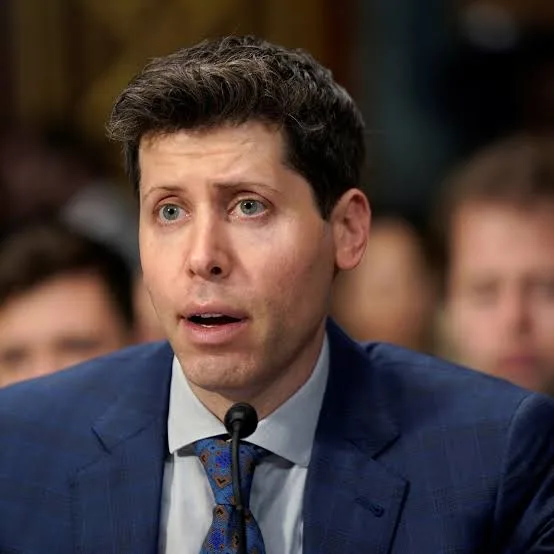
OpenAI, Sam Altman warns your chats with AI could be used in court
OpenAI boss, Sam Altman, has told users not to expect privacy protection if they share sensitive secrets with ChatGPT or any chatbots – it could all end up in court. Altman made the comments while speaking on a recent podcast of ‘This Past Weekend w/ Theo Von’ shared on YouTube, reportedly at OpenAI’s San Francisco office – saying many young people use ChatGPT to “talk about the most personal shit” like a therapist or life coach, asking for advice on relationships and personal struggles. But unlike real therapists, doctors, or lawyers, the conversations aren’t legally protected. If a lawsuit or police investigation digs into you, OpenAI might have to hand over what you said to the chatbot. “We haven’t figured that out yet for ChatGPT,” Altman said. “If you go talk to ChatGPT about your most sensitive stuff and then there’s like a lawsuit or whatever, we could be required to produce that. And I think that’s very screwed up,” he added. He believes chatbots should offer the same privacy as a human therapist, but for now, that’s not the law. The warning comes at a time when more Nigerians and young people around the world are turning to AI tools for advice, not just schoolwork or business. Altman also admitted that even deleted conversations might sometimes be recovered for legal or security reasons. He urged users to think twice before sharing private matters with AI chatbots until the law is clear. “I think it makes sense to really want the privacy clarity before you use it a lot like the legal clarity,” Altman explained. For now, anyone using ChatGPT for personal support should know: what you tell the bot isn’t fully private… Including Nigerians.
OpenAI rolls out study mode in ChatGPT to help students learn smarter
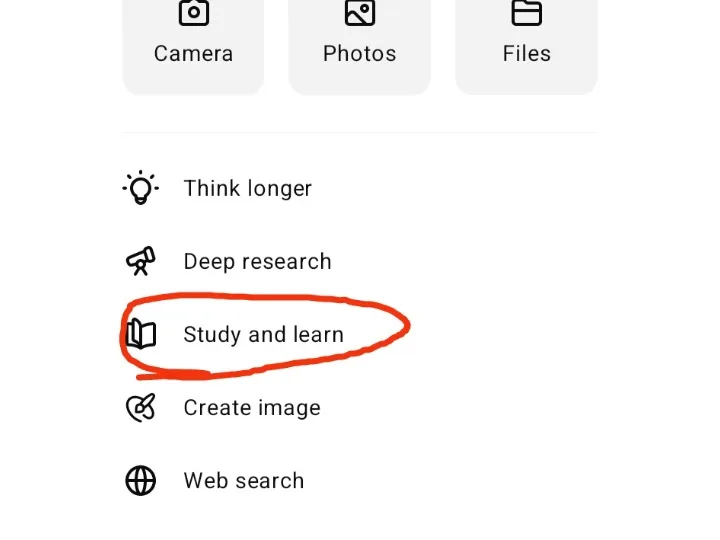
To tackle the problem of accumulating ‘cognitive debt’ from using AI, OpenAI has launched Study Mode in ChatGPT to help students think more deeply about questions and learn better, instead of just copying answers. The new ‘Study and Learn’ mode is now available for all ChatGPT users, including those on Free, Plus, Pro, and Team plans. OpenAI says the tool will reach ChatGPT Edu users in the coming weeks. This update comes after months of worries that AI is making it too easy for students to skip real learning by simply asking chatbots for answers. Unlike the usual ChatGPT experience, Study Mode guides students using prompts, hints, and questions that get them involved in the process. It won’t simply give the answer. Instead, it asks guiding questions, checks what the student already knows, and breaks big topics into smaller, easy-to-understand parts. The tool can also quiz students and give feedback as they go, aiming to build real understanding and critical thinking skills. OpenAI developed the study mode by teaming up with teachers, learning experts, and scientists. The system follows proven education methods, like active participation and Socratic questioning, to encourage deeper learning instead of shortcuts. “We’ve built study mode to help answer this question. It’s designed to engage students through guiding questions that match their skill level and learning goals, fostering curiosity and helping them build a deeper understanding of the subject matter,” OpenAI said in its announcement. Nigerian students can start using Study Mode today by choosing the “Study and learn” option in ChatGPT. They’ll get support not only for homework, but also for exam preparation and tough subjects. While students can still turn the mode off and get direct answers, OpenAI believes this feature is a strong step toward using AI as a learning partner, not just an answer machine. To activate Study Mode in ChatGPT, follow these simple steps: Features like Study Mode could shift the focus from just getting it done to actually learning. OpenAI says it will watch how people use the new tool and plans even more updates, including visual aids and more personalized support, after gathering more feedback from students and teachers.

Fidelity Bank launches digital tools to power 100 Nigerian SMEs
Fidelity Bank has kicked off a new program to help small and medium enterprises (SMEs) in Nigeria grow with modern business management systems. At the Fidelity SME Empowerment Program 2025, held on July 23 in Gbagada, Lagos, the bank unveiled its plan to support 100 standout SMEs with free digital point-of-sale (POS) systems and business management software. The goal is to help Nigerian entrepreneurs organize their businesses, boost efficiency, and compete better in today’s digital market. The event drew many business owners eager to upgrade from manual to digital processes. Each beneficiary will get a desktop POS, ERPRev business software, a receipt printer, a barcode scanner, and onboarding support. The package also includes training on bookkeeping and finance, brand support, and six months of follow-up service, plus instant settlement on transactions. Dr. Nneka Onyeali-Ikpe, Managing Director of Fidelity Bank, said, “At Fidelity Bank, we believe SMEs are not just the backbone of our economy, they are the architects of innovation, resilience, and inclusive growth.” She explained the program aims to give business owners the skills and tools needed to thrive in a tough economy. Mrs. Adaonah Kene-Uyawune, CEO of Manmark (the bank’s tech partner), called the move a “game changer,” emphasizing that the new tools make tracking sales, inventory, and staff much easier. “These tools are not handouts, they are instruments for long-term business success,” she said. Data from the Nigerian Bureau of Statistics shows SMEs make up 96% of Nigerian businesses, employ over 80% of workers, and deliver about half of the country’s GDP. But many still struggle with paper records and manual accounting, slowing their growth and making it hard to get loans or investments. Fidelity Bank, which serves over 9.1 million customers and operates across Nigeria and the UK, hopes this digital push will help SMEs become more efficient and profitable. Over the next three days, participants will attend training and masterclasses, with networking sessions designed to foster new partnerships and open fresh markets.