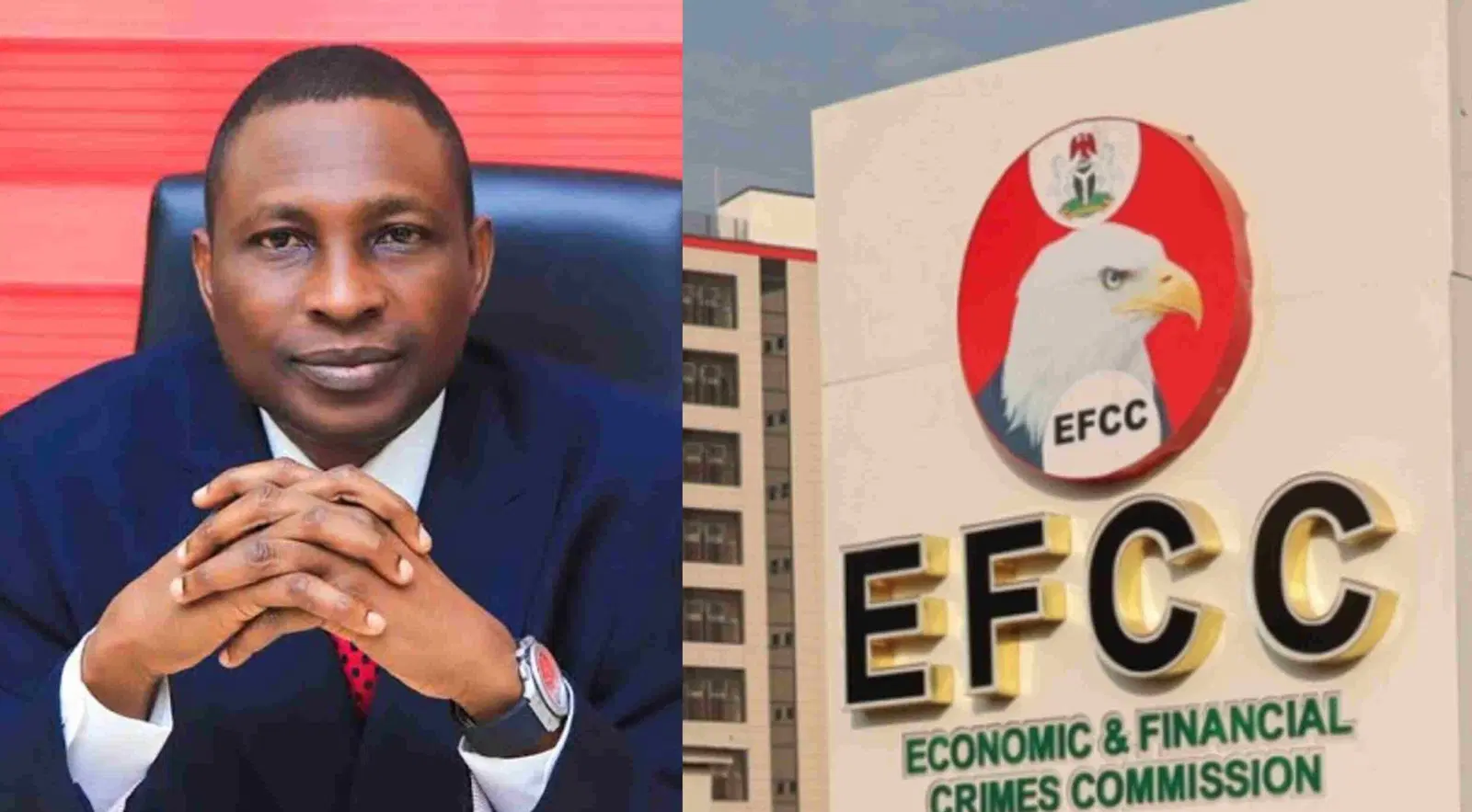
The Economic and Financial Crimes Commission (EFCC) says some corrupt Nigerian politicians are now using cryptocurrencies to hide stolen money and escape detection. EFCC Chairman Ola Olukoyede revealed this during a public lecture at the agency’s headquarters in Abuja, marking the 2025 African Union Anti-corruption Day. He explained that investigations show a growing trend where politicians move their loot into digital wallets, making it harder for authorities to trace the funds. Olukoyede said, “Our findings showed that fraudulent politicians are already perfecting schemes and hiding their loot in cryptocurrencies to beat the investigative dragnets of anti-corruption agencies. Stolen funds and unexplained wealth are being warehoused in wallets, and payments for services are being done through this window. Investment schemes are also being facilitated through it.” He stressed that while cryptocurrencies themselves are not illegal, criminals are taking advantage of the technology to commit fraud. “Virtual assets are not fundamentally criminal. It is when they are wrongfully or fraudulently used that they become criminals,” he noted. The EFCC boss assured Nigerians that the agency is ready to tackle these new challenges. He pointed to recent successes, including the investigation and prosecution of the CBEX scam, as proof that the EFCC is staying ahead through training and intelligence gathering. Olukoyede also warned Nigerians to be careful about where they put their money. He said many people lose their savings to fake investment schemes because they do not do proper checks before investing. “No investment scam can succeed without the negligence of investors,” he added. He called on the public to report suspicious transactions early, not just after they have been defrauded. According to him, fraudsters are exploiting desperate investors and spreading scams like wildfire across Africa. The EFCC says it will keep improving its methods to protect citizens and make sure technology is not used to hide crime.
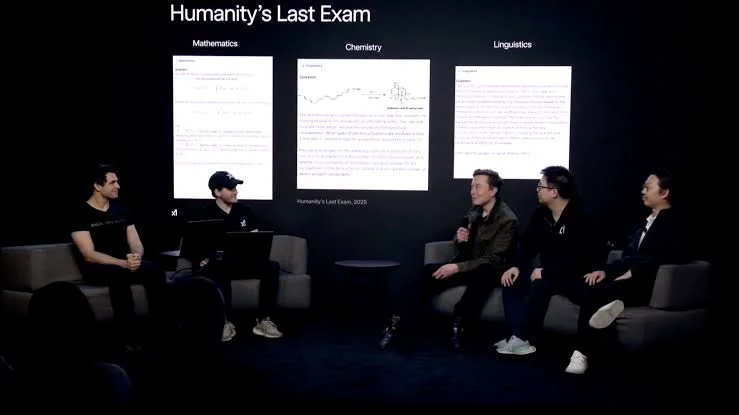
Elon Musk’s xAI launches Grok 4, declared the world’s most powerful AI model
HhElon Musk’s AI company, xAI, has unveiled Grok 4, a new artificial intelligence model that outperforms rivals from OpenAI, Google, and Anthropic, setting a new global benchmark. xAI announced the release of Grok 4 on the social platform X, marking a major breakthrough in AI technology. According to independent tests by Artificial Analysis, Grok 4 scored 73 on the Intelligence Index, surpassing OpenAI’s o3 and Google’s Gemini 2.5 Pro, both at 70, and Anthropic’s Claude 4 Opus at 64. This score reflects Grok 4’s superior reasoning and practical capabilities, including debugging entire source code files more effectively than existing tools like Cursor. Elon Musk stated Grok 4’s potential to accelerate technological and scientific discoveries, predicting new technologies within a year and breakthroughs in physics within two. The model is now accessible on multiple platforms, sparking excitement about its future applications in healthcare, robotics, and research. However, xAI has faced challenges recently, including controversies over past AI-generated antisemitic content, which the company attributes to training data issues and unauthorized changes. xAI is actively working to remove inappropriate posts and improve hate speech controls, emphasizing a focus on “truth-seeking” in Grok 4’s development. This launch positions xAI at the forefront of the AI race for the first time, reflecting rapid progress in a highly competitive field dominated by tech giants. Experts see Grok 4 as a potential game-changer, but its long-term impact will depend on ethical management and consistent performance.
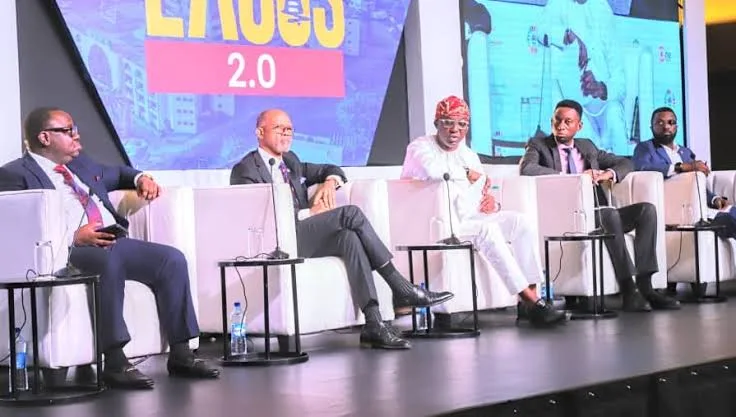
Lagos unveils $400 million waste-to-energy plant to power two million homes
The Lagos State Government has announced a $400 million plan for a new Waste-to-Energy plant in Epe, aiming to tackle waste problems and deliver clean electricity to millions. Lagos State is taking a big step towards cleaner energy and better waste management. On Wednesday, the government revealed plans to build a Waste-to-Energy (WTE) plant in Epe. This project is expected to supply electricity to up to two million residents and help reduce the risk of flooding caused by blocked drainage channels. Recall on the 1st of April, 2025, Daily Tech reported that the Lagos state government stated that the new plant in Epe, developed in partnership with Dutch company Harvest Waste, will process 2,500 tonnes of waste daily and produce 60–80 megawatts of electricity which has also secured €100 million in funding. Commissioner for the Environment and Water Resources, Mr. Tokunbo Wahab, shared the news at the Lagos Investors Summit 2.0. He explained that the plant will be set up using a private sector-led model, meaning private companies will design, build, finance, and operate the plant, while the government keeps its involvement limited. The WTE plant will convert municipal solid waste into electricity. This means less rubbish will end up in landfills, and more homes will have access to reliable power. The project is expected to deliver a 12% internal rate of return over 20 years, supported by electricity tariffs and a tipping fee for waste disposal. Lagos faces serious waste challenges. About 80% of landfill space is almost full, only 63% of households have formal waste collection, and 67% of people dump waste illegally. These problems often lead to flooding, especially during heavy rain. Mr. Wahab said the new plant is part of Lagos’ climate action goals and supports Nigeria’s National Energy Transition Plan. He also announced an Early Warning System for Extreme Weather Events to help protect lives and property. By 2050, more than 65% of Lagos residents could be at risk of severe flooding if nothing is done. Mr. Wahab said, “The plant is an innovative project designed to convert waste to energy by addressing both efficient waste management and energy generation for Lagos State.” He added that the project will help reduce the amount of waste going to landfills and provide clean power to densely populated areas. Construction of the Epe Waste-to-Energy plant is a major move for Lagos. If successful, it could serve as a model for other Nigerian cities facing similar challenges. The project promises not just cleaner streets, but also more stable electricity and better protection from floods.
Bolt to start NIN verification for passengers by Q4 2025 to boost safety
Bolt, alongside other ride-hailing companies like Uber and inDrive, plans to begin verifying passengers using their National Identification Number (NIN) by the fourth quarter of 2025. This move aims to enhance safety for drivers and passengers by making riders traceable. Bolt’s Senior Public Policy Manager, Weyinmi Aghadiuno, revealed that the company is working closely with Lagos State Government and the Ministry of Transport to create a regulation that applies to the whole industry. The plan includes public sensitisation campaigns starting around Q3 or Q4 2025 to prepare passengers for the new verification process. Lagos State is leading the way by requiring NIN verification not just for ride-hailing but for the entire public transport system. Aghadiuno expressed hope that other Nigerian cities will follow suit once Lagos implements the policy. Drivers have long called for this measure after several tragic attacks on e-hailing drivers in cities like Port Harcourt and Abuja. The drivers’ union, AUATON, supports the NIN verification to improve security for their members. Bolt had earlier announced plans for rider verification in 2024 but paused to seek broader industry-wide regulation. The company’s Country Manager, Osi Oguah, explained that if only one platform requires NIN verification, passengers might simply switch to others, undermining safety efforts. Therefore, collaboration with government regulators is key. Oguah also stated that connecting to official databases like NIN and BVN will help identify bad actors and make ride-hailing safer for everyone. This could encourage more people to use these services, benefiting the entire industry.
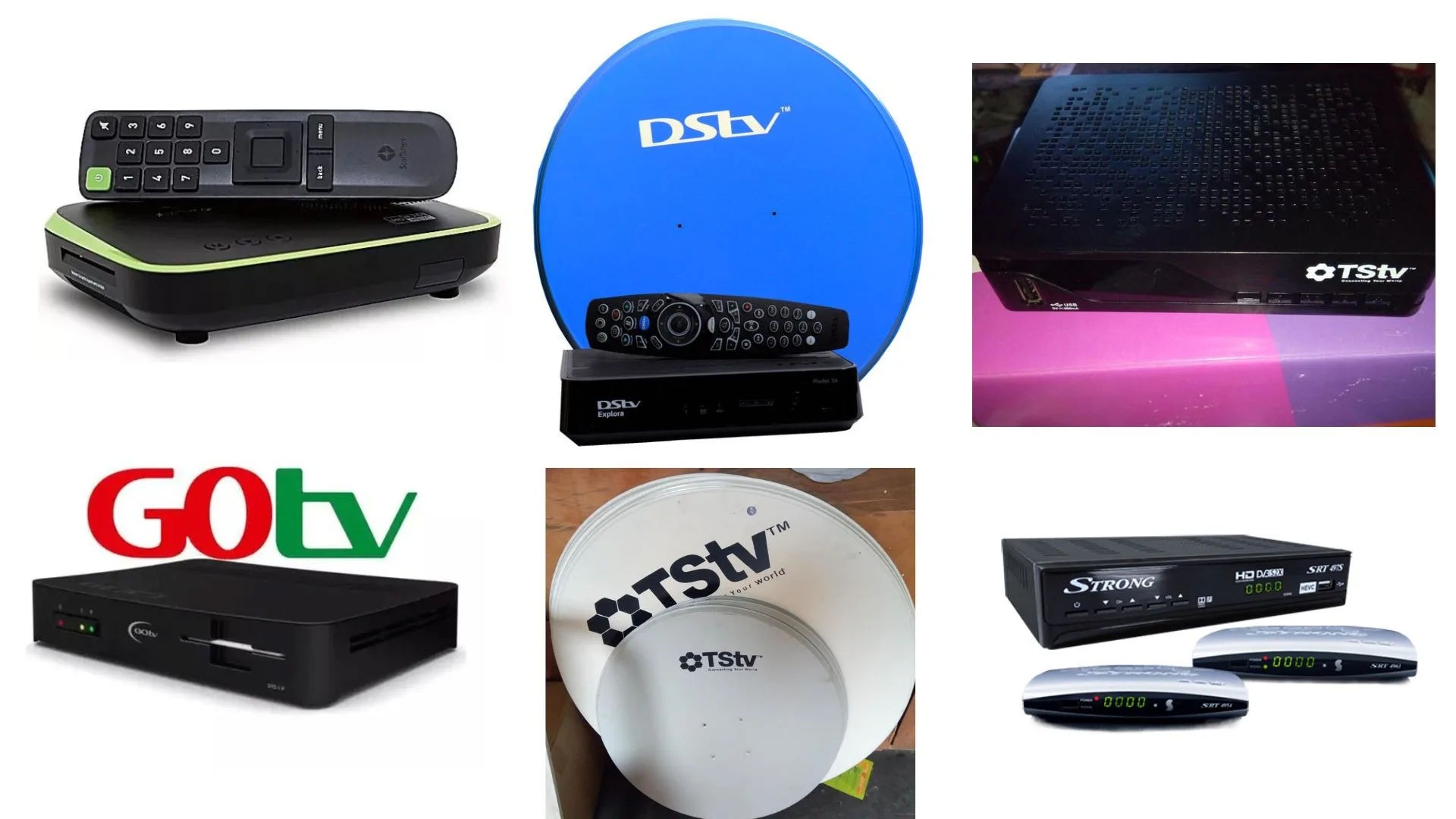
Top 7 best TV decoders in Nigeria: GOtv, DStv, Startimes & more (2025 list)
The 7 best TV decoders in Nigeria: Gotv, DSTV, Startimes & more have been explained with their various features and prices for those of us who want to buy a decoder but need an idea to help us get started. TV is the best way to relax, have fun, and learn with your family. Whether you love movies, news, music videos, sport, or entertaining stuff, TV brings people together. However, to have a good viewing experience of these channels, a good quality and performing decoder is required. In Nigeria, you will find many TV decoders to your choice. There are those that are expensive, and there are cheaper ones yet maintain high value. No matter where you live, a busy city or a serene village, there is always a decoder that will meet your needs and fit your budget. In this useful guide, we are going to look at the Top 7 Best TV Decoders in Nigeria 2025. We will tell you about their features, price, and what makes each decoder special. Now come with me, let me show you. Top 7 best TV decoders in Nigeria: GOtv, DStv, Startimes & more (2025 list) 1. GOtv Decoder GOtv is currently the most used TV decoder in Nigeria. It is owned by MultiChoice, the same company that has DStv. Unlike DStv, GOtv uses a small antenna as opposed to a satellite dish. This makes it very easy, convenient, quick, and affordable to install in your home. It is good for those who want to use good-quality channels and don’t want to spend a lot of money in the process. Features: Price: Why people like it: 2. DSTV Decoder DStv is one of the oldest, most popular, and most reliable TV decoders in Nigeria. MultiChoice is behind it, and it owns GOtv. DStv receives its signal through a satellite dish and has a wide range of top-quality TV channels, including many non-local TV channels. It is good for families that want to watch movies, sports, news, and entertainment on local and global stations and enjoy watching them in clear HD. Features: Price: Why people like it: Recommended Guide: How to set up Starlink internet in Nigeria: full cost, installation, and speed test 3. Startimes Decoder Startimes is known in Nigeria as a pocket-friendly and budget-friendly TV decoder. You can buy an antenna and a satellite decoder and choose the one that fits your home. Startimes is the best for those who want to watch digital TV without breaking the bank. It offers a decent number of local and international channels at low subscription fees, so you can have a good time with quality entertainment. Features: Price: Why people like it: 4. FreeTV Decoder (Digital Switch Over Nigeria) FreeTV is a digital television publicly supported by the government, launched in Nigeria as part of the Digital Switch Over (DSO) initiative. It’s designed to give you and other viewers free and cheap television without subscribing to monthly charges for most of the channels. FreeTV has local television channels, in other words, news, entertainment, and educational programs for free. It’s good for a family with a limited budget. Features: Price: Why people like it: 5. TSTV Decoder Telecom Satellite Television (TSTV) is a Nigerian-owned Satellite TV service that brings you local and international channels to enjoy. It gained popularity because of its pay-as-you-watch service, where you only pay for the time you watch TV. This is very cheap and convenient, especially for those who don’t want to spend money to buy a whole month subscription. Features: Price: Why people like it: 6. Strong Decoder Strong is known in Nigeria to provide free-to-air satellite television services. Most of the Strong channels don’t require paying a monthly fee like DStv or GOtv. The product you can buy after buying the decoder and satellite dish is that you will have various free channels like news, religious, music, and foreign stations. It’s a good option if you want to watch TV long-term without paying frequently. Features: Price: Why people like it: Recommended Guide: How to convert airtime to cash in Nigeria Instantly (2025) 7. MyTV Decoder MyTV is a satellite television provider that has been serving Nigerian homes for a long time. It’s also known to give out clean family entertainment that’s enjoyed by all ages. MyTV works in most parts of Nigeria and it has a range of channels, that is, movies, religious, and educational shows. It’s a good option for a family that wants simple, healthy family entertainment without having to deal with complex setup procedures or expensive subscription fees. Features: Price: Why people like it: Conclusion When looking for a TV decoder in Nigeria, it all depends on your budget, location, and the type of entertainment you are used to. There’s something for everyone, from the low-end packages like GOtv, Startimes, and FreeTV to the high-end packages like DStv and flexible packages like TSTV. Strong and FreeTV are good options if you live in the country or want free channels. Sports lovers, movie lovers, and kids’ TV channels can go for DStv or GOtv. Always check what channels you need before buying one, and also ensure the signal is strong in your area. Those days when we waste our time on low-quality TV are gone; it’s now hard to get cheap and quality TV entertainment. Now you see, this list of 7 TV decoders in Nigeria has made it easier for everyone.
UAE unveils new Visas for AI, events, gaming, and cruise tourists, starting August
The United Arab Emirates (UAE) will launch four new visa categories from August 10, 2025, aiming to attract tech experts, event visitors, gaming professionals, and cruise tourists. The new visas are part of the UAE’s push to bring in global talent, support fast-growing industries, and boost its tourism sector. The multiple-entry visa is for artificial intelligence experts. It allows stays of 60 or 90 days, with possible extensions up to 180 days. The goal is to attract researchers, developers, and consultants who can help drive innovation in the UAE. The event Visa designed for people attending economic, cultural, religious, educational, or sports events. It’s a single-entry visa valid for 30 or 60 days, with the option to extend up to 180 days. The UAE wants to make it easier for visitors to attend major events like expos and conferences. Commercial gaming visa targets professionals in the gaming industry, including developers, operators, and investors. It allows a 30-day stay and can be renewed once. The UAE is looking to tap into the growing global gaming market, though details on qualifying activities are still to come. Cruise tourist and leisure boat visafor those arriving by cruise ship or leisure boat, this tourist visa allows multiple entries for 30 days, with an extra 30-day extension available. It’s part of an effort to boost maritime tourism. These new visas follow earlier UAE reforms like the Golden Visa and Green Visa, which were meant to make the country a global hub for business and innovation. The UAE has also introduced multi-entry visit visas for family and friends and has become a major investor in Africa, showing its commitment to international partnerships. While expanding other visa options, the UAE has temporarily stopped new freelance visa applications. Existing freelance visa holders can still renew, but the freeze raises questions about the future for remote workers and freelancers looking to move to the UAE.