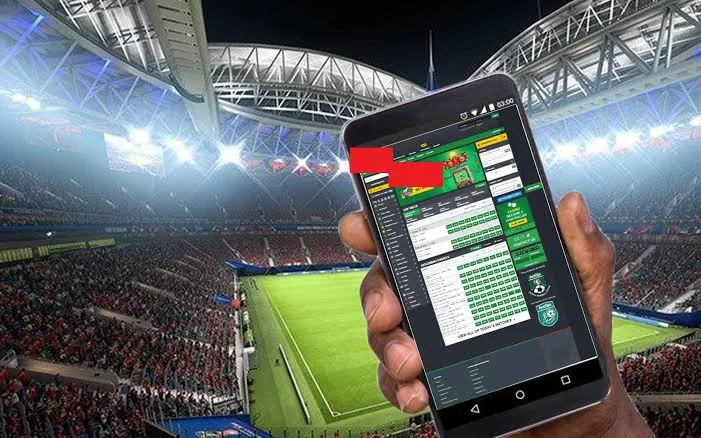
As Nigeria’s mobile betting industry experiences rapid growth, operators are turning to advanced technology to promote responsible gambling and protect users. SOFTSWISS, a global iGaming software developer, is leading efforts to embed technology-driven safeguards in Nigeria’s digital betting platforms. The surge in online betting, fueled by Nigeria’s young and digitally savvy population, has exposed vulnerabilities in traditional gambling oversight methods. Physical premises and manual interventions are no longer sufficient to address the risks posed by instant, accessible online betting. SOFTSWISS integrates artificial intelligence and sophisticated analytics to monitor betting behaviors in real time. This technology quickly identifies patterns that may indicate gambling problems, enabling early intervention. Features such as customizable spending limits, deposit caps, and self-exclusion options empower users to manage their betting responsibly. The company stresses that responsible gambling is not only ethical but essential for the sustainable growth of Nigeria’s digital betting market. Successful implementation requires collaboration among regulators, betting operators, and support organizations to ensure that technology aligns with ethical standards and player safety. By prioritizing player protection through innovative technology, Nigeria’s digital betting industry aims to create a safer environment where betting remains entertainment rather than compulsion. SOFTSWISS has over 15 years of experience developing iGaming solutions and is committed to supporting Nigeria’s evolving market with responsible, technology-driven strategies.
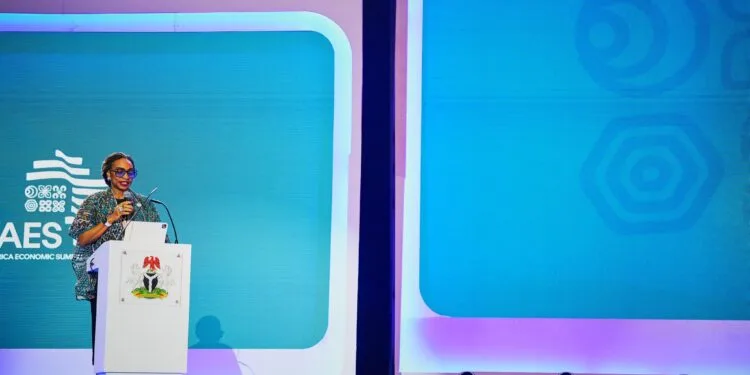
Nigeria pushes for investments in ports and digital platforms to boost West African trade
The Nigerian government is calling for increased investments in port infrastructure and digital platforms to enhance cross-border trade across West Africa. Speaking at the West Africa Economic Summit (WAES) 2025 in Abuja, Mrs. Jumoke Oduwole, Minister of Industry, Trade and Investment, highlighted the need to address challenges that hinder regional trade, especially for micro, small, and medium enterprises (MSMEs). Mrs. Oduwole pointed out that high border costs, inconsistent duties, and bureaucratic hurdles continue to discourage trade among West African countries, despite shared borders and integration efforts. She emphasized that these obstacles make global trade more attractive than intra-regional commerce. To reverse this trend, she urged African governments to invest in infrastructure such as ports and logistics corridors, as well as digital platforms that enable seamless and paperless trade processes. The Nigeria Ports Authority recently introduced Export Process Terminals (EPTs), designed to streamline export procedures by consolidating cargo handling, documentation, and certification into a single electronic system. This innovation aims to simplify exports and reduce delays at Nigerian ports. Mrs. Oduwole also stressed the importance of access to finance for women- and youth-led businesses, which often face exclusion from credit systems. She called for harmonization of product standards and customs procedures across the region to boost investor confidence and competitiveness. Under the leadership of President Bola Ahmed Tinubu, Nigeria is committed to the ECOWAS Trade Liberalization Scheme and the African Continental Free Trade Area (AfCFTA). The government has already gazetted provisional tariff concessions to facilitate trade under AfCFTA and is implementing fiscal and monetary reforms to attract long-term investment. The WAES 2025 summit, initiated by President Tinubu and organized by Nigeria’s Ministry of Foreign Affairs, serves as a platform for dialogue and cooperation to unlock trade and investment opportunities in West Africa. It brings together heads of state, policymakers, business leaders, and innovators from across the region. With these efforts, Nigeria aims to transform itself into a premier destination for investment and to foster scalable industries that drive sustainable economic growth in West Africa.
SEC issues warning against unregistered trading platform CMTrading
The Securities and Exchange Commission (SEC) of Nigeria has issued a public warning to investors about CMTrading, a cryptocurrency and commodities trading platform that is not registered to operate within the Nigerian capital market. In an official statement released today, the SEC made it clear that CMTrading is not authorized to solicit investments or conduct any business activities in Nigeria. The Commission emphasized that the platform is not registered under its regulatory framework, making any dealings with it risky and potentially fraudulent. CMTrading reportedly claims affiliation with GCMT South Africa Pty Ltd, which it says is licensed by the Financial Sector Conduct Authority (FSCA) of South Africa and the Financial Services Authority (FSA) of Seychelles. However, the SEC’s investigation found these claims to be misleading. The platform has also been found to use cloned websites of well-known Nigerian and international media outlets, including Punch Newspaper, Vanguard Newspaper, BBC, Channels Television, and Arise Television, to lure unsuspecting investors. Additionally, CMTrading has circulated fake videos and images of prominent Nigerians on social media, falsely promising financial rewards to subscribers. The SEC’s probe into CMTrading revealed several red flags typical of Ponzi schemes. These include promises of unusually high returns, a heavy reliance on referral systems to sustain payouts, and the use of fake websites to manage subscriber investments. Investors are strongly advised to avoid engaging with CMTrading or its representatives, as doing so could result in significant financial losses. To safeguard your investments, the SEC urges Nigerians to verify the registration status of any trading platform before investing. The Commission provides official verification portals where investors can confirm whether a platform is licensed to operate in Nigeria: SEC Fintech and Innovation Hub Registered Operators SEC Capital Market Operators This warning follows a recent SEC alert against another unregistered crypto project, Punisher Coin ($PUN), and Zugacoin GPT which was identified as a pump-and-dump scheme with no real value or regulatory approval.
Pi Network users face major hurdles ahead of June 28 migration
The Pi Network community is grappling with a wave of technical problems as the highly anticipated migration to the open network approaches on June 28. Thousands of Pi Network users, known as Pioneers, are encountering significant challenges that threaten to derail the migration process. Key issues include persistent KYC (Know Your Customer) verification glitches, malfunctioning two-factor authentication (2FA), and disappearing wallet balances, all of which have left many frustrated and uncertain about the future of their Pi coins. One of the biggest roadblocks is the KYC verification step, which is essential for users to transfer their Pi coins to the open network. Despite having passed KYC months ago, many users report being stuck in endless verification loops or seeing a “tentative approval” status that prevents them from moving forward. Even after submitting all required documents and photos, the system often fails to sync properly, and official support from the Pi Core Team has been sparse. In an effort to enhance security during transfers, Pi Network introduced a two-factor authentication process. However, instead of smoothing the path, this feature has caused more headaches. Numerous users say they never receive the confirmation emails needed to complete 2FA or encounter error messages when attempting to verify. In some cases, completing 2FA sends tokens back to the mobile app, forcing users to restart the process. Perhaps most alarming is the issue of disappearing wallet balances. Users who complete every step correctly have reported seeing their Pi coins briefly appear in their wallets, only to vanish moments later. Others have watched their unlocked tokens disappear without ever reaching their mainnet wallets, sparking confusion and anger after years of anticipation. The Pi Core Team acknowledges these problems and says they are working on fixes, but they have not provided a clear timeline for resolution. They advise users to update their apps, clear caches, and carefully follow migration steps. Meanwhile, scammers have begun exploiting the situation by sending fake support messages to frustrated users. The price of Pi’s native coin has already dropped by 75% from its peak, and the mounting technical issues are further shaking user confidence. With the critical June 28 migration deadline looming, many in the community are hoping the process does not turn into another disappointment. As the Pi Network navigates these challenges, the coming days will be crucial in determining whether it can restore trust and successfully transition to its open network vision.
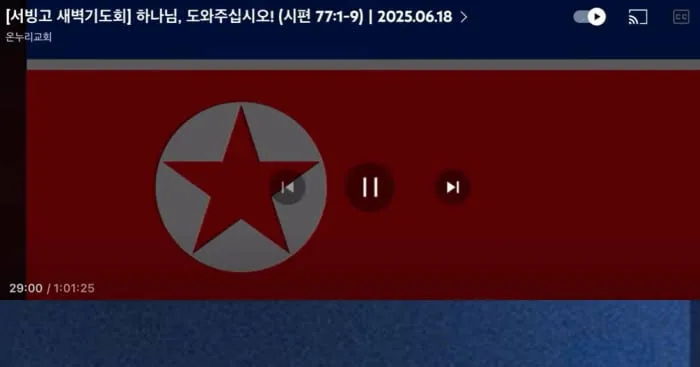
North Korean flag disrupts South Korean church livestream in suspected cyberattack
A major South Korean megachurch’s online worship service was briefly hijacked on Wednesday, June 18, when its YouTube livestream suddenly displayed the North Korean flag and played what sounded like propaganda music. The incident occurred during the early morning service at Onnuri Church, one of the country’s largest congregations. According to church officials, the unexpected footage lasted about 20 seconds before the regular broadcast resumed. The church immediately reported the matter to police and issued a statement confirming it was investigating the cause of the breach. South Korea’s state-run Korea Internet & Security Agency said it is looking into the case. The church assured its members that it is taking urgent steps to strengthen online security and prevent future disruptions. A similar hacking incident was reported by another Seoul-based church, Naesoo-Dong Church, whose livestream was interrupted by an “inappropriate” video for nearly a minute. While that footage was not linked to North Korea, both incidents have raised concerns about the vulnerability of online religious broadcasts. South Korea, known for its advanced digital infrastructure, has frequently been targeted by North Korean hackers in recent years. Authorities have previously blamed North Korean groups for large-scale cyberattacks on financial institutions, government agencies, and even attempts to steal sensitive defense data. No group has claimed responsibility for the latest incidents, and investigations are ongoing. Church officials have apologized to their congregations and promised to keep members updated as more information becomes available. This event highlights ongoing cyber tensions on the Korean peninsula and the growing challenges faced by organizations as they move more of their activities online.

Lagos assembly demands transparency from ride-hailing companies amid driver exploitation claims
The Lagos State House of Assembly has ordered major ride-hailing companies, including Uber, Bolt, Indrive, Rida, and LagRide, to submit their operating agreements and undergo a comprehensive audit of driver payments and commission structures. This move comes as lawmakers respond to mounting allegations of driver exploitation and unfair labour practices within the sector. During a recent public hearing, the Amalgamated Union of App-Based Transporters of Nigeria (AUATON) presented a series of grievances, ranging from high commission rates and arbitrary driver deactivations to inadequate safety measures and lack of insurance support for drivers. The union’s Lagos State Chairman, Azeez Jaiyesimi, described the hearing as a turning point in the fight against what he called “digital colonialism and modern-day exploitation masked as innovation.” “The hearing sent a resounding message: the era of silence, exploitation, and impunity in the ride-hailing sector is coming to an end,” Jaiyesimi said. He emphasized that many drivers have lost their lives while on duty without compensation, and that platforms often fail to provide basic protections or transparency in earnings. Lawmakers have also called for a new legislative framework to guarantee driver welfare, safety, and fair earnings. The Assembly’s Committee on Judiciary, Human Rights, and Public Petitions, which convened the hearing, has adjourned proceedings and is expected to announce a new date for further discussions. Among the union’s key demands are: Reduced commissions for drivers Mandatory welfare contributions Accessible health insurance Improved rider verification processes The Lagos chapter of the Nigeria Labour Congress (NLC) has thrown its support behind the drivers, with Chairperson Funmi Sessi testifying at the hearing to amplify their concerns. This intervention follows a public petition filed by AUATON, accusing the ride-hailing companies of regulatory non-compliance, labour rights violations, and systematic neglect. The petition alleges that these practices continue to endanger the lives and livelihoods of thousands of drivers in Lagos. In response, the Assembly has vowed to pursue reforms that will end exploitative digital practices and ensure that every app-based transport worker in Nigeria is treated with dignity and fairness.