
A police raid in London has uncovered thousands of fake Labubu dolls, exposing a booming trade in dangerous counterfeits fueled by a viral TikTok trend. The dolls, made famous by Chinese company Pop Mart, have become so popular across social media that both children and adults are desperate to buy them. Pop Mart’s Labubu craze has helped the company double its revenue to over £1.3 billion last year, but it has also created an opening for criminals. UK authorities, acting on tips from a raid at a shop in Swansea, tracked the fake dolls back to a maze of storage rooms in an industrial estate outside London. Trading Standards officers estimate that millions of pounds worth of counterfeit toys, mostly Labubus, were waiting to be shipped to customers across the UK. Experts say these fakes are not just cheap imitations, they’re unsafe. “The head comes off. The feet will pull off,” explained Rhys Harries of Trading Standards. “All these parts fit inside a child’s throat. That’s a choking hazard.” Some parents turn to fakes because getting an original Labubu can take hours of queuing or cost over £80, while counterfeits often go for just £10. Jade, a mother from Caerphilly, bought knock-offs for her six-year-old son, Harri. She says the toys fell apart within hours. “Luckily my son was old enough to tell me, but it would be really dangerous for smaller kids.” Officials warn that many fake Labubus are sloppily made, with loose eyes, poorly glued parts and sometimes even toxic plastics or chemical residues. “Counterfeiting is the second biggest source of criminal income worldwide, after drug trafficking,” said Kate Caffery of the UK Intellectual Property Office. She added that the materials used in fakes “could be anything”, posing health and safety risks. Many of the counterfeits trace back to factories in China, Hong Kong and Turkey. Investigators say buyers should watch for suspiciously low prices and obvious errors in packaging, which often means a toy is not genuine. Labubu collector and TikToker Meg Goldberger said demand for authentic dolls is so high that resellers and even automated bots snap up the originals as soon as they’re released, forcing most fans to turn to the booming secondhand market, where fakes flourish. Authorities will use the seized toys as evidence, with the rest set to be destroyed. Pop Mart has not yet commented on the surge in counterfeits. The crackdown serves as a warning. The next time you see that cute Labubu on TikTok, make sure you know where it’s really coming from. Counterfeit toys may look fun, but the hidden risks are nothing to play with.
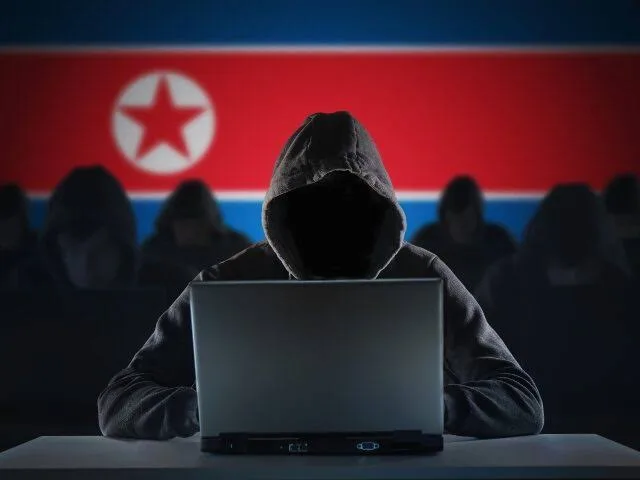
How fake IDs and remote jobs fuel the Kim Regime – North Korea’s secret IT workers:
North Korea is secretly sending thousands of IT workers abroad to earn money for its government, often using fake identities to get remote tech jobs with Western firms. This strange reality came to light when “Jin-su,” a former North Korean IT worker, was interviewed by BBC. He revealed he once juggled several IT jobs in the US and Europe at once, earning at least $5,000 a month. But almost all of his wages, up to 85%, had to be sent back home to North Korea. “We know it’s like robbery, but we just accept it as our fate,” Jin-su said. “It’s still much better than when we were in North Korea.” Experts estimate that these undercover IT workers are making North Korea between $250 million and $600 million every year. The scheme grew during the pandemic, as remote jobs became more common and harder to trace. North Korean workers manage everything from coding to customer support, often without ever showing their real faces. They get away with it by “borrowing” real identities from people in countries like Hungary, Turkey, and the UK, a trick that lets them look like normal job candidates on freelancing platforms. Some of these workers even get involved in fraud or hacking, stealing company data or demanding ransom. US authorities are worried. Last year, the US government indicted 14 North Koreans accused of stealing $88 million from American companies, and more were caught this year for working at US crypto startups with fake IDs. “We weren’t allowed to go out and had to stay indoors all the time,” Jin-su recalled of his time working in China for the regime. But he used the internet to watch Western media and eventually decided to escape, though he says most North Korean workers never consider defecting. The risks are just too high: if caught, they could be sent back home for harsh punishment, and their families might suffer too. Hiring managers around the world say they’re seeing more suspected North Korean applicants. Some have started doing video calls just to confirm who’s real. One US tech recruiter said, “It started out almost like a game, can you spot the North Korean? but it quickly became a real headache.” Today, even though Jin-su earns less than before, he can actually keep what he makes. “Now I work hard and earn the money I deserve” This secret network isn’t just about clever online scams, it is a big source of money supporting the North Korean government according to Jin-su, helping it dodge international sanctions, and raising serious cyber-security worries for companies everywhere.
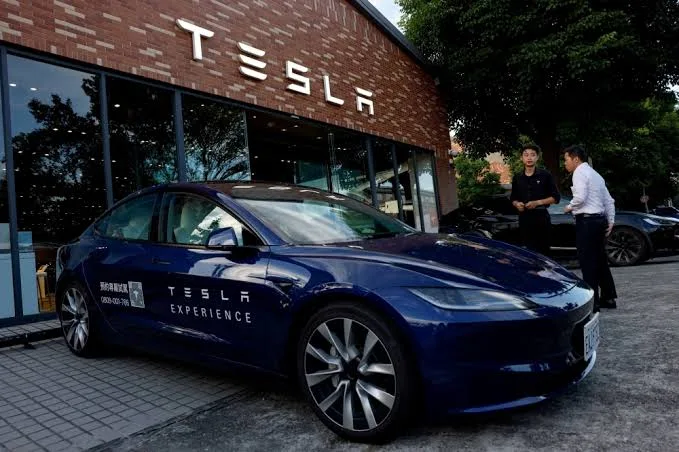
Jury Rules Tesla Partly Responsible for Deadly Autopilot Crash, Orders $243m Payout
A Florida jury has found Tesla partly to blame for a 2019 crash involving its Autopilot system that killed a young woman and severely injured another person. The jury stated that the tech giant,Tesla must pay up to $243m in damages to the victims’ families. The crash happened when a Tesla Model S, using its self-driving software, hit 22-year-old Naibel Benavides Leon at a T-junction in the Florida Keys. Her boyfriend, Dillon Angulo, survived but suffered life-changing injuries. Lawyers for the victims argued that Tesla’s Autopilot software should have warned the driver and stopped the car before the crash. However, Tesla insisted that the driver, George McGee, was at fault because he wasn’t paying attention and was looking for his phone when he approached the intersection. Tesla said McGee had his foot on the accelerator, which overrides Autopilot, and that no 2019 car could have stopped the crash. After a three-week trial, the jury awarded $329m, including $129m in compensatory damages and $200m in punitive damages meant to discourage dangerous behaviour by Tesla. The company is required to pay about one third of the compensatory amount and all of the punitive damages, though they expect that amount will be reduced. Tesla says the verdict “is wrong and only works to set back automotive safety and jeopardize Tesla’s and the entire industry’s efforts to develop and implement life-saving technology.” The company plans to appeal. This is the first case related to Tesla’s Autopilot to reach a jury verdict. In previous fatal Autopilot crashes, Tesla has settled with victims’ families before trial. Critics of Tesla’s self-driving technology say the company has misled the public and regulators. “Tesla is finally being held accountable for its defective designs and grossly negligent engineering practices,” said Missy Cummings, a professor of robotics at George Mason University.For now, Tesla faces strong legal suit and growing pressure over its safety record and slowing sales.

Australia bans YouTube accounts for children under 16 in major policy shift
Australia will ban children under 16 from having YouTube accounts, adding the platform to its growing list of age-restricted social media sites. The rule takes effect from December 10, 2025, and reverses the government’s previous decision to exempt YouTube from such restrictions. The new law means anyone under 16 will no longer be able to create a personal YouTube account in Australia. Young people will still be able to watch videos without logging in or through someone else’s account, but will not be allowed to upload, comment, or interact as account holders. Australian authorities say the move is designed to protect children from online harm. Communications Minister Anika Wells said, “The evidence cannot be ignored that four out of 10 Australian kids report that their most recent harm was on YouTube…We will not be intimidated by legal threats when this is a genuine fight for the wellbeing of Australian kids.” She compared the ban to teaching children to swim in a safe environment rather than throwing them into the ocean. Social media and tech companies will be required to close existing accounts of users under 16 and stop new ones from being created. If they fail to comply, they could face fines of up to 50 million Australian dollars (about ₦57 billion). YouTube, owned by Google, has pushed back against the policy. The company insists it is “not social media” but a video-sharing platform, and says it offers educational and positive content to young users. YouTube has pledged to “consider next steps and continue talks with the government.” The platform also highlights existing safety measures – like YouTube Kids, which will not be impacted by the ban. Australia’s new rule is attracting global attention. The Prime Minister says he will campaign for similar regulations at the UN, as other countries debate the impact of social media on children’s wellbeing. For now, Australia is set to become the first country forcing YouTube – and all major social media platforms – to lock out under-16s from personal accounts, as concerns over digital safety take centre stage.
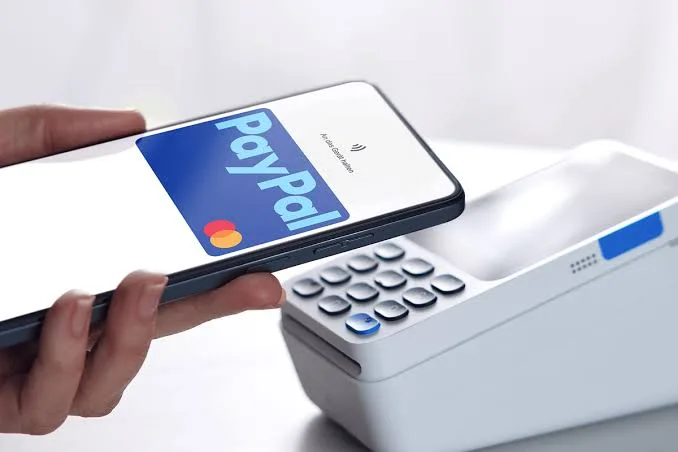
PayPal to let businesses accept over 100 cryptocurrencies at checkout
PayPal is taking a big step forward in the crypto world, announcing it will soon allow businesses to accept more than 100 cryptocurrencies when customers pay online. The new “Pay with Crypto” feature, set to launch in the next few weeks, lets buyers use digital assets like Bitcoin, Ethereum, Tether (USDT), and Circle’s USDC at checkout. Payments can be made from popular wallets, including Coinbase, OKX, Phantom, MetaMask, and Exodus. When a customer pays with crypto, PayPal will quickly convert the digital coins into cash or PayPal’s own PYUSD stablecoin for the seller. This new development is aimed at giving small businesses better access to a massive global crypto user base. Frank Keller, PayPal’s new general manager of enterprise and merchant platform, explained, “You have globally 650 million users that participate in the $3 trillion market of cryptocurrencies. We wanted to give small businesses access to this customer base that is growing.” With the high cost and slow process of traditional cross-border payments—often costing businesses over 10% in fees—PayPal’s system is offering near-instant settlement and a much lower 0.99% transaction fee. Businesses can also choose to keep their earnings in PYUSD, earning around 4% interest, making the option even more attractive. Keller added, “It’s still nascent, but it’s surprising how quickly it’s picking up. When PayPal turns it on, it creates trust.” PayPal says it wants to embed digital assets deep into its payment system and play a bigger role in mainstream adoption. “We want to show that we’re long-term invested in the crypto space. We want to play a bigger role, and for that to be successful, we need to really scale it to the next level,” Keller said. Crypto payments are quickly gaining ground worldwide. Businesses are waking up to benefits like lower fees, faster settlements, and access to global customers. While some companies already use processors such as BitPay and Coinbase Commerce, PayPal’s new feature could push crypto payments into the mainstream, especially for small and medium businesses.
OpenAI rolls out study mode in ChatGPT to help students learn smarter
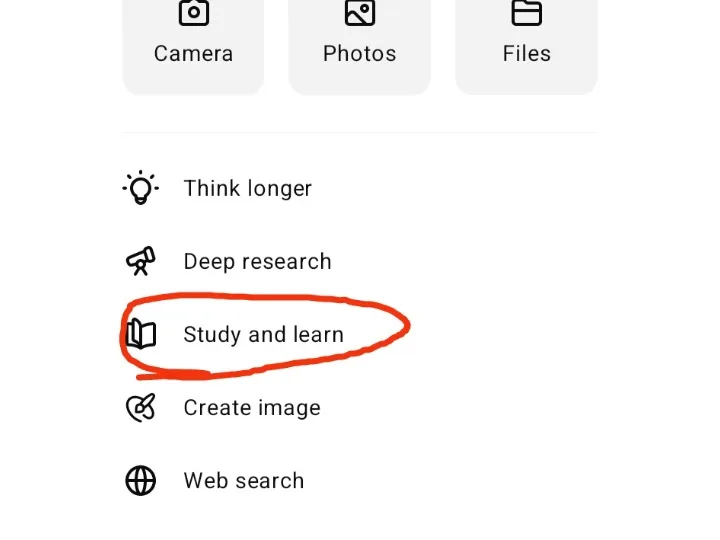
To tackle the problem of accumulating ‘cognitive debt’ from using AI, OpenAI has launched Study Mode in ChatGPT to help students think more deeply about questions and learn better, instead of just copying answers. The new ‘Study and Learn’ mode is now available for all ChatGPT users, including those on Free, Plus, Pro, and Team plans. OpenAI says the tool will reach ChatGPT Edu users in the coming weeks. This update comes after months of worries that AI is making it too easy for students to skip real learning by simply asking chatbots for answers. Unlike the usual ChatGPT experience, Study Mode guides students using prompts, hints, and questions that get them involved in the process. It won’t simply give the answer. Instead, it asks guiding questions, checks what the student already knows, and breaks big topics into smaller, easy-to-understand parts. The tool can also quiz students and give feedback as they go, aiming to build real understanding and critical thinking skills. OpenAI developed the study mode by teaming up with teachers, learning experts, and scientists. The system follows proven education methods, like active participation and Socratic questioning, to encourage deeper learning instead of shortcuts. “We’ve built study mode to help answer this question. It’s designed to engage students through guiding questions that match their skill level and learning goals, fostering curiosity and helping them build a deeper understanding of the subject matter,” OpenAI said in its announcement. Nigerian students can start using Study Mode today by choosing the “Study and learn” option in ChatGPT. They’ll get support not only for homework, but also for exam preparation and tough subjects. While students can still turn the mode off and get direct answers, OpenAI believes this feature is a strong step toward using AI as a learning partner, not just an answer machine. To activate Study Mode in ChatGPT, follow these simple steps: Features like Study Mode could shift the focus from just getting it done to actually learning. OpenAI says it will watch how people use the new tool and plans even more updates, including visual aids and more personalized support, after gathering more feedback from students and teachers.