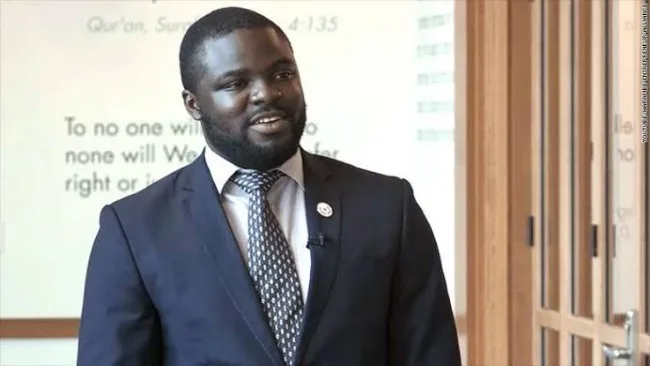
In a significant step toward operationalizing the Nigeria Startup Act, the National Information Technology Development Agency (NITDA) has appointed four prominent startup ecosystem leaders to the National Council for Digital Innovation and Entrepreneurship (NCDIE). The appointments, announced on October 5, 2025, aim to ensure that founders and innovators have a direct voice in shaping Nigeria’s startup policies and digital innovation landscape. The named representatives are Iyinoluwa Aboyeji, co-founder of Andela and Flutterwave and founding partner at Future Africa; Victoria Ojoagefu Manya, executive director of Advocacy for Policy and Innovation; Charles Uchenna Emembolu, founder of TechQuest; and Abba Ibrahim Gamawa, founder of Go Agent Limited. They were elected through the Startup Consultative Forum (SCF) and will serve two-year terms on the council, charged with contributing to policy formulation and monitoring the implementation of the Startup Act’s objectives. The Nigeria Startup Act, signed into law in October 2022, provides a legal and institutional framework to drive the growth of tech startups, promote investment, reduce regulatory burdens, and foster capacity building and innovation. The formation of the NCDIE and inclusion of startup leaders on the council mark critical milestones in bringing Nigeria’s fast-growing tech ecosystem into policy and regulatory alignment. According to NITDA, the council’s work will help guarantee that innovation efforts translate into meaningful social and economic impacts nationwide. “The four representatives will ensure that ecosystem voices are heard directly in national policymaking,” NITDA said. “This progress underlines the agency’s commitment to enhanced collaboration among government, private sector, academia, and stakeholders to build a brighter digital future.” The appointments come as the Office for Nigerian Digital Innovation (ONDI), under NITDA, reports progress on startup labelling – with 75 startups registered on the government portal – and the establishment of a $40 million Startup Investment Seed Fund to bridge funding gaps. The fund has secured $20 million from the Japan International Cooperation Agency (JICA), with the Nigeria Sovereign Investment Authority expected to match the remaining amount.

Airport drama: singer Portable demands government action against pranksters after Port Harcourt incident
Nigerian singer Habeeb Okikiola Badmus, popularly known as Portable, has called on the federal government to ban prank videos following a chaotic altercation at the Port Harcourt International Airport on Sunday, October 5, 2025. The incident, which quickly went viral, involved Portable and a group of individuals he described as “death pranksters” who staged a dangerous prank against him. The tense 53-second video circulating on social media shows Portable dressed in beige attempting to confront an unidentified person amid pushing, shoving, and restraint by security personnel. At one point, a man appears barefoot, while another wields what looks like a belt or whip, intensifying the chaotic scene. Airport security guards eventually pulled Portable toward a waiting vehicle, diffusing what could have escalated into a violent confrontation. In a video response posted on his Instagram page the following day, Portable alleged that he was targeted by “death pranksters” – pranksters who stage extreme, often life-threatening hoaxes for online content. He said, “Those people came to prank me. They were death pranksters. It almost turned to cultist level. Ten yellows no fit stand one blue,” blending English and Yoruba to emphasise the severity of the incident and his resilience. Portable claimed that these pranksters had been tarnishing his reputation for social media fame and warned that the situation was beginning to resemble a cult-related conflict. The “Zazu Zeh” crooner urged the government to put a stop to such dangerous pranks and fake news spread by bloggers on social media platforms. “Make government stop all those prankers and some fake bloggers. Make them stop all this fake news post just because of small fame. Why una dey spoil person wey get glory name with una platforms?” he appealed. Portable also revealed he had checked the TikTok account of one of the pranksters, which contained multiple prank videos, some involving fake deaths staged to elicit prolonged emotional responses. He described the prank team as consisting of six individuals, some of whom had placed a price tag on him following these viral episodes. This incident is the latest in a series of public controversies involving Portable, including previous legal issues and police attention. His demand for government intervention highlights rising concerns about the impact of reckless prank culture on public safety and personal reputations in Nigeria. For Nigerians and the broader African tech ecosystem, Portable’s call shines a light on the growing challenge of regulating online content, especially prank videos that blur the line between entertainment and harm. With social media platforms serving as primary content distributors, deliberate misinformation and dangerous stunts pose risks that national agencies must address to protect citizens and public order. As the debate on content regulation continues globally, Nigerian authorities face pressure to impose stricter controls on prank videos and online hoaxes that escalate into real-life dangers. Portable’s public outcry could be a catalyst for renewed focus on legal frameworks governing digital content and social media ethics in Nigeria.

How to check who owns a phone number in Nigeria (2025 guide)
I’m pretty sure you’re here because you want to know how to check who owns a phone number in Nigeria, whether it’s to avoid scammers, confirm a business contact, or just satisfy your curiosity. Unknown calls are now very common, and with the rise of fraud and spam in Nigeria, identifying the person behind a phone number has become more important than ever. Getting calls or messages from numbers you don’t know can be annoying, scary, or sometimes even exciting. But now there are simple and safe ways to trace or verify a phone number in Nigeria. From apps like Truecaller to using social media platforms, Google search, and even official help from network providers and the NCC, you can find out who is trying to reach you. This guide will walk you step by step through the best methods that actually work in 2025, so you can protect yourself, stay informed, and enjoy peace of mind whenever your phone rings. Why do people want to know who owns a phone number in Nigeria There are many reasons people want to trace a Nigerian phone number, and some of the most common include: In 2025, with Nigeria facing high cases of online fraud, this has become even more important. Recommended: Top 10 Telegram channels every Nigerian should join for free movies, data tips, and updates How to check who owns a phone number in Nigeria using Truecaller One of the most popular tools to trace Nigerian phone numbers is Truecaller. This mobile app has millions of Nigerian users, making it very effective for caller identification. Pros: Cons: Using Facebook and social media to trace Nigerian phone numbers Many Nigerians use their phone numbers to sign up on Facebook, WhatsApp, and Instagram. You can sometimes find the owner of a number through these steps: This is one of the fastest free methods to identify numbers in Nigeria. How to check who owns a phone number in Nigeria through NIMC and NCC In Nigeria, every phone number is officially linked to a National Identification Number (NIN) through SIM registration. The Nigerian Communications Commission (NCC) and mobile network providers like MTN, Glo, Airtel, and 9mobile require proper registration. While individuals cannot directly access NIMC databases for privacy reasons, you can: This method is not instant, but it is the most official and reliable way in Nigeria. How to use online reverse phone lookup services There are websites that offer reverse phone number lookup for Nigerian numbers. Examples include: You simply enter the Nigerian phone number, and the service searches its database. However, results can sometimes be limited for local Nigerian lines. Check who owns a phone number in Nigeria using Google search Sometimes, the simplest tool is Google. Just type the unknown number in the search box with quotation marks (“0803xxxxxxx”), and if the number has ever been used online, you may find: This works especially well if the number belongs to a company or scammer that others have reported online. Contacting mobile network providers directly If you feel the unknown number is threatening or suspicious, you can contact MTN, Airtel, Glo, or 9mobile customer care. They will not reveal personal details for privacy, but they may assist if you provide: In cases of fraud, they work with law enforcement to trace the owner. Mobile apps that help identify Nigerian phone numbers Apart from Truecaller, several apps can help you check who owns a phone number in Nigeria: These apps use large user databases to identify numbers, but accuracy may vary. Legal ways to trace a phone number in Nigeria In 2025, it is important to know the difference between legal and illegal methods. Legal ways include: Illegal methods like hacking or bribing telecom workers should be avoided, as they can land you in legal trouble. What not to do when checking who owns a phone number While trying to trace numbers, avoid: Always protect your privacy while searching. Future of phone number tracking in Nigeria (2025 and beyond) With Nigeria’s push for digital identity and the full linking of SIM cards to NIN, it is becoming easier for authorities to trace numbers. In the future: This means checking who owns a number in Nigeria will get faster and more accurate. Recommended: How to bypass “your device isn’t compatible” on Google Play Store in Nigeria FAQs on how to check who owns a phone number in Nigeria 1. Can I find the exact home address of a phone number owner? No, for privacy reasons you cannot access such details unless through law enforcement. 2. Is Truecaller 100% accurate in Nigeria? Not always, but it works for most common numbers. 3. Can I trace a Nigerian number for free? Yes, using WhatsApp, Facebook, or Google search. 4. Can the police track a scammer’s number? Yes, they can with help from mobile networks and the NCC. 5. Is it legal to use apps to check phone numbers? Yes, as long as they are verified and safe apps. Conclusion Knowing how to check who owns a phone number in Nigeria in 2025 is very important for safety, business, and peace of mind. From using free methods like WhatsApp, Facebook, and Google search, to apps like Truecaller and CallApp, and even official channels like NCC and mobile networks, there are many safe ways to identify unknown callers. While curiosity is normal, always stay on the legal side and protect your privacy. With technology improving in Nigeria, identifying unknown numbers will only get easier in the future. So next time you get a call from an unknown Nigerian number, you now know the simple steps to trace it safely.
Best Telegram channels for JAMB, WAEC & NECO exam prep materials
The best Telegram channels for JAMB, WAEC & NECO exam prep materials have become very important for students who want to succeed in these national exams. Today, exam preparation is no longer limited to just textbooks and classrooms. With Telegram, students can easily access past questions, study guides, practice tests, tutorials, and free resources that make studying faster and more effective. Many of these channels share updated exam tips, solved questions, and subject-specific notes that help students build confidence before sitting for JAMB, WAEC, or NECO. Parents and teachers also recommend Telegram because it gives students access to large libraries of learning content without spending money on extra books. So it doesnt matter if you are preparing for English, Mathematics, Biology, Government, or any other subject, you can find well-arranged study materials on these channels. This article will guide you through the top Telegram channels every student should join to boost exam success. Why use telegram channels for exam preparation? Before we list the best channels, let’s first understand why Telegram is good for exam preparation: Recommended Guide: 7 Best power banks in Nigeria with high charging speed (tested in 2025) Best Telegram channels for JAMB exam prep materials When it comes to preparing for JAMB, practice and understanding of past questions are very important. Below are some of the best Telegram channels that share JAMB resources: 1. JAMB prep hub This channel focuses mainly on JAMB past questions and answers. Students can download subjects like English, Mathematics, Physics, Chemistry, Government, and others. It also posts daily practice quizzes that help students test themselves. 2. My JAMB success channel This channel shares motivational tips along with study resources. It provides breakdowns of common JAMB topics and short notes that are easy to understand. They also organize free mock tests to help students prepare better. 3. JAMB past questions bank Here, students can get a wide collection of JAMB past questions, dating as far back as ten years. The questions are arranged by subject, making it easier to focus on weak areas. 4. Smart JAMB tutorials This is not just a past question channel. It also shares video tutorials that explain difficult topics like comprehension, graphs, or physics calculations. Visual learners will find this channel very useful. Best Telegram channels for WAEC exam prep materials WAEC is one of the most important exams for students in Nigeria and West Africa. Below are some reliable Telegram channels for WAEC preparation: 5. WAEC prep online This channel shares WAEC past questions, marking schemes, and solutions. Students can find resources for core subjects like Mathematics, English, Biology, and Economics. 6. WAEC brain builders This channel focuses on WAEC tutorials with solved answers. It also provides practice questions every week so students can prepare step by step. 7. WAEC past questions store As the name suggests, this channel is all about past questions. It has a wide archive of WAEC papers across science, arts, and commercial subjects. 8. WAEC exam tips hub Apart from past questions, this channel provides helpful exam strategies. It teaches students how to manage time during exams, how to answer theory questions, and how to avoid common mistakes. Best Telegram channels for NECO exam prep materials NECO is another major exam for secondary school students in Nigeria. Thankfully, many Telegram channels also provide NECO past questions and solutions. 9. NECO study zone This channel is fully dedicated to NECO. Students can get question banks, solved papers, and marking guides. 10. NECO smart learners This channel posts daily questions from NECO past exams to keep students active. It also shares motivational content to keep learners focused. 11. NECO past questions PDF hub Here, students can download NECO past questions for free. The channel is well-organized, and each subject has its own folder for easy access. 12. NECO practice online This is an interactive channel where students can take practice tests. It’s very useful for those who want to build speed and confidence before the real exam. General telegram channels for JAMB, WAEC, and NECO Some Telegram channels combine resources for all three exams. These channels are useful for students who are preparing for more than one exam at the same time. 13. Exam prep Nigeria This channel offers a mix of JAMB, WAEC, and NECO materials. It is especially useful for students who want everything in one place. 14. All exams hub As the name suggests, this channel provides study materials for different exams. It also includes scholarships and admission updates, which makes it a bonus for students. 15. Scholars Nigeria This channel not only shares study materials but also provides educational news, university cut-off marks, and school fee updates. 16. Student support library This is a general educational channel that shares resources for JAMB, WAEC, and NECO. It also posts motivational content to help students stay encouraged. How to join these telegram channels Joining these channels is very simple: Once you join, you can start downloading past questions, notes, and tutorials. Tips for using telegram for exam preparation While these channels are very helpful, students should use them wisely. Here are some tips: Recommended Guide: How to connect your phone to a TV without a cable (for Android and iPhone) Conclusion Finding the best Telegram channels for JAMB, WAEC, and NECO exam prep materials is a smart way to prepare for success. These channels make it easy to access past questions, marking schemes, study notes, and tutorials without spending money on books. Whether you are a student preparing for JAMB, writing WAEC for the first time, or sitting for NECO, Telegram provides free and reliable resources to help you. Success in exams comes from preparation and discipline. With the right materials from these channels, combined with a good study habit, every student can achieve great results. Parents can also guide their children by ensuring they join these helpful channels and stay focused. If you are preparing for JAMB, WAEC, or NECO, don’t waste time. Download Telegram today, join the best

Payaza redeems investors’ ₦20.3 billion debt, secures triple credit rating upgrades
Payaza, a leading Nigerian fintech, has fully repaid N20.3 billion ($13.5 million) of its commercial paper obligations ahead of schedule using internal cash flow, while securing triple credit rating upgrades from top agencies. This news marks a milestone in African fintech financial discipline and operational excellence. Payaza’s landmark achievement of redeeming N20.3 billion ($13.5 million) debt entirely from internally generated revenue challenges the common narrative that African fintechs rely on external funding. This sets a new standard for sustainable growth within the continent’s fintech ecosystem and reflects strong financial discipline amidst broader economic challenges. In conjunction with the debt redemption, paying off its commercial paper obligations ahead of schedule, Payaza secured triple investment-grade credit ratings – upgraded to an “A” long-term and “A1” short-term rating by Nigeria’s DataPro, a “BBB-” long-term and “A3” short-term rating from Global Credit Ratings (GCR), a Moody’s affiliate, and a solid “Bbb” rating with stable outlook from Africa’s largest rating agency, Agusto & Co. These ratings underscore broad international and local confidence in Payaza’s accountability, resilience, and capacity to meet obligations. Founded by Nigerian entrepreneur Seyi Ebenezer, Payaza has grown from a regional payments provider to a pan-African fintech infrastructure company operating in 21 countries. The company offers innovative payment collections, cross-border disbursements, and embedded finance APIs, benefiting SMEs, traditional merchants, and digital startups. For Nigeria and Africa at large, Payaza’s success demonstrates that indigenous fintech companies can achieve global standards of governance, financial sustainability, and operational discipline.
OpenAI and Jony Ive face technical challenges on secretive ‘screenless AI device’, launch delay likely
OpenAI and renowned designer Jony Ive are encountering big engineering and design hurdles in developing a groundbreaking screenless AI device, potentially delaying its planned launch beyond 2026. The device is described as a palm-sized, continuously listening assistant that understands audio and visual environmental cues without a traditional screen. The collaboration between OpenAI and Ive’s startup, acquired for $6.5 billion in May 2025, seeks to create a new generation of AI-powered computers. This pioneering gadget is designed to operate via cameras, microphones, and speakers, responding intuitively and building contextual memory over time. However, technical issues around software behavior, device “personality,” privacy safeguards, and backend computing capacity have proved unexpectedly complex. The key challenges include defining when and how the device should speak or interrupt users and ensuring privacy with continuous audio-visual sensing. OpenAI is also grappling with how to distribute the massive computing power required to serve millions of always-on devices without compromising performance or cost. Sources familiar with the project told the Financial Times and other outlets that OpenAI’s aim is to design a device that feels more like a “friend-like computer” rather than a quirky AI, setting it apart from existing assistants like Amazon’s Alexa, which require wake words for activation. The device’s continuous listening capability raises privacy concerns, as constant ambient sensing can be intrusive if not handled properly. Moreover, OpenAI faces budget and infrastructure constraints to support the immense data processing for the AI’s real-time contextual awareness, unlike tech giants Amazon and Google which have vast computing resources. This innovation is set to be carried or placed nearby rather than worn, differing from recent AI gadgets like the Humane AI Pin. The original plan targeted a late 2026 release, but sources suggest delays could push this timeline further due to unresolved critical issues.