
The Ogun State Government has announced the construction of a ₦1 billion Artificial Intelligence (AI)-powered digital classroom complex at Remo Secondary School (RSS) in Sagamu. Governor Dapo Abiodun made the announcement of the project in the early hours of Monday, February 9, during the 80th anniversary celebration of the institution, to modernize the educational infrastructure of the state.According to the Governor, Remo Secondary School, is a heritage institution, and one of the designated flagship schools of the state. The state aims to integrate advanced technology into the secondary school curriculum, by equipping students from the global knowledge-based economy.The government has allocated N1 billion for a 900-seater digital classroom complex, which includes an ultra-modern resource center and a fully equipped robotics laboratory.Governor Abiodun pledged an additional ₦100 million to the institution, with an initial ₦50 million installment scheduled for release next week. “We are not just celebrating a school; we are celebrating a living institution… This ultra-modern facility is a major investment aimed at equipping students for the demands of the 21st-century knowledge economy. I will ensure that before I leave the office, we begin and complete at least one of the projects mentioned” – Governor Abiodun The state plans to integrate these AI-powered environments into the “OgunLearn” digital platform in future to standardize technology-driven instruction across other flagship schools.

NCC, NDPC seal data pact to shield 180m subscribers privacy
The Nigerian Communications Commission (NCC) and the Nigeria Data Protection Commission (NDPC) have entered an agreement to enhance data privacy and protection within the telecommunications sector. The two agencies on Thursday, signed a Memorandum of Understanding (MoU) at the NCC headquarters in Abuja, to establish a collaborative framework for the digital economy of the country.The collaboration aims to synchronize the enforcement of the Nigeria Data Protection Act (NDPA) 2023, for transparency, with full consent of users and a 72-hour notification requirement for data breaches.The MoU creates an organized framework to align the mandates of the NCC and NDPC, to prevent jurisdictional overlaps in order to strengthen the enforcement of privacy rights across mobile networks.The framework is envisioned to impact nearly 180 million subscribers, addressing issues like unauthorized data monetization and the lack of transparency in personal data processing.Dr. Aminu Maida, Executive Vice Chairman/CEO of the NCC, stressed the importance of data governance in the digital economy of nature NIgeria. He stated that; “The future is data. If we do not get the principles of how we govern it right, even our national sovereignty could be undermined” This partnership is designed to foster innovation and digital trust without creating a bureaucratic bottleneck for mobile network operators.
Nigerian fintechs slash digital fraud by 51% with AI – CBN Reveals
Digital payment fraud losses in Nigeria have reduced drastically to 51% in recent years, due to AI adoption among fintech firms, according to the Central Bank of Nigeria’s (CBN) inaugural fintech ecosystem report. The survey revealed that approximately 87.5% of fintech firms are deploying AI primarily for fraud detection, which has so far secured the processing of 11 billion transactions against sophisticated threats. These threats include account takeovers via dark web credentials, synthetic identities blending real IDs with fake data, money laundering through micro-transactions, and cross-border rings exploiting the reputation of Nigeria often orchestrated by foreign actors in Europe, Asia, or North America.Nigerian fintechs are not just innovating, they’re surviving through AI, through real-time transaction analysis, behavioral flagging, and cross-platform intelligence sharing. This measure has minimized successful fraud despite multiple attempts, by operating invisibly in server rooms to block thousands of attacks without customer awareness.Meanwhile, exactly 37.5% of firms acknowledged the lack of AI/ML specialists trained in financial fraud, forcing on-the-job learning amid live threats. The same percent raised concerns about the unclear rules on AI in credit decisions, data collection, liability for false positives, and bias risks.Fintechs seek collaboration, not deregulation. Half want high-quality data infrastructure. 25% desire peer knowledge-sharing, while 75% prioritize ethical AI for transparent credit/risk decisions and inclusive access, with 62.5% eager for CBN regulatory sandboxes to test AI pilots.CBN Governor Olayemi Cardoso has previously led such partnerships, during the Nigeria Fintech Week where officials assured innovators that verification compliance is not an obstacle.The fintech sector is still plagued by what is called “scam” stigma, while battling with invisible wars which include defending the sector against non-Nigerian schemes.
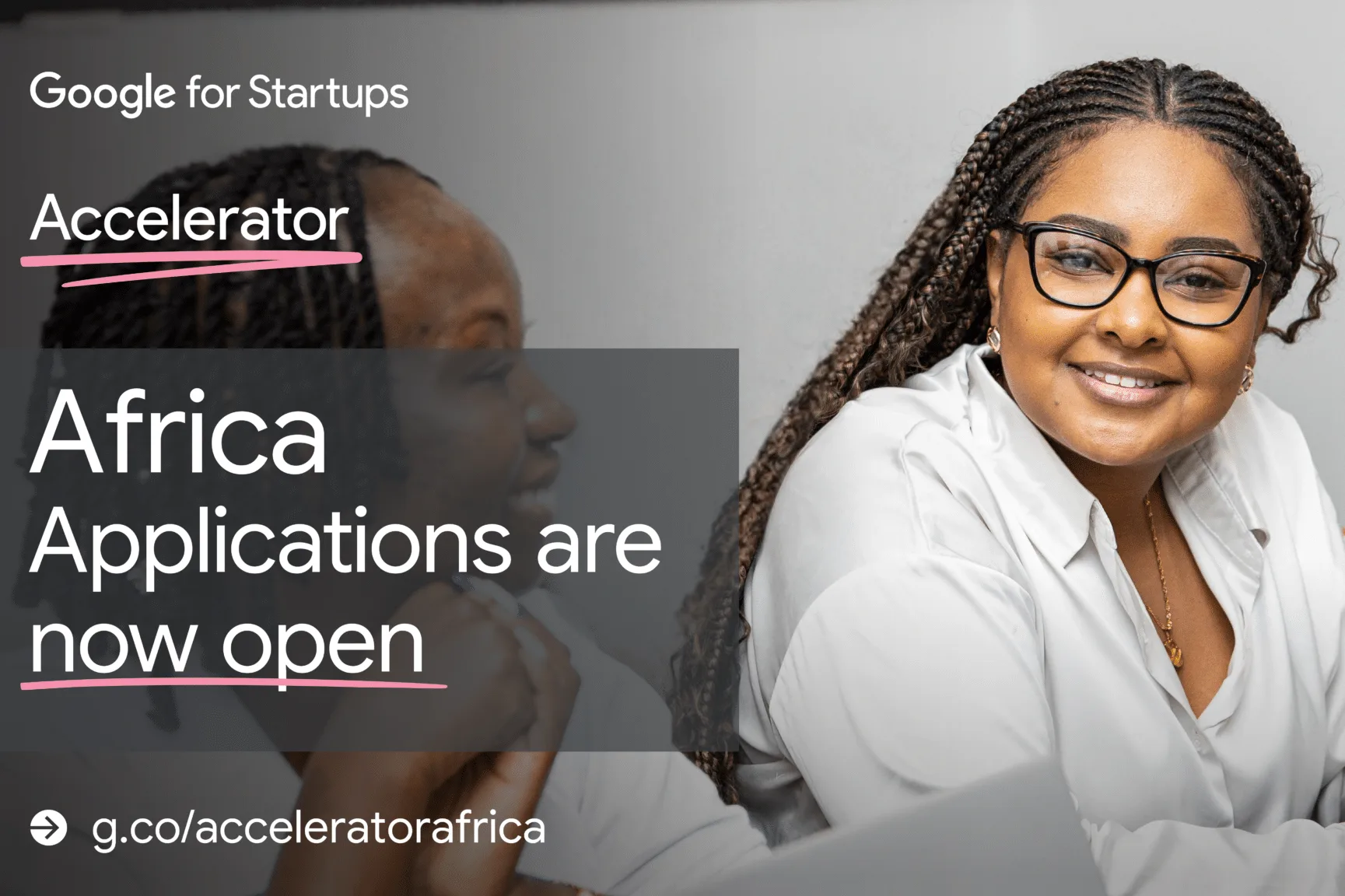
Google launches 10th AI accelerator for Africa
Google has launched applications for the 10th cohort of its Google for Startups Accelerator Africa program, providing artificial intelligence solutions for the challenges faced by African startups.The program so far has empowered over 180 companies across 17 countries, by enabling them to secure more than $350 million in funding and generate over 3,700 jobs.Applications opened yesterday February 5, 2026, and will close on March 18, 2026. The 12-week hybrid program will commence in April, targeting growth-stage (Seed to Series A) startups using AI in sectors like health, climate, and agriculture, offering equity-free support, Google Cloud credits, mentorship, and technical expertise. “We want to help founders turn their startups into research labs for the continent, places where real scientific breakthroughs happen” – Folarin Aiyegbusi, Google’s Head of Startup Ecosystem for Africa Interested startups are advised to apply via g.co/acceleratorafrica. Selected participants will be backed with investor networks to advance scalable solutions.
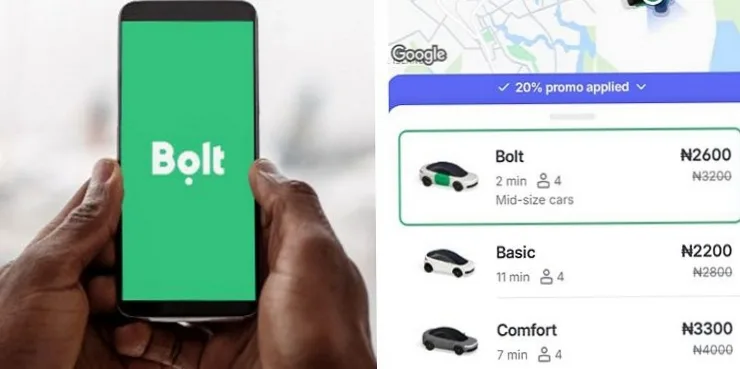
Bolt drivers in Benin City reject new “wait and save” discount category
Bolt has launched a new “Wait and Save” ride category in several markets in Nigeria, which has triggered pushback from e-hailing drivers. The Amalgamated Union of App-based Transporters of Nigeria (AUATON) has denounced the move, claiming the lower fare structure is unsustainable due to the current economic volatility of the country.The introduction of “Wait and Save” was launched after a decision was finalized by Bolt to increase its commission from 20% to 21% in Benin City and raise rider booking fees by 2.9%.Drivers under the AUATON union argued that the actual earnings per trip failed to cover rising operational costs. According to AUATON representatives, drivers may earn as little as ₦14,000 after a full day of “Wait and Save” trips, an amount they claim is insufficient to cover fuel, maintenance, and data costs.The Edo State Chairman of AUATON, Comrade Russell Eghaghe, stated that drivers were not consulted before the policy rollout; “This earning model is clearly unsustainable. If drivers are truly partners, they must be included in policy formulation and fare-structure decisions” The Edo State Chapter of AUATON has advised its members to avoid the “Wait and Save” category. The union is calling for an urgent constructive dialogue with Bolt to review fare structures and driver welfare policies. Meanwhile, Bolt stated that the feature is designed to reduce idle time by using back-to-back (B2B) matching, which connects drivers to their next passenger before completing a current trip. “B2B matching eliminates idle time for drivers, keeping earnings per hour strong despite lower fares. The orders under the option are completely optional, and drivers are not obliged to accept such orders” Bolt spokesperson clarified that the category is city-specific and intended to keep drivers active throughout their shifts.
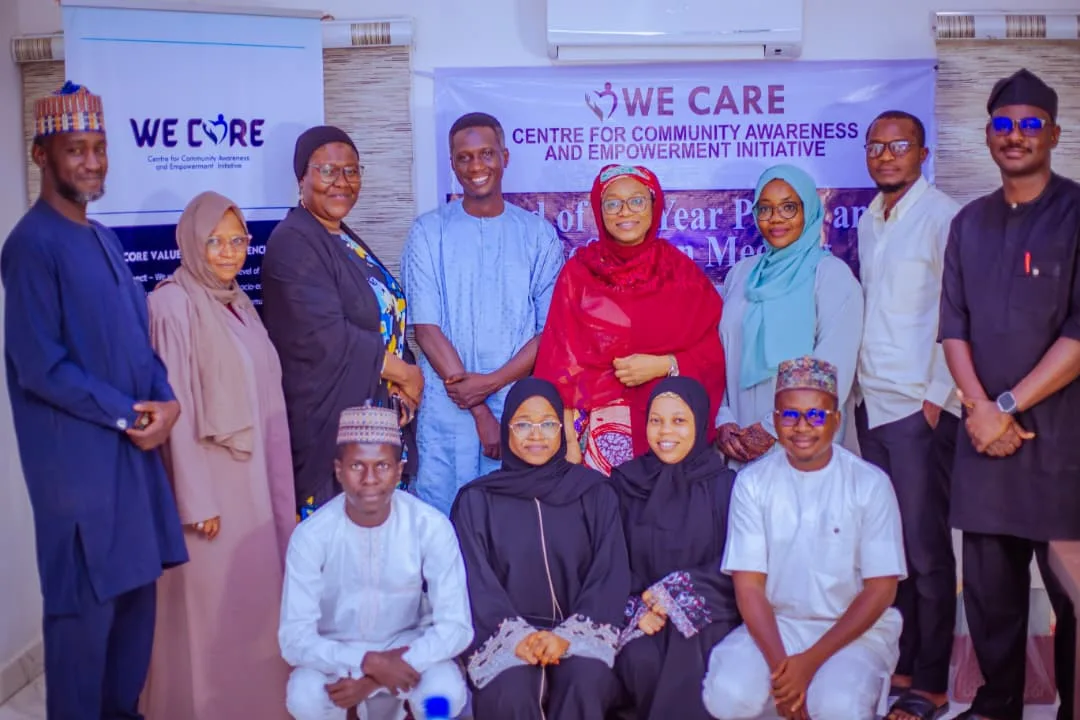
WeCare partners Tesala Africa and Cohortle to strengthen WLIMP leadership programme
The WeCare Centre for Community Awareness and Empowerment Initiative has announced strategic collaborations with Tesala Africa and Cohortle to support the delivery of its flagship WeCare Leadership & Impact Mentorship Program (WLIMP). WLIMP is a youth-focused leadership and employability programme targeted at undergraduates and early-career graduates in Nigeria. The Programme will run over an 8–10-week period, delivered through structured engagements focused on workplace readiness, career development, and practical employability skills. Core components include expert-led masterclasses, mentorship sessions, career development clinics, capstone project development, and leadership modules, all fully integrated into the WLIMP curriculum. Under this collaboration, Tesala Africa will deliver three masterclass sessions under the employability component, in addition to expert-led mentorship sessions designed to deepen participant engagement, strengthen career readiness, and support the practical application of skills acquired throughout the Programme. To support programme coordination and delivery, Cohortle, a cohort-based learning and mentorship platform, will provide the digital infrastructure for WLIMP. The platform will be used to organise learning modules, host programme resources, support mentorship sessions, manage assignments, and track participant engagement throughout the programme. Speaking on the collaboration, Dr. Jamila Mohammed Dahiru, Founder and Executive Director of WeCare Centre for Community Awareness and Empowerment Initiative, explained that the partnerships are strategically positioned to strengthen programme delivery, safeguard quality, and ensure scalability as the initiative expands. “The WeCare Leadership and Impact Mentorship Programme (WLIMP) is designed to move beyond inspiration to measurable outcomes by providing young people with structured learning pathways, targeted mentorship, and access to practical opportunities. Our collaboration with Tesala Africa and Cohortle strengthens technical delivery, enhances coordination, and reinforces an outcome-driven implementation framework, ensuring efficiency, accountability, and sustained impact as the programme scales,” she said. From the technology perspective, Muhammad Sal, Founder of Cohortle, noted that many leadership and mentorship programmes struggle with organisation as they scale. “Non-formal education programmes do a very important work, but they often rely on scattered tools that make coordination difficult. Cohortle exists to provide structure so organisers can focus on impact rather than logistics,” he said. The collaboration will also support mentorship engagement and post-programme alumni continuity – enabling participants to remain connected to learning resources and opportunities beyond the mentorship cycle. Programme delivery is expected to commence this Friday, 6 February, following the signing of a Memorandum of Understanding in January, with a joint announcement published across all the partners’ official social media channels. WLIMP continues to position itself as a leadership and employability pipeline for young Nigerians interested in governance, innovation, entrepreneurship, advocacy, and community development.