
Abu Dhabi-based Space42 is making moves to broaden its presence across Africa, aiming to compete with Elon Musk’s Starlink service, which currently holds a strong foothold in Nigeria and 17 other countries. The company is engaging with key partners and preparing to deploy more satellites to boost internet connectivity on the continent. Space42, supported by Mubadala, Abu Dhabi’s sovereign wealth fund, is in preliminary negotiations with several influential organizations including the African Union Development Agency, Microsoft, Esri, and several financial backers. These talks seek to enhance Space42’s footprint throughout Africa’s diverse markets, according to CEO Hasan Al Hosani. Without setting a definitive fundraising goal, Space42 has already established a physical presence in select countries such as South Africa and Zimbabwe. Their early efforts involve linking schools and health clinics to the internet, bridging the digital divide in underserved areas. While Starlink dominates the African satellite internet landscape with over 8,000 low-earth orbit satellites worldwide, Space42 is rapidly closing the gap. The Emirati firm currently operates eight satellites but plans to launch three additional ones later this year. Collaborations with tech giants Microsoft and Esri focus on developing advanced mapping tools aimed at enhancing digital infrastructure across the region. There’s extensive groundwork that must take place locally in each country. Identifying partners, both governmental and private, is a key part of our approach to ensure our services integrate well with local needs. Africa’s young and rapidly expanding population creates a unique opportunity for satellite connectivity providers. Still, regulatory diversity requires tailored strategies for each nation – Hasan Al Hosani, CEO Africa’s strong demographic growth and the rising demand for internet access make the continent highly appealing to satellite internet providers. However, navigating the complex and varying regulatory landscapes across Africa’s 54 nations remains a challenge. Nigeria, where Starlink secured regulatory approval in 2022, is shaping up to be a critical market for Space42’s expansion. Millions of people living in remote and rural regions are eagerly waiting for reliable connectivity options, placing satellite services as a preferable alternative to traditional internet providers that struggle with last-mile delivery. As of the first quarter of 2025, Starlink had grown to become Nigeria’s second-largest internet service provider by subscriber numbers. Data from the Nigerian Communications Commission indicates that Starlink had 59,509 users in Q1 2025, down slightly from its peak of 65,564 in Q3 2024, but still ahead of most competitors. Despite its premium pricing, Starlink maintains popularity thanks to its quality and extensive coverage, outpacing over 200 other ISPs including Spectranet, the country’s pioneer 4G provider. Space42’s planned ventures into Africa is a bold attempt to disrupt the satellite internet market and extend digital access to regions where terrestrial networks remain scarce.

Fresh tech graduates face tough job market as AI takes over coding tasks
Many computer science graduates are finding it increasingly difficult to land their first jobs. Despite graduating with promising degrees, entry-level tech roles are vanishing as companies turn to artificial intelligence (AI) tools to handle coding and other tasks once done by junior engineers. In 2025, AI automation is reshaping the tech job market worldwide, including Nigeria. Companies are using AI platforms to automate simpler coding functions, reducing the demand for new graduates to gain on-the-job experience. Research shows a sharp 50% decline in entry-level tech job postings since 2019. Many junior roles now require two or more years of experience, which creates a frustrating catch-22 for fresh graduates. Graduates like Eddie Hart and Colin (pseudonym) who studied computer science recently have faced long application processes dominated by AI screening, multiple testing stages, and virtual interviews with little human interaction. This reliance on AI in hiring often leaves promising candidates rejected without human review, adding to their discouragement. Experts warn the situation threatens the future talent pipeline. Paul Dix, CTO of database firm InfluxData, says if companies stop hiring young developers now, in time the sector will face a shortage of senior engineers as well. Meanwhile, some see a silver lining, newer graduates are often more familiar with AI tools, giving them a strong edge in the evolving tech landscape. Industry research also finds that while developers increasingly use AI daily, they remain cautious about fully trusting its outputs. The tech community anticipates a time when human creativity and AI collaboration will drive new solutions and job creation again. For now, the job market for computer science graduates is challenging, with some pivoting to careers outside tech. However, as AI reshapes roles, many believe demand for skilled developers will revive, making the current downturn a rough but temporary phase. This ongoing transition stresses the need for fresh grads to build AI literacy alongside traditional skills and for companies to find balanced hiring approaches that invest in young talent as technology advances.

FCCPC’s new interest rate rules shake up Nigeria’s digital lending market
The Federal Competition and Consumer Protection Commission (FCCPC) has introduced new regulations to monitor interest rates charged by digital lenders, raising concern among Nigeria’s loan app companies. The latest rules come after widespread complaints from Nigerians about excessive interest rates on loans from digital platforms. The FCCPC’s Digital, Electronic, Online, or Non-Traditional Consumer Lending Regulations, 2025, now require regular review of lending rates to prevent exploitation. The Commission shall periodically monitor interest rates for consumer lending and ensure they do not harm consumer interests – FCCPC However, digital lenders argue this approach overlooks the high risks and costs involved in their business. Gbemi Adelekan, President of the Money Lenders Association, said that interest rates reflect the cost of funds and the risky nature of lending to many Nigerians who lack steady income. He expressed concern that fixed rates without considering these factors could disrupt digital lending’s growth. Some borrowers have also voiced frustration. A notable case showed a customer offered N2.5 million but required to repay over N6 million within two years, an annual interest rate close to 200%. Adelekan did praise parts of the new rules that protect customers, such as banning apps from accessing users’ personal data like contact lists and pictures. This, he said, would reduce harassment and encourage better compliance through credit bureaus. The CEO of Lendsqr, Adedeji Olowe, welcomed the change, saying it shows that digital lending is now part of Nigeria’s formal financial system and will be regulated accordingly. These regulations build on the 2022 framework that made digital lenders register with the FCCPC. Currently, over 400 loan apps are registered, but issues like borrower harassment remain common. The new rules also introduce fines of up to N50 million for individuals and N100 million for companies breaking the law. The FCCPC appears set to clamp down harder on unethical practices while digital lenders seek a balance between fair pricing and sustainability in a challenging market.
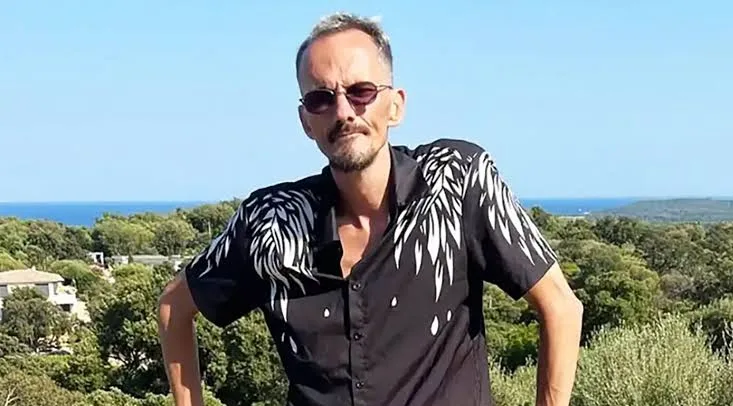
No signs of physical harm in autopsy of popular streamer found dead in Contes
An autopsy report on Raphaël Graven, the French live streamer known as Jean Pormanove, has revealed that his passing was not a result of physical trauma, according to authorities involved in the investigation. Mr. Graven, who broadcasted on the platform Kick, was discovered deceased on Monday inside a home located in Contes, a village north of Nice. The circumstances surrounding his death have prompted a judicial probe. Government official Clara Chappaz called the events “an utter tragedy”, emphasizing the gravity of the situation and the need for thorough inquiry. However, Prosecutor Damien Martinelli clarified on Thursday that the medical examiners found no evidence to support the idea that Mr. Graven’s death involved any external injury or interference. The forensic analysis indicated an absence of injuries or burns, with only minor bruises and older wounds noted. Instead, preliminary findings point toward medical or toxicological factors as the possible reasons behind the streamer’s death. Mr. Martinelli explained that additional examinations will be conducted to investigate further. Reports have mentioned that Graven might have endured a heart condition, alongside ongoing treatment for thyroid issues. A representative from Kick confirmed that the platform is conducting a swift and thorough review of the circumstances tied to Mr. Graven’s final moments. Local news outlets have mentioned that the 46-year-old streamer faced episodes of violence and severe sleep deprivation during his online broadcasts, and it is believed he passed away in his sleep while streaming live. Authorities interviewed several individuals present when the incident happened. Equipment and recordings have been seized as part of efforts to determine what preceded his death and what factors may have contributed. This investigation continues to unfold in France as officials seek to bring clarity to the tragic event.

How Ruth Kadiri is changing Nollywood with YouTube and digital storytelling
At the GLG Communications’ World PR Day Soirée & PR Power List Awards held recently in Lagos, Nollywood’s digital transformation took center stage. Ruth Kadiri, CEO of Ruth Kadiri Productions, captured attention by sharing her journey of pioneering digital-first film-making in Nigeria. Kadiri’s YouTube channel has amassed over 436 million views and 3 million subscribers, proving that Nollywood can thrive beyond traditional cinema distribution. Speaking to an engaged audience at Alliance Française in Ikoyi, she explained why she chose to focus on digital platforms when most filmmakers stuck to old models. I wanted to be different. I don’t like moving with the crowd because I feel like I can’t compete…instead of turning one movie into 20, why not just create something good? She also stressed how the industry often divides into “the upper class and the nobodies”, with little middle ground. Despite initial doubts about YouTube, which many considered mainly a music platform, she believed in its potential for filmmakers. Kadiri’s approach wasn’t without risks. She faced challenges like finding the right team and managing production costs while ensuring a return on investment. But her willingness to embrace data analytics on YouTube helped shape her content strategy. Her breakthrough came when she tapped into the French-speaking market, showing how digital platforms can connect Nigerian stories to new international audiences. Kadiri stressed balancing local culture with universal themes like love and relationships to reach wider viewers. Adetutu Laditan, moderator and Founder of Woof Studios Africa, praised Kadiri’s innovative mindset. Laditan, with over a decade at Google and YouTube, called Nollywood’s future “progressive”, which shows the optimism for ongoing digital growth and creativity.

Three US-based Nigerians sentenced over $520,910 COVID-19 fraud
Three Nigerian men living in the United States have been sentenced to prison for their role in a COVID-19 unemployment benefits fraud scheme that stole over half a million dollars. According to the US Department of Justice, Kamaldeen Karaole, Stephen Olamigoke, and Johnson Omodusonu were involved in stealing $520,910 by using stolen information to claim unemployment benefits on debit cards that belonged to other people. The scam took place in 2020 during the height of the pandemic. The trio, aged in their early twenties, worked with others outside the US to file false claims using 168 Unemployment Insurance debit cards. They then withdrew cash from ATMs, especially in Indianapolis, often making multiple withdrawals in a short time. In total, they made 529 withdrawals across several states including California, Arizona, and Nevada. Court documents showed that none of the cards were theirs. They all belonged to real individuals whose personal information was stolen. The men faced charges including conspiracy and aggravated identity theft. Karaole, 24, pleaded guilty to several charges and was sentenced to four years and three months in prison, plus two years of supervised release. Olamigoke, 23, received two and a half years in prison and two years supervised release. Omodusonu, 24, was sentenced to two years in prison with two years supervised release. They were each ordered to repay the full amount stolen. Olamigoke also agreed to be deported to Nigeria after completing his sentence. Authorities are expected to pursue others involved both in the US and abroad, as investigations continue. Recovering stolen funds and preventing future scams remain priorities.