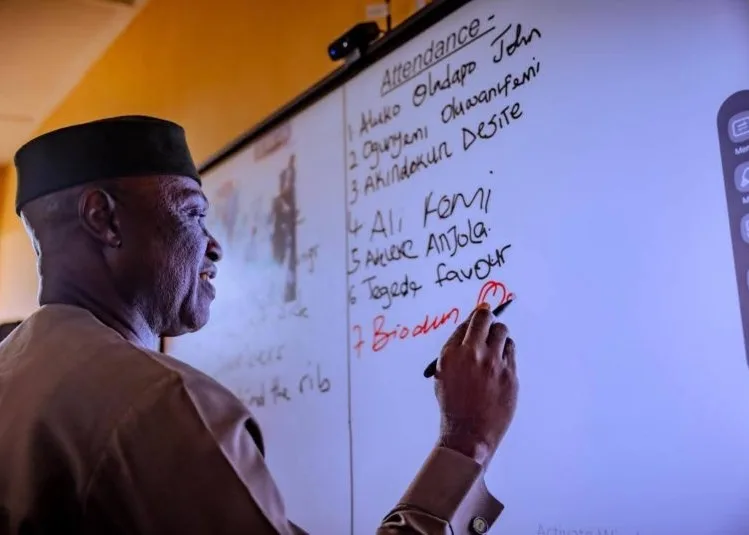
Ekiti State is thriving to be a major hub for artificial intelligence (AI) and digital innovation in Nigeria, leveraging high literacy, government support, and homegrown tech talent to build a future-ready knowledge economy. Despite being one of Nigeria’s smaller states by size, Ekiti boasts the third-highest literacy rate in the country at 95.7%, a foundation that state leaders are keen to build on. With a renewed ICT policy focused on AI, the state aims to ensure its youth are equipped for the digital economy, including creating an AI model tailored for the Ekiti dialect, preserving local culture and language. The government has prioritized infrastructure upgrades, including expanding fibre-optic networks connecting government offices, universities, and schools, and pushing digital transformation such as paperless government operations. Yet, challenges remain with limited local connectivity and the need for more experienced AI developers. Local tech hubs like KinPlus, McKodev Tech Lab, and PurpleBee Technologies are key partners in this transformation. They provide hands-on training and develop AI tools like PurpleBee’s AI-powered school result management system currently used in 20 public schools. These hubs focus on “Afrocentric” tech solutions tailored to Nigeria’s unique context. Education reform starts young, with robotics and AI programs introduced from age seven, aiming to make Ekiti’s children globally competitive. The state also recognizes the need for ongoing teacher training to keep pace with emerging technologies. As Ekiti’s former Innovation Commissioner Seun Fakuade put it, AI is a powerful force shaping the future, and Ekiti is determined to not just participate, but lead, building a digital economy that reflects local strength and global potential.The journey is ongoing, but the foundation is strong and the vision clear.

Nigerian businesses urged to use bug bounty programs to boost cybersecurity
Nigerian tech expert David Efemena Ominiabohs has called on businesses across the country to adopt bug bounty programs as a key step in protecting their digital systems from cyberattacks. Speaking at the Apex Tech Summit in Lagos, Ominiabohs, Chief Technology Officer of Apex Web Network, stressed that companies should prioritize cybersecurity beginning at the product design stage, rather than waiting until after launching products. He said bug bounty programs, which invite ethical hackers to find and report security weaknesses, are not yet widely practiced in Nigeria but are essential to stop attacks before they happen. “Bug bounty programs allow local hackers to test your platform and report flaws immediately. This proactive approach helps companies fix vulnerabilities before malicious actors can exploit them” – Ominiaboh Ominiabohs also warned that ignoring cybersecurity could damage a company’s reputation, especially if data breaches become public. He emphasized internal vigilance and recommended regular phishing attack simulations to keep employees alert. Another important measure he stated is the need for Nigerian businesses to store data in local data centers rather than abroad to reduce risks of leaks and build trust. He advised startups to focus on understanding and building their products for their local markets first before expanding, noting that compliance requirements in African countries can be strict but manageable with time.

UBA Foundation extends helping hands to vulnerable communities in Lagos
UBA Foundation, the Corporate Social Responsibility arm of the United Bank for Africa (UBA), has extended a helping hand to vulnerable groups in Lagos through a recent charity outreach. The Foundation visited So-Said Charity Homes Community and SOS Children’s Village, supplying essential food items like rice and beans to the elderly, children, and others in need. Alero Ladipo, UBA’s Group Head of Marketing and Corporate Communications, said the initiative shows the Foundation’s commitment to giving back to communities and supporting those who need it most. “The elderly and children are some of the most vulnerable in society, and it’s our duty to support them. This outreach reflects our dedication to corporate social responsibility and sustainable development”- Alero The outreach was warmly received. Mrs. Felicia Martins, CEO of So-Said Charity Homes Community, thanked the Foundation for their generosity, saying the donations would provide much-needed relief. Ayodeji Adelopo, Programme Director at SOS Children’s Village, also praised the support and expressed hope for continued collaboration. UBA Foundation’s Managing Director, Bola Atta, reaffirmed the bank’s focus on making a positive impact through various social programs including education and empowerment. The Foundation is known for its philanthropic work across Africa, helping improve lives through scholarships, healthcare support, and poverty relief.
Wikipedia loses legal battle against UK Online Safety Act rules
Wikipedia has lost its challenge against the UK’s Online Safety Act, a law that could require user identity verification on the platform, raising concerns about volunteer privacy and site operations. The Wikimedia Foundation, which supports Wikipedia, took the UK government to court in an attempt to stop regulations that could put Wikipedia in the strictest category under the Act. This category demands platforms verify user identities, a move the Foundation says would undermine the open-editing model that allows anyone to contribute anonymously. It warned that forced identity checks might either reveal editors unwillingly or limit access for UK users by about 75%. However, the High Court ruled against the Foundation, stating Wikipedia could still operate without undue harm under the new rules. The court emphasized the responsibility of the UK regulator Ofcom and the government to protect Wikipedia’s operations and its volunteers’ rights during enforcement. Phil Bradley-Schmieg, Lead Counsel for Wikimedia, clarified that the judgment does not give the government or Ofcom a “green light” to impose rules that would heavily disrupt Wikipedia’s work. He noted that further legal challenges are possible if Ofcom classifies Wikipedia under the strictest category or imposes rules that threaten its functioning. Ofcom, the communications regulator in charge of online safety enforcement, also acknowledged the ruling and said it would continue its work on categorizing online services under the Act. This ruling is significant because Wikipedia, as a global, non-profit knowledge resource, relies on volunteer editors working anonymously or pseudonymously to maintain its breadth and reliability.

Elon Musk accuses Apple of favoring OpenAI on App Store, threatens legal action
Elon Musk has accused Apple of giving special treatment to OpenAI on its App Store, claiming the iPhone maker’s ranking system unfairly blocks other AI apps, including his own, from reaching the top spot. Musk, who owns the X social network and the Grok AI chatbot, said Apple’s behaviour is “playing politics” and amounts to an antitrust violation. In a post on Tuesday, he vowed that his AI company, xAI Holdings, would take immediate legal action against Apple. OpenAI’s ChatGPT app currently holds the No. 1 spot among free iPhone apps in the US, while Musk’s Grok sits at No. 5. This ranking has fueled Musk’s claim that Apple is preventing fair competition in the global app discovery space. The dispute adds to Musk’s long-standing feud with OpenAI CEO Sam Altman. Altman dismissed Musk’s allegations and criticized Musk for allegedly manipulating the X platform for his own advantage. He said OpenAI remains focused on building great products. At Apple’s 2025 Worldwide Developers Conference in June, the company announced a stronger partnership with OpenAI alongside new AI features for its apps and devices. These include live translation in Messages, Phone, and FaceTime, and improved visual intelligence that analyzes images and text on iPhones. Apple’s deeper involvement with AI and OpenAI comes amid growing pressure to update Siri and stay competitive in the AI race. This clash marks Musk’s most high-profile confrontation involving AI and Big Tech since his public spat with former US President Donald Trump earlier this year.
AltSchool CEO warns Nigerian students against studying outdated courses in universities
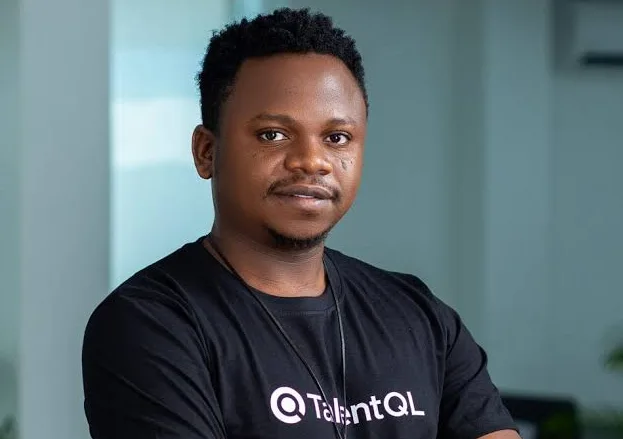
At the recent Apex Tech Summit in Lagos, Adewale Yusuf, CEO and Co-Founder of AltSchool Africa, raised concerns about many Nigerian university courses being irrelevant to today’s job market. Yusuf explained that the courses students pick when registering for JAMB’s Unified Tertiary Matriculation Examination (UTME) are often outdated and no longer meet the needs of the modern economy. He pointed out that curricula in Nigerian institutions have not kept pace with global changes in technology and industry. This leaves graduates without the skills required to succeed in emerging fields. “For all the students entering university now, no matter your course or school, I’m sorry to say what you’re about to study is irrelevant,” – Yusuf He compared Nigerian universities to global institutions like MIT, which are updating programs to stay current. Yusuf urged Nigerian students to take charge of their learning and acquire skills that match global demands, even while still in school. Yusuf also addressed worries about artificial intelligence (AI) replacing jobs. He argued that AI will create twice as many jobs as it displaces and stated the importance of creative thinking. “In the name of God, I beg you, just go and learn something while you’re in school… Thinking is one thing that will differentiate you from the rest of the world” he said. Seun Runsewe, founder of Security Basic Tools and a fellow speaker at the summit, added that adaptability is key in today’s fast-changing world. Learning how to learn, grasping new tools and skills quickly, is vital to staying relevant.To thrive in the digital economy, students must embrace continuous learning, adaptability, and a proactive approach to education.