
A US technology company, Astronomer, has launched a formal investigation after a video showing a couple embracing each other at a Coldplay concert in Boston went viral. The clip, recorded on July 16 at Gillette Stadium, captured a man and a woman with their arms around each other during the live show. When they noticed their image projected on the big screen, the man quickly ducked out of sight while the woman turned away, hiding her face. The band’s lead singer, Chris Martin, further fuelled the moment by joking, “Either they’re having an affair or they’re just very shy”. The awkward scene exploded on social media, racking up millions of views. Many users speculated about the pair’s identities, with reports linking them to Astronomer, a tech company based in New York. On Friday, Astronomer addressed the viral incident in a post on X (formerly Twitter), saying it takes its values and culture seriously and expects its leaders to set high standards. The company confirmed that its Board of Directors had begun a formal investigation and promised to share more information soon. Astronomer also announced that its chief executive, Andy Byron, alleged to be the man in the video, has been placed on leave. However, the company stopped short of confirming whether it was actually him in the clip. They added that Mr. Byron has not commented, and they dismissed a fake statement circulating online claiming to be from him. The company did not reveal the identity of the woman in the video. The story has gripped the tech world and none of the people in the viral video have spoken publicly as of the time of writing this report.
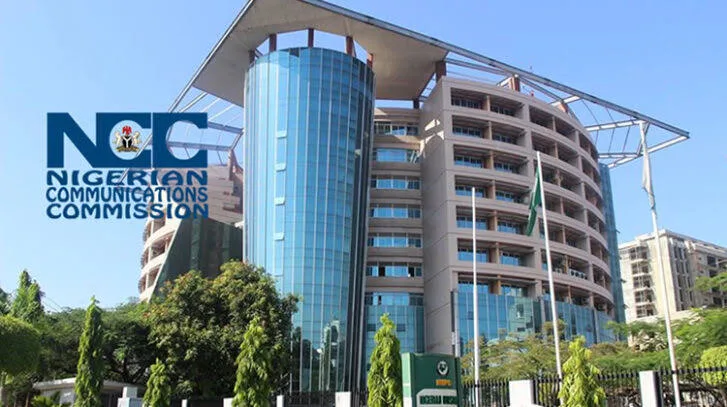
NCC launches new licensing framework to boost Nigeria’s digital future
The Nigerian Communications Commission (NCC) just launched a flexible licensing regime aimed at unlocking rapid innovation and expanding digital services nationwide. Nigeria’s telecom regulator rolled out the General Authorisation Framework at a lively stakeholders’ meeting on Thursday. The new plan means technology startups, telecom giants, and other players in the digital space can now try out fresh ideas and bring new services to market faster—even if they don’t fit into the old licensing system. Dr. Aminu Maida, the NCC’s Executive Vice Chairman, said the new framework is built to support Nigeria’s next digital leap. “This reform introduces a flexible and responsive regulatory licensing approach. It is structured to embrace new and emerging services that fall outside the existing license structure,” Dr. Maida said. This approach gives everyone, from startups to established telecoms, a platform to demonstrate, assess risk, and measure results before a big launch. Dr. Maida said the goal is to encourage bold new ideas while still protecting consumers and keeping the market fair. Nigeria has seen explosive growth in its digital and telecom spaces. Broadband penetration reached 48.81% in May 2025, and monthly data usage now tops 1.04 million terabytes. Yet, many modern services, like 5G, AI, and new fintech solutions, don’t fit neatly into old licensing rules. The NCC says it’s crucial for regulations to evolve so more Nigerians get access to new tech and global investors can see the country as an innovation hub. Usman Mamman, NCC’s Director of Licensing and Authorization, told participants the new framework came after extensive research, industry collaboration, and a close look at global best practices. It lines up with Nigeria’s digital economy policies, including the Nigeria Data Protection Act 2023 and the National Broadband Plan, as well as the goals of the Nigerian Communications Act 2003. Dr. Maida stressed that everyone needs to work together for this new system to succeed. He called on mobile operators, service providers, tech companies, civil society, and academics to engage, share feedback, and help build a framework that works for all.
OpenAI launches ChatGPT agent to handle real-world tasks for pro users worldwide
OpenAI has introduced a new ChatGPT feature that lets its Pro, Plus, and Team users delegate tasks to the AI, allowing it to work independently on their behalf. This latest update moves ChatGPT beyond simple chatting, enabling it to perform entire tasks from start to finish using its own virtual computer. Users can now activate this “agentic system” to handle daily activities like checking calendars, preparing meeting briefs, planning meals with ingredient shopping, or even analyzing competitors and creating slide presentations without additional input beyond the initial instruction. OpenAI’s new system combines three prior tools, Operator (for web navigation and interaction), Deep Research (for analyzing and summarizing data), and the original ChatGPT model, into a single AI assistant that can click, scroll, type, run code, and generate polished outputs such as editable spreadsheets or PowerPoint decks. Users can ask ChatGPT to research online and create detailed presentations, complete with downloadable files. OpenAI assures that user control and security remain top priorities. The AI only logs into websites with the user’s permission and users can interrupt or take over tasks anytime. The agent can also run multiple tools at once, for example, getting calendar events via an API, browsing the web for up-to-date info, manipulating files in a virtual terminal, and sending task updates to the user’s phone once done. This upgrade marks a big step toward AI-driven productivity, helping users save time on routine work like rearranging meetings or compiling financial data. For personal use, it can plan trips or organize events effortlessly. ChatGPT now also supports connectors with popular apps like Gmail and GitHub, allowing it to fetch emails, review code, or access documents under user supervision. Though this rollout started July 17, OpenAI says it’s only the beginning and promises more improvements in intelligence, speed, and capability later in 2025. The arrival of AI agents like this, smart assistants that actively carry out tasks, reflects a growing trend among tech giants like Microsoft, Salesforce, and Oracle, all investing heavily in AI to boost productivity and reduce costs.

Parallex Bank rewards 925 customers with prizes up to N1 million in save and win promo finale
Parallex Bank celebrated the grand finale of its Save and Win Promo in Lagos, rewarding 925 customers with cash prizes ranging from N5,000 to N1 million. The event, held at the bank’s Isolo branch, saw two lucky customers, Chidiebere Azubuike and Ese Fidelis, each receive the top prize of N1 million. Additionally, 153 other winners received various amounts through draws conducted since the promo’s launch in October 2024 across cities including Ibadan, Port Harcourt, Uyo, Warri, and Abuja. Mr. Frank Alarapon, the bank’s Chief Digital Officer, on behalf of the Managing Director, said the campaign’s main aim was to appreciate customers for their trust and loyalty. He stated that this season was extra special with two millionaire winners instead of just one, making it more exciting than previous draws. Mrs. Margaret Aboluwade, Zonal Coordinator for the Southwest Region of the Federal Competition and Consumer Protection Commission (FCCPC), praised Parallex Bank for its transparency and fairness throughout the promo during the opening of the grand finale. Other prize categories included 50 winners receiving N5,000 airtime, another 50 winning N10,000 each, 30 customers getting N20,000, 10 winners with N50,000, and 3 collecting N100,000 each. Chidiebere Azubuike, one of the top prize winners, expressed initial disbelief when contacted but was soon overwhelmed with happiness upon confirmation. Azeez Arogundade, Parallex Bank’s Head of Products, noted that the Save and Win Promo is one of many ways the bank engages with customers, offering diverse products for personal, business, corporate, and private banking. He emphasized the bank’s readiness to meet the needs of Nigerians across all economic levels. This promo not only rewards loyalty but also strengthens Parallex Bank’s position as a customer-focused financial institution, creating more reasons for Nigerians to bank with them.

Meta bows to South African court, will hand over WhatsApp data linked to Abuse of School Children
Meta, which owns WhatsApp, Facebook, and Instagram, has agreed to share user details of accounts that distributed explicit content involving South African school children, ending a tense court face-off with local authorities. The story began when a South African law firm, the Digital Law Company, discovered disturbing content being shared on WhatsApp and Instagram, private images and details of schoolchildren, posted for all to see. Worse, new accounts were being created every few minutes, making it hard to stop the spread. The firm quickly got a court order forcing Meta to shut down more than 60 of these channels and pages. The court also demanded Meta hand over details, names, emails, numbers, IP addresses, of those behind the accounts so police could act. At first, Meta did not comply. This led to a contempt of court case, with the threat that Meta’s top official in Southern Africa could be jailed for ignoring the order. Meta argued the wrong corporate divisions were named in the court action and hesitated, but critics said the tech giant simply wasn’t willing to act, even though the safety of children was at risk. The tide turned as public pressure grew and more child protection groups raised the alarm. Under mounting criticism, and the hammer of the court, Meta finally said it would supply the information required within three business days, as long as the details stayed confidential. The court ruling also set up a two-year direct hotline between Meta and the Digital Law Company to respond to future urgent cases. Emma Sadleir, who led the Digital Law Company team, celebrated the verdict: “We are absolutely elated at the judgment handed down by the Johannesburg High Court today. We welcome this victory and will be celebrating.” Thandi Mokoena, a spokesperson for a Johannesburg-based child welfare group, said: “This sends a strong message that tech companies cannot hide behind privacy policies when children’s safety is at stake.” Not everyone is fully at ease. The South African Digital Rights Forum urged caution: “While protecting children is paramount, we must ensure that data disclosures do not set a precedent for unchecked surveillance.” Legal experts say this case could reshape how tech giants respond to local laws in Africa. “It’s a balancing act between user privacy and public interest,” said Karl Blom, a senior associate at a leading law firm. He noted that Meta’s move shows courts in Africa can pressure global firms, but it also opens up tough questions about just how far such orders should go. This ruling may effect changes beyond South Africa, as Nigeria and Kenya also face growing calls for big tech companies to respect tough data privacy rules. The issue touches on more than just one country, how companies handle data protection, privacy promises, and their duty to protect the public. For users, there’s a dilemma. Many are relieved to see fast action against cybercrime, but some worry this could be the first step towards less privacy on messaging platforms. WhatsApp’s encryption might protect the content of messages, but subscriber data, account details and connection info, can still reveal identities. South Africa’s privacy regulator is also not letting up, warning tech giants that scrutiny will only grow if they don’t follow local law.

How to buy and sell Bitcoin in Nigeria safely in 2025 (stop by step guide)
Not sure how to buy and sell Bitcoin in Nigeria safely? This guide has got you covered. The platforms listed here are scam free. Bitcoin is getting popular in Nigeria. From Lagos to Abuja and even smaller towns, Bitcoin is being talked about by more people. Why? Because you can save, protect your naira from inflation and even make extra money online. This 2025, buying and selling Bitcoin has been made easy; but it’s risky. Many Nigerians have been left with empty pockets due to scams and misleading platforms described by scammers as crypto experts. That’s why you should be more careful and informed before you take a step. This is a step by step guide in simple English for anyone who wants to be a student, a worker, a trader or even just to learn about crypto. We will show you the best way to buy and sell Bitcoin in Nigeria so you won’t be scammed at all. If you follow these 2025 tips, you can trade with confidence and peace of mind. Why Nigerians are buying bitcoin in 2025 Before we go deep into how to trade Bitcoin, let’s know why Bitcoin is trending again in 2025: Recommended Guide: Best loan apps in Nigeria without BVN or collateral (no scam) How to buy and sell Bitcoin in Nigeria safely in 2025 (stop by step guide) Let’s just break it all down in basic steps. 1. Pick a reliable crypto broker Avoid people in your DM offering Bitcoin. That’s how scams start. Instead, choose from tested and trusted platforms like: Make sure the platform: 2. Sign up your account 3. Confirm your identity (KYC) Most platforms will ask for: 4. Fund your wallet You can add money by: For new users, P2P is often safer because banks sometimes block crypto transfers in Nigeria. 5. Buy bitcoin Once your wallet is funded: Within minutes, your Bitcoin will be in your wallet. How to sell bitcoin in Nigeria without being scammed Selling is just as easy if you follow the right process. 1. Use only the platform’s p2p market Don’t go outside the platform to deal. Scammers often ask you to “send first”. Always trade inside the app where there is escrow protection. 2. Set your offer or accept a buyer’s offer You can: Make sure their reviews are good and they have completed many trades. 3. Wait for buyer’s payment Once the buyer pays, check that the money is in your account (not just an alert). Open your banking app to check. 4. Release bitcoin After checking the payment, release the Bitcoin. It will go directly to the buyer’s wallet. Safety tips to avoid bitcoin scams in Nigeria (2025 edition) This is the part most people ignore until they are scammed. Please don’t skip this. 1. Never share your private key Your private key is like your ATM PIN. If someone has it, they can steal your Bitcoin. 2. Don’t fall for social media crypto deals Even if someone has thousands of followers or “past testimonials”, that doesn’t mean they’re real. Scammers buy fake reviews. 3. Use strong passwords and 2fa This makes it harder for hackers to break into your account. 4. Avoid trading with people who rush you Scammers love pressure. They say things like “I’m in a hurry” or “Quickly send it”. Don’t rush. 5. Always confirm bank alerts Don’t release Bitcoin until you check your bank app. Fake alerts are still common. Recommended Guide: How to convert airtime to cash in Nigeria Instantly (2025) Best platforms to buy and sell bitcoin in Nigeria 2025 Let’s look at the most reliable ones this year: Platform P2P Trading App Available KYC Required Trusted? Binance Yes Android/iOS Yes Yes Paxful Yes Android/iOS Yes Yes Luno No (direct only) Android/iOS Yes Yes Bundle Africa Yes Android/iOS Yes Yes Yellow Card Yes Android/iOS Yes Yes Roqqu Yes Android/iOS Yes Yes Real-life mistakes to learn from Here are two true stories to help you learn: Story 1: James, a student in Lagos, bought Bitcoin from a Twitter seller. He paid ₦100,000 but never got his coins. The account was deleted afterward. Lesson: Avoid DMs. Use official platforms with escrow. Story 2: Amaka sold Bitcoin to a buyer on P2P. She saw a fake SMS alert and released the coins. She never got her money. Lesson: Always confirm payment in your bank app, not by SMS alert. Conclusion Bitcoin trading in Nigeria is easy and profitable if you follow the safe path. As of 2025, the scammers are getting smarter, but so should you. Choose reliable websites, guard your wallet, avoid sweet talkers and never hesitate of verifying payments. Invest profoundly or sell in order to get cash, but more than being quick, cautiousness is a priority. FAQs Q1: Is Bitcoin authorised in Nigeria in 2025? Yes. While banks don’t allow direct crypto transfers, you can legally use P2P platforms to buy and sell Bitcoin. Q2: How much money do I need to start buying Bitcoin? You can start with as little as ₦1,000. Most platforms allow small purchases. Q3: Can I lose money in Bitcoin? Yes. Like any investment, Bitcoin can go up or down. Only invest what you can afford to lose. Q4: Which wallet is best for Nigerians? Trust Wallet, Binance Wallet, and Luno Wallet are good and easy to use. Q5: Can I use Bitcoin to shop online in Nigeria? Yes, some sites now accept Bitcoin. You can also convert it to naira and pay with your bank. Conclusion Bitcoin trading in Nigeria is easy and profitable if you follow the safe path. As of 2025, more platforms are available, and scammers are getting smarter — so should you. Use trusted apps with escrow, confirm payments in your bank app, don’t fall for sweet talker,s and never rush into any deal. Don’t trade through social media or with people you don’t know. Keep in mind your money is more valuable than immediate gain. Be it a beginner or