
Elon Musk’s artificial intelligence startup, xAI, is on a major hiring drive, looking for top multimedia engineers to join its Grok avatar team, with pay reaching up to $440,000 a year. xAI wants new talent to help create the next generation of real-time AI avatars, especially characters with anime and cartoon personalities. The jobs are open in Palo Alto, California, and target people ready to build fast, reliable, and engaging digital companions that interact with users across different devices. The engineering roles are tied to developing “Companions”, AI avatars like Ani, an anime-inspired character, and Rudi, a cartoon red panda. Candidates will work on making these avatars more responsive and realistic, with a focus on audio, visuals, and game-like features. xAI says the best applicants should love high media quality and smooth user experiences. Applicants need to know Python and Rust, and have experience with real-time systems using WebSocket and WebRTC. There’s also a preference for developers skilled in iOS, low-latency systems, and building media pipelines. The company’s hiring process is fast: it starts with a CV review, then a short technical interview, followed by a coding challenge and meetings with the team. Everything is expected to wrap up within a week. xAI is offering a salary range of $180,000 to $440,000 per year, plus equity and benefits like health insurance and retirement plans. The team structure is flat, meaning everyone is expected to contribute directly, and those who show initiative quickly move into leadership. xAI’s push for new hires comes after Musk announced big funding wins: $10 billion raised in loans and equity this month alone, for expanding AI research and infrastructure.
Nigeria’s digital economy hits highs under late ex-president Buhari, but investment story remains mixed
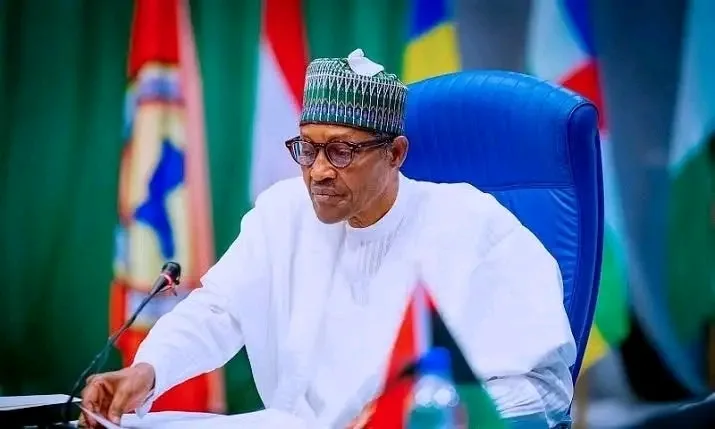
Nigeria’s digital sector grew dramatically during late Muhammadu Buhari’s administration, helping stabilize the country’s economy even as other sectors struggled. When Muhammadu Buhari became president in 2015, the digital economy was just starting to show promise. By the time he left office in 2023, Nigeria’s Information and Communications Technology (ICT) sector had become nearly twice as important to the economy, jumping from 9.8% of real GDP in 2015 to a record 19.54% by mid-2023. The ICT sector started strong, even when the wider economy went through a recession in 2016–2017. ICT’s contribution to GDP held steady at about 11% while most other sectors shrank.During the COVID-19 pandemic in 2020, ICT kept the economy afloat. Lockdowns made businesses and services go online, with the sector growing 13.18% for the year and reaching a 15.05% share of real GDP.By 2023, the sector had reached its highest levels yet, 19.54% of GDP. Fast-rising startups, mobile money, and stronger broadband coverage all played a part. Buhari’s team launched the National Digital Economy Policy and Strategy (NDEPS), and rolled out new broadband goals to push tech adoption across the country. Tech hubs and the rise of ‘unicorns’ like Flutterwave and Opay were direct results of these policies. Professor Isa Pantami, former Minister of Communications and Digital Economy, credited “strong policies, good engagement, and a clear roadmap” for the sector’s solid growth. Even as the digital economy flourished at home, foreign investment had its ups and downs. Foreign direct investment (FDI) in telecoms spiked to $944 million, up from $114 million the year before. But that didn’t last, FDI dropped to $417 million by 2020, and then to just $107.6 million in 2021. It briefly went up again in 2022 ($456.8 million), but by 2023, it had slumped to only $134.75 million. Telecom industry leaders blamed “Right of Way” charges, multiple taxes, and foreign exchange problems for discouraging investors. Many say these problems were not fully addressed during Buhari’s time in office, and they still linger even now. Nigeria’s digital economy is now a key pillar for growth and recovery. The push for 5G, ongoing tech innovation, and a strong start-up culture are expected to keep the sector booming. But unless the country tackles the investment roadblocks, that growth could slow down in the future. As the country remembers President Buhari, one thing is clear, his years in power changed the face of Nigeria’s tech industry in a way that will shape the economy for a long time.

UBA’s LEO chatbot sets new record as Africa’s first to enable cross-border payments
United Bank for Africa (UBA) has launched a major upgrade to its AI-powered chatbot, LEO, making it the first in Africa to handle cross-border payments. With this new feature, UBA customers can now send and receive money instantly across African countries, using LEO on their mobile devices. This service runs on the Pan-African Payment and Settlement System (PAPSS), designed together with African Export-Import Bank (Afrexim Bank), so users can transfer money in their local currencies between countries where the system is approved by central banks. UBA’s Group Managing Director/CEO, Oliver Alawuba, described the move as a giant step for digital banking in the region. “The introduction of cross-border payments on LEO, in partnership with PAPSS, reflects our commitment to digital innovation, Pan-African integration, and customer-centric banking. This is not just a banking upgrade; it is a bold leap into the future of African finance,” he said. Group Head of Retail and Digital Banking, Shamsideen Fasola, also shared why it matters: “With LEO now fully integrated with the PAPSS infrastructure, UBA customers can send and receive money across African borders in their local currencies within seconds. We’re not just simplifying transactions – we’re fostering intra-African trade and breaking down longstanding barriers to financial inclusion,” Fasola said. This upgrade isn’t just about making payments easier. UBA says it will help formalize informal trade, boost business for traders and corporate clients, and support the bigger goals of the African Continental Free Trade Area (AfCFTA). Currently, UBA serves more than 45 million customers and operates in 20 African countries, with offices in the UK, US, France, and the UAE. The bank employs 25,000 people and leads the push for better digital banking and financial access in Africa. UBA’s chatbot payment feature is expected to encourage faster, safer, and more reliable cross-border transactions, giving businesses and individuals more confidence in digital finance. It puts the bank a step ahead as digital payments become central to Africa’s economy.
Co-op confirms data of all 6.5 million members stolen in cyberattack
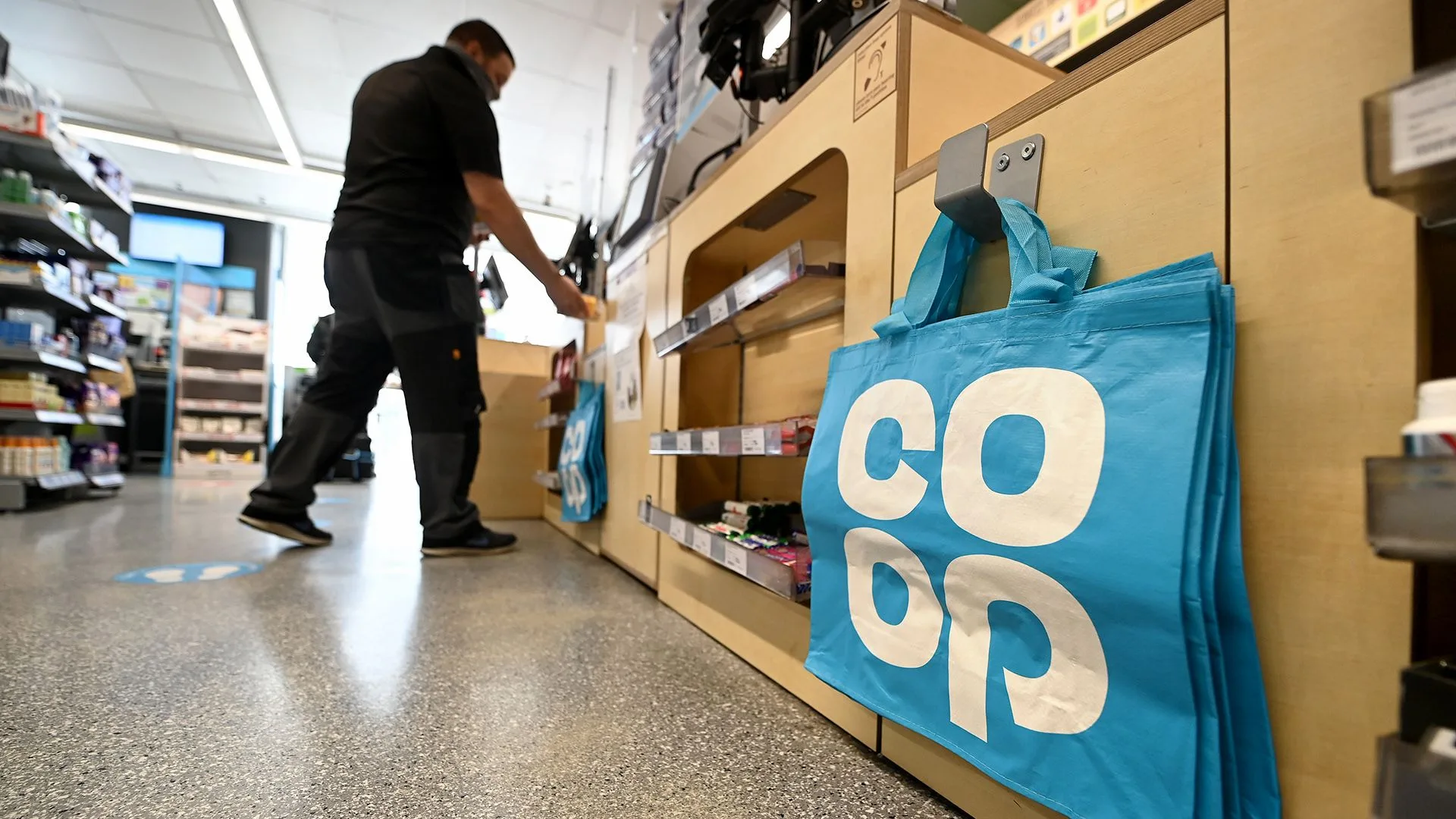
Co-op has revealed that hackers stole personal data of all its 6.5 million members in a cyber-attack that hit the retailer in April. Shirine Khoury-Haq, Co-op’s CEO, confirmed the breach affecting members’ personal information, including names, addresses, and contact details. Financial or transaction data were not compromised. The attack forced Co-op to take immediate action, disconnecting its systems to stop further damage. Although hackers were kicked out, the stolen data could not be erased, allowing the company to track their activity and assist authorities. This breach is part of a wave of cyber-attacks targeting major UK retailers, alongside Marks & Spencer and Harrods. The National Crime Agency has arrested four suspects aged between 17 and 20 in connection with these incidents. Co-op is still working to restore its back-end systems and has partnered with a cyber-security talent programme called The Hacking Games. The programme aims to guide young hackers towards ethical careers, with plans for a pilot in Co-op-run academies. Khoury-Haq expressed deep regret, saying, “It hurt my members; they took their data, and that I do take personally.” She also shared how the attack heavily impacted her IT staff, describing the ordeal as “personal” for her.

Tesla opens its first showroom in India
Tesla has officially launched its first showroom in India, a milestone that signals the company’s commitment to entering the Indian market but falls short of a full breakthrough. The showroom opening is Tesla’s initial physical presence in India, where demand for electric vehicles (EVs) is growing, but multiple challenges remain. India’s auto market has high import tariffs and complex regulations that have so far slowed Tesla’s expansion plans. Industry experts say the showroom will boost Tesla’s visibility but is only the first step in what could be a long road for mass adoption of Tesla EVs in the country. This cautious viewpoint was highlighted by the BBC’s India Business correspondent, who called the event “a milestone but not quite the breakthrough” India had hoped for. Tesla’s entry into India reflects growing interest in EVs worldwide, especially in emerging economies like India, where pollution and fuel costs are driving policy shifts. However, the high price point of Tesla vehicles and infrastructure gaps may limit immediate sales. Tesla will likely need to explore local partnerships or manufacturing to reduce costs and gain a stronger foothold. For Indian consumers and the EV market, Tesla’s showroom is a promising sign but not yet a game-changer. The opening of Tesla’s showroom in India shows early-stage market entry efforts and increasing global competition in the electric vehicle space.

TikTok star Peller responds after TVC host Riyah calls him uneducated
Popular TikTok creator Peller has spoken out after TVC host Riyah reportedly called him uneducated during a recent show. In a video shared online, Peller expressed how hurt and disappointed he felt. He said he has worked hard through tough times without much support and questioned why Riyah was attacking him. Peller explained that he completed secondary school but couldn’t afford university. He also reminded people of the millions of naira he has donated to those in need through his TikTok platform. “Why are you talking about me? When I was struggling in Ikorodu, who was there to help me?” he asked. The conflict began after Riyah criticized Peller for offering ₦500,000 to hire graduates and people with master’s degrees as cameramen. This led to a wider discussion online about the importance of qualifications and how people are valued. Many are watching to see if Riyah or Peller will say more about this or if the matter will quietly calm down. Either way, it shows how Nigeria’s media scene is changing as new voices push back against older ones.