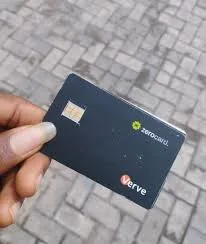
A Nigerian startup, Zerocard, is pioneering crypto adoption with a new debit card that lets users spend stablecoins like regular money in local shops and ATMs. Zerocard, a Lagos-based startup, has launched what it calls the first crypto debit card built specifically for Africans. The card allows users to spend USDC stablecoins directly from their wallets in local currency (naira), making it easier to use crypto for everyday payments. The card runs on Base, a blockchain network developed by Coinbase, while traditional financial partners like Sudo Africa and Safe Haven Microfinance Bank handle card issuance and naira transactions to stay compliant with local regulations. Users first fund their wallet by buying Base USDC via trusted peer-to-peer (P2P) platforms such as Coinbase Wallet’s Onboard feature. The card can then be used at local POS terminals and ATMs, converting crypto into naira instantly. There’s a small fee for transactions, ₦5 for purchases under ₦10,000 and ₦12.5 plus ₦100 ATM charges for withdrawals. Zerocard CEO Temidayo Folajin explained the process: the card debits USDC from the user’s wallet, holds it in a smart contract escrow, and then swaps it for naira to pay merchants, who receive payments just like from any regular debit card without handling crypto themselves. While the card is still in beta and requires users to hold a small amount of Base ETH for transaction fees, Zerocard plans to fix this soon in the next release. The startup focuses on crypto-savvy users who want an easier way to spend their stablecoins without repeated conversions to naira. Folajin said, “We’re not skipping steps. We’re working with legal partners to ensure everything is clean, end to end. Our goal is to reduce friction and speed up transactions to under four seconds.” Sudo Africa’s Business Development Manager Kennisha Donatus added, “We don’t handle crypto. Zerocard manages that. We provide regulated card issuance, ensuring compliance with Nigeria’s financial laws.” Zerocard’s crypto debit card offers a promising bridge between crypto and everyday payments in Nigeria. With over 25 million crypto users in the country, this solution could boost digital currency adoption, though it currently suits mainly crypto-native consumers.

Nigerian leaders struggle to connect online, new report shows social media gap
Nigeria’s top government officials reach just 17 million people on social media, a fraction of the country’s 141.5 million internet users, new research shows. A study by digital communications firm Column has found that most government ministers, including those in positions critical to national development, are missing out on the chance to talk directly with Nigerians on popular platforms like X (formerly Twitter), Facebook, and Instagram. Only 17 million people reached by the president, chief of staff, and all top ministers combined across X, Facebook, Instagram, TikTok, and LinkedIn. Nigeria has over 141 million internet users, showing a large untapped digital audience. Twitter/X is the favourite among government officials, with over 9.3 million followers from 51 ministers. Facebook follows with 4.8 million from 45 ministers; Instagram trails at 2.1 million from 46 ministries. TikTok and LinkedIn are barely used, just 7 ministers on TikTok and 17 on LinkedIn. Ministers with the Biggest VoiceJust five people, President Bola Tinubu, Chief of Staff Femi Gbajabiamila, Health Minister Muhammad Ali Pate, Aviation Minister Festus Keyamo, and FCT Minister Nyesom Wike, make up over 60% of the total followers. Tinubu alone has 4.5 million online fans. Meanwhile, some ministers have almost no digital presence. Two ministers have zero followers, and many others have less than 500, despite holding high-profile positions in key ministries. The report points to a growing disconnect between the government and the people. Social media platforms are where millions of young Nigerians and professionals share opinions, seek accountability, and ask questions. Yet, the lack of a strong government presence online makes it harder for citizens to engage or get timely information. Even ministries with youth-focused mandates, like Education, Youth Development, and Women’s Affairs, are far behind in building digital identities, despite having audiences eager for updates and engagement. “The absence of these ministries online for engagement contributes to the country’s struggles with youth unemployment, public distrust in institutions, and limited access to real-time information,” the report says. The study also found that many ministers’ accounts are dormant or unverified. Some don’t even link their accounts to official government pages, making it tough for Nigerians to know which accounts are real. This creates space for impersonation and misinformation, and shuts out feedback from citizens. Health Minister Muhammad Ali Pate stands out for his regular updates across multiple platforms, earning him 1.46 million followers and a reputation for openness. Others, including ministers handling Justice and Finance, fall far below the online median. Experts say digital presence is now a basic part of leadership. The report calls on ministries and officials to adopt clear digital communication plans to foster open conversations and build trust.
TikTok removes over 3.6 million Nigerian videos in early 2025, tightens content controls
TikTok has removed more than 3.6 million videos from Nigerian users in the first quarter of 2025 for violating its community guidelines. This represents a 50% increase from the 2.4 million videos removed in the last quarter of 2024, according to TikTok’s Q1 2025 Community Guidelines Enforcement Report. The platform emphasized that most of these removals happened proactively, 98.4% of the flagged content was taken down before users reported it. Nearly 92% of these videos were removed within 24 hours to maintain a safer and more trustworthy online environment. TikTok also banned over 42,000 live streaming rooms and stopped more than 48,000 streams in Nigeria for breaking rules during this period. Globally, TikTok removed more than 211 million videos in the first three months of 2025, a broader crackdown on harmful or misleading content. The company also fought fake engagement on its Nigerian platform by deleting 44.7 million fake comments and 4.3 billion fake likes, followers, and follow requests generated by automated systems. TikTok’s commitment to tightening content moderation comes amid ongoing legal challenges, including lawsuits from multiple U.S. states accusing the platform of harming young users by exploiting addictive content algorithms. The increased enforcement shows TikTok’s effort to balance a vibrant creator community with the need to protect users from harmful or fake content. TikTok will likely continue refining its approach to moderation, especially around live streaming and misinformation, as authorities worldwide keep a close watch on social platforms.
Meta to shut down hundreds of thousands of fake and spam accounts to make facebook safer and rewarding
Meta, the owner of Facebook, has just removed about 500,000 accounts for spam and fake engagement in only the first half of 2025. The company also took down nearly 10 million profiles pretending to be popular content creators, in an effort to make Facebook feeds fresher and fairer for everyone. This latest action is part of Meta’s campaign to fight back against copycat pages and impersonators that flood the platform with recycled or fake content. By reducing visibility for unoriginal posts, and cutting off monetization for repeat offenders, the company hopes real creators will finally get noticed. “Creators should be celebrated for their unique voices and perspectives, not drowned out by copycats and impersonators,” Meta said in a statement. The new crackdown goes beyond bots and obvious spam. Meta is now targeting accounts that simply repost photos, videos, or text from other people without permission or real changes. These repeat offenders won’t just lose chances to make money, they’ll also see their reach drop across Facebook. Meta is also testing new features that make it easier to trace back viral videos to whichever account first posted them. This should help boost authentic voices and beat back copycats. The company is rolling out new tools as well. Facebook’s Professional Dashboard now gives clearer insights into which posts are getting seen, and warns creators if their page risks losing reach or monetization. Meta says more updates are coming in the next few months as it works to keep Facebook relevant, fair, and a place where original ideas stand out.

FirstBank launches card-free facial recognition for mobile banking in Nigeria
FirstBank of Nigeria has updated its FirstMobile app with facial biometric technology, allowing customers to open and manage their accounts without needing a debit card. The latest FirstMobile app lets users register and activate their accounts by simply scanning their face. This facial recognition upgrade means new and current customers no longer have to use a debit card for verification. Security is also getting a boost. The app’s facial biometric system uses anti-spoofing detection, so it’s harder for fraudsters to impersonate others or break into someone’s account. Before this update, you needed a card to start using FirstMobile. For many people, that wasn’t easy, especially customers abroad, people with expired or missing cards, or those who avoid cards completely. Now, anyone can sign up and enjoy bank services like money transfers, bill payments, or checking balances quickly and securely on their phone. You can update the app now on Google Play Store or Apple Store. Returning users may need to re-install FirstMobile to get all the new options. “With these new services now live on FirstMobile, we are confident we will undoubtedly enhance our customers’ digital experience,” shared Chukwuma Ezirim, Group Executive, E-Business and Retail Products Division at FirstBank. He added, “Our goal is to make banking simpler, faster, and more accessible. Every interaction should build satisfaction and stronger relationships with our customers.” The bank is making digital banking easier and safer for a wider range of users in Nigeria and beyond, by cutting out physical cards

FRSC unveils upgraded website to make road safety digital services faster and secure for Nigerians
The Federal Road Safety Corps (FRSC) has launched a newly redesigned website, aiming to make its digital services faster, more secure, and easier for Nigerians to use nationwide. The new portal, now available at www.frsc.gov.ng, features a modern look with faster loading times and improved security. The FRSC says this upgrade is a big step towards meeting the needs of today’s road users and giving straightforward access to reliable information about road safety, traffic regulations, and essential services. Assistant Corps Marshal Olusegun Ogungbemide, who heads FRSC’s public education, stated that the digital move was driven by the need to keep up with new technology trends and serve Nigerians better. “With its sleek interface and modern design, the website now offers faster load times, improved security, and seamless access to credible and timely information… tailored to meet the evolving needs of Nigerians and all road users,” Ogungbemide stated. The Corps Marshal, Malam Shehu Mohammed, said the improved website reflects the agency’s mission to save lives, grow awareness, and offer high-quality public services. He urged everyone, whether from the government, private sector, NGOs, or civil society, to take advantage of the site. According to him, the website’s logical information structure allows anyone to find what they need quickly, whether for learning, research, or safe driving tips. The FRSC isn’t just stopping with the website. Earlier this year, it opened a new driver’s licence printing centre in Lagos that can produce 9,000 licences in six hours, speeding up processing for over 270,000 Nigerians waiting for their cards. In the same spirit of progress, the agency has made major arrests, catching nearly 8,000 people with fake number plates from January to February 2025, to tackle identity fraud and keep roads safer. The website upgrade comes after the FRSC’s digital platform was named the best out of 315 federal agency sites in Nigeria last year, in a ranking by the Bureau of Public Service Reforms and the National Information Technology Development Agency. The FRSC says it will keep working on new ideas, urging all Nigerians to log on and get involved with its improved services and information hubs.