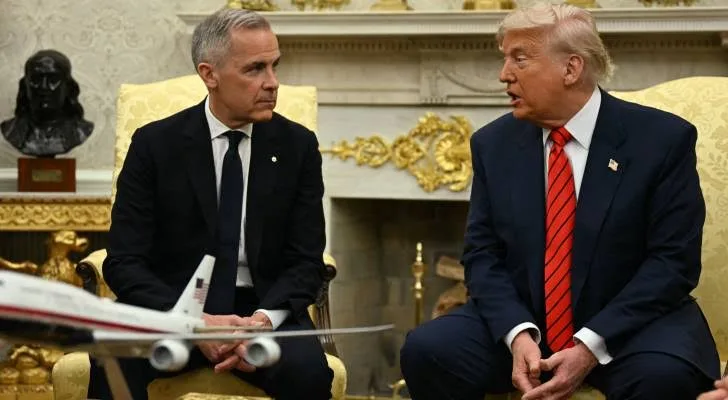
Canada has cancelled its planned 3% digital services tax on big US tech companies like Amazon, Google, and Meta. This move comes just hours before the tax was set to begin and aims to restart important trade talks with the United States. The tax would have made US firms pay about $2 billion in back taxes on digital services used by Canadians. But after US President Donald Trump called off trade talks and threatened new tariffs, Canada decided to drop the tax. Prime Minister Mark Carney said this decision was made after a phone call with Trump and is meant to help get trade negotiations back on track before the July 21 deadline set at the recent G7 summit. Finance Minister François-Philippe Champagne said removing the tax will allow both countries to work on a new economic and security agreement. The tax had been controversial because while Canada wanted to ensure fair taxation of digital companies, the US saw it as unfair and harmful to trade. Political experts say Canada’s move is a clear win for the US and big tech firms. However, tariffs on Canadian steel, aluminum, and cars remain in place, so the trade relationship still faces challenges. The talks now continue with a tight deadline, and the outcome will shape the future of North American trade.
Meta introduces new monetisation tools for Nigerian WhatsApp creators
Meta has unveiled new monetisation features for WhatsApp users in Nigeria, aiming to help creators and businesses generate revenue on the platform without compromising user privacy. The updates, set to roll out in the coming months, include channel subscriptions, promoted channels, and advertisements in WhatsApp Status. With Channel Subscriptions, users can pay a monthly fee to access exclusive content from creators, media outlets, or sports organisations. Meanwhile, Promoted Channels will allow creators and businesses to boost their visibility by paying for targeted suggestions based on user interests. Additionally, Status Ads will enable businesses to display image or video ads between WhatsApp Status updates, offering direct engagement opportunities with potential customers. Meta emphasised that these monetisation tools will not affect WhatsApp’s end-to-end encryption. The company assured users that phone numbers will not be shared with advertisers, and only basic information like city and language will be used to personalise ads. This move comes amid regulatory scrutiny, including a recent $220 million fine by the Nigerian government. Despite this, Meta confirmed the new features will be available in Nigeria, alongside a notice that WhatsApp will soon stop supporting some older Android and iOS devices, urging users to upgrade to maintain access.

CBN issues strong warning on cybersecurity risks as Nigeria advances open banking
The Central Bank of Nigeria (CBN) has issued a stern warning to Nigerian banks and fintech companies to prioritize cybersecurity as the country embraces open banking. Speaking at the recent Q2 Regulators Forum hosted by FintechNGR, Mr. Musa Jimoh, Director of Payments System Policy at the CBN, highlighted the critical need to protect customer data in this new financial landscape. Open banking, which allows banks to share customer data with trusted third-party providers through secure APIs, is a game-changer for Nigeria’s financial services sector. However, this innovation also opens doors to potential cyber threats if not properly managed. “There have been numerous cases of data breaches globally,” Jimoh said. “Open banking should not become an open door for cybercriminals. We must ensure that the security around our APIs, payment infrastructure, and customer data is unbreakable.” The CBN official emphasized that banks and fintechs must invest heavily in cybersecurity measures to safeguard customer information. He also urged financial service providers to educate their customers on the importance of consent and the risks of cyber fraud, warning against scams that might trick users into sharing sensitive information like PINs. “Security, privacy, and consumer protection are vital to the success of open banking,” Jimoh noted. “Customers must clearly understand what data they are sharing and how it will be used.” To streamline this process, the CBN is working on standardizing the application programming interfaces (APIs) used in open banking. This will allow fintechs and banks to interact seamlessly, reducing complexity and enhancing security across the board. Nigeria became the first African country to establish an open banking framework when the CBN released operational guidelines in March 2023. The framework enables customers to grant permission for their financial data, such as account balances and transaction history, to be shared securely with third-party providers, fostering innovation and personalized financial services.

Afreximbank appoints Dr. George Elombi as new president, eyes $250 billion growth
The African Export-Import Bank (Afreximbank) has named Dr. George Elombi, a Cameroonian legal expert and longtime bank executive, as its next President and Chairman of the Board. He will take over from Nigerian Professor Benedict Oramah, who is set to step down in September 2025 after a decade at the helm. Dr. Elombi’s appointment was confirmed at the Bank’s 32nd annual meeting held in Abuja from June 25 to 28, following a thorough global search and interview process. The five-year term, renewable once, marks him as the fourth leader since Afreximbank’s founding in 1993. With nearly 30 years at Afreximbank, Elombi has held key roles including Executive Vice President for Governance, Legal and Corporate Services. Before joining the Bank in 1996, he lectured in law at the University of Hull, UK. He holds advanced degrees in law from the London School of Economics and the University of Yaoundé. In his acceptance speech, Elombi reaffirmed his commitment to the Bank’s mission of industrializing Africa and boosting the continent’s economic dignity. He pledged to support the shareholders’ ambitious goal of expanding Afreximbank’s assets to $250 billion within ten years, a significant leap from the current $42.7 billion. Elombi has been instrumental in shaping Afreximbank’s structure and response to crises. Notably, he chaired the Emergency Response Committee that mobilized over $2 billion for COVID-19 vaccine acquisition and distribution across Africa and the Caribbean. The Bank’s rigorous selection process began in January 2025, involving international media calls and interviews by a global executive search firm. The Board of Directors recommended Elombi to the shareholders for final approval, underscoring his deep experience and vision for the institution’s future.

Nigeria strengthens data privacy with new Nigeria Data Protection Act, 2023
President Bola Ahmed Tinubu signed the Nigeria Data Protection Act (NDPA) into law, marking a significant milestone in the country’s commitment to safeguarding personal data and privacy rights. The NDPA replaces the earlier Nigerian Data Protection Regulations (NDPR) of 2019 and establishes a comprehensive legal framework for data protection in Nigeria. The Act creates the Nigeria Data Protection Commission (NDPC), an independent regulatory body tasked with overseeing the enforcement of data protection laws, guiding data controllers and processors, and ensuring compliance across sectors. The NDPC is supported by a Governing Council responsible for setting policy direction. The NDPA applies broadly to any individual or organization processing personal data of Nigerian residents, whether operating inside or outside Nigeria, significantly expanding the scope compared to previous regulations. However, it exempts personal or household data use and certain activities by competent authorities related to criminal justice, national security, or public health. Key objectives of the NDPA include: Protecting the fundamental rights and freedoms of data subjects as guaranteed by Nigeria’s Constitution. Regulating the processing of personal data to ensure security and privacy. Promoting responsible data handling practices. Providing data subjects with rights such as access, correction, and information about how their data is used. Strengthening Nigeria’s digital economy and enabling trusted participation in regional and global markets. The Act also introduces lawful bases for data processing, including consent and legitimate interest, and mandates the appointment of Data Protection Officers by major data controllers to ensure internal compliance. Experts say the NDPA is a crucial step for Nigeria to build trust in its digital ecosystem, protect citizens’ privacy, and attract international business. However, ongoing efforts will be needed to educate organizations, enforce compliance, and address emerging challenges posed by technologies like artificial intelligence.
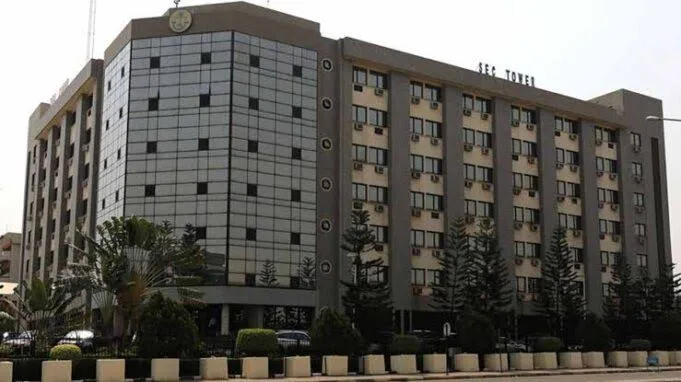
SEC flags Value Growth Platform as suspected Ponzi scheme, warns Nigerians to stay away
The Securities and Exchange Commission (SEC) has sounded a strong warning to Nigerians, urging them to steer clear of Value Growth Platform, an online investment outfit the regulator suspects is running a Ponzi scheme. In an official statement released on Friday, the SEC revealed that Value Growth Platform has been promoting itself as a sophisticated investment service, offering market analysis, investment tips, and third-party trading opportunities. However, after a thorough investigation, the Commission found these claims to be both misleading and illegal. According to the SEC, Value Growth Platform displays several classic warning signs of a fraudulent scheme. These include promises of guaranteed high returns, aggressive referral programs that reward users for bringing in new investors, and urgent requests for people to fund their accounts quickly. “The Commission hereby informs the public that Value Growth Platform is not registered by the Commission to either solicit investment from the public or operate in any capacity within the Nigerian capital market,” the SEC stated. “Accordingly, the public is advised to be cautious about investing with the said Value Growth Platform, as any person who engages with the entity or its representative does so at his/her own risk.” This warning comes as part of a broader effort by the SEC to protect Nigerians from scams in the rapidly evolving financial technology space. In recent weeks, the Commission has also flagged other unregistered investment outfits, including CMTrading, Zugacoin, and Samzuga GPT, cautioning that these entities are not licensed to operate or seek public investments in Nigeria. The SEC particularly highlighted the dangers of so-called “meme coins” and derivative tokens like SZCB and SZCB2, which are often promoted through hype but lack any real value or utility. The regulator warned that such digital assets are highly volatile and can be used to exploit unsuspecting investors. The SEC is urging all Nigerians to verify the registration status of any investment platform through official channels before committing their money. Under Nigeria’s newly updated Investments and Securities Act 2025, operating a Ponzi scheme now carries a minimum penalty of 10 years in prison and a fine of at least ₦20 million. As financial scams become more sophisticated, the SEC’s message is clear: always do your due diligence, and remember that if an investment opportunity sounds too good to be true, it probably is.