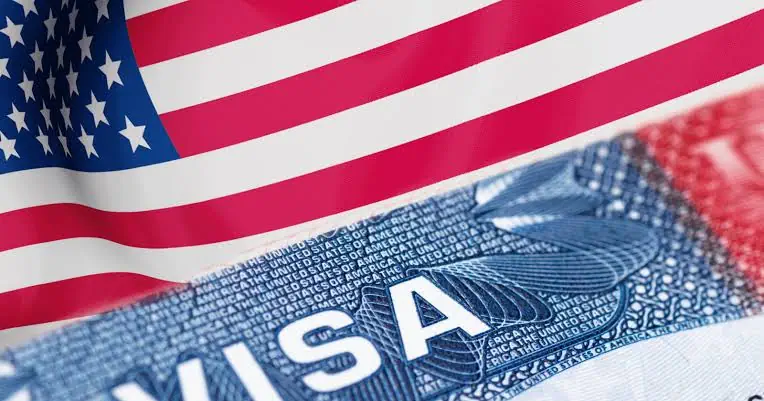
A new federal policy in the United States is changing how employers monitor the immigration status of their workers, and it’s causing concern among immigrant communities and labor advocates. This week, the Department of Homeland Security (DHS) rolled out a major update to E-Verify, the online system many businesses use to confirm that new hires are legally allowed to work in the country. The latest feature, called the “status change report,” automatically alerts employers if an employee’s work permit, officially known as an Employment Authorization Document (EAD), has been revoked after they were hired. Previously, there was no formal process for employers to find out if a worker’s authorization had lapsed or been rescinded after hiring. Now, with real-time alerts, companies are expected to act quickly if an employee’s status changes. But here’s the catch: only employers receive these notifications. The affected workers themselves do not get any warning from the government. This lack of direct communication has sparked criticism. “Workers could lose their jobs without even knowing their status had changed,” said one immigration attorney. “It’s a recipe for confusion and hardship.” The new system puts added pressure on businesses. If an employee appears on the status change list and cannot provide new proof of legal work authorization, employers are expected to terminate their employment. At the same time, DHS has warned companies not to use this information to target or discriminate against workers based on their nationality or immigration status. Violators could face investigations and penalties under federal anti-discrimination laws. It’s a difficult balancing act: employers risk fines for keeping unauthorized workers, but could also face legal trouble if they act too aggressively or unfairly. For many immigrants, especially those with pending asylum cases or waiting for renewals of Temporary Protected Status, the update adds a new layer of anxiety. Without direct notification, they might not know their work permit has been revoked until they’re called into a meeting or handed a termination letter. The policy comes at a time of shifting immigration rules in the US, following a Supreme Court decision that upheld the government’s authority to end certain protections for immigrants. Many people who once qualified for programs like TPS or humanitarian parole may now be out of status, even if their documents still appear valid. Labor advocates and immigration lawyers are urging the government to notify workers directly if their status changes. “Transparency is key,” said a spokesperson for a national immigrant rights group. “People deserve to know if their livelihoods are at risk.” For now, the new E-Verify feature is in effect, and both employers and workers are being urged to stay informed and seek legal guidance if they have questions about their rights or responsibilities.

Tinubu appoints Ismael Ahmed as head of Presidential CNG Initiative
President Bola Ahmed Tinubu has named Barrister Ismael Ahmed as the new Executive Chairman of the Presidential Compressed Natural Gas Initiative (PCNGi). The appointment was announced Friday, June 27, by Bayo Onanuga, Special Adviser to the President on Information and Strategy. Ahmed, 45, is expected to lead the federal government’s push to make compressed natural gas (CNG) a mainstream, affordable energy source for Nigerians. The initiative, launched in August 2023, is part of the government’s broader effort to cushion the impact of fuel subsidy removal by promoting cleaner and cheaper alternatives. As Executive Chairman, Ahmed will oversee programs to convert vehicles to CNG, deploy CNG-powered buses, and encourage local manufacturing of conversion kits. The PCNGi also plans to set up technical workshops nationwide, create jobs through technical training, and attract investment in CNG infrastructure. Ahmed brings extensive experience in public service. He previously served as Senior Special Assistant to former President Muhammadu Buhari on the National Social Investment Programme, where he helped expand welfare initiatives for vulnerable Nigerians. He holds a law degree from the University of Abuja and a master’s in international relations from Webster University, Missouri. With his appointment, the government aims to accelerate the adoption of CNG and ease the financial burden on citizens and businesses facing high fuel costs.
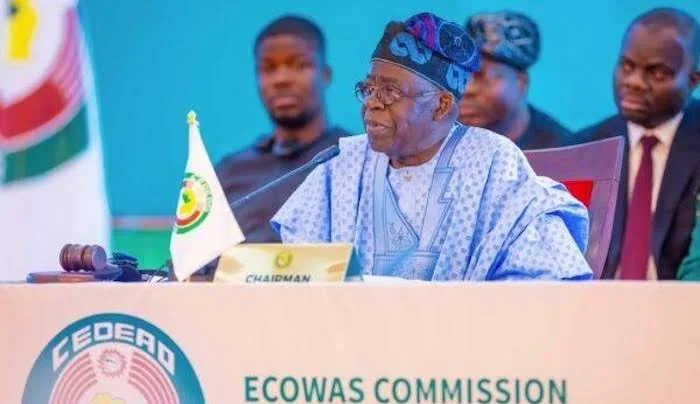
Tinubu urges African nations to embrace PAPSS for seamless cross-border payments
President Bola Tinubu has called on African countries to adopt the Pan-African Payment and Settlement System (PAPSS) to boost financial integration and strengthen economic ties across the continent. Speaking at the Afreximbank 32nd Annual Meetings, Tinubu highlighted PAPSS as a game-changer for Africa’s financial landscape. He said the system would allow countries to settle cross-border transactions instantly in local currencies, reducing reliance on foreign exchange and cutting billions in transaction costs each year. “I urge all Africans, all African nations, to embrace PAPSS because deeper financial integration strengthens our collective resilience,” Tinubu said. The president noted that Nigeria has already formally approved PAPSS, with the Central Bank of Nigeria instructing all banks to process cross-border payments through the platform. This move aims to make transactions faster and more affordable for Nigerian businesses and individuals trading within Africa. Afreximbank President Benedict Oramah explained that PAPSS is integrating 42 payment systems across Africa and has already onboarded about 160 commercial banks in 16 countries. The system, supported by a $3 billion settlement fund, also features an African Currency Marketplace and new credit and debit cards that let users spend their national currencies across participating countries. Oramah added that PAPSS is helping to unlock new opportunities, such as enabling investors to buy stocks across African exchanges using their local currencies. Tinubu stressed that Africa’s financial future depends on such innovations and called for greater support for Afreximbank to expand its impact. He also announced the launch of the Africa Energy Bank in Abuja, which will finance the continent’s energy transition. With PAPSS, experts believe Africa is taking key steps toward a more unified financial market, and possibly, a single continental currency in the future.
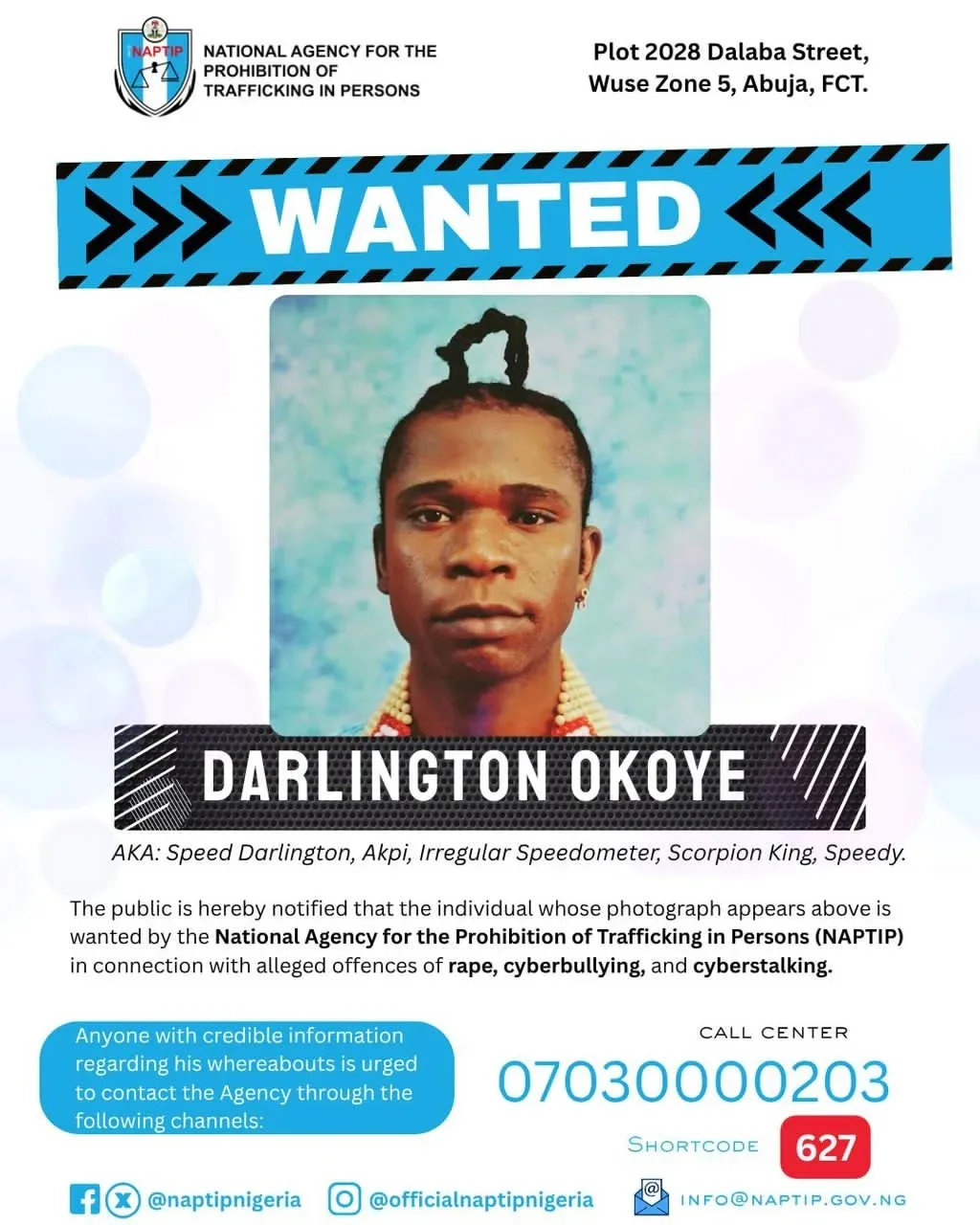
NAPTIP declares Speed Darlington wanted over rape and cyberbullying allegations
Nigerian entertainer Darlington Okoye, known as Speed Darlington, is now wanted by the National Agency for the Prohibition of Trafficking in Persons (NAPTIP) over serious allegations including rape, cyberbullying, and cyberstalking. The controversy began in May when Speed Darlington posted a viral Instagram Live video claiming he had sex with a 15-year-old girl. The video sparked public outrage and calls for legal action. Speed Darlington later said the confession was a publicity stunt to promote his new music, but the backlash continued. NAPTIP summoned him for questioning on May 30, 2025, but he failed to appear. Despite offering a later date, NAPTIP rejected it and warned of further legal action. After missing multiple appointments, the agency officially declared him wanted and urged the public to report his whereabouts. The Lagos State government and child protection groups condemned the act, emphasizing zero tolerance for sexual abuse of minors. The girl mentioned in the video reportedly plans to file a formal police complaint. Speed Darlington’s case is a reminder of the serious consequences of using social media irresponsibly.
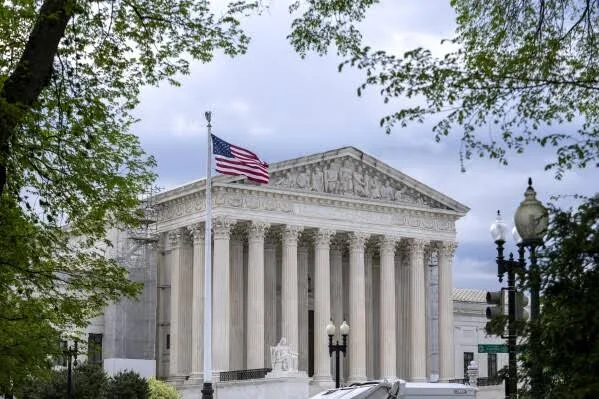
US Supreme Court ruling could change how Nigerians access adult content online
Recall in January, Daily Tech Nigeria reported that for over the past two and a half years, 19 states, representing over a third of the U.S. population, have passed laws aimed at restricting access to pornography for minors. This week, a major decision by the United States Supreme Court could – on the long run – impact how Nigerians and people worldwide access adult websites. The court upheld a law in Texas that requires porn sites to verify the age of every user, opening the door for similar rules across the internet. The ruling means websites with adult content may now be forced to use stricter age checks, like asking for ID or using facial recognition, to keep underage users out. This move is expected to spark new debates about privacy, online freedom, and how tech companies handle user data. Experts say the decision could set a global trend, as other countries look for ways to protect children online. For Nigerians, this could mean more hurdles when accessing certain sites, and possibly new requirements for local internet companies. Some internet freedom advocates worry these laws could threaten privacy or block access to legal content. Others argue it’s a needed step to keep young people safe online. It’s not yet clear how quickly these changes will reach Nigeria, but the decision is already making waves in the global tech community. As governments and tech companies react, Nigerians should watch for updates on new online rules and how they may affect digital rights.
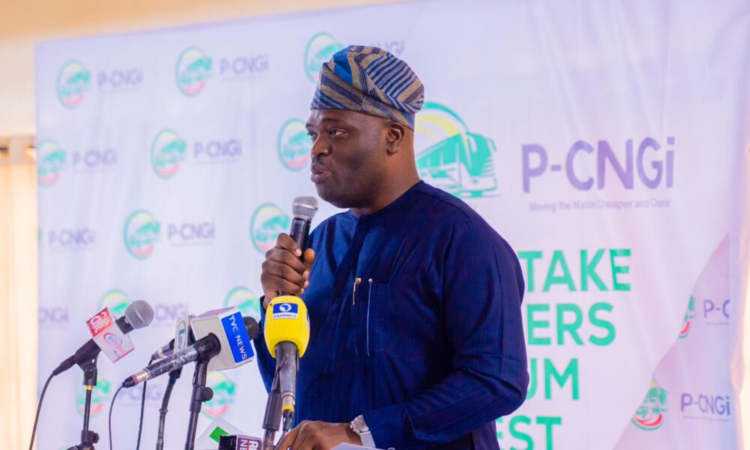
FG pushes CNG to cut emissions, boost jobs
The Federal Government is stepping up efforts to promote Compressed Natural Gas (CNG) as a cleaner fuel across Nigeria. Officials say the move is part of a wider plan to reduce the country’s carbon emissions and create new jobs. CNG is seen as a cheaper and more environmentally friendly alternative to petrol and diesel, especially for public transport and logistics. The government has started rolling out incentives for businesses and transport operators to switch to CNG. This includes support for building more CNG refuelling stations and converting existing vehicles. Experts believe the shift could help Nigeria meet climate goals and save billions on fuel imports. Industry watchers say the CNG push could open up new opportunities for local mechanics, engineers, and entrepreneurs. “This is a chance for young people to get involved in the energy sector and learn new skills,” said an energy analyst in Lagos. The government plans to keep working with private partners and state governments to expand CNG access nationwide. If successful, the initiative could lower pollution in cities and help Nigeria’s economy grow in a greener direction.