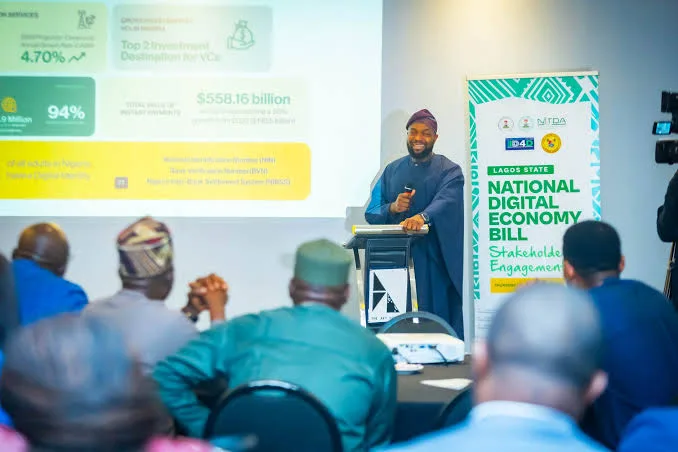
As Nigeria’s digital economy grows, privacy is taking center stage for both businesses and citizens. The right to privacy is enshrined in Section 37 of Nigeria’s 1999 Constitution, which protects personal communications and correspondence. But with the rapid rise of tech startups and digital services, the need for robust data protection has never been greater. To address these challenges, the Nigeria Data Protection Regulation (NDPR) was introduced. Enforced by the National Information Technology Development Agency (NITDA), the NDPR requires all organizations, especially startups and tech firms, to safeguard personal data and respect user privacy. This means companies must be transparent about how they collect, store, and use people’s information, and individuals have the right to control their own data. NITDA is also pushing for data sovereignty, encouraging sensitive data to be stored locally within Nigeria. This move aims to protect citizens’ information, boost economic growth, and ensure the country maintains control over its digital assets. For startups, following these privacy rules isn’t just about avoiding penalties, it’s about building trust with customers and investors. As Nigeria positions itself as a regional tech powerhouse, privacy compliance is becoming a key part of business success. While challenges remain, such as enforcing the rules and balancing innovation with regulation, Nigeria’s focus on privacy signals its commitment to a safe and trustworthy digital future for all.
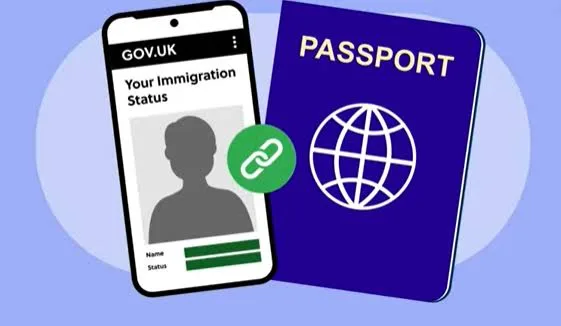
UK’s new eVisa system, digital convenience or privacy headache?
From July 2025, the UK will scrap physical visa stickers for many non-European skilled workers and students, rolling out a fully digital eVisa system. Instead of a stamp in your passport, your immigration status will now live online, linked to a UK Visas and Immigration (UKVI) account. Applicants must create a UKVI account and link it to a valid passport. Immigration status, right to work, and access to services like banking or renting will be checked online using secure codes. No more sending passports to visa centers, everything is managed digitally. While the government says this move will speed up processing and cut paperwork, critics warn it could cause real problems for vulnerable groups. The system requires a stable internet connection and a modern smartphone, barriers for many migrants, especially those with low digital skills or limited resources. The eVisa system relies on real-time database checks every time your status is verified. Any technical glitch or data mismatch could mean denied boarding, job offers, or even housing. Migrants are more exposed to cybercrime, like phishing and hacking, which could compromise their immigration status. There’s no physical backup. If you can’t access your UKVI account or generate a share code, you may be unable to prove your right to stay, work, or rent in the UK. Advocacy groups say there’s little evidence of support for people with disabilities, older migrants, or those with language barriers. The Home Office has yet to publish full human rights or data protection impact assessments for the scheme, despite repeated calls from experts. The UK’s eVisa system promises speed and efficiency, but for many, it could mean new risks and barriers. As the deadline approaches, migrants and employers alike are urged to prepare, and to stay alert for technical and privacy pitfalls.
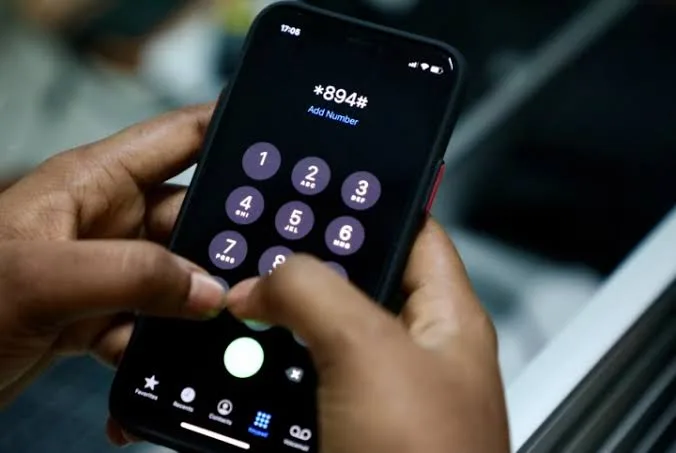
Telecom operators in Nigeria begin direct airtime charges for USSD services starting Today, June 18
Telecommunications companies have started charging customers directly for USSD (Unstructured Supplementary Service Data) services from Wednesday, June 18, 2025. This change follows a new directive from the Nigerian Communications Commission (NCC) aimed at making USSD billing more transparent and efficient. Under the new End-User Billing (EUB) model, mobile subscribers will now pay for USSD sessions through deductions from their airtime at a rate of ₦6.98 for every 120 seconds of use. This replaces the previous system where telecom operators billed banks for USSD services, often leading to disputes and service disruptions. The Association of Licensed Telecom Operators of Nigeria (ALTON) explained that this move will create a more sustainable and customer-friendly framework, especially as Nigeria’s digital financial services continue to grow rapidly. Customers will receive a prompt to opt in before charges are applied, ensuring they have control over each session. Importantly, only successful USSD transactions will be billed, reducing the risk of double charges. “This transition ensures a more accountable and efficient system,” said ALTON Chairman Engr. Gbenga Adebayo. “It also eliminates the frequent disputes between banks and telecom operators that have sometimes disrupted services for millions of users.” Banks are required to notify their customers about the change and educate them on how the new charges will work. For any issues with USSD access, customers should contact their mobile network providers, while transaction errors should be directed to their banks. Both sectors are committed to providing responsive customer support during this transition. Despite the new charges, alternative digital banking channels such as mobile apps, internet banking, and ATMs remain fully operational for users seeking other options. This change comes after years of tension between banks and telecom companies over unpaid USSD debts, which reportedly reached N250 billion. The Central Bank of Nigeria (CBN) and NCC have been working together to resolve these issues, with the new billing model marking a key milestone. As USSD remains a vital tool for financial inclusion, especially for underserved and low-income Nigerians, ALTON has pledged to continue collaborating with regulators and financial institutions to ensure the benefits of this transition reach all users. For millions of Nigerians, this new billing system promises clearer charges, fewer service interruptions, and greater control over their mobile financial transactions.

NSIPA dismisses rumours of ongoing payments, urges the public to beware of fake social media posts
The National Social Investment Programme Agency (NSIPA) has denied claims circulating on social media that payments are currently being made to the beneficiaries of its programmes. In an official statement released on Wednesday, June 18, 2025, and signed by the agency’s National Coordinator and CEO, Assoc. Prof. Badamasi Lawal, NSIPA described the reports as “entirely false, deceptive, and should be disregarded in its entirety.” The agency’s response comes after a viral Facebook post alleged that NSIPA had started disbursing funds to programme beneficiaries. NSIPA firmly condemned the spread of this misinformation, warning that it undermines public trust and the integrity of its social investment initiatives. NSIPA advised both beneficiaries and the general public to rely only on its verified communication channels for accurate updates. The agency stressed that it does not announce or facilitate payments through Facebook or any other unofficial social media platforms. All official updates, it said, are shared exclusively via its verified social media handles and through traditional media. To help Nigerians stay informed, NSIPA directed the public to follow its official accounts: @ng_nsipa on X (formerly Twitter), @nsipa.nag on Instagram, and the NSIPA Facebook page. The agency also encouraged Nigerians to verify information before acting and to reach out through its official platforms if in doubt. NSIPA reiterated its commitment to transparency, accountability, and the continued implementation of impactful social investment programmes across the country. Launched in 2016, the National Social Investment Programme (NSIP) aims to tackle poverty and hunger, targeting vulnerable groups such as children, youth, and women. Since inception, the programme has reached over 4 million beneficiaries nationwide. NSIPA urges everyone to remain vigilant and ignore unverified payment claims, promising to keep the public informed through its official channels.

Zenith Bank reassures investors as CBN dividend ban looms
Zenith Bank Plc has told shareholders that its dividend freeze is only temporary, following a new Central Bank of Nigeria (CBN) directive that suspends dividend payments, executive bonuses, and fresh foreign investments for banks still under regulatory forbearance. In a statement filed with the Nigerian Exchange on June 17, Zenith Bank explained that it has already surpassed the CBN’s new capital requirement of N500 billion. The bank clarified that its forbearance status is tied to just one major customer, and it expects to resolve this issue by June 30, 2025. The CBN directive, issued June 13, aims to strengthen the financial system by phasing out pandemic-era leniency measures. This move has sparked concerns among investors, as several top banks, including Zenith, FirstBank, and Access, have seen their dividend payments halted until they clear outstanding regulatory issues. Zenith Bank emphasized that it has made substantial provisions for the affected loans and expects to exit all CBN forbearance arrangements by the end of the first half of 2025. “We remain confident that the Bank will satisfy all relevant conditions to enable it to pay dividends to shareholders in the current year,” the statement read. The bank’s swift communication is seen as an attempt to calm investor nerves, as the new rules have already impacted banking stocks on the Nigerian Exchange. For now, Zenith Bank says it is on track to resume dividend payments later in 2025, provided it meets all CBN conditions and receives regulatory clearance.
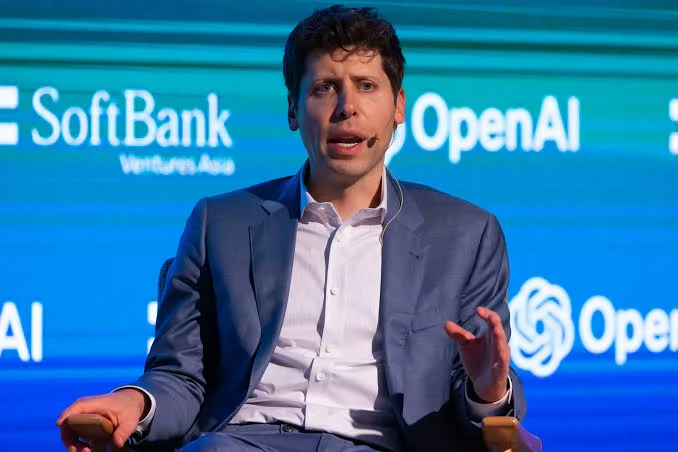
Meta offers $100 million signing bonuses to lure OpenAI’s top AI talent, says Sam Altman
Meta is making headlines with its aggressive push to attract top artificial intelligence experts, reportedly offering signing bonuses as high as $100 million to OpenAI staff. The claim was made by OpenAI CEO Sam Altman, who spoke candidly about the tech giant’s recruitment tactics during a recent episode of the “Uncapped” podcast, hosted by his brother. Altman described Meta’s offers as “crazy,” emphasizing that while Meta has tried to hire many OpenAI employees, none of the company’s best talent have accepted the lucrative deals so far. “They’ve tried to hire a lot of people at OpenAI. So far, none of our best people have decided to take them up on that,” Altman said. The move comes as Meta CEO Mark Zuckerberg takes a hands-on approach to building a new “superintelligence” team. In a major show of intent, Meta recently invested $14.3 billion in Scale AI, bringing on its CEO, Alexandr Wang, to help lead its AI efforts. The company has also recruited talent from other leading AI labs, including Google DeepMind. Despite Meta’s aggressive strategy, Altman believes OpenAI’s culture and mission keep its staff loyal. “I respect being aggressive and continuing to try new things. But I don’t think they’re a company that’s great at innovation,” he said, adding that meaningful work and a strong workplace culture are more important than large paychecks. Meta has not responded to requests for comments. Industry observers note that Meta’s push comes at a time when the company has faced staff departures and delays in launching new open-source AI models, as it seeks to compete with rivals like Google, China’s DeepSeek, and OpenAI.