
Nasarawa State Deputy Governor Dr. Emmanuel Akabe revealed that the state is poised to become the first in Nigeria to produce electric cars. This development is largely attributed to the vast lithium deposits discovered under Governor Abdullahi Sule’s administration, which have attracted major electric vehicle manufacturers. Speaking on Saturday, Dr. Akabe outlined the significance of lithium mining and the establishment of multi-million-dollar lithium factories in the state. He expressed confidence that Nasarawa could emerge as a leading producer of electric vehicles, second only to China. Dr. Akabe commended Governor Sule for his transparency in financial matters, citing a recent instance where the governor publicly disclosed a N9.7 billion federal refund and consulted stakeholders on its utilisation. The announcement was made during an event celebrating Governor Sule’s achievements, organised by Hajiya Hussaina Sule, the governor’s daughter. She praised her father’s leadership, stating that his impact on peace and economic development in Nasarawa State has been remarkable. Governor Sule, in response, attributed the state’s economic advancements to President Bola Tinubu’s transformation agenda. He emphasised the growing global attention on Nasarawa’s lithium reserves, particularly from leading electric vehicle producers. With lithium mining and electric vehicle production on the horizon, Nasarawa State is positioning itself as a key player in Nigeria’s transition to sustainable energy and modern transportation.
NCC order telecom operators to notify consumers of service disruptions
The Nigerian Communications Commission (NCC) has issued a new directive requiring telecom operators to inform consumers about major service disruptions, marking a step toward greater transparency and accountability in Nigeria’s telecommunications sector. The announcement, made on Sunday by Nnenna Ukoha, the acting head of Public Affairs at the NCC, stipulates that operators must disclose the cause of the outage, affected areas, and estimated resolution times via media channels. In cases of planned service disruptions, consumers must be notified at least one week in advance. Telecom service outages have become a persistent issue in Nigeria, disrupting daily life and business operations. Common causes include infrastructure deficiencies, fibre optic cable damage, overloaded networks, and environmental factors. The NCC’s directive aims to enhance customer experience and facilitate quicker resolution of such outages. Further reinforcing consumer rights, the directive requires mobile network operators and internet service providers to compensate affected users when an outage lasts more than 24 hours. Compensation may include validity extensions or other measures in line with consumer protection regulations. The NCC has also launched a Major Outage Reporting Portal, enabling public access to real-time outage information while identifying entities responsible for network disruptions. Edoyemi Ogor, the Director of Technical Standards and Network Integrity at NCC, emphasised that this initiative aligns with President Bola Ahmed Tinubu’s Executive Order designating telecommunications infrastructure as Critical National Information Infrastructure (CNII). “This step ensures accountability and safeguards vital telecom assets that are central to Nigeria’s economy and security,” Ogor stated. The NCC’s latest mandate underscores its commitment to improving service reliability while keeping consumers informed and empowered.
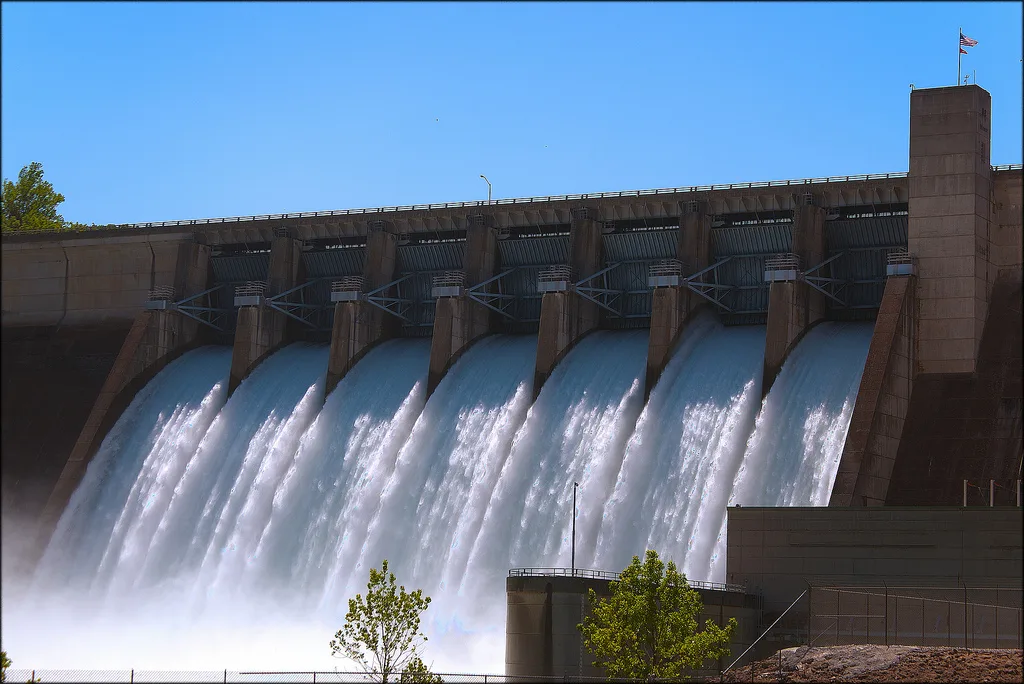
Terrahaptix secures $1.2m contract to protect Nigerian hydroelectric plants
Nigerian autonomous systems startup, Terrahaptix, has clinched a $1.2 million security contract awarded by private security firm Nethawk Solutions. The five-year deal will see the company deploy AI-powered drones and solar-powered sentry towers to secure two hydroelectric plants in Nigeria. “This is our largest contract to date and our first in the hydroelectric sector,” said Nathan Nwachukwu, CEO of Terrahaptix. In an exclusive report, the contract not only includes the initial hardware purchase but also a recurring six-figure annual software subscription fee, ensuring stable revenue for the Nigerian hardware firm. Terrahaptix will supply about 10 drones and several sentry towers, all integrated with Artemis OS – its proprietary AI system designed to detect and classify threats. The security measures come amid concerns over bandit activity around the plants. According to Nwachukwu, Artemis OS can detect intruders, assess their numbers, and even analyse their level of ammunition. Terrahaptix’s competitive advantage lies in its ability to provide an integrated end-to-end security solution, combining aerial, ground, and maritime systems under one operating platform. The company, which has rapidly expanded across Africa, operates a 15,000-square-foot factory in Abuja’s Idu Industrial District and has clients in South Africa, Ghana, Kenya, Côte d’Ivoire, and the Democratic Republic of Congo. With 75% of its sales coming from outside Nigeria, the startup has demonstrated remarkable growth. In 2024, it recorded $2 million in orders, and with this new contract, it stands a strong chance of doubling that figure in 2025. “This contract is a significant step toward our vision of becoming Africa’s leading provider of autonomous security solutions for critical infrastructure,” Nwachukwu added. Terrahaptix’s success showcases Nigeria’s growing presence in the high-tech defence sector, with local innovation driving solutions for national security challenges.
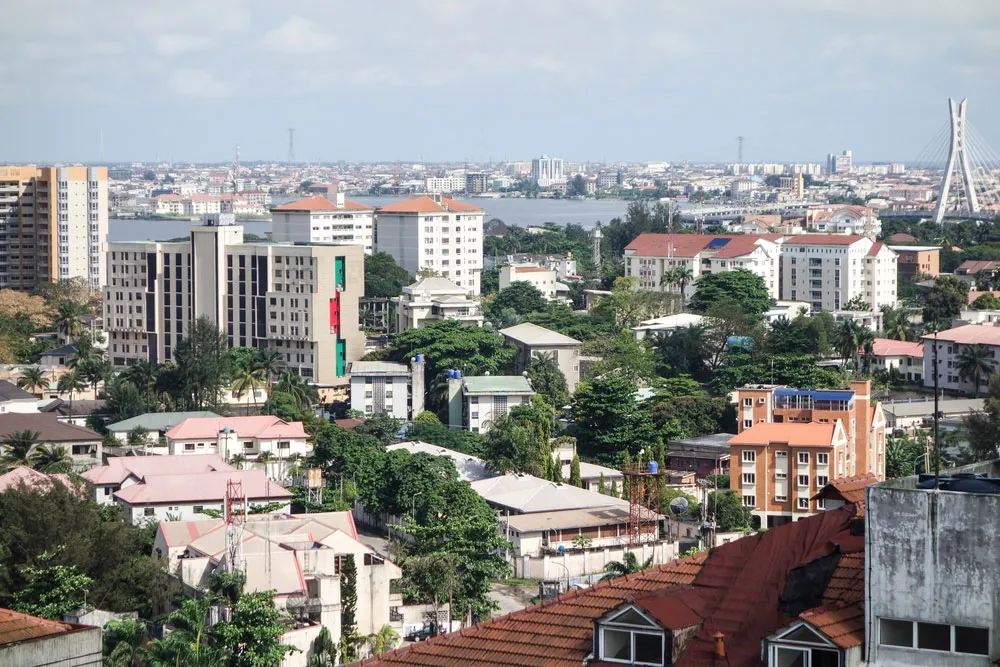
Lagos emerges as the world’s fastest-growing tech ecosystem in 2025
Lagos has been ranked the fastest-growing technology ecosystem in the world for 2025, according to the Global Tech Ecosystem Index 2025 report by Dutch research firm Dealroom. The city leads the top “Rising Stars” category, which showcases emerging tech cities globally by considering growth in unicorns and enterprise value at $15.3 billion. Lagos is home to five unicorns, namely, Jumia, Moniepoint, Interswitch, Flutterwave, and OPay making it an attractive destination for tech startups. Despite its smaller economy, the city’s ecosystem valuation has grown 11.6 times since 2017, surpassing other contenders in the category. The report placed Istanbul, Turkey as the second fastest-growing tech hub, followed by Pune, India, while cities like Belo Horizonte (Brazil), Mumbai (India), Curitiba (Brazil), and Riyadh (Saudi Arabia) also made the list. Dealroom emphasised that Lagos’ growth showcases the rise of new tech ecosystems, driven by enterprise value expansion and unicorn creation, adjusted for local economic factors. However, while Lagos excelled in this category, Nigeria was absent from the Global Champions list, which ranks the world’s most established startup ecosystems. The Bay Area (United States), New York City, and Boston took the top positions. Meanwhile, in a separate development, the Lagos State government announced that N2.9 billion had been spent over the past year to support 8,690 vulnerable residents, including pregnant women, through the Eko Cares initiative. Another N1.6 billion has been earmarked for new beneficiaries. State officials also outlined the progress in agriculture and rural development, with initiatives like the Isheri Integrated Farm Centre and Ketu-Epe Farm Centre, which provide modern training for grassroots farmers. Lagos continues to position itself as a global tech leader, demonstrating resilience and innovation in the face of economic challenges.
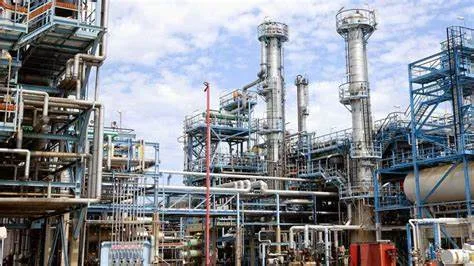
NNPCL announces month-long shutdown of Port Harcourt Refinery for planned maintenance
The Nigerian National Petroleum Company Limited (NNPC Ltd) has confirmed that the Port Harcourt Refining Company (PHRC) will undergo a planned maintenance shutdown starting today. The scheduled shutdown, which is set to last approximately one month, is part of a critical safety maintenance exercise and sustainability assessment aimed at ensuring the facility’s long-term operational efficiency and safety standards. In an official statement released by NNPC, Chief Corporate Communications Officer Olufemi Soneye detailed the measures being undertaken. “NNPC Ltd wishes to inform the general public that the Port Harcourt Refining Company will undergo a planned maintenance shutdown. This scheduled maintenance and sustainability assessment will commence on May 24, 2025,” he said. Soneye emphasised that the exercise conforms to global best practices while reaffirming the company’s commitment to delivering sustainable energy security for Nigeria. Working closely with relevant stakeholders – including the Nigerian Midstream and Downstream Petroleum Regulatory Authority – NNPC is ensuring that the maintenance process is conducted transparently and efficiently. While preparations for the maintenance shutdown are underway, officials clarified that the refinery remains fully operational until the commencement of the exercise. To mitigate any potential disruptions in energy supply during the shutdown period, NNPC has assured the public that there are adequate volumes of automotive gas oil, kerosene, and other petroleum products stocked, guaranteeing an uninterrupted flow to meet national demand . According to Punch Online, the announcement comes amid concerns raised by indigenous fuel retailers in Eleme, the community that hosts the refinery. Some local stakeholders had alleged possible sabotage linked to the shutdown plan. However, these claims were promptly refuted by NNPC officials, who reiterated that the decision to undertake the maintenance shutdown was entirely scheduled and in line with routine safety protocols designed to uphold the refinery’s sustainability and reliable operation. NNPC Ltd has promised to maintain an open line of communication with the public by providing regular updates through its official website, media platforms, and public statements throughout the duration of the maintenance exercise. This proactive approach is intended to keep stakeholders informed and bolster confidence in the nation’s energy infrastructure management . As Nigeria continues to navigate the challenges of modernising its energy sector, the planned shutdown of the Port Harcourt Refinery underscores the broader commitment to upholding operational excellence and ensuring that critical facilities adhere to international safety standards. The maintenance initiative is viewed as a proactive measure, aiming not only to address immediate operational needs but also to support long-term energy security in the region.

Facebook begins deletion of old live videos, allows users 90 days to save content
Social media giant Facebook has begun removing old live videos from its platform following a policy change by its parent company, Meta. The new rule, which took effect on February 19, 2025, enforces a 30-day lifespan on all live broadcasts before automatic deletion. As part of this update, previously archived live videos, once stored indefinitely, are also being removed. The process is occurring in phases, with affected users receiving notifications via email and in-app alerts. Upon notification, users have 90 days to download or transfer their videos before they are permanently deleted. How Users Can Save Their Live Videos To prevent loss of valuable content, Facebook has provided several options: Downloading Videos Individually Users can manually download videos from their Facebook profile, Page, or Meta Business Suite. Downloading Multiple Videos in Bulk Using the Activity Log, users can select “Your live videos,” specify a date range, and create a file for bulk downloading. Transferring Videos to Cloud Storage Content can be exported to Google Drive, Dropbox, or other cloud storage services for safekeeping. Converting Videos into Reels Users can clip key moments and turn them into permanent Reels, which remain on their profile indefinitely. Meta’s Six-Month Extension Option For users needing extra time, Meta has introduced a one-time six-month extension. To activate it: Meta explains that these changes align Facebook’s storage policies with industry standards, ensuring a better live video experience. Users are advised to take prompt action to secure their content before the deletion process concludes in the coming months.