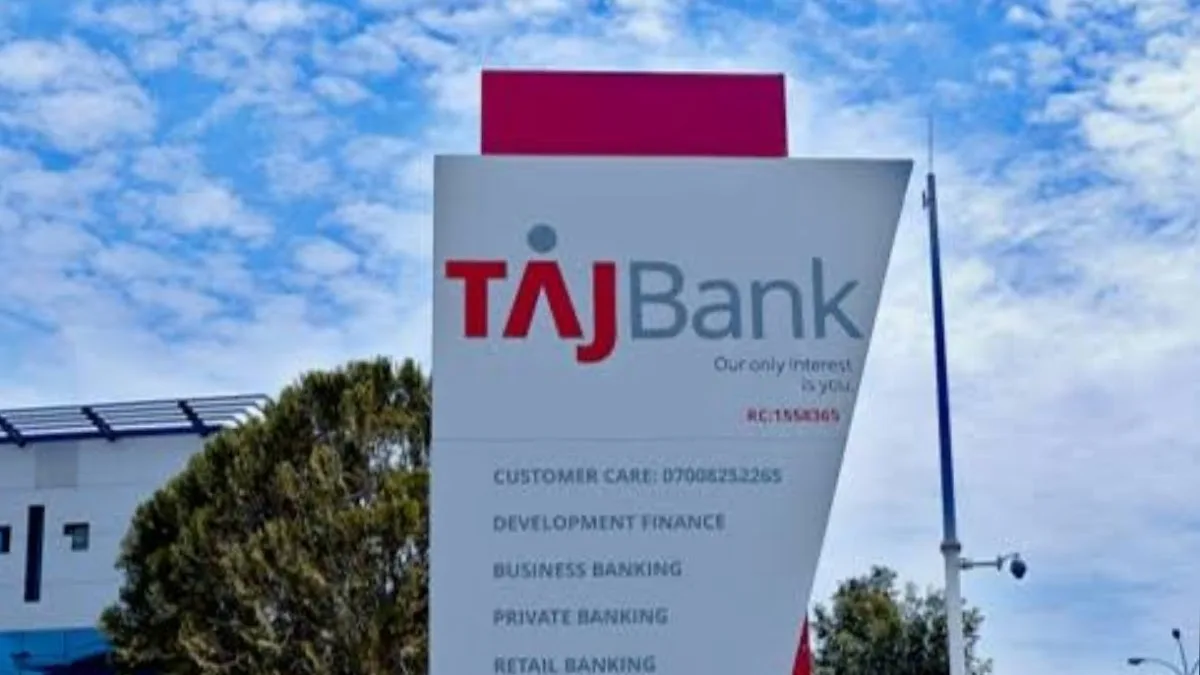
TAJ Bank has suffered another system glitch that resulted in an unauthorized transfer of over N957 million to accounts in 26 different banks and fintech platforms earlier this year. This incident happened in March 2025, nearly a year after a similar glitch moved about N139.6 million from the bank’s system. TAJ Bank initially took legal action at the Federal High Court in Abuja, seeking orders to freeze these accounts and reverse the transfers. The bank claimed the money was illegally debited following the server glitch and asked the court to stop further withdrawals and ensure the funds were returned under Central Bank of Nigeria (CBN) regulations. The bank argued that without these legal protections, it would face serious financial losses caused by customers of the other institutions taking advantage of the flaw. However, the court declined the bank’s request for an interim freezing order in June 2025, stating the involved banks and fintechs deserved to be fully notified. When the case resumed in July, TAJ Bank unexpectedly withdrew the suit and the matter was struck out by Justice Muhammad Umar, with no public explanation for the withdrawal. This latest issue follows a 2024 ruling where an interim freezing order was granted against some fintech entities holding funds stemming from a previous glitch at TAJ Bank. That order required the reversal of N139.6 million until the dispute was resolved. System glitches like this create complex legal challenges for banks and also stress the importance of robust security and better cooperation among financial institutions to protect customers’ funds. Fraud losses in Nigerian banks have sharply increased, with N52.26 billion lost in 2024 alone, mostly through electronic channels. Dr. Tope Fasoranti, an economist and digital transformation consultant, emphasizes the need for safer banking practices, stronger cybersecurity, and joint efforts from all stakeholders to prevent fraud and maintain trust in Nigeria’s digital financial system. The withdrawal of TAJ Bank’s reversal suit leaves questions about the future handling of the N957 million glitch and the protection of affected customers’ assets.

Tech startup Utiva clarifies role in UK global talent visa process after refund dispute
Utiva CEO Eyitayo Ogunmola has spoken out to clear up misunderstandings following a complaint by a client over visa application support. Ogunmola stressed that neither Utiva nor its advisory arm, Techlocate, issues visas or provides legal immigration services. They simply guide applicants on document preparation for endorsement under schemes like the UK Global Talent Visa. The issue arose when client Steve Adodo accused Utiva of failing to uphold their agreement and refusing a refund after partial payment. Ogunmola explained their advisory deal started in February 2025 to assist with the Tech Nation endorsement, a key step before visa submission. Due to Ogunmola’s official engagements, some delays occurred in May and June, which the company admits should have been managed better. Importantly, Ogunmola confirmed Utiva was already processing the refund when media reported the complaint on July 19. The refund was finalized by July 21, and the client was to receive full payment shortly after. He described the published story as misleading since the company never claimed to issue visas or act as immigration agents. Ogunmola emphasized, “Techlocate’s role is limited to coaching and strategic support. We don’t promise visa approvals or handle government fees. All final decisions rest with the UK authorities.” Ogunmola said the experience has spurred improvements in case handling and client communication. He also said that Utiva’s larger mission involves training over 45,000 African youths in tech skills and supporting smoother global talent mobility. Utiva’s statement brings clarity to their role in global migration support and reinforces the importance of clear communication between tech startups and their clients amid growing demand for international work opportunities.
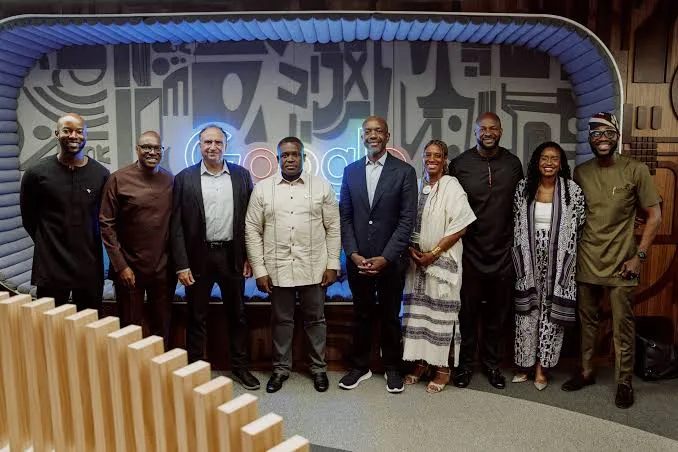
Google launches $37 million drive to power AI growth across Africa
Google has announced a $37 million investment plan to encourage more innovation and responsible use of artificial intelligence (AI) across Africa. The tech giant revealed its latest strategy on Thursday, saying it will channel the funds into AI research, infrastructure, skilled talent, and practical tools. The focus is on helping Africa overcome big challenges like food insecurity, limited access to digital technology, and a shortage of technical skills. A major part of Google’s plan is the AI Collaborative for Food Security. This $25 million initiative from Google.org will unite researchers and non-profits to build AI-powered solutions for early hunger detection, boosting crop resilience, and giving small farmers better advice. The goal is to create food systems that can stand up to Africa’s tough climate and economic pressures. To help make the internet more inclusive, Google is setting aside $3 million for the Masakhane Research Foundation. This group wants to build better AI for more than 40 African languages, making sure millions can go online in their mother tongue. The grant will fund new datasets, smarter translations, and voice tools. Google is also providing fresh support for African startups. The company is launching new funding to back over 100 early-stage businesses using AI in sectors like agriculture, healthcare, and education. Startups will get a mix of grants, venture capital, mentorship, and expert guidance to help them scale up. A key part of the announcement is Africa’s first AI Community Center, opening soon in Accra, Ghana. The center is designed to be a home for learning, research, and creative collaboration, bringing together students, developers, and content creators focused on African needs. Google is rolling out 100,000 Google Career Certificate scholarships in Ghana as well. These online programs will train people in AI, data analytics, cybersecurity, and more. The commitment goes further, as Google.org is pledging $7 million for AI education across Nigeria, Kenya, South Africa, and Ghana. The support will fund custom-made AI courses, programs for online safety, and resources for schools and non-profits. To back deeper research, two $1 million grants have been awarded to top African institutes including, African Institute for Data Science and Artificial Intelligence (AfriDSAI) at the University of Pretoria, for applied AI projects, Wits Machine Intelligence and Neural Discovery (MIND) Institute in South Africa, for postgraduate research on AI foundations. James Manyika, Google’s Senior Vice President for Research, Labs, and Technology & Society, said, “Africa is home to some of the most important and inspiring work in AI today. We are committed to supporting the next wave of innovation through long-term investment, local partnerships, and platforms that help researchers and entrepreneurs build solutions that matter.” Yossi Matias, VP of Engineering and Research at Google, added, “By building with local communities and institutions, we’re supporting solutions that are rooted in Africa’s realities and built for global impact.” This new investment builds on previous Google projects in Africa, like AI-powered health dashboards in Nigeria and Ghana, wildfire alert systems in East Africa, and regional language models developed in Accra and Nairobi. With more funding and a bigger push for digital inclusion, African innovators could soon have more tools to tackle the continent’s toughest problems and unlock new opportunities for millions of people.
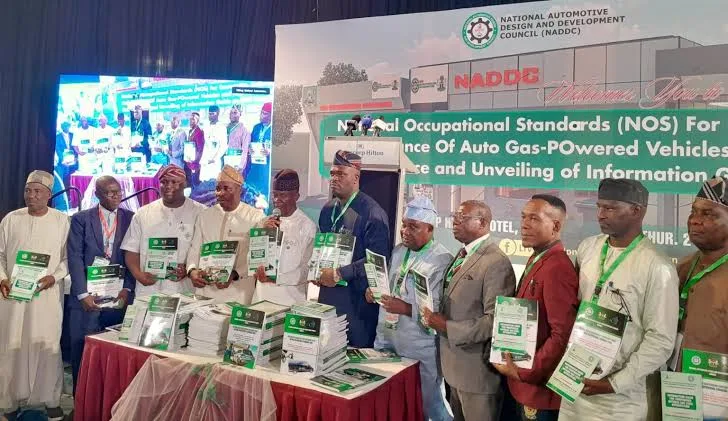
FG sets new standards for CNG and electric vehicles to modernize Nigeria’s auto industry
The Federal Government of Nigeria has introduced new National Occupational Standards (NOS) for Compressed Natural Gas (CNG) and Electric Vehicles (EVs) to modernize the automotive sector and speed up the country’s shift to clean energy. Announced on Thursday in Abuja by the Minister of State for Industry, Trade and Investment, Senator John Enoh, the new standards were developed by the National Automotive Design and Development Council (NADDC) with the National Board for Technical Education (NBTE). The NOS covers key areas including the conversion, calibration, and maintenance of gas-powered, electric, and hybrid vehicles. They also set national guidelines to ensure safety, consistency, and quality in CNG vehicle conversions across Nigeria. According to Enoh, the move shows the government’s dedication to industrial competitiveness, clean energy adoption, and skill development. He emphasized the automotive sector’s strong potential to drive job creation, industrial growth, and boost Nigeria’s GDP. NADDC Director-General Joseph Osanipin explained that the standards will harmonize training in universities, polytechnics, and technical colleges. They support certification up to Level Five under the National Skills Qualification Framework, helping Nigerian technicians gain internationally recognized qualifications and practical skills. Osanipin also pointed out that reducing reliance on petrol and diesel will help cut carbon emissions and allow Nigeria to better use its rich natural gas resources. Michael Oluwagbemi, CEO of the Presidential CNG Initiative, stressed the importance of private sector participation in scaling up CNG infrastructure nationwide. He stated that industry leaders are planning to roll out 200 new CNG refuelling stations, urging more businesses to get involved. This new step complements the government’s Credit Scheme launched in March 2025, which provides N2.5 billion to encourage vehicle conversion to CNG and kit manufacturing. The wider goal is to promote gas mobility, cut fuel costs, and support Nigeria’s growing autogas economy.
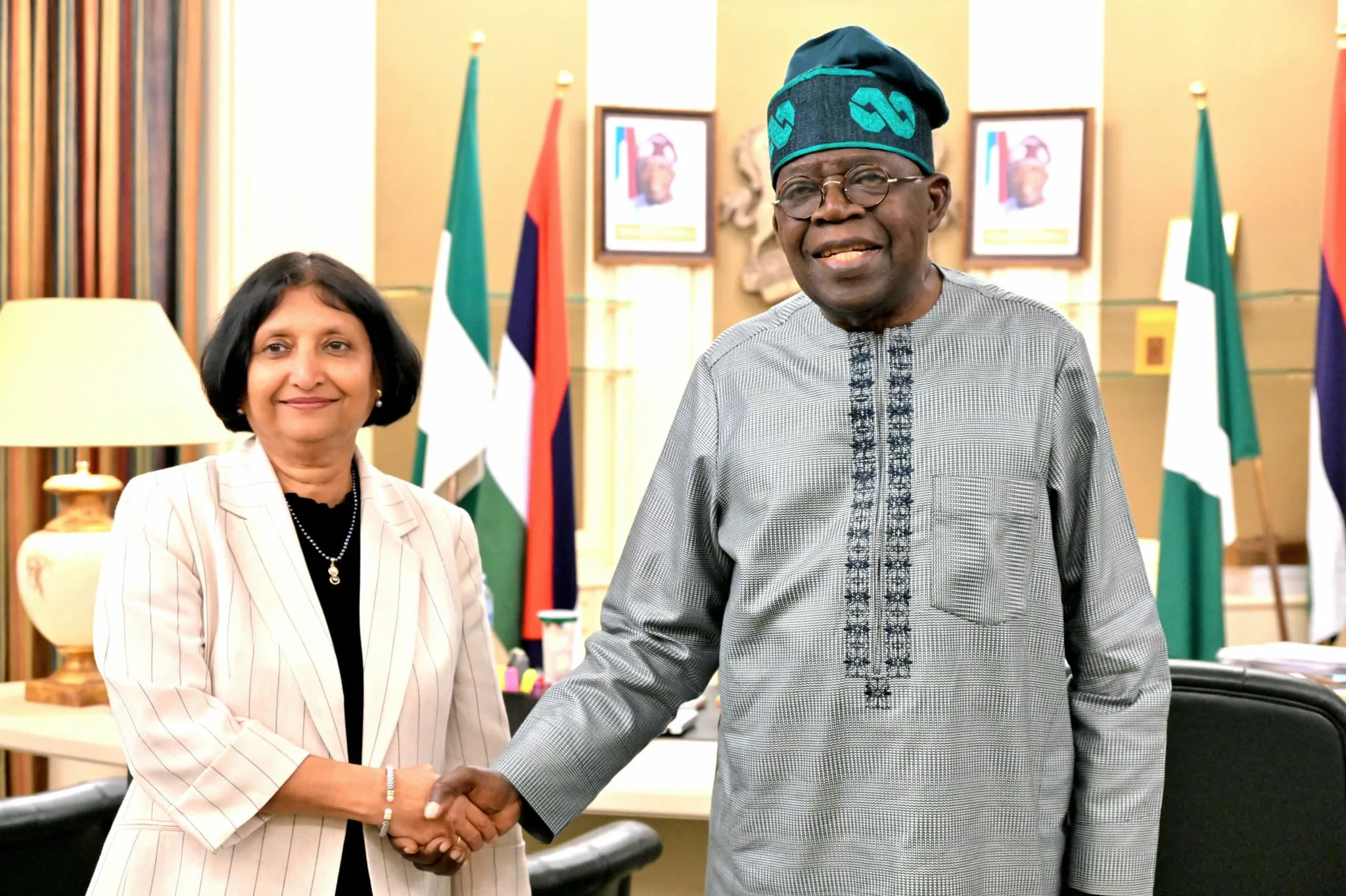
World Bank to boost Nigeria’s broadband with massive 90,000km fiber optic rollout
Nigeria is set to gain a huge leap in digital connectivity as the World Bank backs a new fiber optic project that will stretch 90,000km across the country. The announcement was made in Abuja during a visit by Anshula Kant, Managing Director and CFO of the World Bank, to President Bola Tinubu. Kant stressed the bank’s strong commitment to working with Nigeria on key reforms and infrastructure, especially in technology. The planned fiber optic network is expected to give millions of Nigerians better and faster access to the internet. This means more opportunities for education, health, and business in both cities and rural areas. Experts say this is one of the largest fiber projects in the world, and it’s a clear sign that Nigeria is serious about improving digital services. “We are working very closely with the government to deliver transformative results in several areas,” Kant noted, stating digital broadband as the centerpiece of these efforts. She pointed out that better internet will help drive jobs for young Nigerians, boost energy, education, and even agriculture. During the meeting, both sides agreed that growth, new jobs, and human capital are top priorities. The World Bank says these goals match closely with its mission to help countries grow in a way that benefits everyone. Kant also praised President Tinubu’s government for making bold economic reforms. “Nigeria is on the right path,” she said, promising more support and long-term investment to help unlock new opportunities for ordinary people. Finance Minister Wale Edun described the fiber plan as a “landmark” move, run together with the World Bank and Nigeria’s Ministry for Communications, Innovation and Digital Economy. According to Edun, it will be key for infrastructure and help more people and businesses get online in the coming years. Big projects like this can take time, but both sides have called the partnership strategic. The new broadband push is set to help Nigeria compete globally, improve lives, and prepare for a digital future.
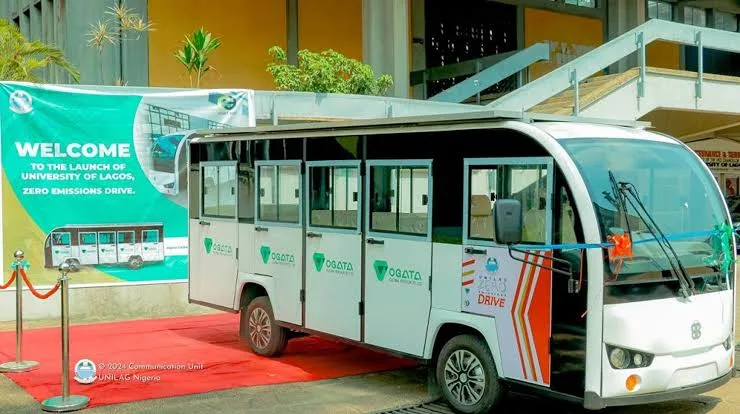
UNILAG’s electric buses transform campus commute with cleaner, cheaper rides
At the University of Lagos, electric buses are reshaping student transport by offering a more affordable and eco-friendly way to move across campus. Since Chart Eco Global Services and Ogata Global Resources launched ten electric buses in December 2024, the campus has seen a big shift from traditional cabs to these silent, zero-emission shuttles that cut fares by half. Students now pay just ₦100 to ride a bus that stops closer to their faculties, eliminating the long lines of waiting students seen before. The fleet has already doubled to twenty buses, with plans to add ten more to reduce queues further. The high cost of fuel, especially after subsidy removals raised petrol prices, pushed campus cab fares up to ₦200, forcing many students to walk or delay travel. The electric buses provide relief by offering lower fares and a more comfortable ride compared to cramped cabs. However, some students noted a frustration with priority boarding given to passengers with Cowry cards over cash payers, prompting plans for a fully automated fare system that stays affordable for all riders. Operational-wise, twelve buses run daily, completing around 60 trips between 7 a.m. and 7 p.m., moving about 6,000 students every day. The university’s support in providing space for charging stations has been crucial, making UNILAG an ideal site for this electric vehicle pilot. Beyond convenience, the project helps the university reduce its carbon footprint, aligning with its environmental goals under Vice Chancellor Prof. Folashade Ogunsola’s leadership. Experts estimate the buses’ zero emissions significantly cut the pollution normally generated by traditional campus transport. Behind the scenes, running the electric bus system faces challenges like high electricity tariffs and maintenance costs, with spare parts often needing to be imported. Still, the project is seen as a test case for expanding electric vehicles in Nigeria, where EV adoption remains low but is growing.